What Is a Noncitizen and Why It Matters in Raleigh 2026
Understand what a noncitizen is and your rights as a noncitizen in 2026. Contact Vasquez Law Firm for a free immigration consultation in Raleigh.
Published on March 13, 2026
Talk to an immigration attorney
Free call. A clear plan for your case.
Free & confidential · Se habla espanol · 24/7
Have questions? Talk to an attorney - free evaluation.
Call 1-844-967-3536Worried how the latest immigration news affects you?
Schedule a confidential case review with an immigration attorney - know exactly where you stand.
USCIS Case Status
Check your USCIS case status
Enter your receipt number and get the official status. Free, no registration.
What Is a Noncitizen and Why It Matters in Raleigh 2026
A noncitizen is an individual who is not a U.S. citizen but may have legal permission to live or work in the country. In Raleigh and throughout North Carolina and Florida, understanding the rights and classifications of noncitizens is vital in 2026. Whether you are a Dreamer or seeking to adjust status, knowing how laws apply can protect your future and opportunities. This article explains what being a noncitizen means, the types of noncitizens, and key steps to take if you want to navigate the U.S. immigration system effectively.
Need help with your case? Our experienced attorneys are ready to fight for you. Se Habla Español.
Schedule Your Free Case Evaluation
Or call us now: 1-844-967-3536
Quick Answer
A noncitizen is any person who is not a U.S. citizen. This includes different classifications like lawful permanent residents, visa holders, refugees, and undocumented immigrants. Knowing your noncitizen status is important because it determines your rights, responsibilities, and options in the U.S. immigration system.
- Noncitizens lack certain rights like voting
- Status impacts eligibility for work and benefits
- Legal classification varies by immigration history
- Consulting an attorney can clarify your specific situation
- Being informed helps protect your legal rights
Understanding Noncitizen Status
Imagine Maria, a young Dreamer living in Raleigh. She was brought to the U.S. as a child but does not have citizenship. Like many in her situation, Maria is a noncitizen. This term simply means she is not a U.S. citizen by birth or naturalization.
Federal immigration law defines "noncitizen" broadly. It includes lawful permanent residents (green card holders), holders of temporary visas, refugees, asylum seekers, and undocumented immigrants. A special class of noncitizens is non citizen nationals, such as individuals born in American Samoa. These individuals have some benefits of citizenship but lack full rights.
What Is a Non Citizen National?
A non citizen national is someone who owes permanent allegiance to the United States but is not a citizen. Typically, this applies to persons born in U.S. territories like American Samoa. They can live and work in the U.S. without restrictions but cannot vote in federal elections. Understanding this classification is important to know your rights and benefits.
Why Does Status Matter?
A noncitizen’s status determines which federal and state laws apply to them. For example, some noncitizens can work legally with an Employment Authorization Document, while others may not be authorized. Also, voting in federal elections is exclusively for citizens. In Raleigh and North Carolina, noncitizens have certain protections but are limited in other areas such as public benefits.
Key Terms to Know
- Lawful Permanent Resident: A noncitizen with a green card who can live and work permanently in the U.S.
- Visa Holder: A noncitizen with temporary permission to enter or stay in the U.S. for a specific purpose.
- Asylee/Refugee: A person granted protection from persecution in their home country.
- Undocumented Immigrant: Someone without legal authorization to reside in the U.S.
Understanding your classification helps determine available legal paths. For Raleigh residents seeking to adjust status or defend removal proceedings, engaging knowledgeable legal counsel is crucial.
Step-by-Step: What Noncitizens Should Do
Juan is a Raleigh resident with DACA status but wonders how to apply for permanent residence. If you are a noncitizen navigating immigration in 2026, here is a step-by-step approach:
- Identify Your Status: Know if you are a visa holder, permanent resident, refugee, or undocumented. This shapes your options.
- Gather Documents: Collect important papers like passports, visas, and work permits.
- Check Eligibility: Determine if you qualify for adjustment of status, asylum, DACA renewal, or other relief.
- File Applications: Submit forms like the I-485 (adjustment of status) through USCIS or apply for other benefits.
- Attend Appointments: Go to biometrics, interviews, or court hearings as required.
- Stay Informed: Follow up on your case and update your address or status promptly.
- Consult an Attorney: Seek expert help to avoid costly mistakes and maximize your chances.
Hiring a Lawyer
Working with an immigration lawyer in Raleigh increases your chances of success. Attorney Vasquez offers expertise in noncitizen cases including Dreamers and adjustment of status applicants.
Keeping Records
Maintain copies of all filings, correspondence, and receipts to prepare for interviews or legal challenges.
Common Noncitizen Mistakes to Avoid
Consider Rosa, who missed a deadline for renewing her work permit and now faces employment disruption. Here are common mistakes noncitizens make and how to avoid them:
- Missing Deadlines: Failing to file renewals or responses on time can jeopardize status. Set reminders for USCIS deadlines.
- Incorrect Forms: Using the wrong application versions leads to delays or denials. Always use updated forms available on USCIS.
- Not Seeking Legal Help: Many attempt to navigate complex immigration laws alone, risking errors. Consult an experienced attorney early.
- Unauthorized Work: Working without proper authorization can harm immigration cases. Verify your work eligibility before starting employment.
- Failure to Report Changes: Not updating address or status changes to USCIS can cause missed notices.
- Ignoring ICE Notices: Respond promptly to any immigration court summons or ICE communications.
If you only remember one thing: Keep current, follow instructions carefully, and get legal help to protect your future.
Timeline: What Noncitizens Can Expect
Maria applied for green card adjustment in Raleigh in early 2026. Here is a general timeline you might expect:
- Weeks 1-4: Submission of application forms like I-485.
- Weeks 5-8: Receipt notice from USCIS confirming your filing.
- Weeks 9-12: Biometrics appointment to collect fingerprints and photos.
- Months 4-8: Possible interview at USCIS or immigration court.
- Months 9-12: Receive decision or request for additional evidence.
- Ongoing: Appeals or further filings if needed.
This timeline varies depending on the case type and local USCIS workload, but staying prepared helps.
Costs and Fees: What Impacts the Price
Immigration applications can involve various fees. For example, Form I-485 filing currently costs $1,225 for most applicants, including biometrics. Attorney fees vary based on case complexity but are often necessary to avoid mistakes.
- Government filing fees
- Attorney consultation and representation fees
- Costs for translations, medical exams, and document gathering
- Potential costs for appeals or motions if denied
Some fee waivers or reductions apply in limited cases based on financial hardship. Talk to your lawyer about available options.
NC, FL, and Nationwide Notes
North Carolina Notes
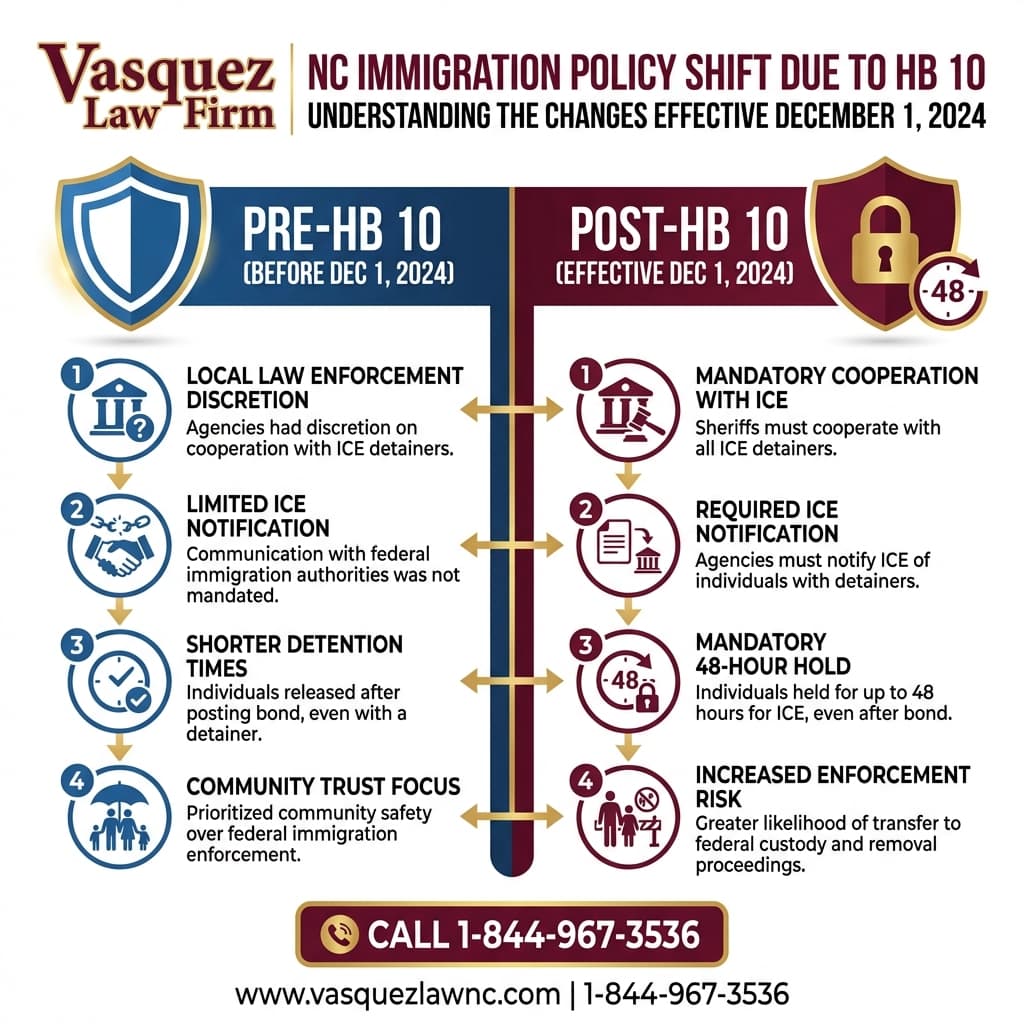
In North Carolina, where Raleigh is located, noncitizens can access our office for personalized immigration help. Local USCIS field offices and immigration courts serve the area. North Carolina does not have state laws preempting federal immigration enforcement, so cooperation with federal authorities is common.
Florida Notes
Florida’s noncitizens benefit from large immigrant communities and USCIS offices in Miami and Orlando. Like North Carolina, federal immigration law applies statewide. Local resources include immigrant advocacy groups and legal aid programs.
Nationwide Concepts
Federal immigration law governs noncitizen status in all states. Noncitizens face consistent definitions and general procedures but enforcement priorities and local policies can vary. Always stay informed about updates through official USCIS and EOIR channels.
When to Call a Lawyer Now
- You receive a notice for immigration court or ICE detention
- Your visa or work permit is about to expire
- You plan to apply for adjustment of status or asylum
- You have a criminal charge that may affect your immigration status
- You were detained by immigration enforcement
- You need help responding to USCIS Requests for Evidence
- You want to understand how new laws affect your case
- You want protection from deportation
About Vasquez Law Firm
At Vasquez Law Firm, we combine compassion with aggressive representation. Our motto "Yo Peleo" (I Fight) reflects our commitment to standing up for your rights.
- Bilingual Support: Se Habla Español - our team is fully bilingual
- Service Areas: North Carolina, Florida, and nationwide immigration services
- Experience: Over 15 years helping clients navigate complex legal matters
- Results: Thousands of successful cases across multiple practice areas
Attorney Trust and Experience
Attorney Vasquez holds a Juris Doctor degree and is admitted to practice in both the North Carolina State Bar and Florida Bar. With over 15 years of dedicated legal experience, he has built a reputation for providing personalized attention and achieving favorable outcomes for his clients.
Don't wait to get the help you deserve. Call us now for immediate assistance.
Se Habla Español
Frequently Asked Questions
What is considered a noncitizen?
A noncitizen is any person who is not a U.S. citizen. This category includes lawful permanent residents, visa holders, refugees, asylum seekers, and undocumented immigrants. Understanding your specific classification is important because it affects your legal rights, responsibilities, and eligibility for benefits or protections under U.S. immigration law.
What rights do noncitizens have in North Carolina?
Noncitizens in North Carolina generally have the right to work, attend school, and receive emergency medical care. They are protected by certain labor laws and can access some state benefits. However, noncitizens do not have voting rights in federal or state elections. Legal status and immigration classification significantly impact these rights and should be reviewed carefully.
Can a U.S. citizen become a non citizen national?
Generally, U.S. citizens cannot become noncitizen nationals because citizenship is the highest legal status. Noncitizen nationals are a unique classification, such as people born in American Samoa, who are U.S. nationals but not citizens. This status confers different rights, including travel and residency, but it is distinct from U.S. citizenship.
What documents prove noncitizen status?
Documents proving noncitizen status vary by classification, but common examples include green cards for permanent residents, visas for temporary visitors, Employment Authorization Documents (EAD), and refugee or asylum documents. Always keep valid, up-to-date documentation to prove your legal status when requested by officials.
Can noncitizens apply for adjustment of status in 2026?
Yes, many noncitizens can apply for adjustment of status to become lawful permanent residents in 2026, provided they meet eligibility requirements. This process often involves filing Forms I-485 with USCIS and may require legal help to navigate complex criteria and documentation.
Are noncitizens protected from ICE arrest in Raleigh?
Noncitizens have limited protections from ICE arrests. While ICE follows specific procedures and prioritizations, anyone suspected of immigration violations can be detained. Knowing your rights during ICE encounters, including refusing to speak without an attorney, is critical. Local laws and policies may affect enforcement practices in Raleigh.
What are non citizen national benefits?
Non citizen nationals have some benefits such as the right to live and work in the U.S. without restrictions and eligibility for certain federal programs. However, they cannot vote in federal elections and may face travel restrictions. These benefits differ from full U.S. citizenship rights.
Can you refuse to speak to ICE agents?
Yes, you can refuse to speak to ICE agents without an attorney present. It is a constitutional right to remain silent and avoid self-incrimination. Always calmly state that you want to speak to a lawyer before answering questions. This helps protect your legal rights.
Sources and References
- U.S. Citizenship and Immigration Services (USCIS)
- Executive Office for Immigration Review (EOIR)
- U.S. Department of State Travel and Visa Information
- 8 U.S.C. § 1101 Definitions
- 8 C.F.R. § 1.1 Meaning of Terms
Questions about your status in Raleigh? Our Raleigh immigration lawyers can help.
Take the first step toward justice today. Our team is standing by to help.
Start Your Free Case Evaluation Now
Call us: 1-844-967-3536
Se Habla Español - Estamos aquí para ayudarle.
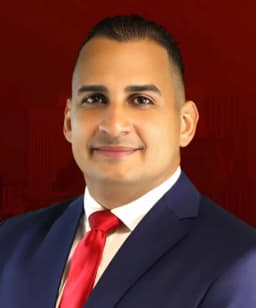
William Vasquez
Founder & CEO, Vasquez Law Firm, PLLC
William Vasquez is the founder and CEO of Vasquez Law Firm, PLLC, a results-driven firm specializing in immigration, criminal defense, personal injury, and workers' compensation. A U.S. Air Force veteran and recipient of the Joint Service Achievement Medal, William is dedicated to fiercely fighting for his clients' rights.
Related Legal Services
Need legal help? Learn more about immigration lawyers in North Carolina, or contact us for a free evaluation.
You can also visit immigration legal services throughout NC for more information.