A Complete Guide to ICE 287(g) Agreements in 2026
Understand ICE agreements, including 287(g) programs, and their impact on immigrants in 2026. Get critical insights. Contact Vasquez Law Firm for a free consultation.
Published on February 16, 2026
Have questions? Talk to an attorney - free evaluation.
Call 1-844-967-3536Worried how the latest immigration news affects you?
Get a free, confidential case review with an immigration attorney - know exactly where you stand.
A Complete Guide to ICE 287(g) Agreements in 2026
Understanding ICE agreements, particularly the 287(g) program, is crucial for immigrants and their families in 2026. These agreements between U.S. Immigration and Customs Enforcement (ICE) and local law enforcement agencies can significantly impact how immigration laws are enforced within communities, including in North Carolina and Florida. Navigating these complex legal frameworks requires accurate information and often, skilled legal guidance. This comprehensive guide will break down what ICE agreements entail, their implications, and how you can protect your rights as of 2026.
Need help with your case? Our experienced attorneys are ready to fight for you. Se Habla Español.
Schedule Your Free Consultation
Or call us now: 1-844-967-3536
Quick Answer
ICE agreements are formal arrangements between U.S. Immigration and Customs Enforcement (ICE) and state or local law enforcement agencies. These agreements, most notably the 287(g) program, delegate federal immigration enforcement authority to trained local officers, allowing them to identify and process non-citizens for immigration violations. This means local police can act as immigration agents, impacting detention and deportation processes.
- 287(g) agreements empower local officers to perform federal immigration duties.
- These programs can lead to increased immigration arrests and detentions.
- The scope of authority varies based on the specific agreement type (jail model or task force model).
- Knowledge of these agreements is vital for immigrant communities.
What Are ICE Agreements? Understanding the Basics
ICE agreements are cooperative arrangements designed to enhance immigration enforcement across the United States. These partnerships allow federal immigration authorities to extend their reach by deputizing local law enforcement personnel. The most well-known of these is the 287(g) program, authorized by Section 287(g) of the Immigration and Nationality Act (INA). This section permits the Secretary of Homeland Security to enter into agreements with state and local law enforcement agencies, enabling designated officers to perform certain functions of federal immigration officers.
As of 2026, the landscape of these ICE local police agreements continues to evolve, influencing how immigrants interact with law enforcement daily. While proponents argue these agreements improve public safety by removing dangerous criminals, critics highlight concerns about racial profiling, civil rights violations, and the erosion of trust between immigrant communities and local police. It's essential for anyone residing in or traveling through areas with 287(g) agreements to understand their implications.
Types of 287(g) Agreements: Jail vs. Task Force Models
There are primarily two models under which 287(g) agreements operate:
- Jail Model: In this model, local law enforcement officers, typically within a correctional facility, are trained and authorized to identify, process, and place immigration detainers on non-citizens who have been arrested for state or local crimes. Their authority is generally limited to individuals already in custody. This model is more common and focuses on individuals within the jail system.
- Task Force Model: This model grants local officers broader authority to perform immigration enforcement functions in the field, often in conjunction with ICE agents. Officers can question individuals about their immigration status during routine law enforcement activities, potentially leading to arrests for immigration violations. This model has faced more scrutiny due to its potential for proactive enforcement and impact on community relations.
The specific terms of each 287(g) agreement with ICE can vary, making it crucial to understand the local context. For example, a 287(g) agreement Florida county might have could differ significantly from one in North Carolina, even if both are jail models. These distinctions directly affect the extent of local police involvement in immigration matters.
Impact of ICE Agreements on Immigrant Communities
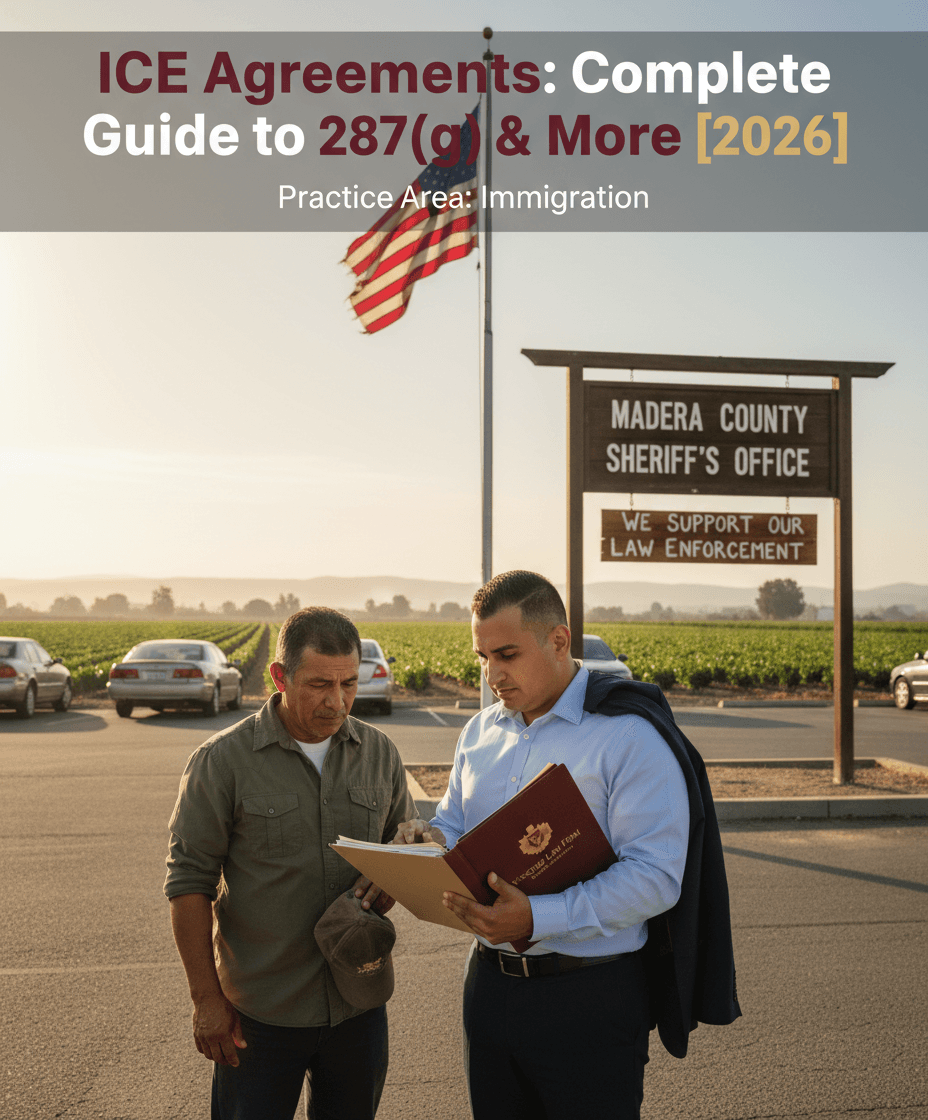
The presence of ICE agreements, especially 287(g) programs, has profound effects on immigrant communities. When local police are empowered to act as immigration agents, it can create an environment of fear and distrust. Immigrants, regardless of their legal status, may become hesitant to report crimes, seek medical attention, or engage with local authorities, fearing that any interaction could lead to immigration questioning or detention.
This erosion of trust can undermine public safety for everyone, as unreported crimes go uninvestigated and crucial community cooperation diminishes. Families can be torn apart by deportations resulting from minor infractions that would not typically lead to such severe consequences without these agreements. Understanding these impacts is key to advocating for rights and seeking appropriate legal protection.
What Is ICE Allowed to Do Legally?
Under federal law, ICE has broad authority to enforce immigration laws. This includes the power to arrest, detain, and deport non-citizens who have violated immigration statutes. However, even with ICE agreements, there are legal limits to what ICE and deputized local officers can do. For instance, ICE agents generally need a warrant signed by a judge to enter a private residence without consent, though administrative warrants (issued by ICE itself) are commonly used for arrests in public places or at workplaces. Knowing your rights, such as the right to remain silent and the right to refuse a search without a warrant, is paramount. For more detailed information on your rights during an encounter with immigration officials, you can review resources provided by organizations like the American Civil Liberties Union (ACLU) or consult an immigration attorney.
Navigating 287(g) Agreements: Know Your Rights
If you or a loved one encounter law enforcement in an area with ICE agreements, understanding your rights is critical. These rights apply to all individuals in the United States, regardless of immigration status. Knowing what to say and what not to say can significantly impact the outcome of an interaction.
Here are essential steps and rights to remember:
- Right to Remain Silent: You have the right to refuse to answer questions about your immigration status, nationality, or where you were born. Simply state, "I wish to remain silent."
- Do Not Open Your Door: If agents are at your home, do not open the door unless they have a warrant signed by a judge. Ask them to slide the warrant under the door or hold it up to a window. An administrative warrant (Form I-200 or I-205) is not the same as a judicial warrant and does not grant entry without consent.
- Do Not Consent to Searches: You have the right to refuse a search of yourself, your car, or your home unless officers have a warrant or probable cause.
- Do Not Lie: While you have the right to remain silent, never provide false information to law enforcement.
- Request an Attorney: If you are arrested, clearly state, "I want to speak to an attorney." Do not sign anything without consulting a lawyer.
- Document Everything: If possible and safe, try to remember details of the encounter, including officer names, badge numbers, agency, time, and location.
These principles are especially important in communities like Smithfield, North Carolina, and various Florida counties where ICE agreements are in effect. Seeking legal counsel immediately after any encounter with immigration officials is always the best course of action. Vasquez Law Firm is here to provide guidance and representation for those affected by these complex situations.
What to Expect if Detained
If you are detained by local law enforcement officers acting under a 287(g) agreement, you will likely be processed for potential immigration violations. This could lead to a detainer being placed on you by ICE, meaning that even if you are eligible for release from local custody, you will be held for ICE to pick you up. You may then be transferred to an immigration detention facility. It is crucial to immediately request to speak with an attorney and not sign any documents without legal review.
Legal Challenges and Advocacy Against ICE Agreements
ICE agreements, particularly 287(g) programs, have faced significant legal challenges and advocacy efforts from civil rights organizations, immigrant rights groups, and legal experts. These challenges often focus on constitutional concerns, allegations of racial profiling, and the impact on community safety and trust. Many lawsuits have been filed arguing that these agreements lead to discriminatory practices and exceed the scope of local law enforcement authority.
Advocacy groups continually monitor the implementation of these agreements, publish reports on their effects, and push for policy changes at local, state, and federal levels. They often provide resources and support for communities impacted by increased immigration enforcement. Staying informed about these efforts can help individuals understand the broader context of immigration policy and enforcement in 2026.
Can You Sue ICE for Detaining You if You're a Citizen?
Yes, if you are a U.S. citizen and are unlawfully detained by ICE, you may have grounds to sue the agency for civil rights violations. Such cases typically involve allegations of false imprisonment, due process violations, and other constitutional infringements. Proving U.S. citizenship during detention can be challenging, especially if documentation is not immediately available. It is absolutely vital to assert your citizenship and demand to speak with an attorney if this occurs. Consulting an experienced civil rights or immigration attorney is essential to evaluate the merits of such a claim and navigate the complex legal process involved in suing a federal agency. For more information, please see our guide on U.S. Citizen Detention Guide.
Don't face your legal challenges alone. Our team is here to help you every step of the way.
Call today: 1-844-967-3536 | Se Habla Español
NC, FL, and Nationwide Notes on ICE Agreements
The application and impact of ICE agreements, particularly 287(g) programs, vary significantly across different states and localities. While these are federal programs, their implementation depends on the willingness of state and local agencies to participate and the specific terms negotiated.
North Carolina ICE Agreements
North Carolina has a notable history with 287(g) agreements. Several counties across the state, including Wake, Gaston, Henderson, and others, have entered into these partnerships with ICE. These agreements primarily operate under the jail model, meaning that local deputies screen individuals booked into county jails for immigration status. This can lead to ICE detainers being placed on non-citizens, resulting in their transfer to federal immigration custody for deportation proceedings. The presence of these agreements in North Carolina has led to significant advocacy and community organizing efforts, with ongoing debates about their effects on local communities and the state's economy. Residents in Smithfield and other NC areas should be aware of their local sheriff's department's policies regarding immigration enforcement.
Florida ICE Agreements
Florida also has a strong presence of ICE agreements and related immigration enforcement policies. Many Florida counties participate in 287(g) programs, often through the jail model, similar to North Carolina. Additionally, Florida has enacted state-level legislation that mandates cooperation with federal immigration authorities, reinforcing the impact of ICE agreements. This includes requirements for local law enforcement to assist ICE and to hold individuals with immigration detainers. The combination of federal agreements and state mandates creates a complex and often challenging environment for immigrants in Florida. Understanding the specific policies in your county is crucial, as is consulting with an immigration attorney familiar with Florida's unique legal landscape.
Nationwide Concepts (General Only, Rules Vary)
Across the United States, the number of jurisdictions with ICE agreements, especially 287(g) programs, fluctuates. While the legal framework for these agreements is federal, their day-to-day operation is highly localized. This means that an immigrant's experience with law enforcement can differ dramatically from one county to the next, even within the same state. Advocates frequently map the locations of these agreements to inform and empower communities. The national debate over 287(g) agreements continues, with ongoing discussions about their effectiveness, cost, and human rights implications. It is important to remember that general concepts apply nationwide, but specific rules and enforcement practices are state and county-dependent.
When to Call a Lawyer Now Regarding ICE Agreements
Navigating the complexities of ICE agreements and immigration enforcement requires prompt and knowledgeable legal assistance. Do not hesitate to contact an experienced immigration attorney if any of the following situations apply to you or a loved one:
- You or a family member has been detained by local law enforcement or ICE.
- An ICE detainer has been placed on you or a loved one in jail.
- You have been questioned about your immigration status by any law enforcement officer.
- You fear deportation or removal proceedings.
- You are a U.S. citizen or legal resident who has been mistakenly detained or questioned by immigration authorities.
- You need to understand the specifics of a 287(g) agreement in your local jurisdiction.
- You are seeking to understand your rights during an encounter with law enforcement.
- You need help preparing for or responding to an immigration court hearing.
- You believe your civil rights have been violated by immigration enforcement actions.
Early intervention by an attorney can make a significant difference in the outcome of an immigration case. Vasquez Law Firm is dedicated to providing aggressive and compassionate representation to protect your rights.
About Vasquez Law Firm
At Vasquez Law Firm, we combine compassion with aggressive representation. Our motto "Yo Peleo" (I Fight) reflects our commitment to standing up for your rights. We understand the fear and uncertainty that immigration matters can bring, especially when dealing with complex ICE agreements and enforcement actions.
- Bilingual Support: Se Habla Español - our team is fully bilingual, ensuring clear communication and understanding.
- Service Areas: We proudly serve clients in North Carolina, Florida, and offer nationwide immigration services, providing comprehensive legal support wherever you are.
- Experience: With over 15 years helping clients navigate complex legal matters, Attorney Vasquez brings a wealth of knowledge and a proven track record to your case.
- Results: We are committed to achieving favorable outcomes, handling thousands of successful cases across multiple practice areas, including immigration, personal injury, and criminal defense.
Attorney Trust and Experience
Attorney Vasquez holds a Juris Doctor degree and is admitted to practice in both the North Carolina State Bar and Florida Bar. With over 15 years of dedicated legal experience, he has built a reputation for providing personalized attention and achieving favorable outcomes for his clients. He understands the nuances of federal immigration law and how it intersects with local enforcement through ICE agreements.
Frequently Asked Questions
What is the 287(g) program?
The 287(g) program is a federal initiative allowing U.S. Immigration and Customs Enforcement (ICE) to delegate immigration enforcement authority to state and local law enforcement agencies. Trained local officers can then perform certain functions of federal immigration officers, typically within jails, by identifying non-citizens for immigration violations and placing detainers. This program aims to enhance federal immigration enforcement capacity by utilizing local resources and personnel.
How do ICE agreements affect local communities?
ICE agreements can significantly impact local communities by increasing immigration arrests and detentions. They often lead to a chilling effect, where immigrants become fearful of interacting with local police, even to report crimes or seek assistance, due to concerns about immigration enforcement. This can erode trust between law enforcement and immigrant communities, potentially affecting public safety and community cohesion. Economic impacts, such as labor shortages, are also reported.
Does ICE deport you immediately after an arrest?
No, ICE does not typically deport you immediately after an arrest. After an arrest, individuals are usually placed in immigration detention and begin removal (deportation) proceedings. This process involves appearances before an immigration judge, where they have the opportunity to present their case, seek relief from deportation, or apply for immigration benefits. Immediate deportation usually only occurs if an individual has already received a final order of removal and ICE executes that order.
Can local police enforce immigration laws without a 287(g) agreement?
Generally, local police officers do not have inherent authority to enforce federal immigration laws unless they are deputized through a program like 287(g). However, local law enforcement can still play a role in immigration enforcement by reporting suspected non-citizens to ICE or by holding individuals on an ICE detainer. Some state laws also mandate cooperation with federal immigration authorities, even without a formal 287(g) agreement. The extent of this cooperation varies by jurisdiction.
What is an ICE detainer?
An ICE detainer, also known as an immigration hold, is a request from ICE to a local law enforcement agency to maintain custody of an individual beyond the time they would otherwise be released, typically for up to 48 hours (excluding weekends and holidays), so that ICE can take them into federal custody. Detainers are issued when ICE has probable cause to believe the individual is a removable non-citizen. They are not judicial warrants and have been the subject of legal challenges.
How can I find out if my county has an ICE agreement?
Information about counties with ICE agreements, particularly 287(g) programs, is often available through various sources. The Department of Homeland Security (DHS) and ICE publish lists of participating agencies. Additionally, civil rights organizations and immigrant advocacy groups frequently track and map these agreements, providing accessible resources for the public. A quick online search for "287(g) agreements map" or "list of 287(g) agreements" along with your state or county name, can often yield results. Legal counsel can also provide specific local information.
What is the difference between a judicial warrant and an administrative warrant from ICE?
A judicial warrant is issued by a judge and requires probable cause, allowing law enforcement to enter a private residence or conduct a search. An administrative warrant (Form I-200 or I-205) is issued by ICE itself, not a judge, and is typically used to apprehend a non-citizen for immigration violations. While an administrative warrant authorizes an arrest, it does not grant ICE agents permission to enter a private home without consent or a separate judicial warrant. Knowing this distinction is crucial for protecting your rights.
Are ICE agreements increasing or decreasing in 2026?
The number of ICE agreements, particularly 287(g) programs, has seen fluctuations over the years. While there have been periods of expansion, there have also been instances of agreements being terminated or suspended due to various factors, including changes in federal policy, legal challenges, and local community pressure. As of 2026, the trend can vary regionally, with some jurisdictions actively pursuing these partnerships while others choose to opt out. Monitoring local news and advocacy group reports provides the most current information.
Can I refuse to answer questions about my immigration status?
Yes, you have the right to remain silent and refuse to answer questions about your immigration status, nationality, or where you were born. This right applies to all individuals in the United States, regardless of their immigration status. If questioned, you can politely but firmly state, "I wish to remain silent and do not wish to answer any questions without my attorney present." This is a fundamental constitutional right that can protect you during interactions with law enforcement.
What should I do if ICE agents come to my workplace?
If ICE agents come to your workplace, remember your rights. You have the right to remain silent and do not have to answer questions about your immigration status. Do not provide false documents or lie. If agents have a warrant, ask to see it and verify it's a judicial warrant for your specific location. If they don't have a warrant or it's not a judicial warrant, you do not have to consent to a search or answer questions. Inform your employer and contact an immigration attorney immediately. Document everything you can safely.
Sources and References
- U.S. Citizenship and Immigration Services (USCIS)
- U.S. Immigration and Customs Enforcement (ICE) - 287(g) Program
- Executive Office for Immigration Review (EOIR)
Ready to take the next step? Contact Vasquez Law Firm today for a free, confidential consultation. We're committed to fighting for your rights and achieving the best possible outcome for your case.
Start Your Free Consultation Now
Call us: 1-844-967-3536
Se Habla Español - Estamos aquí para ayudarle.



William Vasquez
Founder & CEO, Vasquez Law Firm, PLLC
William Vasquez is the founder and CEO of Vasquez Law Firm, PLLC, a results-driven firm specializing in immigration, criminal defense, personal injury, and workers' compensation. A U.S. Air Force veteran and recipient of the Joint Service Achievement Medal, William is dedicated to fiercely fighting for his clients' rights.
Related Legal Services
Need legal help? Learn more about immigration lawyers in North Carolina, or contact us for a free evaluation.
You can also visit NC immigration legal help for more information.