ICE Rights at Airports: What You Should Know in 2026
Worried about ICE rights at airports in 2026? Learn your legal protections and what to do if approached. Contact Vasquez Law for a free consultation.
Published on March 25, 2026
Talk to an immigration attorney
Free call. A clear plan for your case.
Free & confidential · Se habla espanol · 24/7
Have questions? Talk to an attorney - free evaluation.
Call 1-844-967-3536Worried how the latest immigration news affects you?
Schedule a confidential case review with an immigration attorney - know exactly where you stand.
USCIS Case Status
Check your USCIS case status
Enter your receipt number and get the official status. Free, no registration.
ICE Rights at Airports: What You Should Know in 2026
Knowing your ICE rights at airports in 2026 is essential, especially in places like Smithfield where ICE activity can affect immigrants and Dreamers. ICE agents have specific rules they must follow when interacting with travelers and passengers at airport security and public areas. This article explains what you can expect, how to protect yourself, and when to seek help from an experienced immigration attorney in North Carolina or Florida.
Need help with your case? Our experienced attorneys are ready to fight for you. Se Habla Español.
Schedule Your Free Case Evaluation
Or call us now: 1-844-967-3536
Quick Answer
ICE agents are allowed to operate at airports but must follow legal rules and limits. Travelers have rights, including the right to remain silent and ask for an attorney before answering questions. Understanding these rights can protect you during an ICE encounter at airport security or public areas.
- You do not have to answer ICE questions without a lawyer.
- ICE cannot detain without a warrant or probable cause in most cases.
- Do not consent to searches without a court order.
- Ask for legal representation immediately if approached.
- Know the 45 minute rule ICE agents may follow.
Understanding ICE Rights at Airports
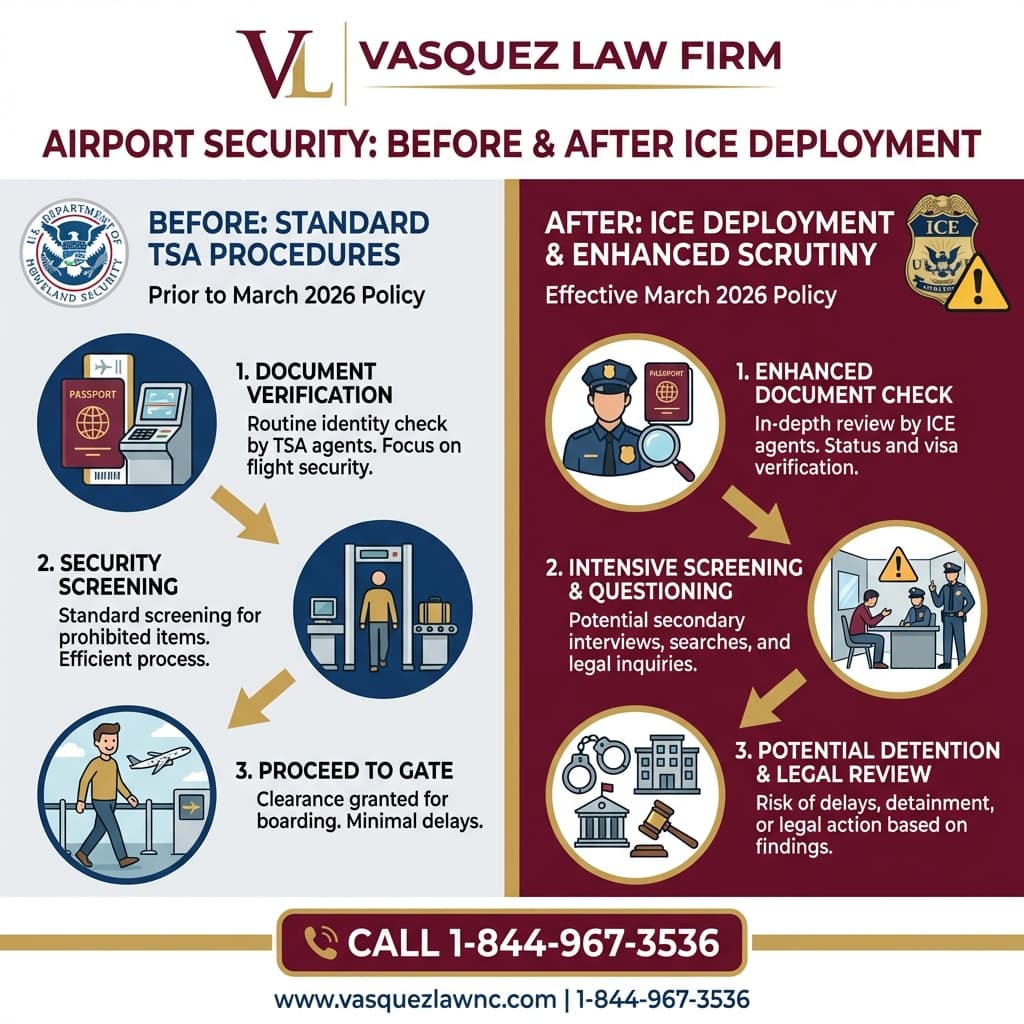
In 2026, ICE agents frequently operate in airports across the U.S., including Smithfield, North Carolina, and several locations in Florida. Their presence typically involves enforcement of immigration laws by questioning, detaining, or sometimes apprehending individuals suspected of immigration violations.
ICE's authority at airports is governed by legal statutes such as 8 U.S.C. § 1357, which authorizes immigration officers to perform enforcement duties at any U.S. port of entry, including airports. However, ICE must follow procedural safeguards protecting travelers' rights and limiting arbitrary detention or searches.
Travelers, including Dreamers, often have questions about the boundaries of ICE authority during airport encounters. Agents cannot randomly stop a traveler without reasonable suspicion or a warrant. When ICE operates at airport security, they generally coordinate with TSA officials but do not have unfettered access to the secure areas.
Awareness of ICE limitations is vital. ICE generally must have probable cause or a warrant for detention. Exceptions occur at entry points where border enforcement officers have expanded authority.
Local enforcement and federal immigration law intersect here. Understanding how federal rules apply in Smithfield or Florida airports can help you protect your rights.
ICE Authority at Ports of Entry
ICE functions under the Department of Homeland Security and shares authority with Customs and Border Protection (CBP). At airports, CBP officers typically facilitate entry while ICE agents focus on enforcement. The distinction matters for what agents can legally do.
Traveler Rights During ICE Encounters
You have the right to remain silent and to refuse to consent to searches. ICE must generally show warrants or legal authority to conduct detentions beyond just questions. Deportation orders or warrants are legal tools ICE uses but must be valid and presented when requested.
The ICE 45 Minute Rule Explained
Some ICE agents follow a 45 minute informal guideline to limit questioning time at airports. Though not a formal law, this rule aims to reduce claims of unlawful detention arising from overly long questioning sessions.
Key Steps if Approached by ICE Agents
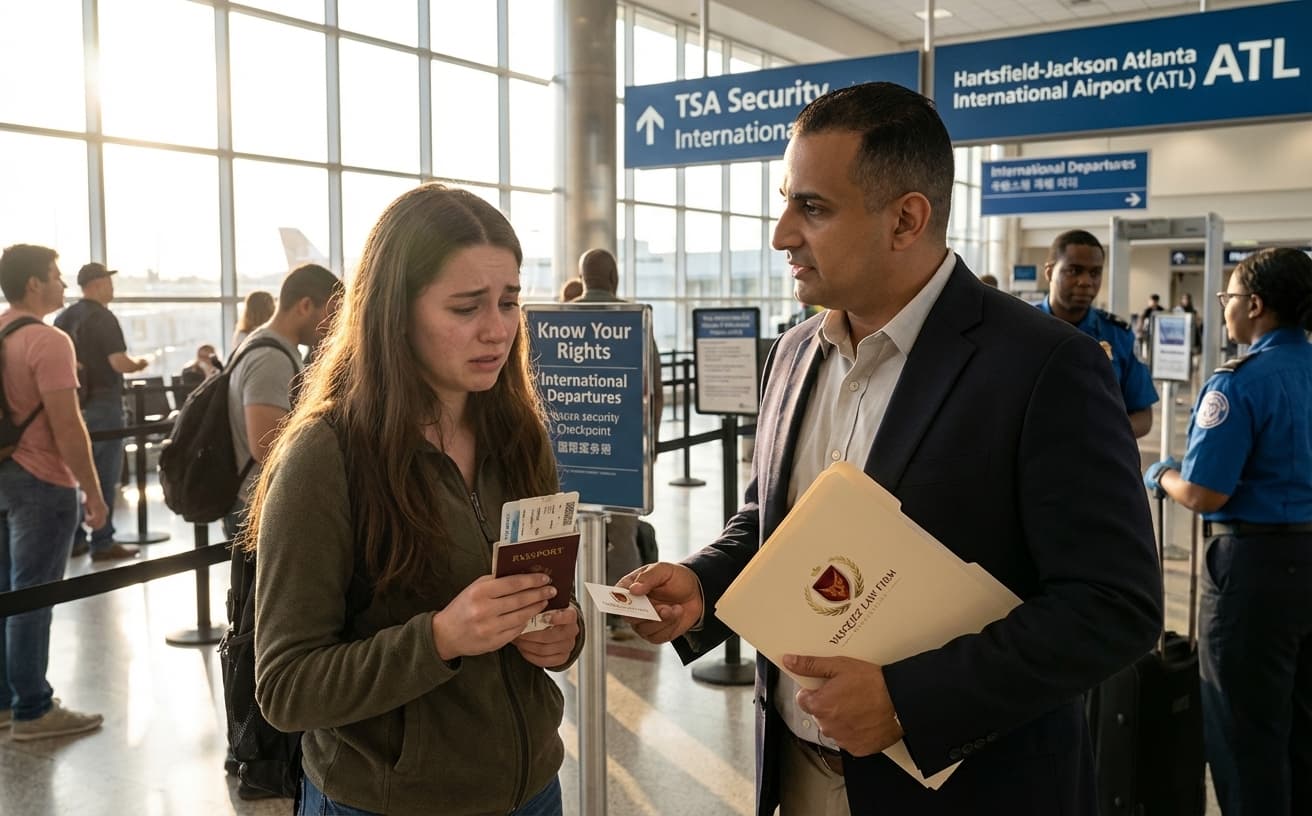
Imagine you are waiting in a Smithfield airport terminal, and ICE agents approach you. What should you do immediately? How you respond can affect your legal rights and potential outcomes.
- Stay Calm: Remain polite and calm to avoid escalating the situation.
- Do Not Provide False Information: Only give truthful answers but do not volunteer extra details.
- Assert Your Right to Remain Silent: You can say, "I choose to remain silent, and I want to speak to a lawyer."
- Request Legal Representation: Ask to contact an immigration attorney before responding further.
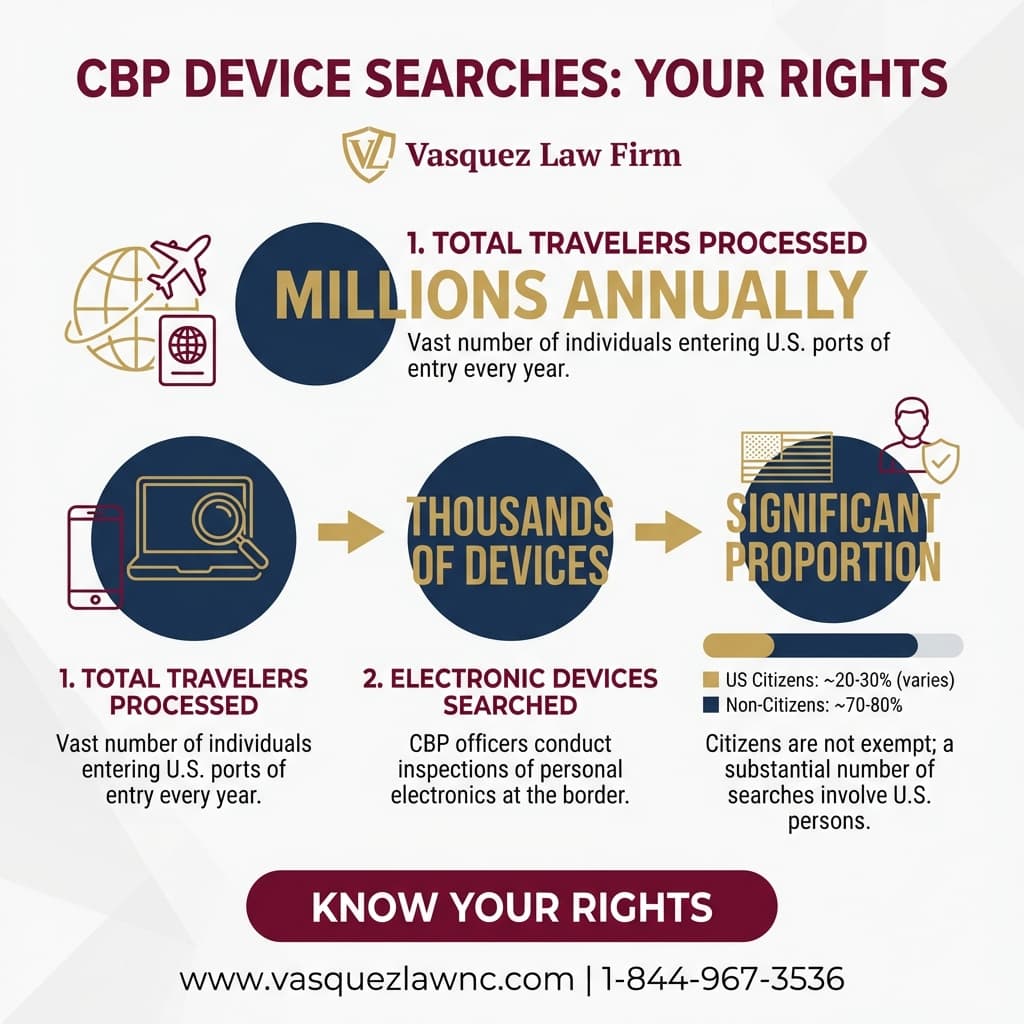
- Do Not Consent to Searches: Unless ICE shows a warrant, do not allow agents to search your belongings or electronic devices.
- Document Details: If possible, note the agents' badge numbers and take pictures discreetly.
- Stay in Public Areas: Avoid isolated locations where agents can detain you without witnesses.
Taking these steps helps safeguard your rights and prepares for any legal action if necessary.
Why Speak with an Attorney Immediately
Early legal advice can prevent mistakes like waiving rights or signing forms under pressure. An immigration attorney experienced in airport ICE encounters understands local practices in North Carolina and Florida airports and can guide you.
Know Your Rights Resources
Several organizations provide printed materials and apps explaining your rights during ICE encounters. Keep these resources handy and share them with family or community members.
Common Mistakes to Avoid at Airports
- Talking Without a Lawyer: Providing extensive information without legal advice may be used against you.
- Agreeing to Searches: Letting agents search your phone or bags without a warrant harms your defense.
- Carrying Fake Documents: Using false identity papers can have serious legal consequences.
- Ignoring Requests for Identification: Refusing to show ID can result in detention, but you still have rights.
- Not Knowing Local Airport Enforcement Policies: Different airports may have varying procedures affecting your rights.
- Failing to Assert Rights Clearly: Silence without stating your rights can be misinterpreted.
- Panic or Aggressive Behavior: This can escalate situations and worsen your legal standing.
- Delaying Legal Help: Waiting too long to call a lawyer can reduce your options.
If you only remember one thing: Always exercise your right to remain silent and ask for a lawyer as soon as ICE approaches you at an airport.
Timeline: What to Expect During ICE Encounters
- Minutes 1-5: ICE approaches and may ask preliminary questions.
- Minutes 6-15: Agents will try to confirm identity and immigration status.
- Minutes 16-30: If there is probable cause, ICE may begin detention procedures.
- Minutes 31-45: According to the '45 minute rule,' questioning should ideally conclude, though detentions may continue.
- Post 45 Minutes: If detained, ICE must provide legal justification and possibly a warrant.
This timeline helps prepare mentally for interactions and identify when legal rights may be at risk.
Costs and Fees: What Impacts the Price of Legal Help
- Complexity of Case: More complex situations, like detention or removal proceedings, require more attorney time.
- Documentation Preparedness: Having proper documentation ready can reduce fees and speed up process.
- Local Airport Specific Practice: Knowledge of Smithfield or Florida airport procedures can reduce risks and associated costs.
- Urgency: Emergency consultations or after-hours calls may carry additional charges.
- Type of Services Needed: Legal counseling, representation in court, or appeals differ in cost.
Vasquez Law Firm offers transparent fees and free case evaluations to discuss your situation before starting representation.
NC, FL, and Nationwide Notes
North Carolina Notes
Smithfield and other North Carolina airports follow federal immigration procedures but may have varying local law enforcement cooperation levels. The collaboration between ICE and local police can impact enforcement visibility.
Florida Notes
Florida airports experience higher immigration enforcement activity due to international flights. Travelers in Miami, Orlando, and Tampa airports should know ICE limits and rights, especially for Dreamers and visa holders.
Nationwide Concepts
Federal immigration law sets most ICE authorities nationwide. However, each airport can have unique policies about ICE presence. Always check local rules and remain informed to protect your rights wherever you travel.
When to Call a Lawyer Now
- If ICE approaches or detains you at an airport.
- When asked to sign any immigration documents.
- If you are told you will be held or questioned for over 45 minutes.
- After receiving any notices or warrants from ICE.
- If you are a Dreamer and fear deportation.
- When you witness family members or friends detained at airports.
- If you believe your rights have been violated during an airport encounter.
- If you are unsure of your immigration status or options.
- When you want to apply for protection programs or relief from removal.
About Vasquez Law Firm
At Vasquez Law Firm, we combine compassion with aggressive representation. Our motto "Yo Peleo" (I Fight) reflects our commitment to standing up for your rights.
- Bilingual Support: Se Habla Español - our team is fully bilingual
- Service Areas: North Carolina, Florida, and nationwide immigration services
- Experience: Over 15 years helping clients navigate complex legal matters
- Results: Thousands of successful cases across multiple practice areas
Attorney Trust and Experience
Attorney Vasquez holds a Juris Doctor degree and is admitted to practice in the North Carolina State Bar. With over 15 years of dedicated legal experience, he has built a reputation for providing personalized attention and achieving favorable outcomes for his clients.
Don't wait to get the help you deserve. Call us now for immediate assistance.
Se Habla Español
Frequently Asked Questions
Can ICE operate at airports?
Yes, ICE agents can operate at airports as part of their enforcement role. However, they must follow strict rules when interacting with travelers, including respecting privacy rights and procedural safeguards. Knowing these rules can help you protect yourself during encounters.
What airports will ICE agents be at?
ICE agents operate at many major airports across the U.S., including those in North Carolina and Florida. They typically work at security checkpoints and public areas where they may question or detain individuals based on immigration concerns.
Is ICE allowed through airport security?
ICE agents do not have unrestricted access through TSA or airport security checkpoints. They often coordinate with airport security but must follow regulations. They typically approach individuals after security screening in public areas.
What is the airport 45 minute rule?
The airport 45 minute rule refers to a guideline some ICE agents use to limit questioning to less than 45 minutes to avoid claims of unlawful detention. This is not a formal law but an internal practice aiming to reduce legal challenges.
What should I do if ICE approaches me at an airport?
If ICE approaches you, stay calm, do not give false information, and assert your right to remain silent. Ask to speak with an attorney before answering questions or signing documents. Avoid consenting to searches without a warrant.
Can ICE detain me at the airport without a warrant?
Generally, ICE agents are required to have a warrant or probable cause to detain someone. However, exceptions exist in specific situations at ports of entry such as airports. Legal counsel can help clarify your rights in your circumstances.
Are there special protections for Dreamers at airports?
Dreamers qualifying under DACA have protections that ICE must consider before any enforcement action. However, these protections are not absolute, and it is vital to consult a knowledgeable immigration lawyer if questioned or detained.
How can an attorney help if ICE stops me at the airport?
An immigration attorney can protect your rights, advise on whether to answer questions, help prevent unlawful detention, and represent you in court if necessary. Immediate legal help is critical in ICE encounters at airports.
Sources and References
- U.S. Citizenship and Immigration Services (USCIS)
- Executive Office for Immigration Review (EOIR)
- U.S. Customs and Border Protection (CBP)
Need immigration help? Our immigration attorneys can review your case.
Take the first step toward justice today. Our team is standing by to help.
Start Your Free Case Evaluation Now
Call us: 1-844-967-3536
Se Habla Español - Estamos aquí para ayudarle.

William Vasquez
Founder & CEO, Vasquez Law Firm, PLLC
William Vasquez is the founder and CEO of Vasquez Law Firm, PLLC, a results-driven firm specializing in immigration, criminal defense, personal injury, and workers' compensation. A U.S. Air Force veteran and recipient of the Joint Service Achievement Medal, William is dedicated to fiercely fighting for his clients' rights.
Related Legal Services
Need legal help? Learn more about how our immigration attorneys can help, or contact us for a free evaluation.
You can also visit our NC immigration team for more information.