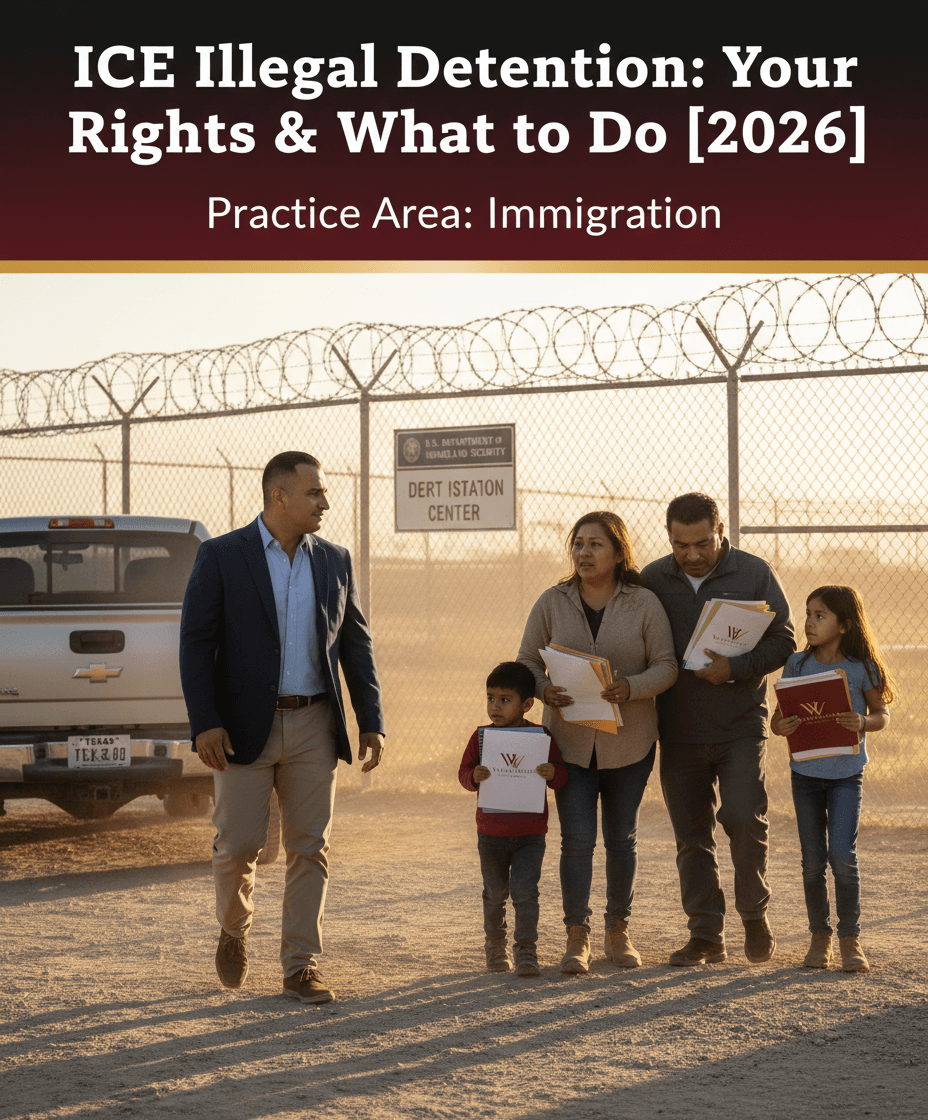
What You Need to Know About ICE Operations in Minnesota in 2026
Understand ICE operation Minnesota in 2026 and your rights. Get legal help and protect your family. Contact Vasquez Law Firm for a free consultation.
Published on February 15, 2026
Have questions? Talk to an attorney - free evaluation.
Call 1-844-967-3536Worried how the latest immigration news affects you?
Get a free, confidential case review with an immigration attorney - know exactly where you stand.
What You Need to Know About ICE Operations in Minnesota in 2026
Understanding an ICE operation Minnesota is crucial for individuals and families in the state, especially as enforcement priorities and tactics evolve in 2026. Immigration and Customs Enforcement (ICE) conducts various operations nationwide, including in Minnesota, to enforce federal immigration laws. These operations can range from targeted arrests of individuals with specific deportation orders or criminal records to broader initiatives focusing on workplaces or communities. Knowing your rights and the potential impacts of such operations is essential for anyone who may be affected. Vasquez Law Firm is dedicated to providing up-to-date information and robust legal defense to those navigating the complexities of immigration law in North Carolina, Florida, and across the nation.
Need help with your case? Our experienced attorneys are ready to fight for you. Se Habla Español.
Schedule Your Free Consultation
Or call us now: 1-844-967-3536
Quick Answer: Understanding ICE Operations in Minnesota
ICE operations in Minnesota involve various enforcement actions by U.S. Immigration and Customs Enforcement to uphold federal immigration laws. These can include targeted arrests of individuals with outstanding deportation orders, those deemed a public safety threat, or workplace enforcement actions. The scope and frequency of these operations can fluctuate based on federal priorities and local conditions.
- ICE primarily focuses on individuals with criminal convictions or prior deportation orders.
- Knowing your rights, such as the right to remain silent and to speak with an attorney, is vital.
- Protests and community responses can influence ICE's presence and tactics.
- The legal landscape for immigration enforcement is constantly evolving, requiring up-to-date information.
- Seeking legal counsel from an experienced immigration attorney is highly recommended if you or a loved one are impacted.
What is an ICE Operation Minnesota?
An ICE operation in Minnesota refers to enforcement actions carried out by U.S. Immigration and Customs Enforcement, a federal agency responsible for enforcing immigration laws within the United States. These operations are not always large-scale raids; they can be targeted arrests of specific individuals. ICE prioritizes the apprehension of non-citizens who pose a risk to national security, public safety, or border security, as well as those who have violated immigration laws, such as individuals with final orders of removal.
In 2026, ICE's enforcement strategy continues to adapt to evolving immigration policies and judicial rulings. While there might be periods of heightened activity, often referred to as 'surges' or 'crackdowns,' ICE's daily work involves a consistent effort to locate and apprehend individuals who are present in the U.S. without authorization or who have violated the terms of their visas. These actions can occur in various settings, including homes, workplaces, and public spaces, leading to concerns within immigrant communities.
Types of ICE Enforcement Actions
ICE conducts several types of enforcement operations. Understanding these distinctions can help individuals prepare and react appropriately. Targeted operations, for instance, focus on specific individuals identified through intelligence or database checks. These are often based on prior criminal records or outstanding deportation orders. In some cases, ICE may conduct administrative arrests, which are civil immigration arrests, not criminal arrests.
Workplace enforcement actions are another significant area. ICE may raid businesses suspected of employing undocumented workers, leading to mass arrests. Additionally, ICE maintains a presence near courthouses and other public institutions, which has drawn criticism from civil rights advocates. The agency also works to identify and apprehend individuals who have committed serious crimes, collaborating with local law enforcement agencies under programs like 287(g) agreements, although the scope of these partnerships can vary significantly by jurisdiction and political climate.
Your Rights During an ICE Encounter in Minnesota
Knowing your rights is paramount if you encounter ICE agents in Minnesota. All individuals in the United States, regardless of immigration status, have certain constitutional rights. These rights are crucial for protecting yourself and your family during any interaction with law enforcement, including immigration officers. It is important to remember that you have the right to remain silent and the right to speak with an attorney.
If ICE agents come to your home, they generally need a warrant signed by a judge to enter unless there are exigent circumstances. A warrant for an administrative immigration arrest (Form I-200 or I-205) is not the same as a criminal search warrant. You are not required to open your door to ICE agents without a judicial warrant. If they do not have one, you can keep your door closed and ask them to slide any documents under the door. Always assert your rights clearly and calmly.
Key Rights to Remember:
- Right to Remain Silent: You do not have to answer questions from ICE agents. You can simply state, "I choose to remain silent."
- Right to an Attorney: You have the right to speak with an attorney. Do not sign anything without consulting a lawyer.
- Do Not Open Your Door Without a Judicial Warrant: ICE agents need a warrant signed by a judge to enter your home. An administrative warrant (Form I-200 or I-205) is not sufficient for forced entry.
- Do Not Lie or Present False Documents: Providing false information or documents can lead to additional criminal charges.
- Document Everything: If possible, write down or record details of the encounter, including agent badge numbers and vehicle descriptions.
For more detailed guidance, consider reviewing our guide on your rights during ICE raids. Understanding these protections can make a significant difference in the outcome of an encounter.
Impact of ICE Operations on Minnesota Communities
ICE operations in Minnesota have far-reaching consequences that extend beyond the individuals directly apprehended. These operations can create a climate of fear and uncertainty within immigrant communities, affecting families, local economies, and social services. When parents are detained, children may be left without care, leading to significant emotional and financial distress for families. This fear can also deter immigrants, regardless of their status, from interacting with local law enforcement, seeking medical care, or sending their children to school, out of concern that doing so might lead to deportation.
The economic impact can also be substantial. Businesses that rely on immigrant labor may face disruptions, and local economies can suffer from reduced consumer spending and workforce shortages. Social service organizations and legal aid groups often see an increased demand for their services following heightened enforcement activities, straining their resources. Community leaders and advocacy groups in Minnesota frequently voice concerns about the effects of these operations on community cohesion and trust between residents and authorities. The Vasquez Law Firm understands these challenges and offers compassionate yet aggressive immigration legal services to help families navigate these difficult times.
Community Responses and Advocacy
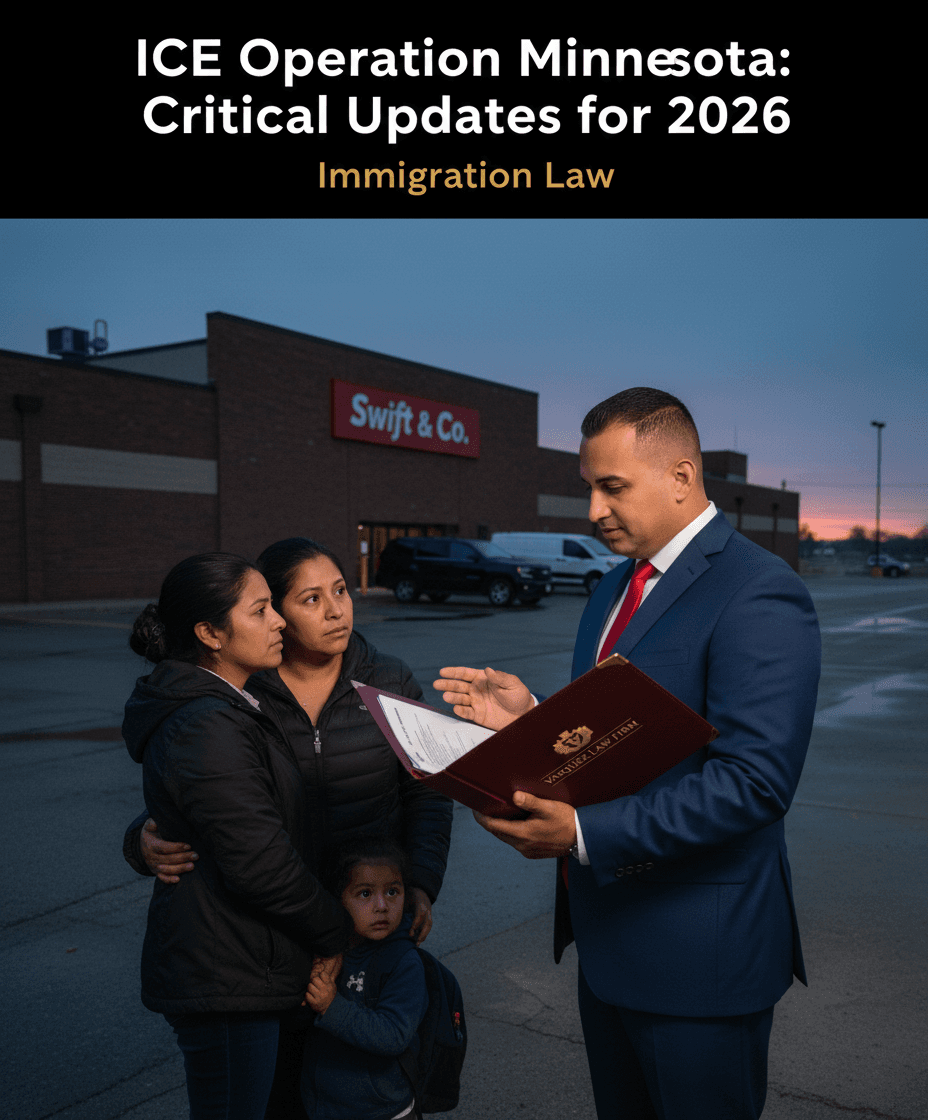
In response to ICE operations, many communities in Minnesota, including Minneapolis, have seen robust advocacy and protest movements. These efforts aim to support affected individuals, raise public awareness, and push for policy changes that protect immigrant rights. Local organizations often provide rapid response networks, legal clinics, and educational workshops to inform residents of their rights and offer assistance. The Minneapolis ICE protests, for example, have highlighted the strong community desire to protect vulnerable populations and challenge federal enforcement tactics.
Advocacy groups also work to influence local and state policies, sometimes pushing for 'sanctuary city' or 'welcoming city' designations, which limit local law enforcement cooperation with federal immigration authorities. While these policies do not prevent ICE from operating, they can create a more supportive environment for immigrant residents. Understanding the local context and the available community resources is a critical part of navigating the challenges posed by ICE enforcement activities in Minnesota.
Navigating Detention and Deportation in 2026
If you or a loved one is detained during an ICE operation Minnesota, the process can be overwhelming and confusing. Detained individuals are typically held in immigration detention facilities while their cases proceed through the immigration court system. The Executive Office for Immigration Review (EOIR) oversees these courts, where immigration judges determine whether an individual is removable from the U.S. or eligible for relief from removal. This process is entirely separate from the criminal justice system, though criminal convictions can significantly impact immigration outcomes.
In 2026, the detention and deportation landscape remains complex, with evolving policies regarding bond eligibility, asylum claims, and other forms of relief. It is crucial to act quickly if someone is detained. An attorney can help determine if bond is possible, prepare a defense against deportation, and explore all available legal options, such as asylum, cancellation of removal, or adjustment of status. Without legal representation, individuals face a significantly higher risk of deportation. For more information on what to do if you or a loved one are detained, refer to our resources on immigrant detentions and your rights.
Steps to Take After Detention:
- Locate the Detainee: Use the ICE Online Detainee Locator System to find out where the individual is being held.
- Contact an Attorney Immediately: This is the most critical step. An immigration lawyer can advise on legal rights and options.
- Gather Information: Collect all possible details about the detention, including the date, time, location, and any documents provided by ICE.
- Prepare for Immigration Court: Work with your attorney to prepare for hearings, which may include gathering evidence and identifying witnesses.
- Explore Relief Options: Your attorney will assess eligibility for various forms of relief, such as asylum, withholding of removal, or adjustment of status.
The Vasquez Law Firm has extensive experience in immigration defense, helping clients in Charlotte and across North Carolina and Florida challenge detentions and fight deportation orders. We understand the urgency and sensitivity of these situations and are prepared to provide aggressive legal advocacy.
Legal Guidance and Support for ICE Operations
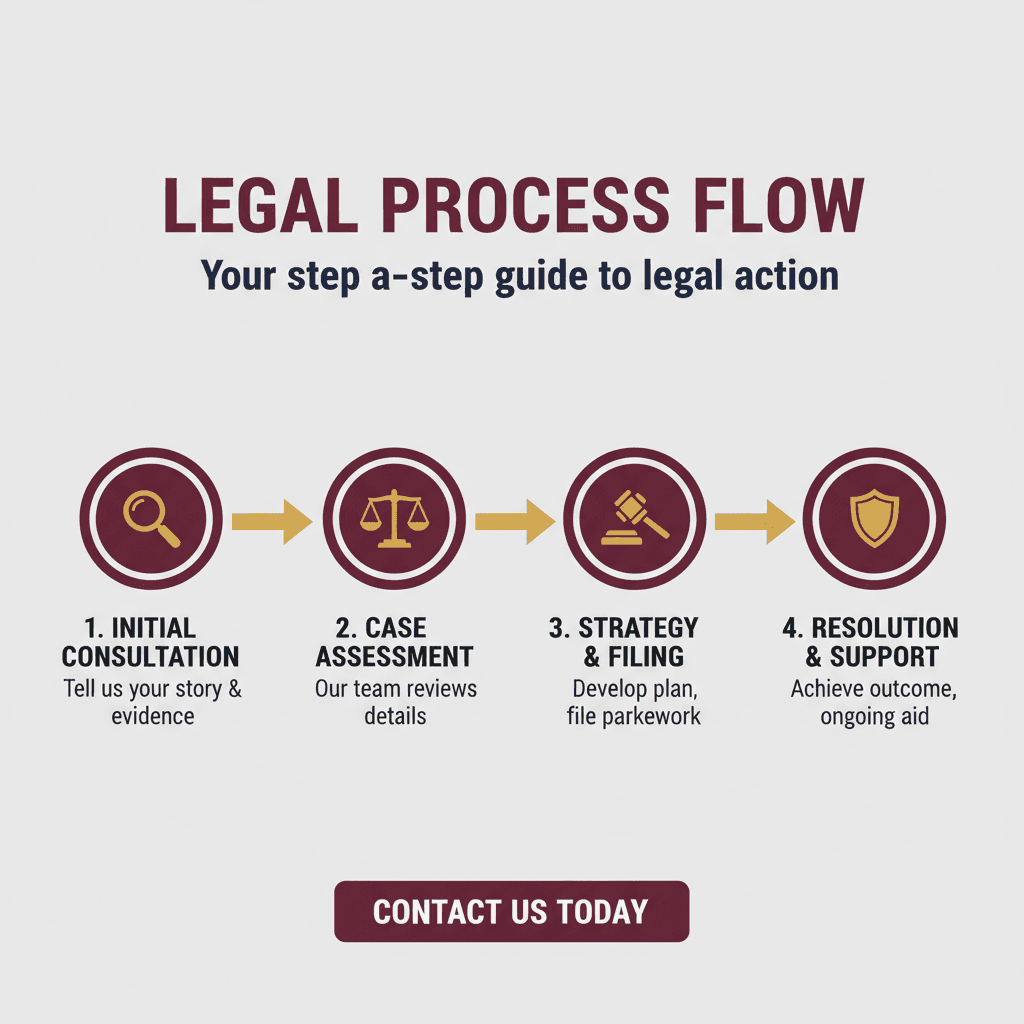
Navigating the complexities of an ICE operation Minnesota requires skilled legal guidance. An experienced immigration attorney can provide invaluable support, from advising you on your rights during an encounter to representing you in immigration court. The legal landscape surrounding immigration enforcement is constantly shifting, with new policies, court decisions, and administrative directives emerging regularly. Attempting to navigate this system alone can lead to critical errors that jeopardize your immigration status and future.
A lawyer can help you understand the specific charges against you, identify potential defenses, and prepare compelling arguments for relief from removal. This might involve demonstrating eligibility for asylum, U visas, VAWA petitions, or other forms of legal protection. Furthermore, an attorney can assist with filing necessary paperwork, meeting deadlines, and communicating with immigration authorities on your behalf, reducing the stress and uncertainty associated with these proceedings. Vasquez Law Firm attorneys are well-versed in federal immigration law and are committed to protecting the rights of immigrants throughout North Carolina, Florida, and nationwide.
How an Immigration Lawyer Can Help:
- Emergency Response: Provide immediate advice and assistance if you or a family member are detained.
- "Know Your Rights" Education: Inform you and your community about constitutional and immigration rights.
- Detention and Bond Hearings: Represent you in court to seek release from detention.
- Deportation Defense: Develop a strong legal strategy to fight removal proceedings, exploring all available avenues for relief, as outlined in 8 U.S.C. § 1255 regarding adjustment of status.
- Family Preparedness Planning: Help families create plans in case of detention or deportation to ensure children and assets are protected.
- Appeals: File appeals with the Board of Immigration Appeals (BIA) or federal courts if an unfavorable decision is rendered, consistent with 8 C.F.R. § 245.1.
Don't face your legal challenges alone. Our team is here to help you every step of the way.
Call today: 1-844-967-3536 | Se Habla Español
About Vasquez Law Firm
At Vasquez Law Firm, we combine compassion with aggressive representation. Our motto "Yo Peleo" (I Fight) reflects our commitment to standing up for your rights. We understand the fear and uncertainty that immigration enforcement actions like an ICE operation Minnesota can bring to families and communities. That's why we dedicate ourselves to providing robust legal defense and clear guidance.
- Bilingual Support: Se Habla Español - our team is fully bilingual, ensuring clear communication and understanding.
- Service Areas: We proudly serve clients throughout North Carolina, including Charlotte, and Florida, offering nationwide immigration services.
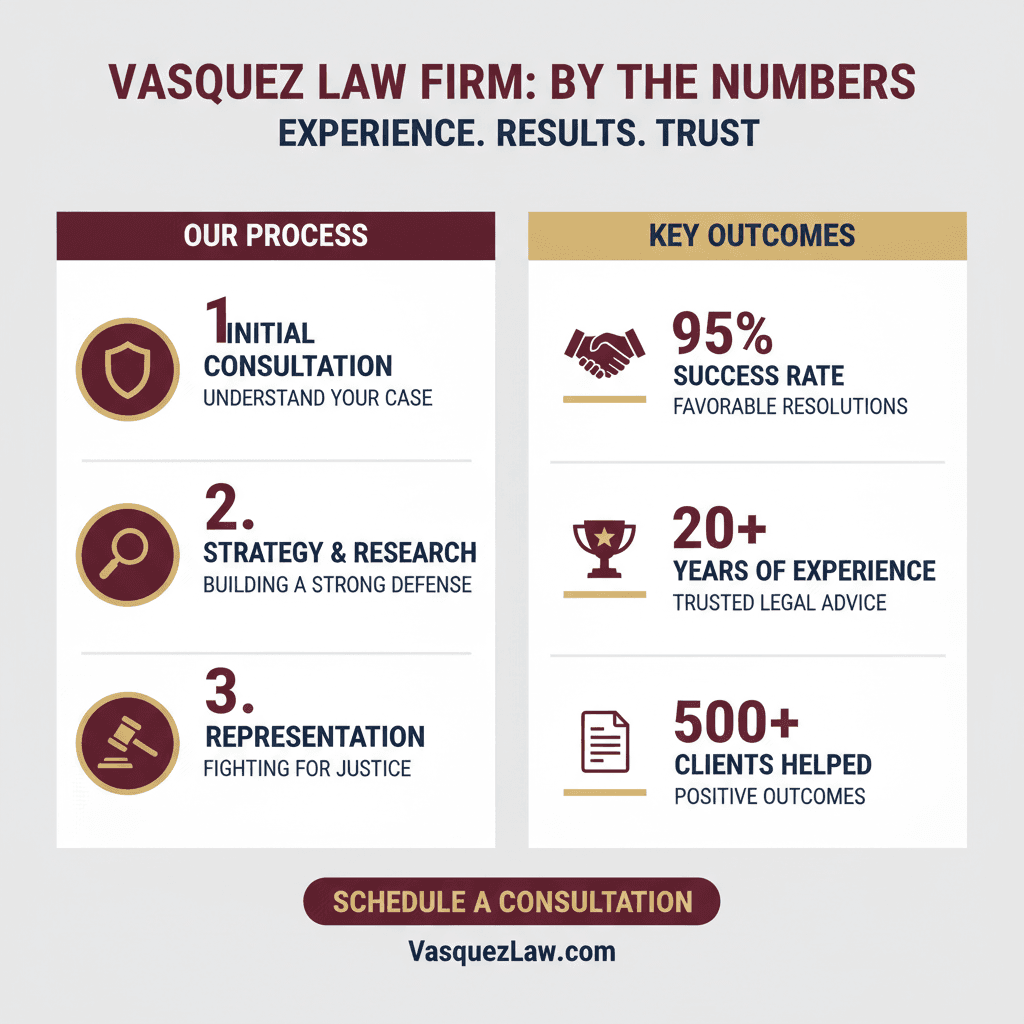
- Experience: With over 15 years of dedicated legal experience, our firm has a proven track record of helping clients navigate complex legal matters.
- Results: We have achieved thousands of successful outcomes across various practice areas, always prioritizing our clients' best interests.
Attorney Trust and Experience
Attorney Vasquez holds a Juris Doctor degree and is admitted to practice in both the North Carolina State Bar and Florida Bar. With over 15 years of dedicated legal experience, he has built a reputation for providing personalized attention and achieving favorable outcomes for his clients. He leads a team that is not only knowledgeable but also deeply committed to fighting for justice for every individual and family we represent, whether in Charlotte or across the country.
Frequently Asked Questions About ICE Operations in Minnesota
What is the current status of ICE operations in Minnesota in 2026?
As of 2026, ICE continues to conduct enforcement operations in Minnesota, focusing primarily on individuals with criminal records or those with outstanding deportation orders. While specific large-scale 'surges' may be reported periodically, the agency maintains a consistent presence. The scope of these operations is influenced by federal priorities and local community engagement, emphasizing targeted enforcement over broad raids.
What should I do if ICE agents come to my home in Minnesota?
If ICE agents come to your home, do not open the door unless they present a warrant signed by a judge. An administrative warrant (Form I-200 or I-205) is not sufficient for forced entry. You have the right to remain silent and to speak with an attorney. Ask them to slide any documents under the door and contact an immigration lawyer immediately.
Can ICE conduct raids in Minneapolis specifically?
Yes, ICE can conduct operations anywhere within the United States, including Minneapolis. While local policies in some cities may limit cooperation between local law enforcement and ICE, federal agents are not restricted from conducting their own enforcement actions. Minneapolis has seen both targeted arrests and community protests in response to ICE activity.
What is the difference between a judicial warrant and an administrative warrant?
A judicial warrant is issued by a federal judge and generally grants law enforcement permission to enter a property or conduct a search. An administrative warrant, such as ICE Forms I-200 or I-205, is issued by an immigration officer and only authorizes an arrest, not entry into a home without consent. You are not required to open your door for an administrative warrant.
What happens if I am detained by ICE during an operation?
If detained, you will likely be taken to an immigration detention facility. You have the right to remain silent and to contact an attorney. An attorney can help locate you, assess your eligibility for bond, and represent you in immigration court proceedings to fight deportation. It is critical to seek legal counsel as soon as possible.
Are there local resources available in Minnesota for those affected by ICE operations?
Yes, numerous community organizations and legal aid groups in Minnesota offer support, legal assistance, and "Know Your Rights" workshops for immigrants affected by ICE operations. These groups often provide rapid response networks and help connect individuals with legal representation. It is advisable to research local resources in your specific area.
Can ICE target individuals without criminal records?
While ICE prioritizes individuals with criminal records, they can legally target and apprehend anyone who is present in the U.S. without authorization or who has violated immigration laws. This includes individuals with final orders of removal, even if they have no criminal history. Therefore, understanding your rights is crucial for all non-citizens.
How can an immigration attorney help with an ICE operation Minnesota case?
An immigration attorney can provide vital assistance by advising on your rights, representing you in bond hearings, defending against deportation in immigration court, and exploring all available forms of relief. They can also help with family preparedness planning and appealing unfavorable decisions. Their expertise is essential for navigating the complex federal immigration system.
What should I tell my family or friends if I am detained by ICE?
If detained, try to remember the name and badge number of the arresting officer, the agency, and the location. Inform your family or friends to immediately contact an immigration attorney and provide them with all available details. Do not sign any documents without legal review, and assert your right to remain silent.
Does Minnesota have 'sanctuary city' policies that affect ICE operations?
Some cities in Minnesota, including Minneapolis, have adopted policies that limit local law enforcement's cooperation with federal immigration authorities. While these policies can provide some protection by reducing local involvement in ICE arrests, they do not prevent ICE from conducting its own independent operations within those jurisdictions. The effect of these policies can be complex and varies by specific local ordinances.
Sources and References
- U.S. Citizenship and Immigration Services (USCIS)
- Executive Office for Immigration Review (EOIR)
- U.S. Department of State
Ready to take the next step? Contact Vasquez Law Firm today for a free, confidential consultation. We're committed to fighting for your rights and achieving the best possible outcome for your case.
Start Your Free Consultation Now
Call us: 1-844-967-3536
Se Habla Español - Estamos aquí para ayudarle.


William Vasquez
Founder & CEO, Vasquez Law Firm, PLLC
William Vasquez is the founder and CEO of Vasquez Law Firm, PLLC, a results-driven firm specializing in immigration, criminal defense, personal injury, and workers' compensation. A U.S. Air Force veteran and recipient of the Joint Service Achievement Medal, William is dedicated to fiercely fighting for his clients' rights.
Related Legal Services
Need legal help? Learn more about immigration lawyers in North Carolina, or contact us for a free evaluation.
You can also visit NC immigration legal help for more information.