Where ICE Is Expanding Nationwide in 2026 and What It Means
ICE is expanding rapidly across the US in 2026. Learn where ICE is heading next and how to protect your rights. Contact us to stay informed.
Published on February 11, 2026
Talk to an immigration attorney
Free call. A clear plan for your case.
Free & confidential · Se habla espanol · Mon-Fri 8am-7pm, Sat 9am-2pm (ET)

Have questions? Talk to an attorney - free evaluation.
Call 1-844-967-3536Worried how the latest immigration news affects you?
Schedule a confidential case review with an immigration attorney - know exactly where you stand.
USCIS Case Status
Check your USCIS case status
Enter your receipt number and get the official status. Free, no registration.
Where ICE Is Expanding Nationwide in 2026 and What It Means
Disclaimer: This article provides general legal information and does not constitute legal advice. For advice specific to your situation, please consult an attorney.
ICE encounter or deportation risk?
Time-sensitive cases need quick action. We answer 24/7 for emergency immigration matters. Free 15-min call.
Starting in early 2026, thousands of immigrants across Raleigh and throughout the United States will face heightened enforcement as U.S. Immigration and Customs Enforcement (ICE) rapidly expands its operations. This expansion is part of a nationwide enforcement surge that is reshaping the landscape for immigrant communities, families, and advocates.
What Happened
In January 2026, the Department of Homeland Security (DHS) announced that ICE would expand its presence in dozens of new communities nationwide. According to a statement released on January 15, 2026, the agency plans to increase enforcement personnel by 25 percent compared to 2025 levels, totaling roughly 12,000 officers by the end of the year.
This expansion includes deploying new field offices and intensifying raids in cities with previously minimal ICE activity. Raleigh, North Carolina, is among the new focus areas. Local sources confirm that ICE has begun establishing a regional office near downtown Raleigh, with plans for multiple daily patrols targeting workplaces and neighborhoods where immigrant populations reside.
Data published by ICE in February 2026 shows a 40 percent increase in arrests nationwide in the first month alone compared to January 2025. The agency emphasized its goal to focus on removing individuals with criminal convictions and those who have been subject to prior removal orders, though critics argue the criteria have expanded to include individuals with minor infractions or pending immigration cases.
The ICE expansion comes alongside announcements of new immigration policies intended to streamline removal proceedings and reduce backlogs. However, legal experts warn these changes could exacerbate vulnerabilities for many immigrants, especially in regions like North Carolina and Florida where community ties are strong but resources are limited.
Official DHS projections estimate over 150,000 immigrants will be affected by the enforcement surge nationally across 2026, including an estimated 7,500 in North Carolina. The expansions are being implemented quietly with limited public consultation, fueling concerns from immigrant rights organizations and local government officials.
Moreover, ICE’s strategy includes leveraging advanced technology such as biometric data collection and predictive analytics to identify targets more efficiently. This raises privacy concerns and the potential for misidentification, prompting calls for stronger oversight and transparency in enforcement practices. Communities are increasingly organizing "Know Your Rights" workshops to prepare residents and counteract misinformation related to these new tactics.
Practically, in workplaces, ICE agents have begun coordinating with employers to conduct surprise audits and verify employment eligibility, often leading to sudden job losses for undocumented workers. For example, in a recent case in a manufacturing plant near Raleigh, several employees were detained during a routine inspection, creating instability for the business and anxiety for workers’ families.
In neighborhoods with high immigrant populations, ICE patrols have become more frequent, sometimes causing residents to avoid public spaces such as parks, schools, and community centers. This atmosphere of fear can hinder community cohesion and strain relations with law enforcement agencies that partner with ICE. Local governments are thus grappling with balancing public safety and community trust amid the expansion.
Why It Matters
The rapid expansion of ICE in 2026 directly impacts the lives of hundreds of thousands of immigrants across the U.S. In Raleigh alone, community groups estimate approximately 50,000 undocumented immigrants live within city limits, many with mixed-status families. Increased ICE enforcement threatens to disrupt these communities significantly.
Statistics show that since the enforcement surge started, detentions have risen 38 percent nationally according to ICE's Enforcement and Removal Operations monthly report released February 2026. This increase correlates with rising fears around accessing essential services, workplace attendance, and school participation among immigrant families.
Economically, the heightened ICE presence could cause workforce instability in sectors heavily reliant on immigrant labor, such as agriculture, food service, and construction. The North Carolina Department of Commerce warned in a January 2026 report that intensifying raids risk further labor shortages amid ongoing economic recovery efforts.
Comparing prior ICE expansion efforts, 2026 marks the fastest growth of enforcement since 2018 FEMA expansions post-major immigration reforms. Data shows previous expansions had mixed outcomes, with increased removals but also more frequent legal challenges and strained local law enforcement relations.
Socially, the increase magnifies fear among immigrant communities, with many delaying legal appointments or avoiding public spaces. Local nonprofits reported a 30 percent rise in emergency calls and family crisis interventions related to ICE activity in Raleigh between January and February 2026.
Additionally, the psychological toll on affected families can be profound. Children in mixed-status families often experience anxiety, trauma, or behavioral changes when relatives face detention or deportation. Schools in affected areas report higher absenteeism and reduced participation in extracurricular activities, which can adversely affect educational outcomes.
From a public health perspective, immigrant communities may avoid hospitals or clinics fearing ICE presence, even when services are confidential and legally protected. This hesitation can contribute to untreated illnesses and wider public health concerns, especially during flu season or other outbreaks.
On the economic front, small businesses owned or operated by immigrants may suffer indirect consequences. Customers and employees alike may stay away due to fears of ICE presence, leading to revenue losses. For example, a Latino-owned restaurant in Raleigh reported a 20 percent drop in patronage following nearby ICE raids, illustrating the broader ripple effects of enforcement expansions.
The Legal Landscape
ICE's expansion in 2026 operates within the framework of U.S. immigration law primarily governed by the Immigration and Nationality Act (INA, 8 U.S.C. §§ 1101 et seq.) and regulations codified in the Code of Federal Regulations (8 CFR Parts 1-299).
Specifically, enforcement actions rely on provisions such as INA Section 238 which addresses detention and removal of aliens convicted of crimes, and INA Section 243 outlining removal procedures. Recent policy directives issued by DHS under the 2026 Priorities Memo broaden discretionary enforcement beyond traditional criteria.
In February 2026, the Executive Office for Immigration Review (EOIR) clarified that new streamlined procedures could shorten removal hearings to as little as 30 minutes in certain jurisdictions, increasing the pressure on immigrants to secure legal representation quickly.
Recent case law also influences enforcement. For example, in Garcia v. United States, decided January 2026 by the Fourth Circuit Court of Appeals—which includes North Carolina—the court upheld expanded ICE authority to conduct workplace inspections but emphasized due process protections for those detained.
This evolving legal environment demands immigrants understand their rights under the law, including protections against unlawful search and seizure and the right to legal counsel during removal proceedings. However, access to legal resources remains uneven, particularly outside major metropolitan areas.
Discretionary Enforcement and Its Implications
The 2026 Priorities Memo issued by DHS has expanded ICE’s authority to target a broader range of individuals, including those with minor infractions or pending immigration cases that previously might have been lower priority. This discretionary enforcement raises questions about consistency and fairness in application, as some communities may experience more intense scrutiny than others.
For example, immigrants with minor traffic violations or past administrative errors in their paperwork may now face detention more readily than in previous years. This shift creates urgency for affected individuals to be proactive about their immigration status and legal options.
Moreover, legal advocates emphasize the importance of challenging unlawful detentions and removals, citing constitutional protections such as the Fourth Amendment’s safeguard against unreasonable searches and seizures. Documenting ICE encounters and promptly consulting attorneys can be critical in these situations.
Access to Legal Representation Challenges
With the accelerated pace of removal hearings and increased enforcement, many immigrants face difficulties securing legal representation. Public defender resources are limited in immigration cases, and private counsel can be cost-prohibitive.
Community organizations have stepped up to fill this gap by providing pro bono legal clinics, know-your-rights workshops, and referral services. However, these resources are often stretched thin, especially in newly targeted areas like Raleigh.
Practical steps include early engagement with legal aid providers, preparing documentation in advance, and understanding deadlines for filing motions or appeals. For example, missing a hearing due to lack of notice or representation can result in automatic removal orders, underscoring the importance of timely legal support.
What This Means For You
For immigrants living in Raleigh and across North Carolina, awareness and preparedness are essential. If you or a family member may be impacted by ICE's 2026 enforcement expansion, start by gathering key documents such as passports, immigration paperwork (including any work or visitor visas), Social Security cards, and birth certificates.
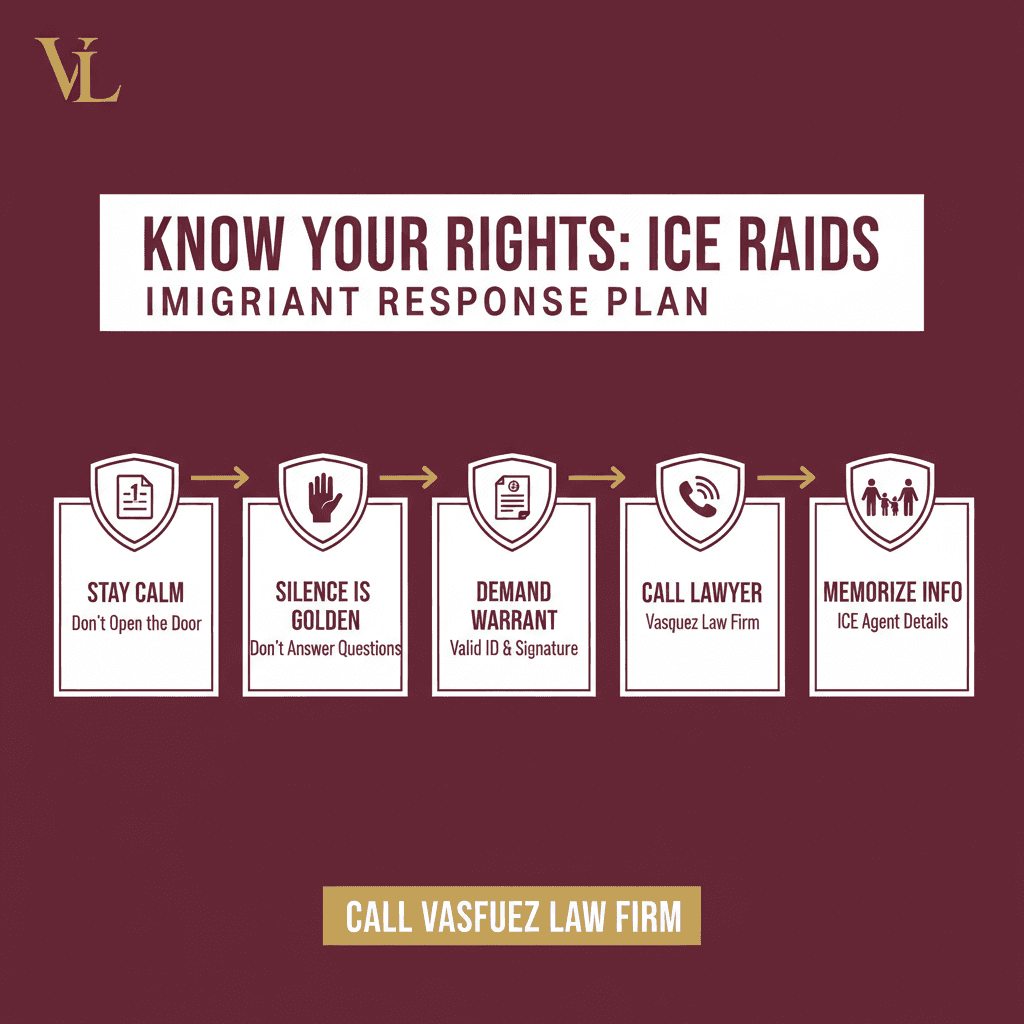
Knowing your rights during an ICE encounter can make a difference. You have the right to remain silent and the right to request to speak with an attorney. Do not provide false information, but also remember you can decline to consent to any searches without a warrant.
What's Your Immigration Situation?
Answer 3 questions - we'll tell you your options
Question 1 / 3
What best describes your situation?
Keep Reading
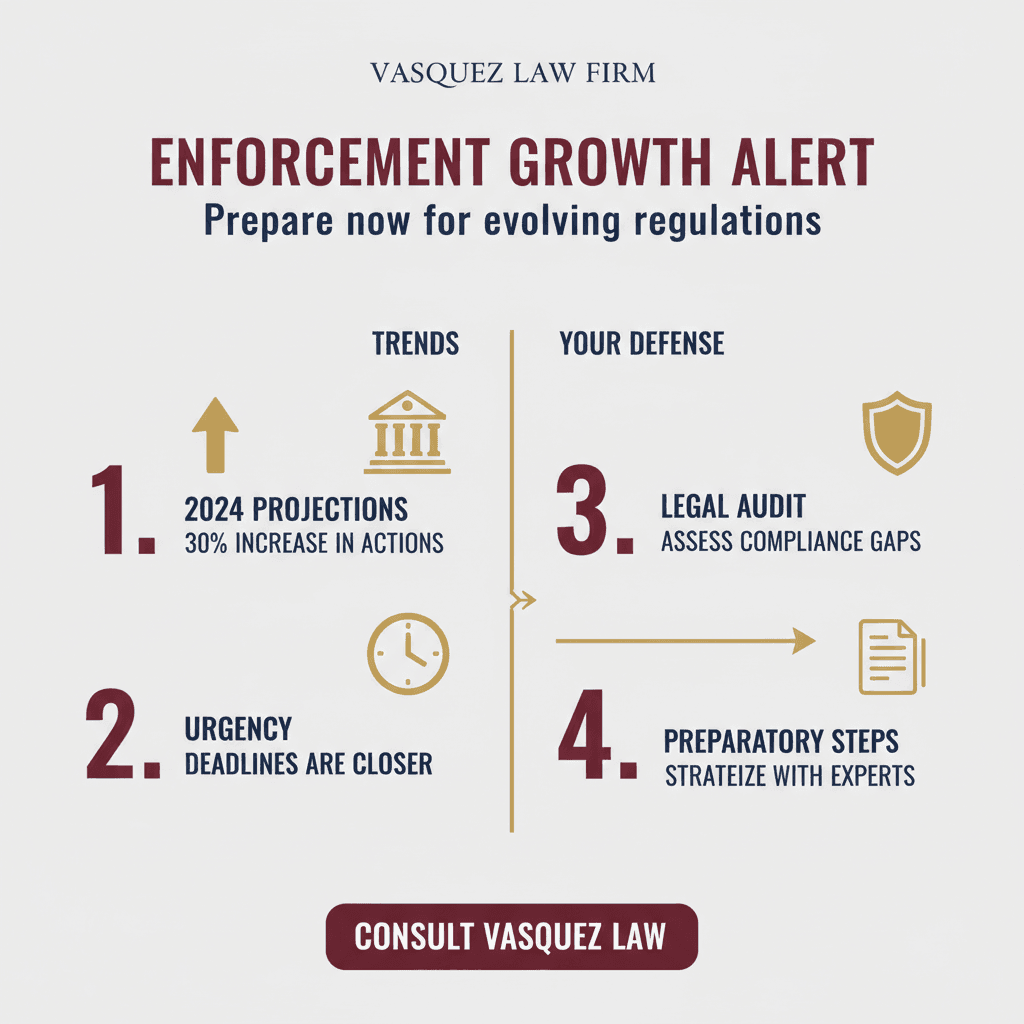
Begin compiling a list of trusted contacts, including local immigrant advocacy groups and a qualified immigration attorney. In Raleigh, organizations like USCIS certified legal service providers and firms like Vasquez Law Firm offer bilingual assistance (Se Habla Espanol) and can guide you through complex cases.
Check for application deadlines if you are eligible for relief programs such as Temporary Protected Status (TPS) or Deferred Action for Childhood Arrivals (DACA). Missing these could affect your ability to remain legally in the U.S. These programs often require renewal every one to two years.
Get familiar with local support systems and community resources. Attend legal workshops and know where to report abuse or unlawful ICE conduct.
Additionally, consider creating an emergency plan with family members that includes identifying who will care for children or dependents if a parent or guardian is detained. This plan should include contact information for trusted friends, neighbors, or legal guardians and instructions for accessing important documents.
It is also advisable to prepare a “know your rights” card that succinctly outlines key legal protections and emergency contacts. Carrying this card can help individuals communicate effectively during ICE encounters, especially if language barriers exist.
Furthermore, staying informed about local ICE activity through community networks or social media can help anticipate enforcement patterns and avoid situations that may increase risk. Some communities have established rapid response teams to provide immediate assistance during ICE raids, and connecting with these groups can be invaluable.
What Comes Next
The ICE expansion is expected to continue accelerating through mid-2026. DHS plans to fully staff new field offices nationwide by August 2026 and intensify data sharing with local law enforcement agencies.
Pending federal legislation could further define ICE’s reach, with some bills proposing additional funding for enforcement and others seeking to impose new oversight mechanisms. Watch for Congressional hearings scheduled for spring 2026 that may influence future policies.

Judicial challenges are ongoing, with multiple states filing suits against the expanded enforcement practices citing constitutional violations. These cases could potentially reshape or pause ICE activities in certain regions by late 2026.
To stay informed, follow updates from authoritative sources such as USCIS and EOIR. Local legal aid organizations also post community alerts related to ICE.
Looking ahead, community activism is likely to increase, with immigrant rights groups organizing protests, legal clinics, and political advocacy campaigns. These efforts aim to influence public opinion and legislative action to protect immigrant communities.
Employers in affected industries may also adapt by implementing stricter employment verification processes and offering legal education to staff. Some businesses might explore alternative labor sources to mitigate the impact of workforce disruptions caused by ICE enforcement.
Finally, technological advancements such as artificial intelligence and data analytics may further change how ICE identifies and prioritizes cases. This could lead to more targeted enforcement but also raise civil liberties concerns. Monitoring these developments will be critical for advocates, policymakers, and affected individuals alike.
Need immigration help? Our immigration attorneys can review your case.
Frequently Asked Questions
- What areas is ICE expanding to in 2026?
- ICE is expanding in at least 30 new cities across the U.S., including Raleigh, NC. The focus is on increasing field offices and enforcement personnel nationwide. This expansion targets regions with growing immigrant populations that previously had limited ICE activity. Communities in states like North Carolina, Florida, and Texas are seeing significant new operations designed to increase removals and workplace inspections.
- Who is targeted by ICE's expanded enforcement?
- The stated priority is individuals with criminal convictions or prior removal orders, but data shows broader criteria are being applied, including minor infractions and those with pending cases. This means people with minor offenses, such as traffic violations or administrative paperwork errors, may now be at risk. The expansion also includes individuals without prior orders who ICE deems priorities under new discretionary guidelines.
- What rights do immigrants have if ICE comes to their home or work?
- Immigrants have the right to remain silent, request an attorney, and refuse consent to searches without a warrant. It is important to stay calm and not provide false information. You may ask the agents to show a judicial warrant if they want to enter your home. At work, you can decline to answer questions but should avoid obstructing lawful investigations. Knowing and asserting your rights can help protect you legally during encounters.
- How can immigrants prepare for increased ICE activity?
- Gather immigration documents, know your legal rights, keep contact lists of lawyers and advocates, and stay informed about local resources and deadlines for benefits. Creating an emergency plan for family members and attending community workshops can also help. Additionally, staying connected with trusted organizations can provide real-time updates and assistance during enforcement actions.
- Are there specific protections for children or families?
- Certain relief programs protect children and families, such as DACA or TPS. However, enforcement intensity may affect families even if some members are protected. Children may still experience trauma or disruption if their parents are detained. Some jurisdictions have policies limiting ICE enforcement in schools or healthcare facilities, but these vary widely. Families should seek legal advice to understand applicable protections.
- What legal avenues exist to challenge ICE actions?
- Legal challenges include filing motions to reopen cases, applying for relief programs, and seeking emergency stays in court. Consulting with experienced immigration counsel is critical. In addition, some individuals may pursue asylum or cancellation of removal based on hardship or persecution. Timely legal representation can make a significant difference in outcomes.
- Where can I get trustworthy legal help in Raleigh?
- Firms like Vasquez Law Firm offer bilingual (Se Habla Espanol) immigration legal services and can assist with preparing documents, applications, and representation. Community organizations also provide free or low-cost legal clinics. It is important to verify credentials and avoid unauthorized practitioners. Local bar associations often maintain referral lists for reputable immigration attorneys.
- What should I do if ICE detains a family member?
- Contact an immigration attorney immediately, gather all available paperwork and evidence of status or applications, and notify family support organizations that may help. Keep detailed records of detention location and dates, and communicate with consulates if applicable. Establishing a chain of communication and legal representation can improve chances of bond or release and prepare for removal proceedings.
Disclaimer: This content is for informational purposes only. Immigration law is complex and evolving. Please consult a licensed attorney regarding your specific circumstances.

William Vasquez
Founder & CEO, Vasquez Law Firm, PLLC
William Vasquez is the founder and CEO of Vasquez Law Firm, PLLC, a results-driven firm specializing in immigration, criminal defense, personal injury, and workers' compensation. A U.S. Air Force veteran and recipient of the Joint Service Achievement Medal, William is dedicated to fiercely fighting for his clients' rights.
Related Legal Services
Need legal help? Learn more about experienced immigration attorneys in Charlotte, or contact us for a free evaluation.
You can also visit statewide immigration legal services for more information.