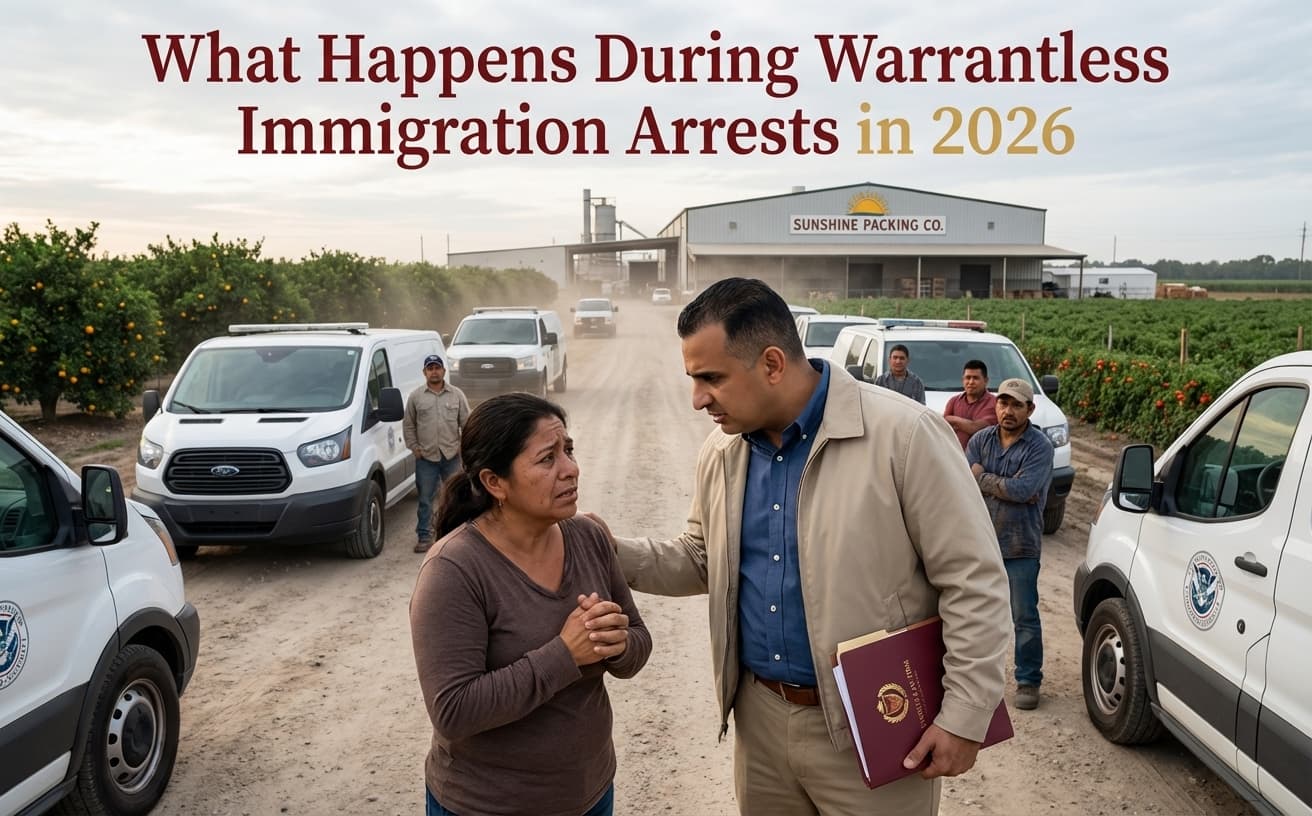
What Happens With ICE Detentions in Charlotte NC in 2026
Learn how ICE detentions work in Charlotte NC in 2026. Protect your rights with Vasquez Law Firm. Contact us for a free consultation today.
Published on March 19, 2026
Talk to an immigration attorney
Free call. A clear plan for your case.
Free & confidential · Se habla espanol · 24/7

Have questions? Talk to an attorney - free evaluation.
Call 1-844-967-3536Worried how the latest immigration news affects you?
Schedule a confidential case review with an immigration attorney - know exactly where you stand.
USCIS Case Status
Check your USCIS case status
Enter your receipt number and get the official status. Free, no registration.
What Happens With ICE Detentions in Charlotte NC in 2026
ICE detentions affect thousands of immigrants in Charlotte, NC every year. Understanding how ICE detains individuals, what legal rights you have, and the options available can help protect you and your family. In 2026, ICE policies and local practices continue to evolve. This article offers clear steps, common mistakes to avoid, timelines, and advice if you or a loved one faces ICE detention. Vasquez Law Firm provides bilingual support with compassionate, experienced immigration representation to fight for your rights.
Need help with your case? Our experienced attorneys are ready to fight for you. Se Habla Español.
Schedule Your Free Case Evaluation
Or call us now: 1-844-967-3536
Quick Answer
ICE detentions involve the holding of individuals suspected of immigration violations. In Charlotte NC, detainees have rights including access to legal counsel and bond hearings. Detention times vary. Immediate legal help can protect your rights and improve outcomes.
- ICE detains non-citizens under federal law
- Detainees can request bond hearings
- Legal representation is vital
- Detention centers have specific locations
- Release options depend on case details
Understanding ICE Detentions
Imagine John, a Dreamer living in Charlotte, picked up at a routine traffic stop and transferred to ICE custody. ICE (Immigration and Customs Enforcement) detentions happen across North Carolina and Florida, including Charlotte. In 2026, ICE still enforces immigration laws nationwide but the rules and priorities have nuances.
ICE detains individuals suspected of violating immigration laws until their cases are adjudicated or they are released. Detention centers are spread across states, and they maintain an ICE inmate list accessible via the ICE Detainee Locator online. Knowing where someone is detained is essential for family and legal counsel.
Detentions may result from worksite raids, border apprehensions, or referrals from local law enforcement. Legal questions often arise: Are ICE detentions legal? What rights do detainees have? The answer lies in federal statutes, such as 8 U.S.C. § 1226, and regulations at 8 C.F.R. § 236, which govern apprehension and detention procedures. These laws set standards but allow discretion based on case facts.
What Is ICE and Why Detain People?
ICE is the federal agency responsible for immigration enforcement and investigations. Its goal is to identify non-citizens who violate immigration laws, including overstaying visas or entering unlawfully. Detaining such individuals serves to ensure they appear for court hearings or to facilitate removal if ordered. ICE detentions are administrative, not criminal arrests, though some detainees face criminal charges.
ICE Detention Center Locations Near Charlotte NC
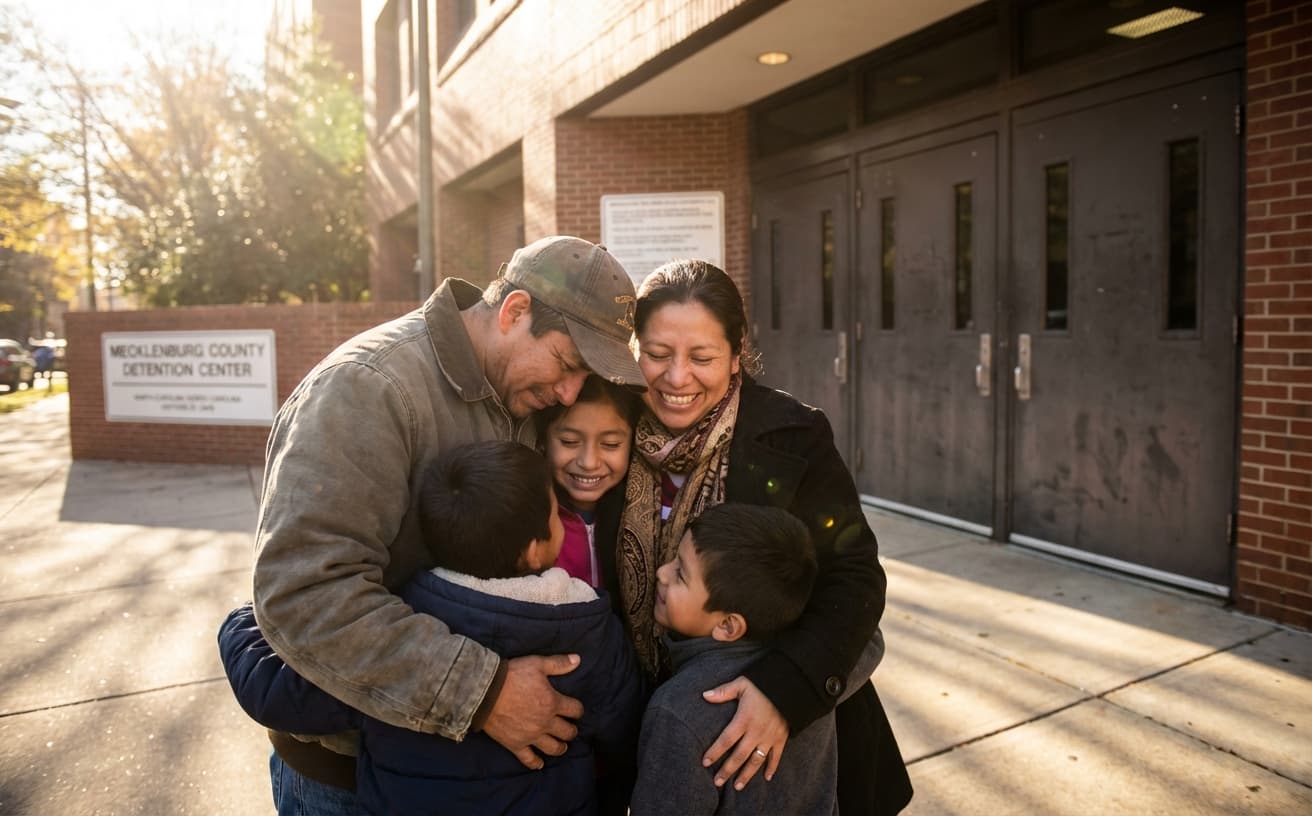
Charlotte does not have a large ICE detention center but detainees from this area are generally held at nearby facilities such as the Mecklenburg County Jail or regional immigration detention centers in North Carolina and South Carolina.
Understanding where detainees are held helps families maintain contact and coordinate legal representation. The ICE Detainee Locator tool can show current detention center locations and the ICE inmate list is updated regularly.
ICE Detention Statistics in 2026
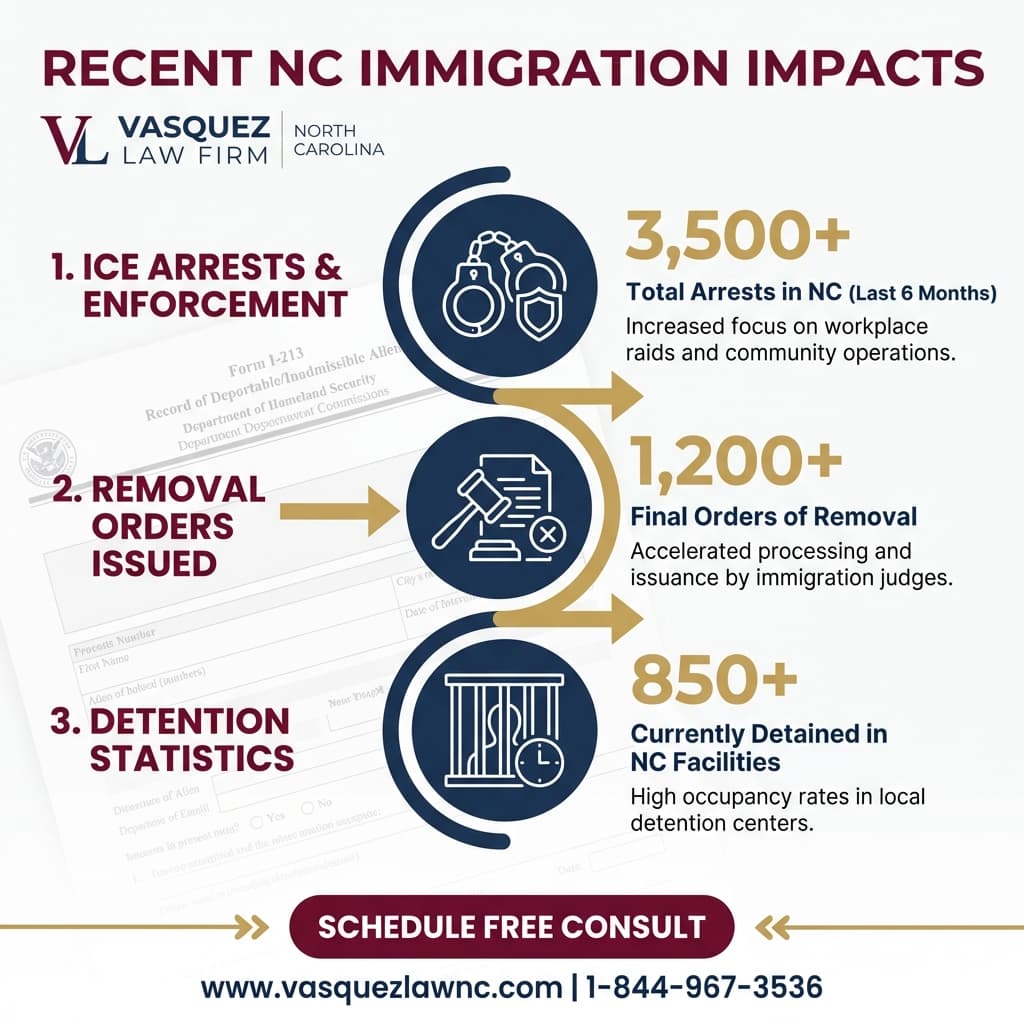
According to recent data, ICE detains tens of thousands of immigrants annually across the United States, with a significant number in North Carolina and Florida. Detention trends fluctuate based on enforcement priorities and local cooperation with ICE. Staying updated on ICE detention statistics can help families and advocates understand broader changes impacting local communities.
Step-by-Step: What to Do If Detained
When someone is detained by ICE in Charlotte, acting quickly can make a crucial difference. For example, Maria was detained after a border stop and was unsure what to do next.
- Remain calm and do not resist: ICE can be intimidating but staying composed is important to avoid escalating the situation.
- Request to speak with an attorney: You have the right to legal representation. Immediately ask to contact a lawyer.
- Provide accurate identification: Present any immigration documents or IDs you have but avoid volunteering unnecessary information.
- Contact family or trusted persons: Let someone know you have been detained and share the detention center location once known.
- Request bond hearing: This can sometimes lead to release while your case proceeds.
- Keep records of all interactions: Document names, dates, and any paperwork provided.
Early legal intervention, like contacting Vasquez Law Firm, ensures your rights are protected from the start.
Documents and Evidence Checklist
- Identification papers (passport, visa, Green Card, work permit)
- DACA or other immigration program documentation (if applicable)
- Proof of residence and community ties (bills, school records)
- Criminal records or court documents if any
- Contact information for your attorney and family members
- Any notices or paperwork received from ICE or immigration courts
- Medical records if health conditions are a concern during detention
Having these documents ready helps attorneys build your defense and request bond or other relief.
Timeline: What to Expect in ICE Detention
- Day 1-3: Processing and initial detention placement. ICE screens your documents and issues Form I-213 (Record of Deportable Alien).
- Week 1-2: Request and attend bond hearing if eligible.
- Month 1-3: Immigration court hearings begin. You may remain detained or be released on bond.
- Month 3-12: Court proceedings continue, possibly including appeals or motions to reopen cases.
- Beyond 1 year: Some cases extend longer, especially with complex issues or pending relief applications.
Timelines vary greatly by case complexity and local court scheduling.
Costs and Legal Fees
- Legal representation: Attorney fees vary by complexity, ranging from flat fees for bond hearings to hourly charges for full removal defense.
- Bond payments: Bonds can range between $1,500 and $10,000 depending on the case.
- Travel and communication costs: Visiting detained family members or communicating with attorneys can incur additional expenses.
- Document fees: Some applications and forms require filing fees.
Discuss fees openly with your attorney. Vasquez Law Firm offers free case evaluations to explain your options and costs.
Common Mistakes and How to Avoid Them
- Not requesting a lawyer immediately: Always ask for legal representation on day one.
- Volunteering information without counsel: Do not answer questions or sign documents without an attorney present.
- Failing to attend court hearings: Missing hearings can lead to automatic orders of removal.
- Ignoring bond hearing opportunities: Bond hearings can allow release pending proceedings.
- Losing contact with family and attorney: Keep communication channels open.
- Not keeping copies of documents: Maintain records of all ICE and court papers.
- Relying on misinformation: Get information only from trusted legal sources.
If you only remember one thing: Request a lawyer immediately and stick with them throughout your case.
Jurisdiction Notes for NC, FL, and Nationwide
North Carolina Notes
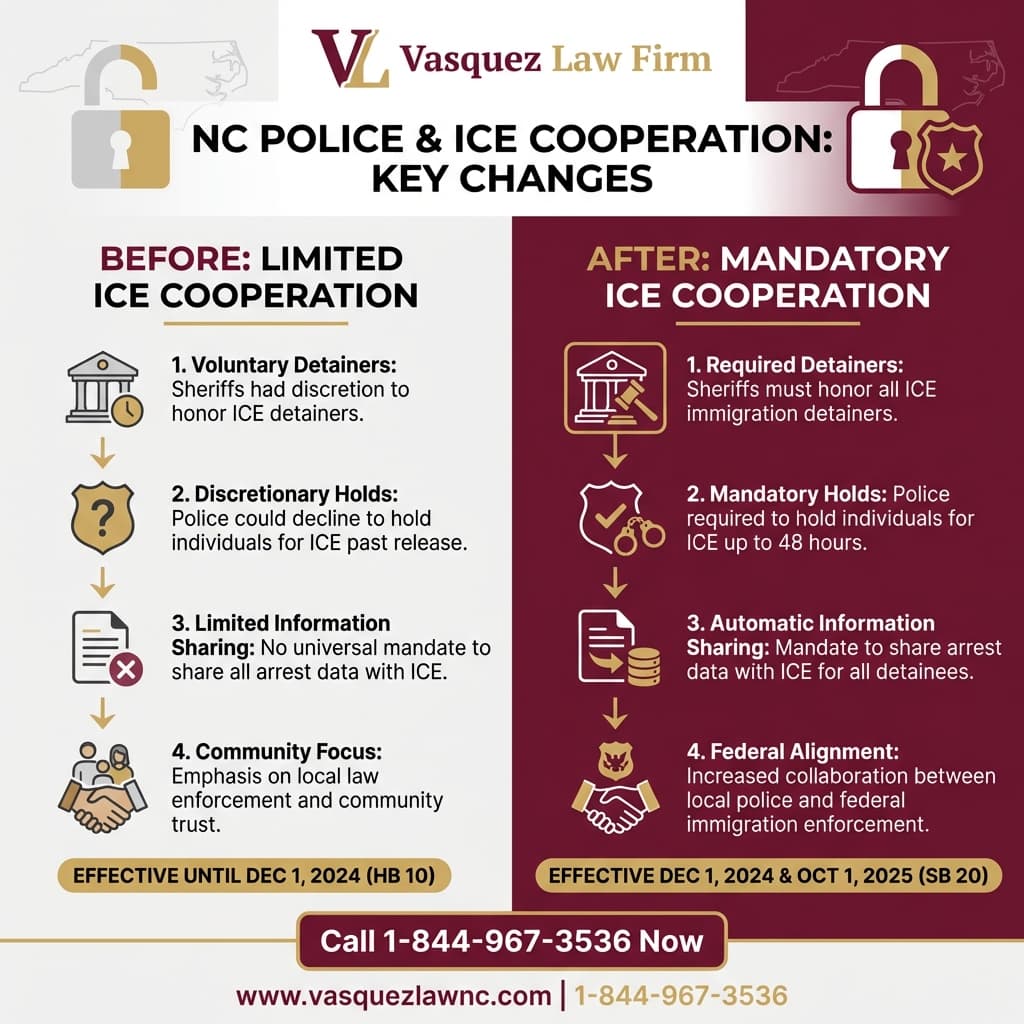
In North Carolina, ICE operates multiple detention sites and partners with local jails for custody. Local courts in Charlotte handle immigration bond hearings. The state has seen increased immigration enforcement actions near Fort Bragg, impacting many Dreamers and families.
Florida Notes
Florida hosts several large ICE detention centers, including in Miami and other cities. Florida law enforcement often cooperates with ICE, which can increase local detentions. Understanding your rights in Florida requires awareness of both federal enforcement and state policies.
Nationwide Concepts
ICE enforcement follows federal laws but can vary in enforcement priorities based on administration. Detention center locations, bond eligibility, and access to legal services differ by region. Nationwide efforts support detainee representation rights, but outcomes heavily depend on individual facts and local resources.
When to Call a Lawyer Now
- You or a loved one has been taken into ICE custody.
- ICE agents arrive at your home or workplace.
- You receive a Notice to Appear or immigration court summons.
- You face a bond hearing or other detention hearing.
- You fear deportation or have prior removal orders.
- You or a family member have criminal charges affecting immigration status.
- Detention time exceeds several weeks without court update.
- You need help understanding your rights and options under DACA or other programs.
About Vasquez Law Firm
At Vasquez Law Firm, we combine compassion with aggressive representation. Our motto "Yo Peleo" (I Fight) reflects our commitment to standing up for your rights.
- Bilingual Support: Se Habla Español - our team is fully bilingual
- Service Areas: North Carolina, Florida, and nationwide immigration services
- Experience: Over 15 years helping clients navigate complex legal matters
- Results: Thousands of successful cases across multiple practice areas
Attorney Trust and Experience
Attorney Vasquez holds a Juris Doctor degree and is admitted to practice in the North Carolina State Bar. With over 15 years of dedicated legal experience, he has built a reputation for providing personalized attention and achieving favorable outcomes for his clients.
Don't wait to get the help you deserve. Call us now for immediate assistance.
Se Habla Español
Frequently Asked Questions
Are ICE detentions legal?
ICE detentions are legal under federal immigration law when performed under authorized procedures. ICE detains non-citizens for enforcement such as suspected visa violations. Detentions must follow legal standards, and detainees have rights to counsel and hearings. If you believe a detention was unlawful, consult a lawyer immediately.
What does it mean to get detained by ICE?
Being detained by ICE means you are held in custody due to suspected immigration violations. Detention can happen during border crossings, raids, traffic stops, or referrals. The goal is to hold individuals until their immigration case or removal proceedings are resolved.
Can I sue ICE for detaining a US citizen?
Detaining a US citizen by mistake is a serious issue. You may sue ICE for unlawful detention if you prove your citizenship was ignored. Such cases require strong evidence and legal support since ICE is a government agency. Prompt legal advice is crucial.
How long will ICE detain you?
The length of ICE detention varies widely. Some detainees stay days, others remain months depending on case complexity, court schedules, and bond availability. ICE reviews cases regularly but there is no fixed maximum detention time under current law. Legal help can expedite release options.
What rights do detainees have in ICE custody?
Detainees have rights such as access to legal counsel, consular notification, medical care, and immigration court hearings. They can request bond hearings to seek release. Knowing these rights early is vital to the detainee's defense.
How can I find someone in ICE detention?
Use the ICE Detainee Locator on the official ICE website to find detained individuals. It provides current location and detainee information. Families and attorneys rely on this tool to stay connected and plan legal steps.
What are common mistakes during ICE detentions?
Common errors include not requesting legal counsel promptly, giving statements without lawyers, neglecting bond hearings, and losing contact with family. Avoiding these increases chances of better outcomes.
Can ICE detain Dreamers under DACA?
Despite DACA protections, ICE can detain Dreamers if criminal charges or serious violations exist. Legal counsel is essential to understand protections and next steps for Dreamers facing detention.
Sources and References
- U.S. Citizenship and Immigration Services (USCIS)
- Executive Office for Immigration Review
- ICE Detention Management
Facing immigration issues in Charlotte? Our Charlotte immigration lawyers can review your case.
Take the first step toward justice today. Our team is standing by to help.
Start Your Free Case Evaluation Now
Call us: 1-844-967-3536
Se Habla Español - Estamos aquí para ayudarle.

William Vasquez
Founder & CEO, Vasquez Law Firm, PLLC
William Vasquez is the founder and CEO of Vasquez Law Firm, PLLC, a results-driven firm specializing in immigration, criminal defense, personal injury, and workers' compensation. A U.S. Air Force veteran and recipient of the Joint Service Achievement Medal, William is dedicated to fiercely fighting for his clients' rights.
Related Legal Services
Need legal help? Learn more about our immigration legal services, or contact us for a free evaluation.
You can also visit our NC immigration team for more information.