Workers Compensation Scam: How to Protect Yourself in 2026
Learn how to recognize and report a workers compensation scam in 2026. Protect your rights with Vasquez Law Firm. Contact us for a free consultation.
Published on March 14, 2026
Hurt on the job?
Free review of your workers' comp claim.
Free & confidential · Se habla espanol · 24/7
Have questions? Talk to an attorney - free evaluation.
Call 1-844-967-3536Hurt on the Job? Claim What You Are Owed
A review of your workers' comp claim - we handle the fight.
Workers Compensation Scam: How to Protect Yourself in 2026
Workers compensation scams cause millions in lost benefits each year in Charlotte and across North Carolina. In 2026, understanding how these scams work can protect your rights and help you avoid costly mistakes. This guide explains common workers compensation scams, how employers and employees abuse the system, tactics used by investigators, and what steps to take if you suspect fraud. Learn the red flags employers watch for, how whistleblower laws apply, and when to call a workers compensation lawyer in Charlotte for help.
Need help with your case? Our experienced attorneys are ready to fight for you. Se Habla Español.
Schedule Your Free Case Evaluation
Or call us now: 1-844-967-3536
Quick Answer
Workers compensation scams occur when employees or employers misuse the system to claim benefits fraudulently. Common scams include faking injuries, hiding workplace injuries, and exaggerating claims. Reporting suspected scams protects your rights and helps maintain a fair system.
- Watch for inconsistent injury reports and suspicious medical records
- Employers may misclassify employees to pay lower premiums
- Employees might claim disability while working elsewhere
- Report fraud to your employer or the NC Industrial Commission
- Consult a workers compensation lawyer for legal guidance
What is a Workers Compensation Scam
Imagine an injured employee in Charlotte claiming they cannot work but secretly performing a side job. This is a common example of a workers compensation scam where the employee abuses benefits. On the other hand, some employers might lie about the nature or severity of injuries to avoid paying claims or lower their insurance premiums. Such dishonest actions undermine the entire system.
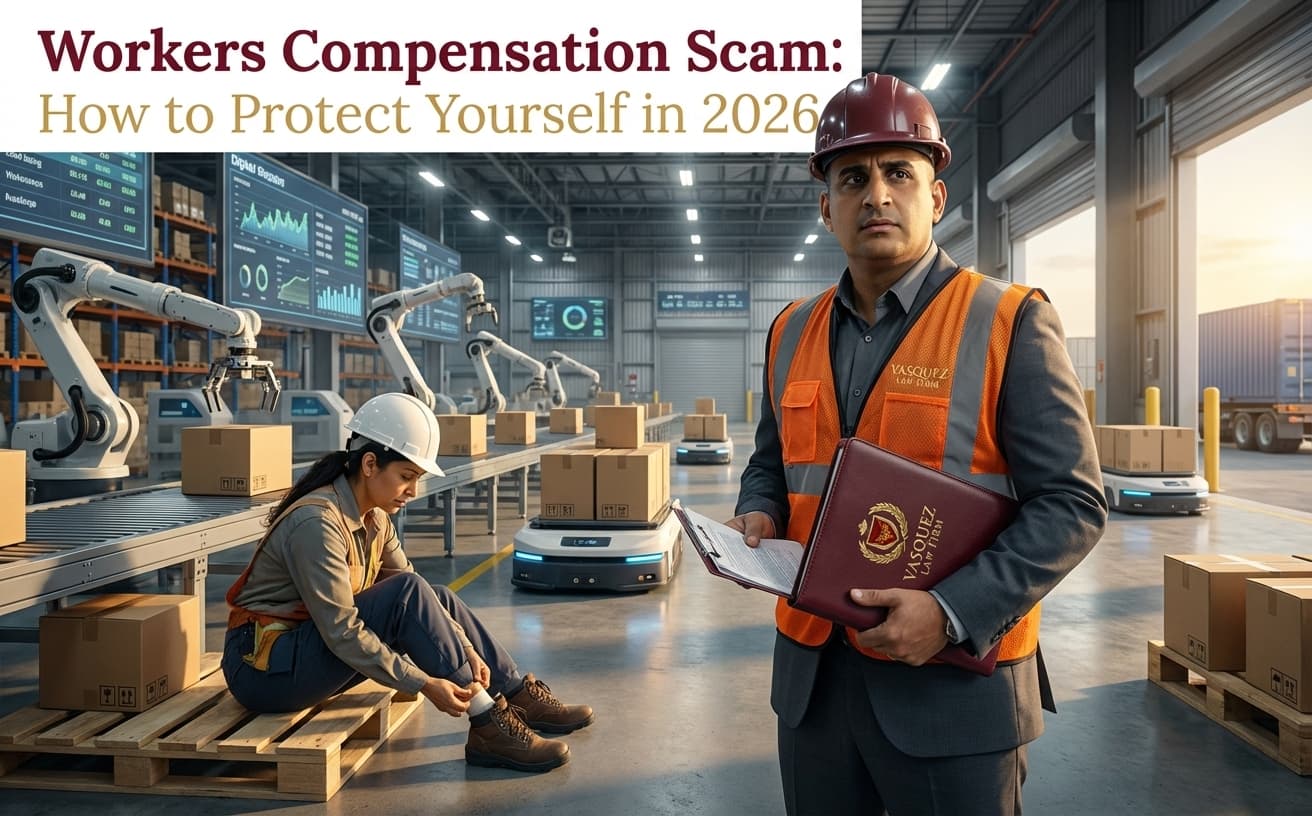
Workers compensation scams involve any attempt to deceive the workers compensation program for financial gain. Both employees and employers can be involved. A 2025 NC report found that as much as 5% of claims contained fraudulent elements, costing millions in lost benefits annually. Recognizing these scams protects honest employees and employers alike.
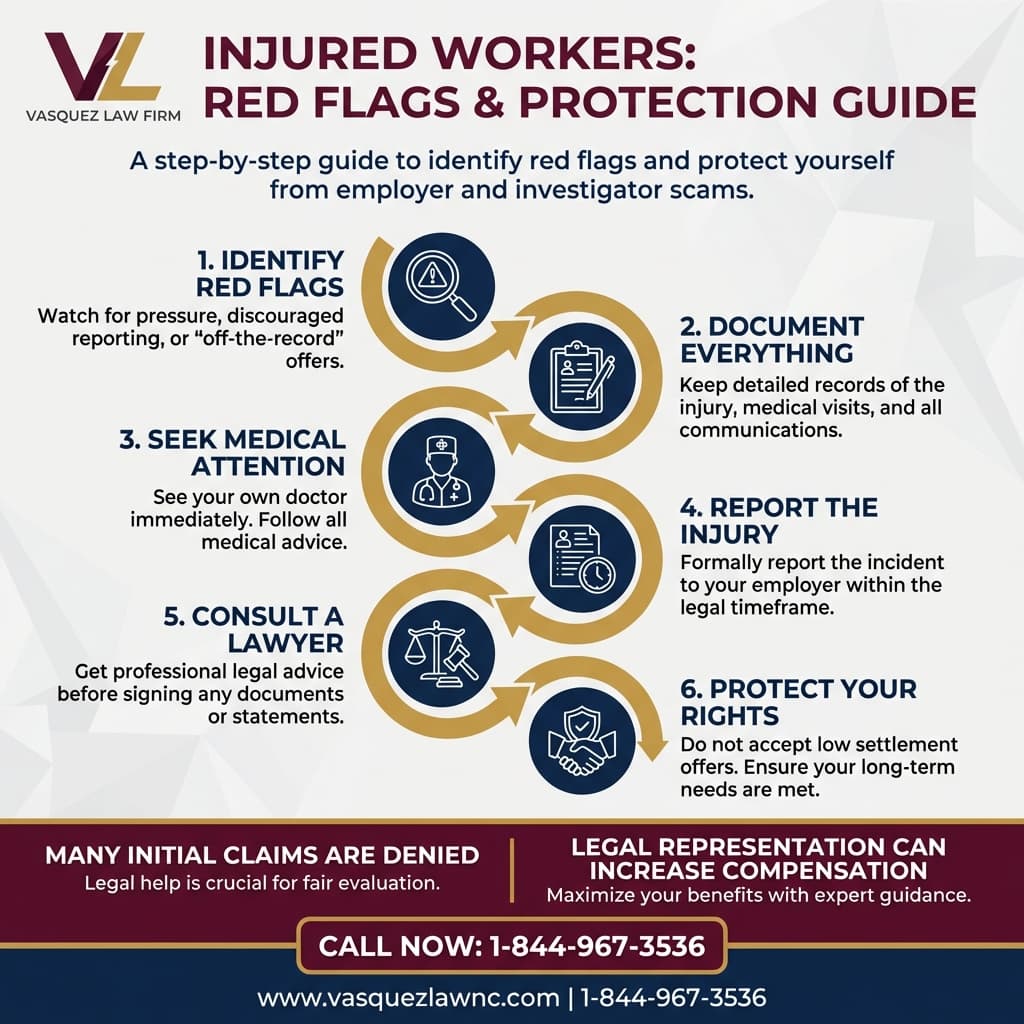
How to Identify Workers Compensation Fraud
In Charlotte, a claim might raise suspicion if the injury details change over time or if an employee claims total disability but is seen working elsewhere. Medical records that don’t match the claimed injury are major red flags.
Other signs include late injury reporting, repeated claims from the same worker, or employers not filing the proper documentation. Employers sometimes misclassify employees as independent contractors to avoid workers compensation insurance premiums, which is illegal and considered fraud.
Investigators use tactics such as interviewing coworkers, surveillance, and reviewing medical history to spot inconsistencies. Being aware of these signs helps you protect yourself and your employer from fraudulent claims.
Examples of Common Red Flags
- Employee reports injury but has no medical visits logged
- Employer delays report of injury to insurance carrier
- Repeated claims for similar injuries by one employee
- Symptoms that don’t match the injury described
- Claims made soon after return to work
Why Employers Monitor for Fraud
Employers dislike inflated claims because insurance premiums for workers compensation insurance can rise sharply. Fraudulent claims can also increase audits and legal exposure for companies. Thus, many employers actively monitor for suspicious claims and cooperate with investigations.
Workers Compensation Investigator Tactics
Investigators employed by insurers or the NC Industrial Commission use detailed fact-finding techniques. These include reviewing surveillance videos, re-interviewing medical providers, and verifying timelines for injury and treatment. Their goal is to confirm the authenticity of claims while respecting legal rights.
Steps to Report a Workers Compensation Scam
Suppose you know or suspect fraud related to a workers compensation claim in Charlotte or North Carolina. Reporting it promptly is crucial to protect the system and honest claimants.
- Document your evidence: Collect any emails, medical records, photos, or witness statements supporting your suspicions.
- Notify your employer or insurance carrier: They usually have dedicated departments for fraud investigation.
- Contact the NC Industrial Commission: File a complaint with details about the suspected scam for official investigation.
- Cooperate with investigators: Provide truthful information without exaggeration or assumptions.
- Consult an attorney: A workers compensation lawyer can guide you on legal implications and protect your rights during investigations.
Safety Tips When Reporting
- Keep records of all communications related to the report
- Do not confront suspected parties directly
- Respect confidentiality during investigations
- Seek legal advice before taking public actions
Common Mistakes and How to Avoid Them
- Ignoring suspicious details: Always investigate further instead of dismissing potential fraud.
- Delaying reporting: Late reports reduce chances of recovery and harm innocent claimants.
- Mixing fact with speculation: Stick to proven facts when reporting to avoid defamation risks.
- Not keeping records: Documentation is key to successful fraud investigations.
- Failing to seek legal advice: Attorneys can navigate complex laws and protect your rights.
- Confronting suspects directly: May escalate conflicts or hinder investigations.
- Overlooking state-specific laws: Workers compensation laws vary across states; be aware of NC and FL rules.
If you only remember one thing: Document and report suspicions promptly while seeking legal help to protect your interests.
Workers Compensation Scam Timeline
- Day 1-7: Injury reported or claim filed, initial review by employer and insurance.
- Week 2-4: Claim investigation begins, medical records and witness interviews collected.
- Week 5-8: Surveillance or further investigation may occur if fraud is suspected.
- Month 3-6: Findings submitted to NC Industrial Commission; case may be accepted or denied.
- Month 6+: Appeals or legal actions possible if fraud is proven or claim denied improperly.
This timeline can vary depending on case complexity and the cooperation of involved parties.
Costs and Legal Consequences
Workers compensation scams can cost thousands or millions depending on scale. Fraudulent claims lead to higher insurance premiums paid by employers, sometimes passed to employees through reduced benefits or wages.
Legal consequences include criminal charges, fines, and restitution orders. Individuals caught committing fraud may face jail time and loss of benefits. Employers engaging in fraud risk lawsuits and penalties under NC law.
Investing in prevention and legal oversight helps reduce these costs for everyone involved in the workers compensation system.
North Carolina and Nationwide Notes
NC Notes
North Carolina’s Industrial Commission governs workers compensation claims and investigations. The NC Workers Compensation Act (N.C. Gen. Stat. § 97) outlines benefits, claims processing, and fraud penalties. Employers must carry workers comp insurance and report injuries promptly.
The NC Industrial Commission website (www.ic.nc.gov) provides official forms and complaint processes for reporting fraud. North Carolina protects whistleblowers reporting violations to encourage system integrity.
Nationwide Concepts
Most states define workers compensation fraud as intentional deception for financial gain involving workplace injury claims. Commonly, states require reporting of suspected fraud to insurance carriers or the designated workers compensation boards. Federal OSHA regulations require injury reporting but do not manage benefits claims directly.
Due to differing laws, consulting a lawyer familiar with your state’s rules is critical in workers compensation fraud matters.
When to Call a Workers Compensation Lawyer
- Your claim was denied without clear explanation
- You suspect your employer or coworkers are committing fraud
- Investigators are asking for statements or evidence
- You receive threats or retaliation after reporting possible fraud
- Medical providers refuse to cooperate with claim evaluations
- You need help understanding the legal process in NC or FL
- Delays are causing financial hardship after injury
- You want to file a whistleblower complaint safely
- You are unsure about your rights regarding workers compensation benefits
About Vasquez Law Firm
At Vasquez Law Firm, we combine compassion with aggressive representation. Our motto "Yo Peleo" (I Fight) reflects our commitment to standing up for your rights.
- Bilingual Support: Se Habla Español - our team is fully bilingual
- Service Areas: Workers compensation in North Carolina; immigration nationwide, including Florida
- Experience: Over 15 years helping clients navigate complex legal matters
- Results: Thousands of successful cases across multiple practice areas
Attorney Trust and Experience
Attorney Vasquez holds a Juris Doctor degree and is admitted to practice in both the North Carolina State Bar and Florida Bar. With over 15 years of dedicated legal experience, he has built a reputation for providing personalized attention and achieving favorable outcomes for his clients.
Don't wait to get the help you deserve. Call us now for immediate assistance.
Se Habla Español
Frequently Asked Questions
What is a workers compensation scam?
A workers compensation scam involves dishonest actions by employees or employers to cheat the workers compensation system. Employees may fake injuries or exaggerate claims, while employers might lie about the nature of injuries or coverage. These scams increase insurance premiums and delay rightful payments to injured workers, impacting trust in the system.
How can I spot workers compensation fraud?
Signs of fraud include inconsistent injury reports, employees working while claiming disability, suspicious medical records, or employers not reporting injuries properly. Watch for red flags like repeated claims, exaggerated symptoms, or unusual delays in reporting. Investigators use these signs to detect scams and protect the system.
What should I do if I suspect a workers compensation scam?
You should report the suspected fraud to your employer's insurance carrier or the NC Industrial Commission. Provide any evidence you have and cooperate with investigations. Reporting helps maintain system integrity and ensures benefits reach those who truly need them. Legal advice can help protect your rights.
Can employers commit workers compensation fraud?
Yes, employers can commit fraud by misclassifying employees to pay lower premiums, hiding workplace injuries, or falsifying reports to avoid paying claims. This practice is illegal and can lead to penalties, increased audits, and lawsuits if caught.
What are common tactics workers comp investigators use?
Investigators review medical records closely, verify injury details on-site, interview coworkers, and analyze claim timing. They may use surveillance to confirm disability claims. These tactics help uncover false claims and protect the integrity of the workers compensation system.
What happens if a workers compensation claim is denied?
If your claim is denied, you have the right to appeal through the NC Industrial Commission. The process involves hearings and presenting evidence to prove your injury qualifies. Legal help is vital to understand deadlines, prepare your case, and improve your chances of approval.
How do workers comp whistleblower protections work?
Workers who report fraud or safety violations receive protections against employer retaliation under NC law. Whistleblower laws allow employees to expose dishonest practices without fear of losing their jobs. Reporting can help prevent scams and keep the workplace safe.
Why do employers dislike workers compensation claims?
Employers dislike claims because they can increase insurance premiums and cause administrative burdens. Some fear fraudulent claims will raise costs unfairly. However, legitimate claims protect workers and ensure they can recover after injuries. Transparency helps balance interests.
Sources and References
- NC Industrial Commission official site
- OSHA workers compensation overview
- U.S. Department of Labor workers compensation page
- N.C. Gen. Stat. § 97 - Workers Compensation Act
- 29 C.F.R. Part 1904 - OSHA Recordkeeping
Hurt at work? Our workers' compensation attorneys can review your claim.
Take the first step toward justice today. Our team is standing by to help. Se Habla Español.
Start Your Free Case Evaluation Now
Call us: 1-844-967-3536


William Vasquez
Founder & CEO, Vasquez Law Firm, PLLC
William Vasquez is the founder and CEO of Vasquez Law Firm, PLLC, a results-driven firm specializing in immigration, criminal defense, personal injury, and workers' compensation. A U.S. Air Force veteran and recipient of the Joint Service Achievement Medal, William is dedicated to fiercely fighting for his clients' rights.
Related Legal Services
Need legal help? Learn more about workers compensation case consultation, or contact us for a free evaluation.
You can also visit workers comp lawyers across North Carolina for more information.