How to Overcome a US Visa Refusal in 2026
Facing a US visa refusal can be disheartening. Learn common reasons for denial and how to appeal or reapply in 2026. Contact Vasquez Law for immigration help.
Published on February 17, 2026
Have questions? Talk to an attorney - free evaluation.
Call 1-844-967-3536Worried how the latest immigration news affects you?
Get a free, confidential case review with an immigration attorney - know exactly where you stand.
How to Overcome a US Visa Refusal in 2026
Receiving a US visa refusal can be a stressful and confusing experience, leaving many dreamers feeling uncertain about their future. Whether you applied for a non-immigrant or immigrant visa, a denial can halt your plans for travel, work, or family reunification in the United States. Understanding the reasons behind a US visa refusal and knowing your options for appeal or reapplication is crucial. This comprehensive guide, updated for 2026, will walk you through the complexities of visa denials, common rejection reasons, and the vital steps you can take to move forward. The dedicated team at Vasquez Law Firm is here to provide clarity and expert legal guidance during this challenging time.
Need help with your US visa refusal case? Our experienced immigration attorneys are ready to fight for you. Se Habla Español.
Schedule Your Free Consultation
Or call us now: 1-844-967-3536
Quick Answer: What to Do After a US Visa Refusal?
If you face a US visa refusal, first understand the specific reason for denial, such as Sections 214(b) or 221(g) of the Immigration and Nationality Act. Gather any missing documents or address the issues raised by the consular officer. While direct appeals are rare, you can often reapply, especially if circumstances change or you can provide stronger evidence. Consulting an immigration attorney is vital to strategize your next steps.
- Identify the specific refusal reason (e.g., 214(b) or 221(g)).
- Collect additional documentation or evidence to address the issue.
- Consult with an experienced immigration attorney.
- Consider reapplying if your situation changes or you have new information.
- Understand that direct appeals are generally not an option.
- Prepare for potential administrative processing if required.
Understanding US Visa Refusal: Common Grounds for Denial
A US visa refusal can stem from various legal and factual grounds, often cited under the Immigration and Nationality Act (INA). The most common reasons relate to an applicant's inability to prove non-immigrant intent or issues with required documentation. Consular officers at U.S. embassies and consulates are tasked with ensuring all applicants meet strict eligibility criteria before issuing a visa. Understanding these common grounds is the first step in addressing a denial.
For non-immigrant visas, the most frequent reason for a US visa refusal is Section 214(b) of the INA. This section presumes every applicant intends to immigrate to the U.S. and places the burden on the applicant to prove otherwise. If you cannot demonstrate strong ties to your home country and a clear intent to return, your application may be denied. Another common reason is Section 221(g), which typically means your application is incomplete or requires further administrative processing.
Other reasons for a US visa refusal can include past immigration violations, criminal records, health-related grounds, or misrepresentation of facts. Each denial reason has specific implications and requires a tailored approach. For instance, a denial based on a criminal record might require a waiver, while a 214(b) refusal may only need stronger evidence of ties to your home country. Vasquez Law Firm helps clients in Raleigh, Florida, and nationwide understand these complex issues.
Key Reasons for US Visa Rejection and How to Address Them
When your visa application is rejected, receiving a clear explanation can be challenging. However, understanding the specific INA section cited is crucial for planning your next steps. Many denials are not permanent bars but rather issues that can be resolved with careful preparation and legal guidance. Let's delve into the most common reasons for a US visa refusal and practical strategies to overcome them.
INA 214(b): Failure to Establish Non-Immigrant Intent
Section 214(b) is the most common reason for a non-immigrant US visa refusal. It means the consular officer was not convinced that you intend to return to your home country after your temporary stay in the U.S. This often happens because applicants fail to demonstrate strong ties to their country of residence. These ties can include family obligations, property ownership, stable employment, financial assets, or educational pursuits. To overcome a 214(b) refusal, you must present compelling evidence that clearly shows your intention to return. This might involve bank statements, property deeds, letters from employers, or family records. An attorney can help you organize and present this evidence effectively.
INA 221(g): Administrative Processing or Missing Documents
A US visa refusal under Section 221(g) typically means your application is incomplete or requires further administrative processing. This is not always a definitive denial but rather a request for more information or a delay for additional security checks. You might be asked to provide extra documents, attend another interview, or simply wait while your case undergoes further review. It is essential to submit all requested documents promptly and accurately. If you receive a 221(g) notice, ensure you understand exactly what information is needed and provide it within the specified timeframe. Sometimes, this can involve delays of several weeks or even months, but it is important to remain patient and cooperative.
Other Grounds of Inadmissibility
Beyond 214(b) and 221(g), other grounds can lead to a US visa refusal. These include health-related issues, criminal convictions, security risks, public charge concerns, or previous immigration violations. For instance, certain communicable diseases or a history of drug abuse can make an applicant inadmissible. Similarly, felony convictions or multiple misdemeanor offenses can lead to a denial. In some cases, waivers may be available to overcome these grounds of inadmissibility. Navigating these complex issues often requires specialized legal knowledge and a deep understanding of immigration law. Our firm, serving clients in North Carolina and Florida, has extensive experience with these intricate cases.
How to Overcome a US Visa Refusal: Steps and Strategies
Receiving a US visa refusal is not necessarily the end of your immigration journey. Depending on the reason for denial, you may have several paths forward. It is critical to carefully review the refusal letter and understand the specific grounds cited by the consular officer. This information will dictate your strategy for reapplication or addressing the underlying issues. Remember, direct appeals of consular decisions are generally not possible, meaning your focus should be on resolving the problem and reapplying.
Review the Refusal Letter and Understand the Reason
The first and most crucial step is to thoroughly examine your US visa refusal letter. This document should indicate the specific section of the INA under which your application was denied. For example, if it's a 214(b) denial, you know the issue is proving non-immigrant intent. If it's a 221(g), you'll need to provide additional documents or await administrative processing. Without understanding the precise reason, you cannot effectively plan your next move. If the reason is unclear, seek legal advice to interpret the denial code or explanation provided.
Gather Additional Evidence and Strengthen Your Case
Once you understand the reason for your US visa refusal, focus on gathering new or stronger evidence to address that specific concern. For a 214(b) denial, this means compiling more robust proof of ties to your home country, such as updated employment contracts, property deeds, or family commitments. If it was a 221(g) refusal, ensure you collect all the requested documents. For other inadmissibility grounds, you might need to seek a waiver or demonstrate rehabilitation. This proactive approach significantly increases your chances of a successful reapplication.
Reapplying After a US Visa Refusal
There is no specific waiting period before you can reapply for a US visa after a refusal, unless a specific bar applies. However, simply reapplying without addressing the initial reason for denial is unlikely to yield a different result. Only reapply if your circumstances have genuinely changed, you have substantial new evidence, or you can present your case more clearly. Each reapplication requires a new fee and a new interview. An experienced immigration attorney can help you determine the optimal time to reapply and prepare a much stronger application, avoiding repeat mistakes. Vasquez Law Firm assists individuals nationwide with reapplication strategies.
Don't face your legal challenges alone. Our team is here to help you every step of the way.
Call today: 1-844-967-3536 | Se Habla Español
Documents Checklist for Reapplication After a US Visa Refusal
A thorough and organized presentation of documents is paramount when reapplying after a US visa refusal. The exact documents needed will depend heavily on the original reason for denial, but a comprehensive approach is always best. This checklist provides a general overview, but always defer to the specific instructions from the consular officer or your immigration attorney.
- Original Refusal Letter: Keep this for reference.
- New Visa Application Form (DS-160/DS-260): Filled out accurately and completely.
- Valid Passport: With at least six months validity beyond your intended stay.
- Passport-Style Photographs: Meeting U.S. government specifications.
- Proof of Strong Ties to Home Country (for 214(b) denials):
- Employment verification letter, pay stubs, business registration.
- Property deeds, lease agreements, utility bills in your name.
- Bank statements showing substantial savings.
- Family certificates (marriage, birth) and letters from family members.
- University enrollment or academic records.
- Missing Documents (for 221(g) denials): Any documents specifically requested by the consular officer.
- Letters of Invitation/Sponsorship: If applicable, updated and detailed.
- Evidence of Financial Support: Bank statements, tax returns, sponsor's financial documents.
- Medical Examination Results: If required.
- Police Certificates/Criminal Records: If applicable, with certified translations.
- Waiver Applications: If required to overcome grounds of inadmissibility.
- Previous Visa/Travel History: Copies of old visas and entry/exit stamps.
Timeline and What to Expect After a US Visa Refusal
The timeline after a US visa refusal can vary significantly based on the reason for denial and your chosen course of action. It is rarely a quick process, and patience is often required. Understanding what to expect can help you manage your expectations and prepare for potential delays. The process for overcoming a denial can be intricate, highlighting the value of professional legal support.
Immediate Aftermath
Immediately after a US visa refusal, you will receive a refusal letter. This letter should detail the reason for denial, often citing an INA section. Take time to review it thoroughly. If the refusal is due to missing documents (221(g)), you might have a specific timeframe to submit them. For 214(b) denials, there's no set waiting period to reapply, but it is advisable to wait until you can present new, compelling evidence.
Reapplication and Administrative Processing
If you decide to reapply, the timeline will restart, including scheduling a new interview. Administrative processing (often associated with 221(g) or security checks) can take anywhere from a few weeks to several months, or even longer in complex cases. There is no fixed timeline for administrative processing, and inquiries typically won't expedite the process. The U.S. Department of State provides a tool to check the status of your visa application, but updates can be infrequent. You should monitor this tool and be prepared for a waiting period.
Impact on Future Applications
A past US visa refusal does not permanently bar you from future applications, but it will be noted in your immigration record. Future consular officers will be aware of previous denials and will likely scrutinize your application more closely. This makes it even more important to address the previous denial's root cause comprehensively. Working with an attorney like those at Vasquez Law Firm can help you build a stronger case for subsequent applications, demonstrating that the issues leading to the initial refusal have been resolved.
Common Mistakes to Avoid After a US Visa Refusal
Navigating a US visa refusal can be emotionally taxing, and it is easy to make mistakes that could further jeopardize your immigration prospects. Being aware of these common pitfalls can help you avoid unnecessary delays or even permanent bars. Proper guidance from an experienced immigration attorney is invaluable during this critical period, especially for those in Raleigh and Florida.
- Reapplying Without Addressing the Core Issue: Simply submitting a new application without providing new evidence or addressing the original reason for denial will likely lead to another refusal. Ensure you have concrete changes or stronger proof.
- Providing False Information: Never misrepresent facts or submit fraudulent documents. This can lead to a permanent bar from entering the U.S. under INA Section 212(a)(6)(C)(i).
- Arguing with the Consular Officer: During an interview, maintain a respectful and cooperative demeanor, even if you disagree with the decision. Arguing will not change the outcome and can negatively impact future interactions.
- Ignoring the Refusal Letter: The refusal letter contains vital information. Failing to understand the specific INA section cited means you cannot effectively plan your next steps.
- Waiting Too Long to Act: While there's no strict reapplication timeline for many denials, delaying indefinitely can make it harder to gather fresh evidence or remember specific details of your previous application.
- Failing to Seek Legal Counsel: Immigration law is complex. An attorney can help you understand the refusal reason, strategize your reapplication, and prepare a compelling case.
- Not Disclosing Previous Denials: Always be truthful about past visa applications and denials. Failure to disclose this information can be considered misrepresentation.
If you only remember one thing: Always understand the specific reason for your US visa refusal and address it directly with new, compelling evidence before reapplying. Seek legal counsel to ensure you are taking the most effective approach.
Jurisdiction Notes: Immigration Law in NC, FL, and Nationwide
Immigration law in the United States is primarily federal, meaning the core statutes and regulations governing US visa refusal and eligibility apply nationwide. However, the practical application, local U.S. Citizenship and Immigration Services (USCIS) office procedures, and access to legal support can vary by state and region. Vasquez Law Firm is equipped to assist clients across North Carolina, Florida, and throughout the nation with their immigration challenges.
Nationwide: Federal Framework
The Immigration and Nationality Act (INA) and regulations found in the Code of Federal Regulations (CFR) establish the national standards for visa eligibility, denial, and reapplication. Decisions regarding US visa refusal are made by consular officers at U.S. Embassies and Consulates abroad, operating under the U.S. Department of State, or by USCIS for applications filed domestically. These federal guidelines ensure a consistent legal framework, but individual circumstances and the discretion of adjudicating officers can lead to varied outcomes. Understanding the federal statutes, such as 8 U.S.C. § 1182 (grounds of inadmissibility), is crucial for any immigration case, regardless of your physical location.
North Carolina Considerations
For individuals residing in North Carolina, including Raleigh, navigating a US visa refusal involves understanding the federal laws and how they apply to your specific situation. While visa decisions are federal, local support from immigration attorneys is invaluable. Vasquez Law Firm, based in North Carolina, provides dedicated assistance to clients in the state, helping them prepare strong reapplication packages and understand their rights. We are familiar with the various USCIS field offices and their local procedures, offering personalized guidance to our NC clients.
Florida Considerations
Similarly, for our clients in Florida, the federal immigration laws regarding US visa refusal apply. Florida's diverse population means many individuals seek various types of visas and may face denials. Vasquez Law Firm extends its immigration services to Florida residents, offering expert legal counsel to overcome visa rejections. Whether you are in Miami, Orlando, or Tampa, our team is ready to assist you in understanding the nuances of your denial and strategizing the best path forward, leveraging our knowledge of federal immigration processes and how they are implemented locally.
When to Call a Lawyer Now After a US Visa Refusal
A US visa refusal is a serious setback that often warrants immediate legal consultation. The complexities of immigration law mean that attempting to navigate the reapplication process alone can lead to further delays or even permanent bars. Knowing when to seek professional legal help can make a significant difference in the outcome of your case. Do not hesitate to reach out if any of these situations apply to you.
- Unclear Reason for Denial: If your refusal letter is vague or you do not understand the specific INA section cited.
- Complex Grounds of Inadmissibility: If your denial is based on criminal history, health issues, or past immigration fraud, which often require waivers.
- Multiple Denials: If you have faced more than one US visa refusal, indicating a persistent underlying issue that needs expert analysis.
- Concerns About Misrepresentation: If you fear your application contained inaccuracies or misrepresentations, which could lead to severe penalties.
- Need for Stronger Evidence: If you require assistance identifying and gathering compelling new evidence to overcome a 214(b) or similar denial.
- Administrative Processing Delays: If your case has been stuck in administrative processing for an unusually long time without updates.
- Fear of Future Travel Restrictions: If you are concerned about how the refusal will impact your ability to travel to the U.S. in the future.
- Language Barriers: If you struggle with English and need bilingual support to understand the process and communicate effectively.
- Tight Deadlines: If you have a limited window to submit additional documents or respond to a request for evidence.
About Vasquez Law Firm
At Vasquez Law Firm, we combine compassion with aggressive representation. Our motto "Yo Peleo" (I Fight) reflects our commitment to standing up for your rights and helping you achieve your American dream. We understand the profound impact a US visa refusal can have on individuals and families, and we are dedicated to providing clear, effective legal strategies.
- Bilingual Support: Se Habla Español - our team is fully bilingual, ensuring clear communication and understanding throughout your legal journey.
- Service Areas: We proudly serve clients in North Carolina, Florida, and provide comprehensive immigration services nationwide.
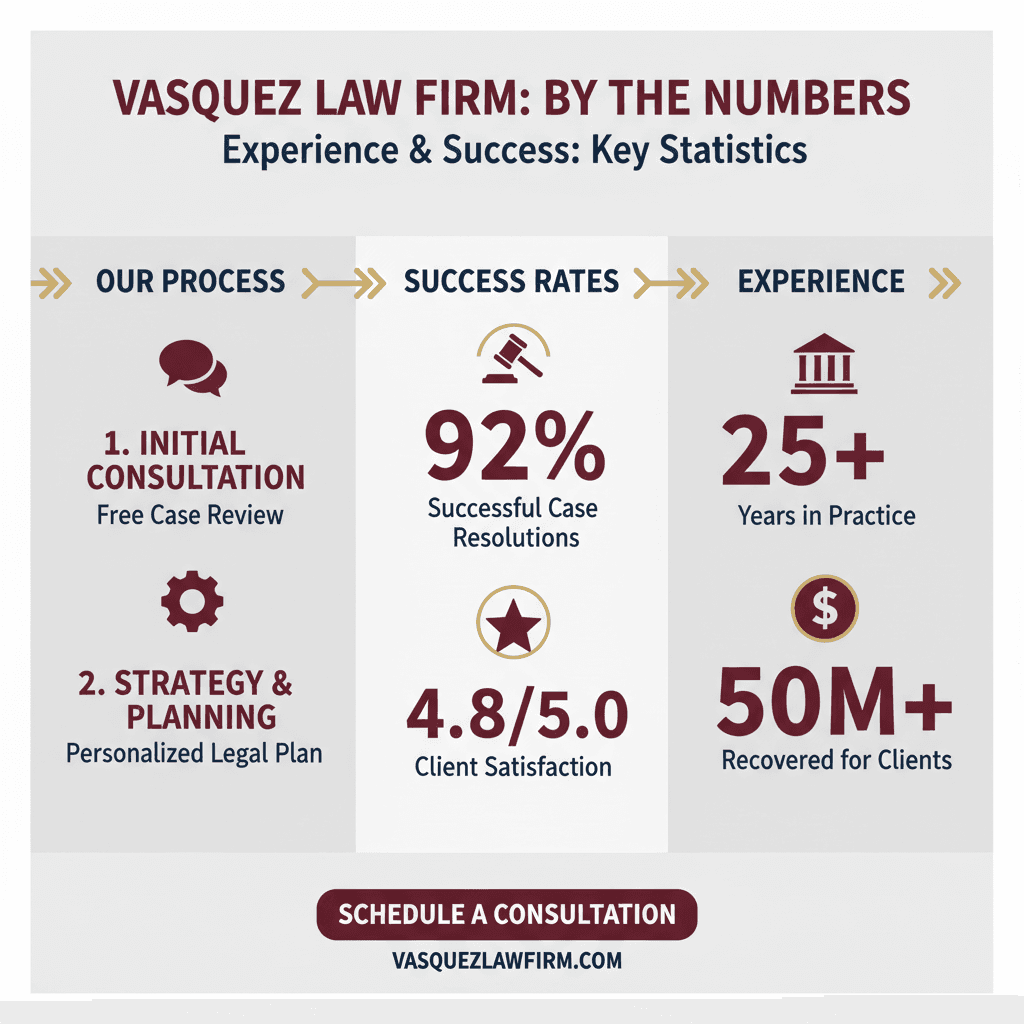
- Experience: Attorney Vasquez brings over 15 years of dedicated experience, successfully navigating complex immigration, personal injury, and workers' compensation cases.
- Results: Our firm has a proven track record of achieving favorable outcomes, helping thousands of clients overcome legal challenges and secure their future.
Attorney Trust and Experience
Attorney Vasquez holds a Juris Doctor degree and is admitted to practice in both the North Carolina State Bar and Florida Bar. With over 15 years of dedicated legal experience, he has built a reputation for providing personalized attention and achieving favorable outcomes for his clients. He is committed to giving each case the aggressive and compassionate representation it deserves, ensuring that your voice is heard and your rights are protected, especially after a challenging US visa refusal.
Frequently Asked Questions About US Visa Refusal
What happens if your US visa is refused?
If your US visa is refused, you will receive a refusal letter explaining the reason, often citing a specific section of the Immigration and Nationality Act. This does not automatically bar you from future applications. Your next steps depend on the reason for denial; you may need to gather more evidence, address an underlying issue, or reapply with a stronger case. Consulting an attorney is highly recommended to understand your options.
What are common reasons for US visa refusal?
Common reasons for US visa refusal include Section 214(b) (failure to prove non-immigrant intent, meaning the officer believes you intend to immigrate permanently), Section 221(g) (missing documents or administrative processing), and various grounds of inadmissibility like criminal history, health issues, or past immigration violations. Each reason requires a specific strategy to address effectively.
How soon can I reapply for a US visa after refusal?
Generally, there is no mandatory waiting period to reapply for a US visa after a refusal, unless a specific bar applies to your case. However, it is strongly advised not to reapply until your circumstances have significantly changed or you have substantial new evidence to present. Reapplying without addressing the initial reason for denial is unlikely to succeed and will incur new fees.
Can I appeal a US visa refusal decision?
Direct appeals of consular officers' visa refusal decisions are generally not possible under U.S. immigration law. While you cannot formally appeal, you can often reapply for the visa if you can address the reasons for the initial denial by providing new evidence or demonstrating changed circumstances. Seeking legal counsel is crucial to strategize a successful reapplication.
What is a 214(b) visa refusal?
A 214(b) visa refusal means the consular officer was not convinced you intend to return to your home country after your temporary stay in the U.S. This is a common reason for non-immigrant visa denials. To overcome it, you must demonstrate strong ties to your home country, such as stable employment, property ownership, family obligations, and clear financial stability.
What does a 221(g) visa refusal mean?
A 221(g) visa refusal indicates that your application is incomplete or requires further administrative processing. This is often a temporary refusal, and you will typically be asked to submit additional documents or information. Your visa process will be on hold until these requirements are met or the administrative processing is complete, which can take several weeks or months.
Will a past US visa refusal affect future applications?
Yes, a past US visa refusal will be part of your immigration record and will be known to consular officers during future applications. While it does not automatically lead to another denial, it means your subsequent applications will likely receive closer scrutiny. It's crucial to be honest about past denials and clearly demonstrate how the issues leading to the refusal have been resolved.
Do I need an attorney if my US visa was refused?
While not legally required, consulting an experienced immigration attorney after a US visa refusal is highly recommended. An attorney can help you understand the specific reason for denial, identify the best course of action (reapplication, waiver, etc.), gather necessary evidence, and prepare a stronger, more compelling application. This significantly increases your chances of a successful outcome.
What is administrative processing for a US visa?
Administrative processing refers to additional steps taken by the U.S. Department of State or USCIS to review a visa application. This can include background checks, security clearances, or verification of documents. It typically occurs after an interview and can cause significant delays, sometimes lasting months or even years. It is often cited under a 221(g) refusal.
Can I get a waiver for a US visa refusal?
Waivers are available for certain grounds of inadmissibility that lead to a US visa refusal, such as some criminal convictions or past immigration violations. However, waivers are not available for all denial reasons, like a 214(b) refusal. The eligibility and application process for waivers are complex and usually require the assistance of an experienced immigration attorney.
Sources and References
- U.S. Department of State: Administrative Processing Information
- U.S. Citizenship and Immigration Services (USCIS) Policy Manual
- Executive Office for Immigration Review (EOIR)
Ready to take the next step? Contact Vasquez Law Firm today for a free, confidential consultation. We're committed to fighting for your rights and achieving the best possible outcome for your case, especially after a US visa refusal.
Start Your Free Consultation Now
Call us: 1-844-967-3536
Se Habla Español - Estamos aquí para ayudarle.
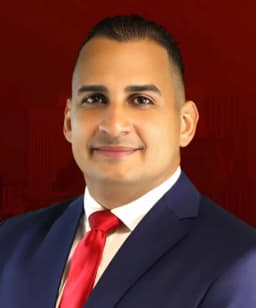
William Vasquez
Founder & CEO, Vasquez Law Firm, PLLC
William Vasquez is the founder and CEO of Vasquez Law Firm, PLLC, a results-driven firm specializing in immigration, criminal defense, personal injury, and workers' compensation. A U.S. Air Force veteran and recipient of the Joint Service Achievement Medal, William is dedicated to fiercely fighting for his clients' rights.
Related Legal Services
Need legal help? Learn more about our immigration law practice, or contact us for a free evaluation.
You can also visit immigration lawyers serving all of North Carolina for more information.