Native Americans in Orlando: What You Should Know in 2026
Learn about Native Americans in Orlando and immigration matters in 2026. Get trusted guidance with Vasquez Law Firm. Contact us for a free consultation today.
Published on March 16, 2026
Talk to an immigration attorney
Free call. A clear plan for your case.
Free & confidential · Se habla espanol · 24/7
Have questions? Talk to an attorney - free evaluation.
Call 1-844-967-3536Worried how the latest immigration news affects you?
Schedule a confidential case review with an immigration attorney - know exactly where you stand.
USCIS Case Status
Check your USCIS case status
Enter your receipt number and get the official status. Free, no registration.
Native Americans in Orlando: What You Should Know in 2026
Native Americans have a rich history and continue to play vibrant roles in North Carolina and Florida, including Orlando, in 2026. Understanding the unique immigration challenges they face today, especially those with Native American heritage seeking to live, work, or study in the U.S., can be complex. This guide helps Dreamers and others explore what it means to be Native American, how immigration laws apply, and what rights and options are available. Whether dealing with status changes or navigating federal policies, accurate information and trusted legal support make a difference. Vasquez Law Firm offers bilingual, compassionate services to support Native American immigrants throughout North Carolina and Florida.
Need help with your case? Our experienced attorneys are ready to fight for you. Se Habla Español.
Schedule Your Free Case Evaluation
Or call us now: 1-844-967-3536
Quick Answer
Native Americans today maintain their cultural heritage and identity while navigating immigration laws that affect their ability to live and work in the U.S., especially in places like Orlando. They may qualify for special immigration benefits connected to tribal status or be subject to general immigration rules.
- Native American tribes are federally recognized or state recognized groups
- Immigration status can be influenced by tribal membership and other factors
- Dreamers with Native American heritage face unique challenges
- Legal help is critical for navigating USCIS processes
- Federal immigration law applies across states, with local nuances in NC and FL
Understanding Native Americans and Immigration
Over 5.2 million people in the United States identify as Native American, according to the U.S. Census Bureau in 2026. Native Americans are the indigenous peoples of the Americas with diverse tribes, languages, and histories stretching back thousands of years. In Orlando and across both North Carolina and Florida, Native Americans continue to maintain cultural and tribal identities while facing modern immigration challenges. This includes those with ancestral connections seeking immigration relief under special provisions or the general immigration system.
Who Are Considered Native Americans?
Native Americans include members of federally recognized tribes, state recognized tribes, and others with indigenous ancestry. Tribal enrollment or recognition often impacts eligibility for certain immigration benefits or protections. Importantly, not all tribal members have the same immigration status or rights by default. Being Native American is based on cultural and genealogical factors rather than race alone.
For example, an individual who is an enrolled member of the Seminole Tribe of Florida may have access to specific tribal benefits and resources that support applications for certain immigration statuses. Conversely, individuals with Native heritage but without formal tribal membership might not be eligible for some tribal-based immigration provisions but may still benefit from cultural recognition in legal contexts.
Additionally, some Native Americans live on reservations or tribal lands, which can influence their legal interactions with state and federal governments. Understanding the distinction between tribal sovereignty and immigration law is crucial for navigating these complex intersections.
Federal Immigration Framework and Tribal Rights
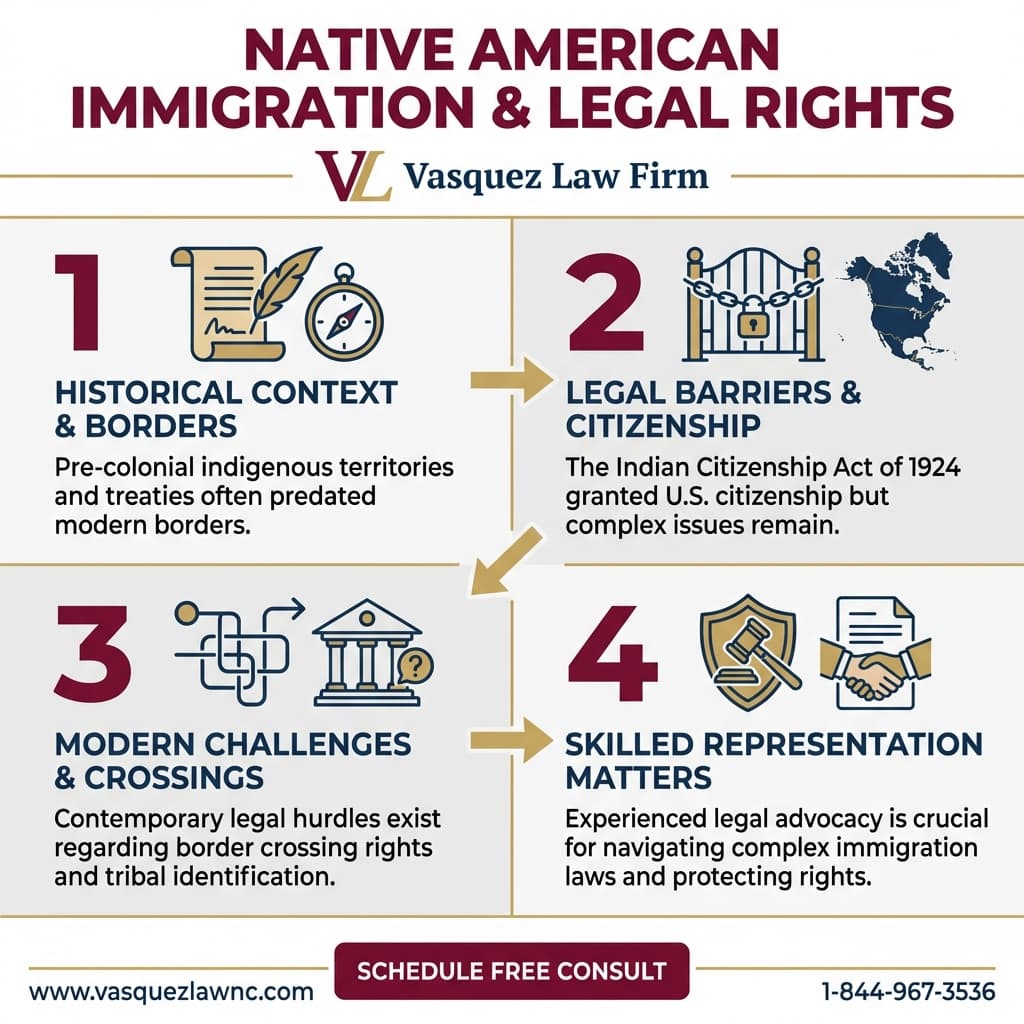
The federal government through agencies like USCIS regulates immigration nationwide, including for Native Americans. Some tribes have agreements that influence immigration status for their members, but most federal immigration rules still apply. The Indian Citizenship Act of 1924 granted U.S. citizenship to Native Americans, but immigration complexities remain for individuals born outside the U.S. or who lack lawful status.
For instance, Native Americans born abroad to tribal members may not automatically acquire U.S. citizenship, which can complicate their immigration status and eligibility for naturalization. Federal policies generally do not exempt Native Americans from immigration laws, but tribal sovereignty can sometimes provide alternative pathways or protections.
Moreover, certain tribal nations have established Memoranda of Understanding (MOUs) with federal agencies to facilitate tribal members’ immigration processes, such as expedited processing or waivers. However, these agreements are limited and vary by tribe and state, requiring personalized legal guidance for each case.
Immigration Challenges for Dreamers With Native American Heritage
Dreamers—individuals brought to the U.S. as children without legal status—who also have Native American roots may find extra pathways or face additional hurdles. For example, tribal connections may assist in some cases for adjustment of status or naturalization, but federal immigrant enforcement still applies. Understanding these nuances in Orlando, NC, or FL is essential.
Dreamers with tribal membership might qualify for specific protections or benefits not available to others. For example, participation in a federally recognized tribe’s programs could provide leverage in immigration proceedings or access to legal resources. However, the intersection of DACA (Deferred Action for Childhood Arrivals) policies with tribal law is evolving, and changes in federal immigration enforcement can impact their status unpredictably.
It is also important for Dreamers to maintain updated documentation of their tribal membership and community involvement, as these can be critical in applications for relief or defense against deportation. Consulting with attorneys experienced in both immigration and tribal law ensures that Dreamers can maximize their legal options.
Key Steps for Native Americans in Immigration Process
For Native Americans or individuals of indigenous descent navigating immigration in Orlando or across North Carolina and Florida, following the right steps can smooth the process and reduce risks.
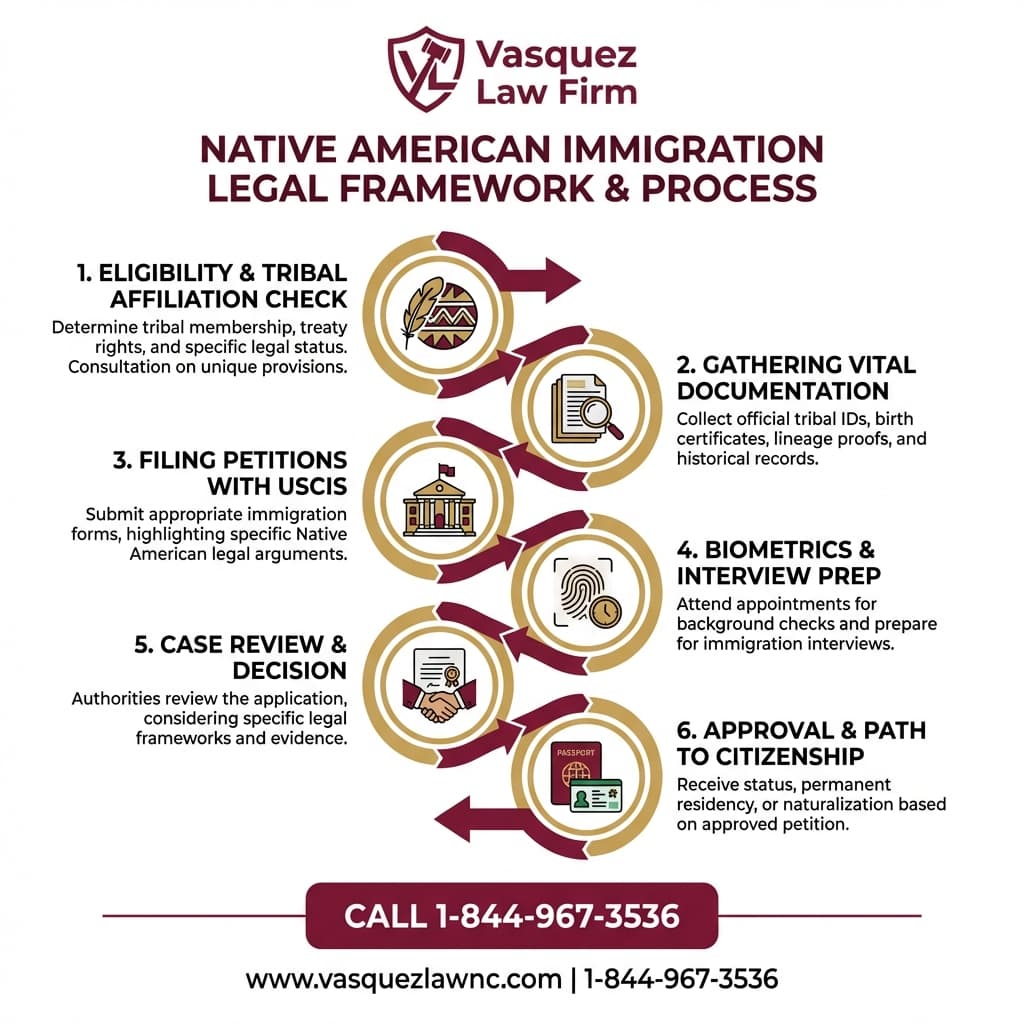
Step 1: Determine Your Immigration Eligibility Category
This includes identifying if you are applying for asylum, family-based visas, employment-based visas, or special programs like tribal membership-based petitions. Consulting USCIS resources and legal counsel early helps clarify options.
For example, a Native American seeking to bring family members to the U.S. might qualify under family-based immigrant visa categories, while others may be eligible for employment-based visas if sponsored by an employer. Additionally, some tribes may support petitions for tribal members under special provisions that recognize indigenous status.
It is also important to consider humanitarian relief options such as asylum or Temporary Protected Status (TPS) if applicable, especially for those with complex immigration histories. Early evaluation helps identify the most suitable path to lawful status.
Step 2: Gather Documentation and Evidence
Collect tribal membership certificates, birth certificates, identity documents, and any proof of continuous residence or hardship. Supporting evidence is critical for applications or appeals.
Practical examples include obtaining letters from tribal leaders verifying membership and community participation, securing historical documents that prove ancestral ties to a tribe, or gathering school and medical records that demonstrate continuous residence in the U.S. These documents help establish eligibility and credibility.
Additionally, applicants should prepare affidavits from family members or community members who can attest to their identity and tribal connections. Properly organized and comprehensive evidence reduces delays and strengthens applications.
Step 3: File Application or Petition Through USCIS Proper Channels
Submit forms carefully. For example, Form I-485 for adjustment of status or Form I-130 for family sponsorship if applicable. Deadlines matter to avoid denials.
It is critical to follow USCIS instructions precisely when filing. This includes providing accurate information, submitting required fees, and including all supporting documentation. Mistakes or omissions can lead to Requests for Evidence (RFEs) or outright denials.
In some cases, tribal authorities may assist applicants in preparing or submitting petitions, particularly if tribal status is a factor. Coordination with both tribal and federal agencies can facilitate smoother processing.
Step 4: Attend USCIS Interviews or Immigration Court Hearings
Respond promptly to requests for information. Preparation with legal help improves outcomes.
Immigration interviews often involve detailed questioning about tribal affiliation, immigration history, and eligibility for relief. Being well-prepared with legal counsel helps clarify answers and present evidence effectively.
In cases where removal proceedings occur, tribal membership may be raised as a factor in defense. Skilled attorneys can advocate for protections based on tribal status or humanitarian grounds during hearings.
Step 5: Follow Up on Decisions and Appeal if Needed
US immigration authorities may approve, deny, or request more evidence. Appeals or motions to reopen may be necessary.
Applicants should monitor case status regularly through USCIS online tools or legal representation. If denied, timely appeals or motions can prevent loss of status or removal.
For Native Americans, appealing decisions might also involve tribal advocacy or intervention, especially if tribal rights or sovereignty issues are implicated. Legal assistance ensures proper use of all available remedies.
Legal counsel with experience in both immigration and tribal law can help avoid costly mistakes at any step.
Common Mistakes to Avoid in Immigration Cases
- Missing USCIS filing deadlines, leading to denials or loss of status
- Providing incomplete or incorrect documentation, which can cause delays
- Failing to disclose tribal membership or heritage when relevant
- Not updating USCIS when address or circumstances change
- Ignoring requests for additional evidence
- Avoiding or missing immigration hearings
- Attempting to navigate complex immigration or tribal laws without professional guidance
If you only remember one thing: Immigration applications require precision and timeliness, especially for Native Americans with unique status considerations. Seek expert help early.
Another common error is misunderstanding the interplay between tribal sovereignty and federal immigration law, which can lead to incorrect assumptions about eligibility or rights. For example, some applicants mistakenly assume that tribal membership automatically grants immigration benefits, which is not always the case. Proper legal advice clarifies these distinctions to avoid harmful missteps.
Additionally, failing to maintain communication with legal representatives or USCIS during the process may cause missed deadlines or misunderstandings. Staying proactive and organized is essential for a successful outcome.
Timeline: What to Expect During Immigration Process
- Weeks 1-4: Determine eligibility and gather documents
- Weeks 5-8: File applications and pay fees
- Months 3-6: Receive receipt notices and biometrics appointments
- Months 6-12: Attend interviews or hearings
- Months 12+: Receive decisions or prepare appeals
Timing can vary widely depending on USCIS backlog, case complexity, and geographic location.
For example, Native American applicants in Orlando may experience different wait times compared to those in rural North Carolina due to local USCIS office workloads. Additionally, cases involving tribal membership or special immigration categories sometimes require additional review, extending processing times.
Applicants should plan accordingly and maintain regular contact with their legal counsel to stay informed of any changes in scheduling or procedural requirements. Being prepared for possible delays helps reduce stress and ensures compliance with deadlines.
Frequently Asked Questions
What are considered Native Americans?
Native Americans are people belonging to indigenous tribes recognized federally or by states. Recognition affects legal rights and benefits but does not solely determine heritage. Tribal membership often requires documented ancestry and cultural connection. Being acknowledged as Native American involves both genealogical evidence and active participation in tribal communities, which can influence eligibility for certain legal protections and immigration benefits.
What is the history of Native Americans in immigration law?
The Indian Citizenship Act (1924) granted U.S. citizenship to Native Americans. However, immigration laws still affect some Native individuals born outside the U.S. or without lawful status. Tribal rights intersect with federal immigration policies in complex ways. Over time, legal developments have sought to balance tribal sovereignty with federal control, but challenges remain, especially for Native Americans with international ties or those seeking status adjustment.
Do Native Americans pay income tax?
Many Native Americans pay income tax like other U.S. citizens. Certain income from tribal lands can be exempt. Tax rules are nuanced and depend on individual and tribal circumstances. For example, income earned directly from tribal enterprises on reservations may be tax-exempt, but wages from off-reservation employment are generally taxable. It is advisable to consult tax professionals familiar with tribal tax law to ensure compliance and optimize benefits.
Are Indians from India the same as Native Americans?
No. Native Americans are indigenous peoples of the Americas. Indians from India are people from the country of India in South Asia. The term "Indian" historically caused confusion but the two groups are distinct. Native American identity is tied to original inhabitants of the Americas, while "Indian" as a nationality refers to citizens of the Republic of India. Understanding this distinction is important in legal and cultural contexts.
Can Native Americans apply for special immigration benefits?
Some federal benefits or tribal agreements may offer unique immigration options, but most applications follow standard USCIS rules. Legal advice can clarify eligibility based on tribal status. For example, certain tribes may petition for members under specific statutes or have access to discretionary relief options. However, these benefits are not automatic and require proper documentation and legal advocacy.
How does tribal membership affect immigration cases?
Tribal membership can impact evidence requirements, eligibility for certain programs, or protection from removal in some contexts. It is important to document and disclose membership properly. For instance, being a member of a federally recognized tribe can support claims for discretionary relief or influence asylum cases. However, lack of documentation can weaken these claims, so maintaining updated tribal records is essential.
What should Dreamers with Native American heritage know?
Dreamers should understand how tribal connections might support their immigration status but also know federal enforcement still applies. Legal counsel helps navigate these mixed factors. Tribal affiliation may offer additional evidence of community ties or eligibility for certain relief programs, but Dreamers must comply with federal immigration policies. Timely consultation with attorneys ensures the best possible strategies.
Where can I get legal help for Native American immigration questions?
Local law firms like Vasquez Law Firm in North Carolina and Florida provide bilingual services specializing in immigration for Native Americans. Contact an experienced attorney early. Seeking help promptly improves chances of success and ensures that unique tribal and immigration issues are properly addressed. Many firms offer free case evaluations to discuss your case and options.
About Vasquez Law Firm
At Vasquez Law Firm, we combine compassion with aggressive representation. Our motto "Yo Peleo" (I Fight) reflects our commitment to standing up for your rights.
- Bilingual Support: Se Habla Español - our team is fully bilingual
- Service Areas: North Carolina, Florida, and nationwide immigration services
- Experience: Over 15 years helping clients navigate complex legal matters
- Results: Thousands of successful cases across multiple practice areas
Our firm understands the cultural nuances and legal challenges faced by Native American clients. We take pride in offering personalized attention that respects each client’s heritage and unique circumstances. Whether you need help with family sponsorship, naturalization, or defense against removal, our attorneys are equipped to guide you every step of the way.
We stay updated on the latest immigration policies and tribal law developments to provide the most effective representation. Our commitment extends beyond legal advice—we strive to empower our clients through education and support.
Attorney Trust and Experience
Attorney Vasquez holds a Juris Doctor degree and is admitted to practice in both the North Carolina State Bar and Florida Bar. With over 15 years of dedicated legal experience, he has built a reputation for providing personalized attention and achieving favorable outcomes for his clients.
His expertise includes immigration law, tribal law, and family law, enabling a comprehensive approach to cases involving Native Americans. Attorney Vasquez is known for his diligence, communication skills, and strategic planning, ensuring clients understand their rights and options clearly.
Clients appreciate his bilingual capabilities and cultural sensitivity, which foster trust and effective advocacy. Whether you face complex immigration challenges or need guidance on tribal matters, Attorney Vasquez stands ready to fight for your interests.
Don't wait to get the help you deserve. Call us now for immediate assistance.
Se Habla Español
Sources and References
- U.S. Citizenship and Immigration Services (USCIS)
- Executive Office for Immigration Review
- North Carolina Courts
Need help in Orlando? Our Orlando immigration lawyers can review your case.
Take the first step toward justice today. Our team is standing by to help.
Start Your Free Case Evaluation Now
Call us: 1-844-967-3536
Se Habla Español - Estamos aquí para ayudarle.

William Vasquez
Founder & CEO, Vasquez Law Firm, PLLC
William Vasquez is the founder and CEO of Vasquez Law Firm, PLLC, a results-driven firm specializing in immigration, criminal defense, personal injury, and workers' compensation. A U.S. Air Force veteran and recipient of the Joint Service Achievement Medal, William is dedicated to fiercely fighting for his clients' rights.
Related Legal Services
Need legal help? Learn more about learn about our immigration practice, or contact us for a free evaluation.
You can also visit NC immigration legal help for more information.
![Tennessee Lawmakers Advance Bills Limiting ICE Cooperation [2026]](/_next/image?url=https%3A%2F%2Fvuuyorlsmhunqektprqy.supabase.co%2Fstorage%2Fv1%2Fobject%2Fpublic%2Fblogs%2Fimmigration-header-1773664832842.png&w=1920&q=75)