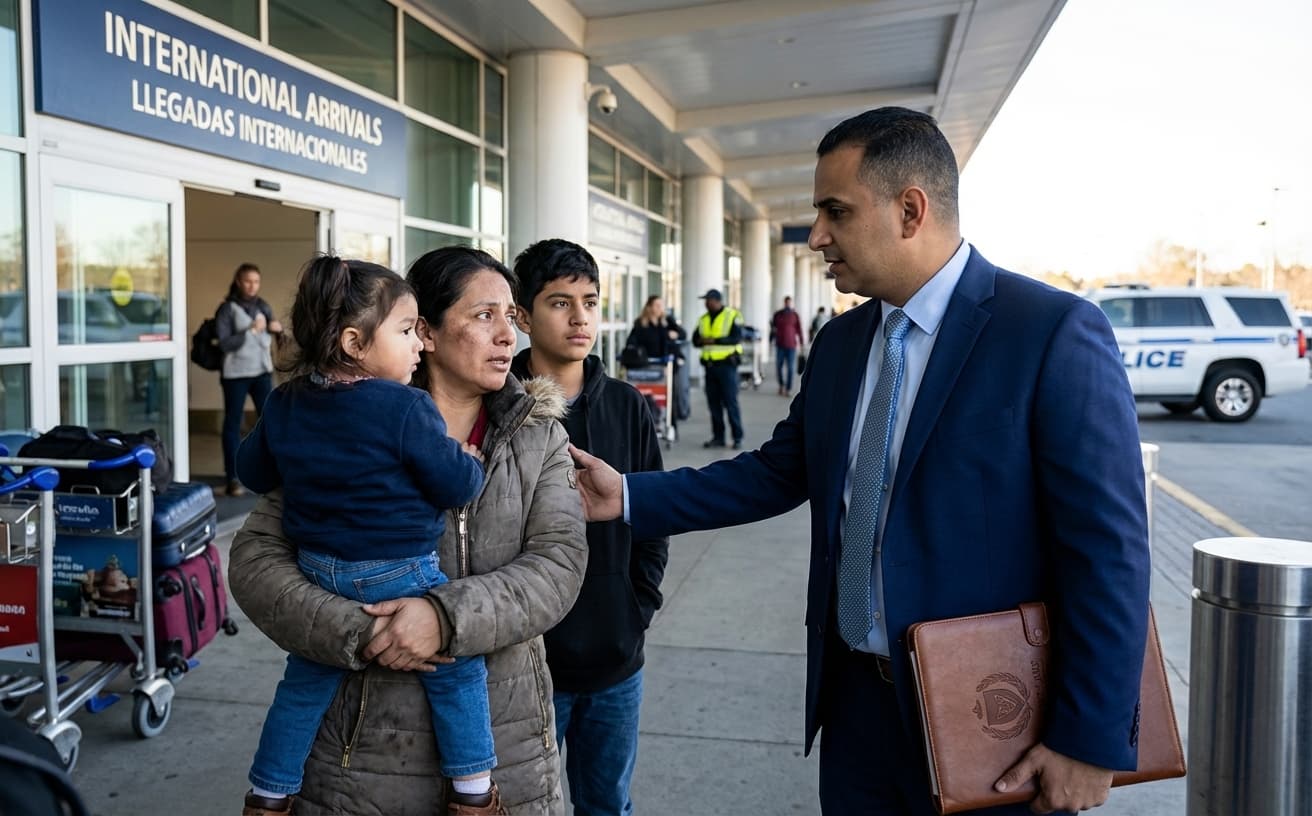
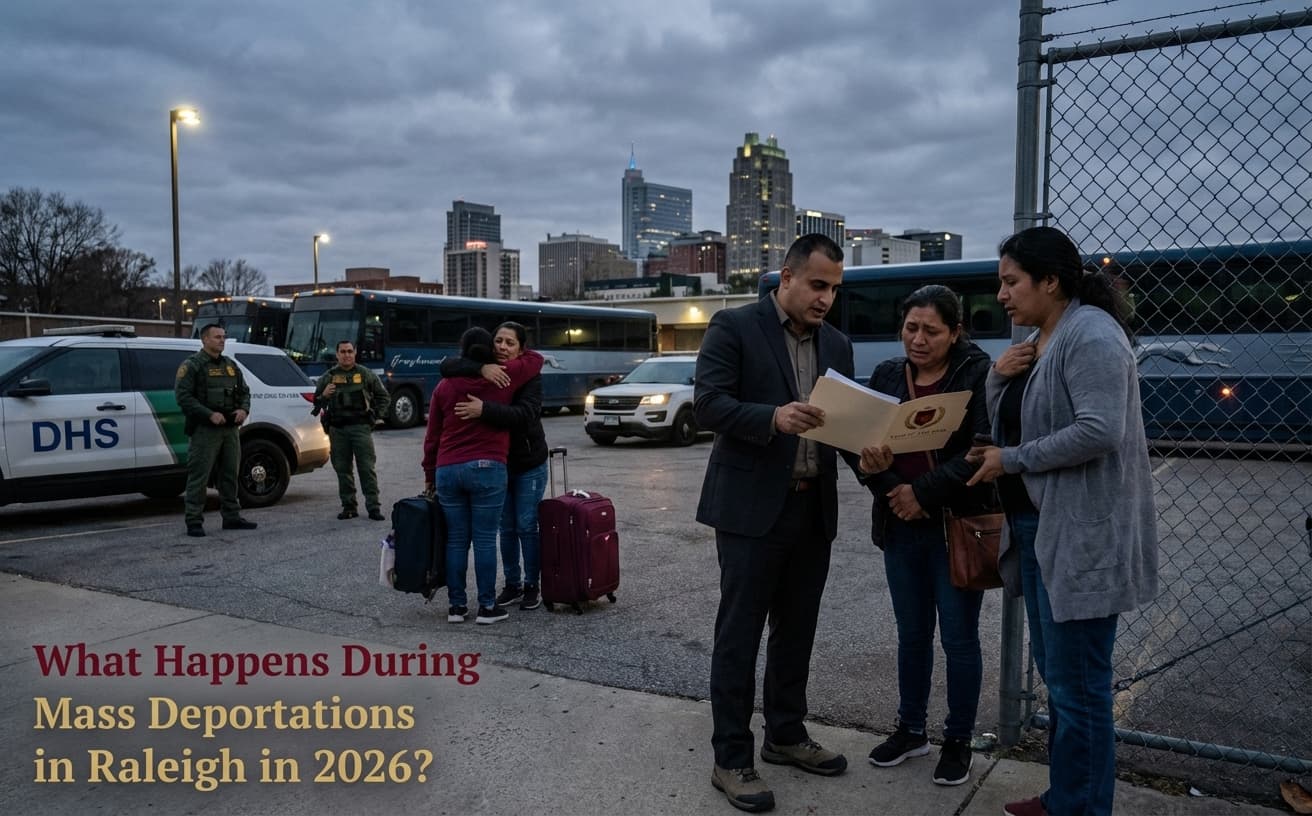
What Happens During Mass Deportations in Raleigh in 2026?
Learn how mass deportations impact Raleigh immigrants in 2026. Protect your rights. Contact Vasquez Law for a free consultation today.
Published on March 17, 2026
Talk to an immigration attorney
Free call. A clear plan for your case.
Free & confidential · Se habla espanol · 24/7
Have questions? Talk to an attorney - free evaluation.
Call 1-844-967-3536Check your case status now
Look up your immigration case below, then talk to an attorney about what it means — free.
Questions about your result?
Talk to an attorney about your case — free, no obligation.
What Happens During Mass Deportations in Raleigh in 2026?
Mass deportations profoundly affect many families in Raleigh and across the U.S. in 2026. Understanding what mass deportations involve, why they happen, and how they impact immigrant communities is crucial for protecting your rights. This article covers key factors behind mass deportations, offers practical steps for those facing deportation risks, explains the legal process, and highlights how Vasquez Law Firm can help immigrant families in Raleigh, North Carolina, and Florida during these challenging times.
Need help with your case? Our experienced attorneys are ready to fight for you. Se Habla Español.
Schedule Your Free Case Evaluation
Or call us now: 1-844-967-3536
Quick Answer
Mass deportations involve the government targeting large groups of undocumented immigrants for removal. In Raleigh and nationwide, this means intensified enforcement through raids and court hearings. Protecting your rights involves knowing legal options, gathering documents, and consulting an immigration lawyer promptly.
- Mass deportations are large-scale removal efforts by ICE
- Often involve raids targeting specific communities
- Immigration courts handle deportation proceedings
- Legal defense can delay or prevent removal
- Immediate action is critical to protect rights
Understanding Mass Deportations
In 2026, mass deportations remain a grave concern in Raleigh and across the United States. These actions arise when immigration authorities conduct large-scale operations aimed at removing many undocumented immigrants simultaneously. For example, a coordinated ICE raid targeting workplaces or neighborhoods can detain dozens or hundreds of individuals in one sweep.
These operations typically reflect policy decisions at the federal level and often result in spikes in enforcement in certain regions. For Raleigh residents, understanding how mass deportations work is essential to avoid unexpected arrests and legal consequences. The deportation process involves immigration courts, detention centers, and numerous legal steps that affect your ability to stay in the U.S.
Vasquez Law Firm has deep experience in helping Raleigh-area immigrants navigate these challenges. We encourage you to learn your rights and prepare now to face potential enforcement actions.
Mass deportations are often influenced by shifts in federal administration priorities, budget allocations for ICE, and broader political climates. For instance, an administration emphasizing stricter immigration control may increase resources for enforcement, leading to more frequent raids and deportations. Understanding these political dynamics helps communities anticipate and respond appropriately.
In practical terms, mass deportations can disrupt entire neighborhoods and workplaces, causing emotional trauma and economic hardship. For example, a family-owned business in Raleigh may lose key members during a workplace raid, jeopardizing their livelihood. Schools and community organizations often see spikes in absenteeism and anxiety among children affected by family separations.
Moreover, mass deportations disproportionately impact vulnerable populations, such as long-time residents with deep community ties but lacking formal documentation. Recognizing these impacts underscores the importance of community support networks and legal advocacy to mitigate harm and provide pathways to relief.
Step-by-step: What to Do if Targeted
- Stay calm and know your rights. Immigration agents must show a warrant if entering your home. You are not required to speak without a lawyer present.
- Gather your documents. Collect your passport, immigration paperwork, work permits, and proof of residence.
- Contact an immigration lawyer immediately. Early legal help can make a significant difference.
- Prepare for your immigration court hearing. Attend all hearings and submit any applications for relief.
- Do not sign anything without attorney advice. Avoid agreements or statements that may harm your case.
- Inform family members or advocates. Make sure someone you trust knows your situation.
When ICE agents arrive, it is critical to remain composed and avoid confrontations. For example, if agents do not present a valid warrant, you have the right to refuse entry, and you should calmly state this. Knowing this can prevent unlawful searches and detentions.
Gathering documents ahead of time ensures you have proof of your identity and status, which can be crucial if detained. Keep originals and copies of these documents in a safe, accessible place known to trusted family or friends. In a scenario where you are separated from your belongings, trusted individuals can provide your attorney with necessary evidence promptly.
Immediate contact with an immigration attorney is vital. Suppose an ICE raid occurs in your workplace, and you or a coworker is detained. The sooner an attorney is informed, the quicker they can advise on bond eligibility, relief options, and court procedures. Delays often result in missed hearings or lost opportunities for defense.
Documents and Evidence Checklist
- Government-issued ID or passport
- Proof of residency (bills, leases, rental agreements)
- Immigration paperwork (DACA approval, visas, court notices)
- Birth certificates for you and your family
- Employment records or pay stubs
- Character references or community involvement records
- Criminal records or lack thereof
Keep these documents safely accessible and share copies with your attorney. This evidence supports your case and may provide grounds for relief from deportation.
It is also advisable to maintain a personal file with additional supporting documentation such as medical records, school records for children, and affidavits from community leaders or employers. For instance, letters from employers stating your contribution to the workplace or from community organizations highlighting your involvement may strengthen applications for relief.
In cases involving criminal history, providing detailed records can clarify circumstances and help your attorney argue for discretionary relief. For example, evidence of rehabilitation or minor offenses can influence bond decisions and final outcomes.
Timeline: What to Expect During Deportations
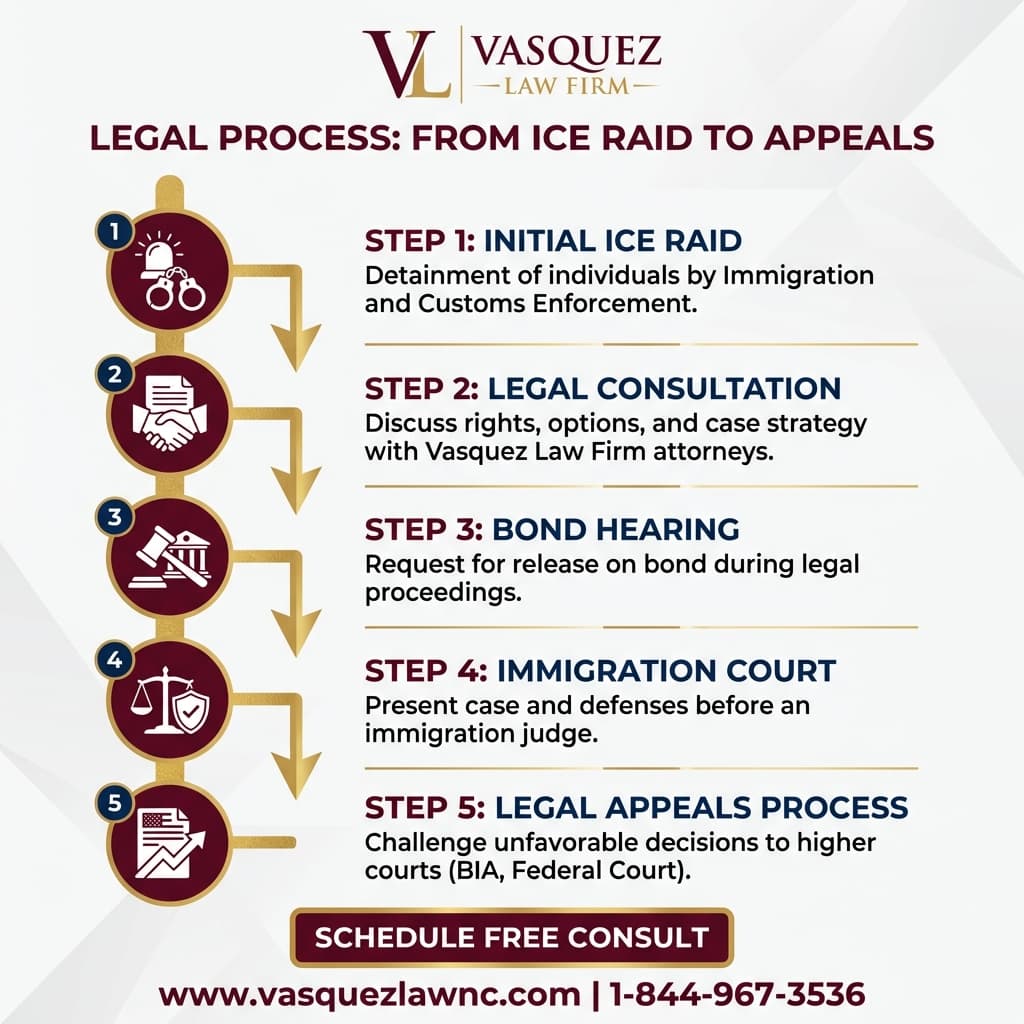
- Week 1: ICE raids, detentions, and notices of removal are issued.
- Week 2-4: Immigration court hearings schedule and bonds may be set.
- Month 1-3: Legal filings for relief or appeals take place.
- Month 3-6: Final decisions may be rendered, with deportations executed or stays granted.
Each case can vary widely, but understanding this timeline helps you prepare and respond effectively.
For example, after an initial raid, the detained individual may have a bond hearing within the first few weeks. If granted bond, they might be released pending further proceedings. Alternatively, if bond is denied, they remain in detention, which complicates preparation and access to legal resources.
During months 1 to 3, attorneys typically gather evidence, file motions, and request relief such as asylum or cancellation of removal. Timely submissions and court appearances are critical during this period to avoid negative rulings by default.
By months 3 to 6, depending on case complexity and court backlog, final rulings may occur. In cases where relief is denied, deportation orders can be enforced swiftly. Conversely, granted stays or appeals can provide more time or eventual lawful status. Being proactive and informed throughout this timeline can significantly affect outcomes.
Costs and Fees: What Impacts the Price
- Attorney fees vary by case complexity and legal relief sought.
- Filing fees for motions or applications in immigration court.
- Costs for bond if detention requires posting bail.
- Translations and document preparation fees.
- Potential travel costs for court appearances.
Vasquez Law Firm offers personalized fee structures and payment plans. Contact us for a free case evaluation to discuss your options and costs.
For example, a straightforward case seeking cancellation of removal may incur lower fees compared to complex asylum claims requiring extensive evidence and expert testimony. Additionally, emergency bond hearings may involve rapid payments to secure release from detention.
Translation services can be necessary for clients who speak limited English or have documents in other languages. This adds to costs but is vital for accurate legal representation. Travel expenses also vary depending on court locations and frequency of hearings, especially for clients residing outside major cities.
Understanding these cost factors beforehand enables clients to plan financially and seek assistance programs or pro bono services if eligible. Vasquez Law Firm is committed to transparency and supporting clients through flexible payment options.
Common Mistakes and How to Avoid Them
- Not contacting an attorney quickly: Seek help immediately after any ICE contact.
- Talking to agents without counsel: You have the right to remain silent and request a lawyer.
- Failing to appear for court: Always attend all scheduled hearings to avoid automatic deportation.
- Ignoring documents or notices: Read all notices carefully and respond without delay.
- Not preparing evidence: Proper documentation can make or break your case.
- Signing documents unknowingly: Never sign deportation papers without legal review.
- Underestimating the seriousness: Treat deportation proceedings with urgency.
If you only remember one thing: Get legal help as soon as possible to protect your rights and build a strong defense.
For example, some individuals may mistakenly believe that avoiding ICE or missing court dates will make them less visible to authorities. In reality, failure to appear can result in deportation orders issued in absentia, severely limiting future relief options.
Another common error is providing statements to ICE agents without legal counsel, which can be used against you in court. Even casual conversations or incomplete explanations can negatively impact your case. Always exercise your right to remain silent and request an attorney before speaking.
Additionally, signing voluntary departure or removal documents without fully understanding the consequences can lead to irreversible outcomes. An attorney can explain risks and explore alternatives before any signed agreement.
NC, FL, and Nationwide Notes
North Carolina Notes
North Carolina enforces federal immigration laws primarily through ICE. Raleigh immigrants facing deportation benefit from local attorneys experienced in the state court system and federal immigration courts located in the region. State-level policies may affect cooperation with ICE but are subject to federal immigration law supremacy.
For example, some local jurisdictions in North Carolina have adopted policies limiting collaboration with ICE, which can affect detention and transfer practices. Understanding these nuances helps attorneys craft defense strategies tailored to local enforcement realities.
Community organizations in North Carolina often provide resources and advocacy to support immigrants during mass deportations. Partnering with such groups can improve access to legal services and emotional support during stressful proceedings.
Florida Notes
Florida has a high ICE enforcement presence, with immigration courts in multiple cities. Local policies may encourage collaboration with federal authorities. Dreamers and other immigrant groups in Florida should seek attorneys with Florida bar admission who understand local enforcement trends.
In Florida, workplace raids and community outreach by ICE are common enforcement tactics. For instance, meatpacking plants or construction sites have been targeted, resulting in rapid detentions and deportation proceedings. Effective legal defense requires familiarity with these patterns.
Florida's diverse immigrant communities include many with temporary protected status or pending asylum claims. Local attorneys often navigate complex federal policies alongside state cooperation levels to maximize client protections.
Nationwide Concepts
Immigration laws, including deportation rules, are federal and apply nationwide. Enforcement priorities can shift based on administration policy. It is essential to stay current on changes and consult attorneys with knowledge of federal immigration frameworks and local practices.
For example, nationwide enforcement may prioritize recent border crossers or individuals with criminal records, but mass deportations can also sweep broader populations based on nationwide operations. Awareness of federal guidelines helps anticipate enforcement strategies.
Additionally, federal court decisions and policy memos issued by agencies like ICE and USCIS impact deportation processes across states. Regular updates from qualified attorneys ensure clients receive accurate, timely guidance regardless of location.
When to Call a Lawyer Now
- If ICE contacts or detains you or a family member
- When you receive any immigration court documents or notices
- If you fear an upcoming raid in your community or workplace
- If you have been arrested or taken into custody
- If you have previous deportation orders or removals
- If you want to apply for relief such as asylum or cancellation of removal
- When you do not understand your immigration status or options
Timing is critical. For example, if ICE visits your home or workplace, calling a lawyer immediately can prevent unlawful searches and prepare your defense. Early intervention may also secure bond opportunities or prevent detention.
Receiving court documents signals the start of formal proceedings. Missing deadlines or hearings often results in automatic removal orders. Consulting an attorney immediately ensures you understand the documents and respond appropriately.
If you suspect a raid is imminent due to rumors or community alerts, preemptive legal consultation can help you prepare documents and know your rights. Waiting until after an ICE action reduces options and increases risks.
About Vasquez Law Firm
At Vasquez Law Firm, we combine compassion with aggressive representation. Our motto "Yo Peleo" (I Fight) reflects our commitment to standing up for your rights.
- Bilingual Support: Se Habla Español - our team is fully bilingual
- Service Areas: North Carolina, Florida, and nationwide immigration services
- Experience: Over 15 years helping clients navigate complex legal matters
- Results: Thousands of successful cases across multiple practice areas
Attorney Trust and Experience
Attorney Vasquez holds a Juris Doctor degree and is admitted to practice in both the North Carolina State Bar and Florida Bar. With over 15 years of dedicated legal experience, he has built a reputation for providing personalized attention and achieving favorable outcomes for his clients.
His extensive background includes handling complex deportation defense, asylum claims, DACA renewals, and appeals before immigration courts and the Board of Immigration Appeals. Attorney Vasquez works closely with clients to understand their unique stories and develop tailored strategies.
Clients consistently praise his compassionate approach combined with an aggressive defense style, earning trust among immigrant communities in Raleigh, Florida, and beyond.
Don't wait to get the help you deserve. Call us now for immediate assistance.
Se Habla Español
Frequently Asked Questions
What are mass deportations?
Mass deportations involve large-scale efforts by immigration authorities to remove many undocumented immigrants at once through coordinated raids and court actions. These operations can affect whole communities quickly. They often include workplace or neighborhood sweeps and are driven by federal enforcement priorities, resulting in significant disruptions for families and communities.
How do mass deportations affect Dreamers in Raleigh?
Dreamers protected by programs like DACA face uncertainty during mass deportations. While DACA offers temporary protection from removal and work authorization, it is not a permanent legal status. Dreamers should seek legal advice promptly, especially if they have criminal records or face threats of enforcement, to explore options such as renewal or alternative relief avenues.
What steps should I take if I fear deportation?
Gather documents, know your rights, avoid self-incrimination, and contact an experienced immigration lawyer immediately to build your defense and explore relief options. Staying informed about court dates, keeping communication open with your attorney, and maintaining a support network are also crucial steps during this stressful time.
Can I remain in the U.S. while my deportation case is pending?
Many individuals can stay in the U.S. during deportation proceedings depending on circumstances. Applying for relief or bond is often necessary. With proper legal guidance, you may obtain bond or be eligible for relief programs that allow you to remain lawfully until your case is resolved. It is essential to attend all hearings and comply with court requirements.
What are the most common mistakes people make during deportations?
Failing to get legal help fast, missing court dates, talking to ICE without counsel, and not preparing documentation are common mistakes that jeopardize a defense. Additionally, signing documents without understanding consequences and underestimating the seriousness of proceedings can lead to unfavorable outcomes. Early and informed legal representation helps avoid these pitfalls.
How does immigration enforcement differ between North Carolina and Florida?
Though federal immigration laws are consistent, local cooperation with ICE varies. North Carolina and Florida enforce policies differently, impacting deportation risks and defense strategies. For example, Florida generally has higher ICE cooperation, leading to more frequent workplace raids, whereas some North Carolina localities may limit collaboration. Understanding these differences is important for tailored legal advice.
What legal protections exist against mass deportations?
Protections include DACA, asylum, cancellation of removal, and other relief programs, each with specific eligibility. For example, asylum protects those fearing persecution, while cancellation of removal requires continuous presence and good moral character. Legal counsel is essential for identifying available options and navigating complex application processes to maximize chances of relief.
How can Vasquez Law Firm help with deportation cases?
We provide bilingual, personalized legal defense to guide clients through deportation hearings and legal relief applications to protect rights in Raleigh and Florida. Our attorneys help prepare evidence, represent clients in court, negotiate bond, and explore all available options to prevent removal and secure lawful status whenever possible.
Sources and References
- U.S. Citizenship and Immigration Services (USCIS)
- Executive Office for Immigration Review
- U.S. Department of State Visa Information
Facing immigration issues in Raleigh? Our Raleigh immigration lawyers can review your case.
Take the first step toward justice today. Our team is standing by to help. Se Habla Español.
Start Your Free Case Evaluation Now
Call us: 1-844-967-3536


William Vasquez
Founder & CEO, Vasquez Law Firm, PLLC
William Vasquez is the founder and CEO of Vasquez Law Firm, PLLC, a results-driven firm specializing in immigration, criminal defense, personal injury, and workers' compensation. A U.S. Air Force veteran and recipient of the Joint Service Achievement Medal, William is dedicated to fiercely fighting for his clients' rights.
Related Legal Services
Need legal help? Learn more about our immigration law practice, or contact us for a free evaluation.
You can also visit North Carolina immigration lawyers for more information.