What Happens During an ICE Deployment in Charlotte in 2026
Learn what ICE deployment means for Charlotte residents in 2026. Know your rights and get help from Vasquez Law. Contact us for a free consultation.
Published on March 22, 2026
Talk to an immigration attorney
Free call. A clear plan for your case.
Free & confidential · Se habla espanol · 24/7
Have questions? Talk to an attorney - free evaluation.
Call 1-844-967-3536Worried how the latest immigration news affects you?
Schedule a confidential case review with an immigration attorney - know exactly where you stand.
USCIS Case Status
Check your USCIS case status
Enter your receipt number and get the official status. Free, no registration.
What Happens During an ICE Deployment in Charlotte in 2026
An ICE deployment in Charlotte can create uncertainty and fear, especially for immigrants and Dreamers. In 2026, knowing what ICE deployment means, when it happens, and how to protect yourself is crucial. This article explains the process, key rights, and steps to take if you or a loved one faces ICE enforcement. Understanding ICE’s role in immigration enforcement and removal operations helps you stay prepared and informed. Vasquez Law Firm offers compassionate, bilingual support to guide you through these difficult times.
Need help with your case? Our experienced attorneys are ready to fight for you. Se Habla Español.
Schedule Your Free Case Evaluation
Or call us now: 1-844-967-3536
Quick Answer
ICE deployment is when U.S. Immigration and Customs Enforcement officers conduct operations to detain and remove unauthorized immigrants. These actions can happen anywhere, including Charlotte, NC. Knowing your rights, such as the right to remain silent and request a lawyer, is critical. Always seek legal help immediately if you are contacted or detained by ICE.
- ICE enforcement includes raids and removals
- U.S. citizens have protections from detention
- Know your right to remain silent and to ask for a lawyer
- Documentation helps protect your case
- Immediate legal help can stop mistakes
Understanding ICE Deployment and Enforcement
In Charlotte, ICE deployment means that ICE officers are coming into communities to identify, detain, and remove individuals who do not have legal authorization to stay in the United States. These deployments can be announced or unannounced, and they often involve coordination with other law enforcement agencies.
For immigrants, especially Dreamers and mixed-status families, ICE deployment can be a stressful experience. From 2025 through 2026, ICE has increased interior enforcement actions, including in cities like Charlotte. These actions fall under the umbrella of "removal operations," authorized by federal immigration laws.
ICE agents use a range of tactics including questioning, raids, and arrests at places such as homes, workplaces, and public areas. However, ICE does not have the same authority as local police when it comes to criminal law enforcement. Their focus is strictly immigration violations under federal statutes like 8 U.S.C. § 1226, which governs apprehension and detention of noncitizens pending removal.
What ICE Looks For
During deployment, ICE targets individuals with outstanding removal orders, recent illegal entries, or serious criminal records linked to immigration violations. They may review databases and utilize informants. Understanding these factors can help you anticipate the nature of ICE operations in your community.
Rights and Legal Boundaries
ICE must follow legal procedures, including having proper warrants or orders for arrest when required. However, some entries without warrants are permitted under exigent circumstances. Knowing your rights and the limits of ICE’s authority can prevent unlawful detentions or searches.
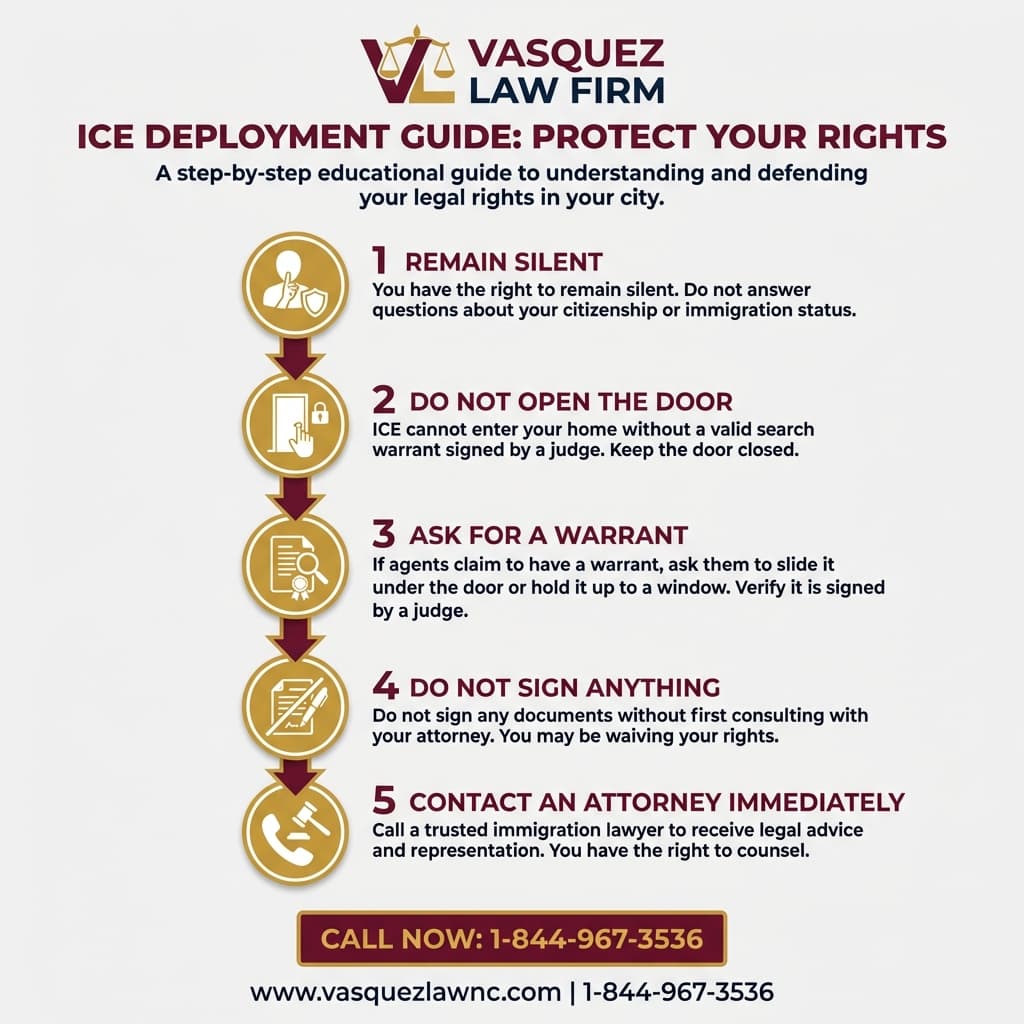
Step-by-Step: What to Do During an ICE Deployment
- Stay Calm: Panic can lead to mistakes or problems when interacting with ICE officers.
- Do Not Volunteer Information: Provide only your name and identification if requested; you have the right to remain silent about your immigration status.
- Ask for a Lawyer: Clearly state you want to speak with an attorney before answering questions or signing any documents.
- Do Not Consent to Searches: Without a warrant, you have the right to refuse consent to searches of your home or property.
- Document the Encounter: If possible, record or take notes of what happens, including officers’ names and badge numbers.
- Contact Your Attorney Immediately: Use a prepared contact list to call your lawyer or Vasquez Law Firm for guidance.
- Keep Important Documents Ready: Have your immigration papers, identification, and contact information accessible.
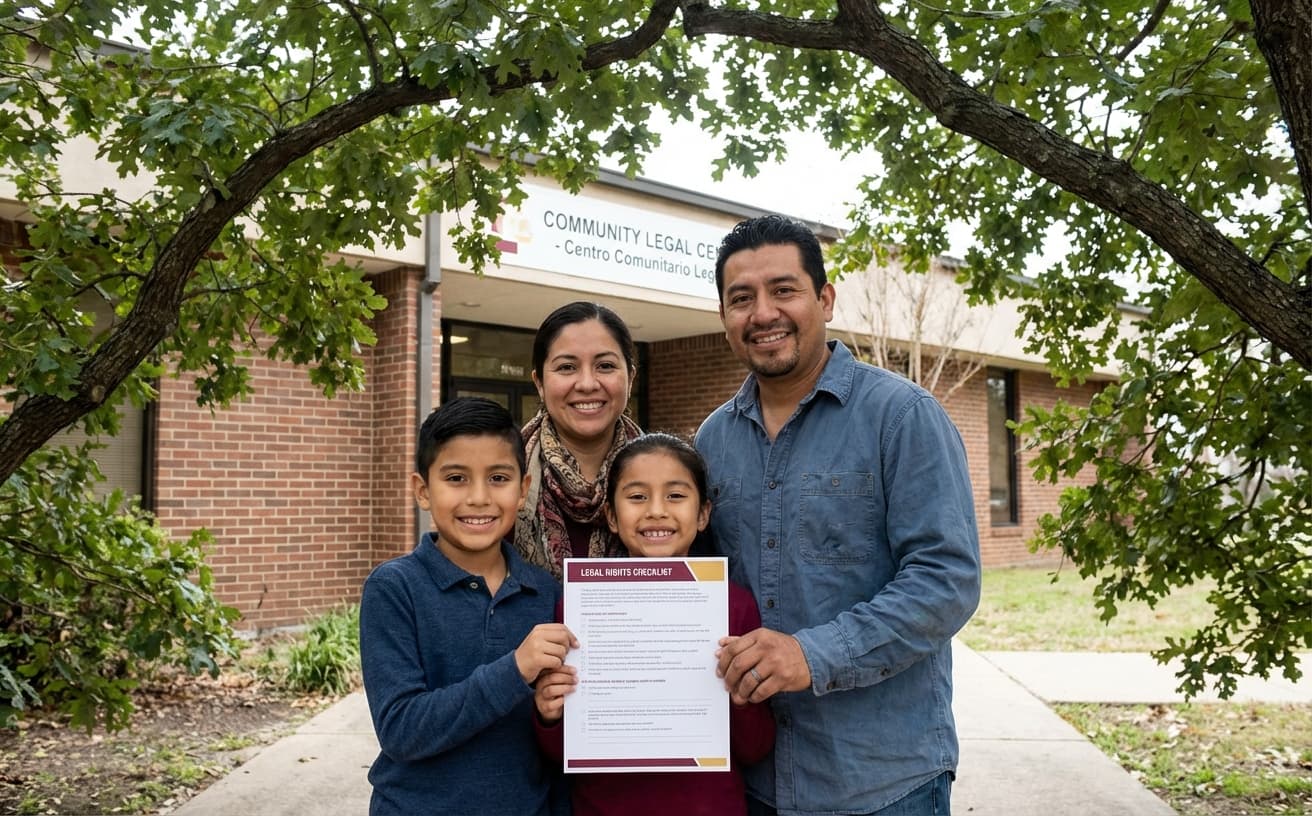
Documents and Rights Checklist
- Valid identification (passport, driver's license, state ID)
- Immigration documentation (work permits, visas, DACA approval)
- Contact information for your immigration attorney
- Copies of any immigration court documents or notices
- Emergency contact list of family or trusted friends
- Know your rights cards or printed information about ICE procedures
Common Mistakes to Avoid with ICE Agents
- Sharing too much information: Avoid answering questions about your immigration status without legal advice.
- Letting ICE in without a warrant: Demand to see a valid warrant before allowing ICE entry to your home.
- Showing fake documents: Using false documents can lead to criminal charges and complicate your case.
- Ignoring immigration court notices: Failing to attend hearings can lead to deportation orders in your absence.
- Not contacting a lawyer immediately: Delays can limit your legal options and rights to relief.
- Panicking or becoming confrontational: Staying calm helps protect your rights and can influence how ICE officers behave.
- Driving without a license: Traffic stops can sometimes turn into ICE encounters, so keep your documents in order.
If you only remember one thing: Know your right to remain silent and call an immigration attorney first.
NC and FL Local Notes on ICE Enforcement
North Carolina Notes
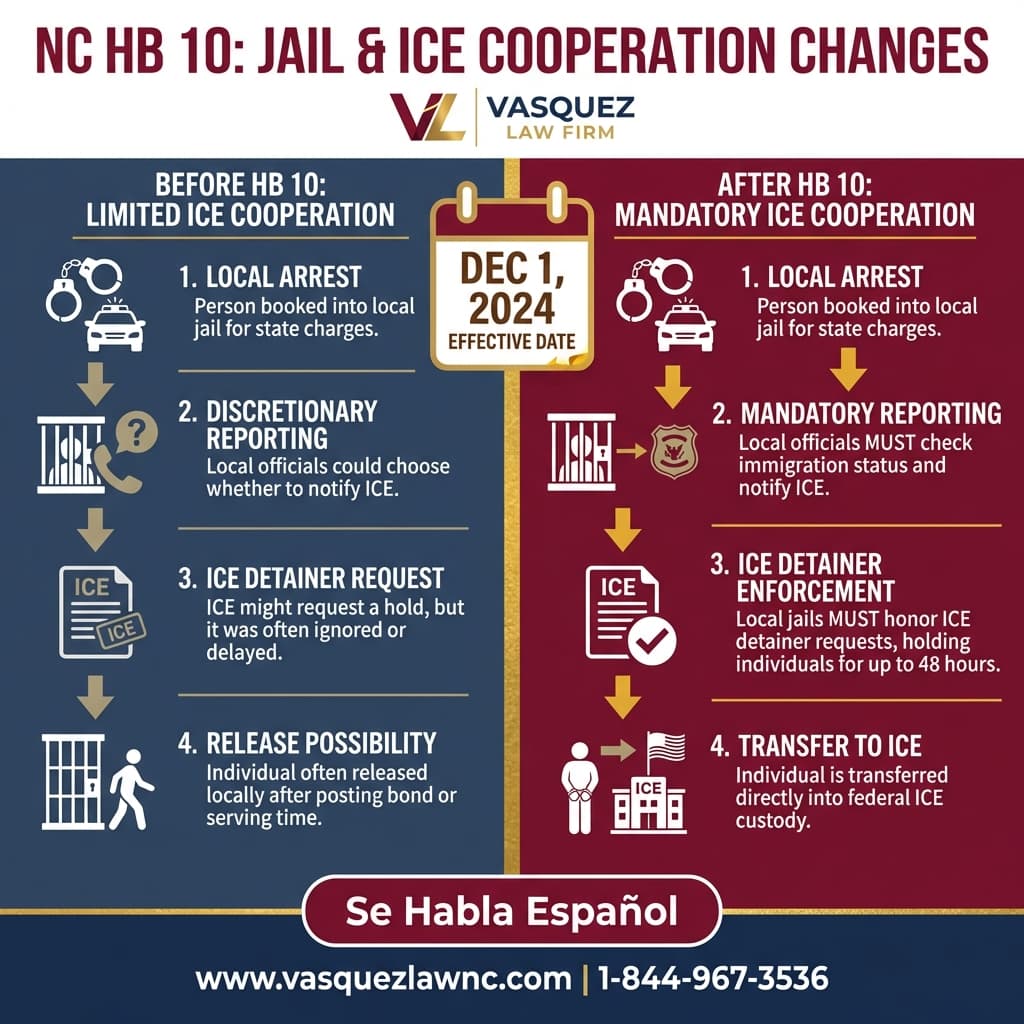
Charlotte, NC, has seen several ICE enforcement actions focused on workplaces and communities with high immigrant populations. North Carolina law does not provide sanctuary protections, making local cooperation with ICE common. However, local police generally do not enforce immigration laws, which means ICE operates mostly separately. Knowing local ICE activity patterns can help you stay alert.
Florida Notes
Florida has a mixed approach to ICE cooperation with some cities embracing stricter enforcement. Miami and Orlando face regular ICE deployment tied to immigration raids and removal operations. Florida law allows ICE agents to use information from local law enforcement but also faces legal challenges regarding unlawful detentions. Keeping current on local policy changes is important.
Nationwide Concepts
Across the U.S., ICE removal operations follow federal statutes such as 8 U.S.C. § 1231, which guides detention and removal after final orders. Practices vary by state and location. Some jurisdictions have adopted "sanctuary" policies limiting ICE access to local jails, but federal agents can still operate freely in most areas. Nationwide, ICE deployment remains a significant part of immigration enforcement strategies.
When to Call a Lawyer Immediately
- If ICE agents come to your home or workplace unannounced
- If you or a family member is detained by ICE
- If you receive any paperwork from immigration or court
- If you face criminal charges linked to immigration status
- If you receive a notice to appear for removal proceedings
- If you need help understanding your rights during ICE encounters
- If you suspect you are targeted for removal based on past infractions
- If ICE threatens to deport you without a hearing
- If you have concerns about whether ICE followed proper procedures
About Vasquez Law Firm
At Vasquez Law Firm, we combine compassion with aggressive representation. Our motto "Yo Peleo" (I Fight) reflects our commitment to standing up for your rights. We know the fear and uncertainty ICE deployment can cause.
- Bilingual Support: Se Habla Español - our team speaks your language
- Service Areas: North Carolina, Florida, and nationwide immigration services
- Experience: Over 15 years helping clients navigate complex immigration matters
- Results: Thousands of successful cases across multiple practice areas
Attorney Trust and Experience
Attorney Vasquez holds a Juris Doctor degree and is admitted to practice in the North Carolina State Bar. With over 15 years of dedicated legal experience, he has built a reputation for providing personalized attention and guiding clients through complex immigration challenges including ICE enforcement cases.
Don't wait to get the help you deserve. Call us now for immediate assistance.
Se Habla Español
Frequently Asked Questions
Can ICE legally detain a U.S. citizen during deployment?
ICE agents generally do not detain U.S. citizens. However, mistakes can happen. If you are a U.S. citizen and get detained, immediately assert your citizenship and request to speak with a lawyer. Documenting the encounter carefully and contacting an attorney is crucial in these rare cases.
Can ICE ask for identification legally in Charlotte?
ICE has legal authority to ask for identification during immigration enforcement activities. In Charlotte, it's important to know your rights. You are not required to provide more information than your name and identification if stopped. Stay calm and consult an immigration attorney before giving detailed information.
Is ICE technically considered the police?
ICE is a federal immigration enforcement agency, not a traditional police force. Their role focuses on detaining individuals who violate immigration laws, including removal operations. While ICE officers have broad authority in immigration matters, they do not have full police powers like local law enforcement agencies.
What should I do if ICE deploys agents to my area?
Remain calm and avoid confrontation with ICE agents. Know your rights, including the right to remain silent and to request a lawyer. Gather important documents such as identification and immigration papers. Contact an immigration attorney immediately for guidance specific to your situation.
Can I sue ICE for detaining a U.S. citizen?
If ICE wrongfully detains a U.S. citizen, legal action may be possible but complex. These cases require detailed evidence and expert legal support. An experienced immigration attorney in Charlotte can evaluate your situation to determine if a lawsuit is valid and guide you through the process.
What are removal operations by ICE?
Removal operations involve identifying, detaining, and deporting unauthorized immigrants. These operations often include ICE deployment in communities to enforce immigration laws. Understanding how removal operations work helps individuals prepare and know their rights during these events.
How can Dreamers protect themselves during ICE deployment?
Dreamers should carry valid identification, stay informed about local immigration policies, and have trusted immigration lawyer contact information ready. Avoid sharing unnecessary personal information with ICE and contact legal counsel immediately if approached or detained.
Does ICE deployment only happen near borders?
No. In 2026, ICE deployment can occur in interior cities like Charlotte to enforce immigration laws. ICE targets individuals without proper status regardless of location, including workplaces, homes, and public areas.
Sources and References
- U.S. Citizenship and Immigration Services (USCIS)
- Executive Office for Immigration Review
- ICE Removal Operations
Facing immigration issues in Charlotte? Our Charlotte immigration lawyers can review your case.
Take the first step toward justice today. Our team is standing by to help.
Start Your Free Case Evaluation Now
Call us: 1-844-967-3536
Se Habla Español - Estamos aquí para ayudarle.

William Vasquez
Founder & CEO, Vasquez Law Firm, PLLC
William Vasquez is the founder and CEO of Vasquez Law Firm, PLLC, a results-driven firm specializing in immigration, criminal defense, personal injury, and workers' compensation. A U.S. Air Force veteran and recipient of the Joint Service Achievement Medal, William is dedicated to fiercely fighting for his clients' rights.
Related Legal Services
Need legal help? Learn more about get immigration legal help today, or contact us for a free evaluation.
You can also visit immigration lawyers serving all of North Carolina for more information.