What ICE Abolition Would Mean for Immigrants in 2026
Understand ICE abolition efforts and their potential impact on immigrants in 2026. Learn your rights and how Vasquez Law can help. Contact us today.
Published on March 1, 2026
Talk to an immigration attorney
Free call. A clear plan for your case.
Free & confidential · Se habla espanol · 24/7
Have questions? Talk to an attorney - free evaluation.
Call 1-844-967-3536Worried how the latest immigration news affects you?
Schedule a confidential case review with an immigration attorney - know exactly where you stand.
What ICE Abolition Would Mean for Immigrants in 2026
The call for ICE abolition has been a significant topic in immigration discourse, sparking debates about the future of immigration enforcement in the United States. For immigrants and their families, understanding what ICE abolition means, its potential implications, and how it might affect their lives in 2026 is crucial. This movement seeks to fundamentally restructure or eliminate U.S. Immigration and Customs Enforcement, an agency responsible for enforcing immigration laws. While the complete abolition of ICE remains a complex political and legal challenge, its discussion highlights deep concerns about enforcement practices and civil liberties. Vasquez Law Firm is dedicated to keeping clients informed and protected amidst these ongoing discussions.
Need help with your immigration case? Our experienced attorneys are ready to fight for you. Se Habla Español.
Schedule Your Free Case Evaluation
Or call us now: 1-844-967-3536
Quick Answer
ICE abolition refers to the movement advocating for the dismantling or significant restructuring of U.S. Immigration and Customs Enforcement. Proponents argue that ICE's enforcement tactics are harmful and violate human rights, while opponents emphasize its role in national security and border control. In 2026, the debate continues, with no immediate federal legislation for complete abolition, though policy changes and local resistance efforts are ongoing.
- The movement pushes for ending current immigration enforcement practices.
- It involves legislative proposals, protests, and advocacy by various organizations.
- If ICE were abolished, its functions would likely be reassigned or reformed within other agencies.
- Immigrants' rights and due process would be central to any future enforcement model.
- The debate impacts policy discussions at both federal and local levels.
Understanding the ICE Abolition Movement in 2026
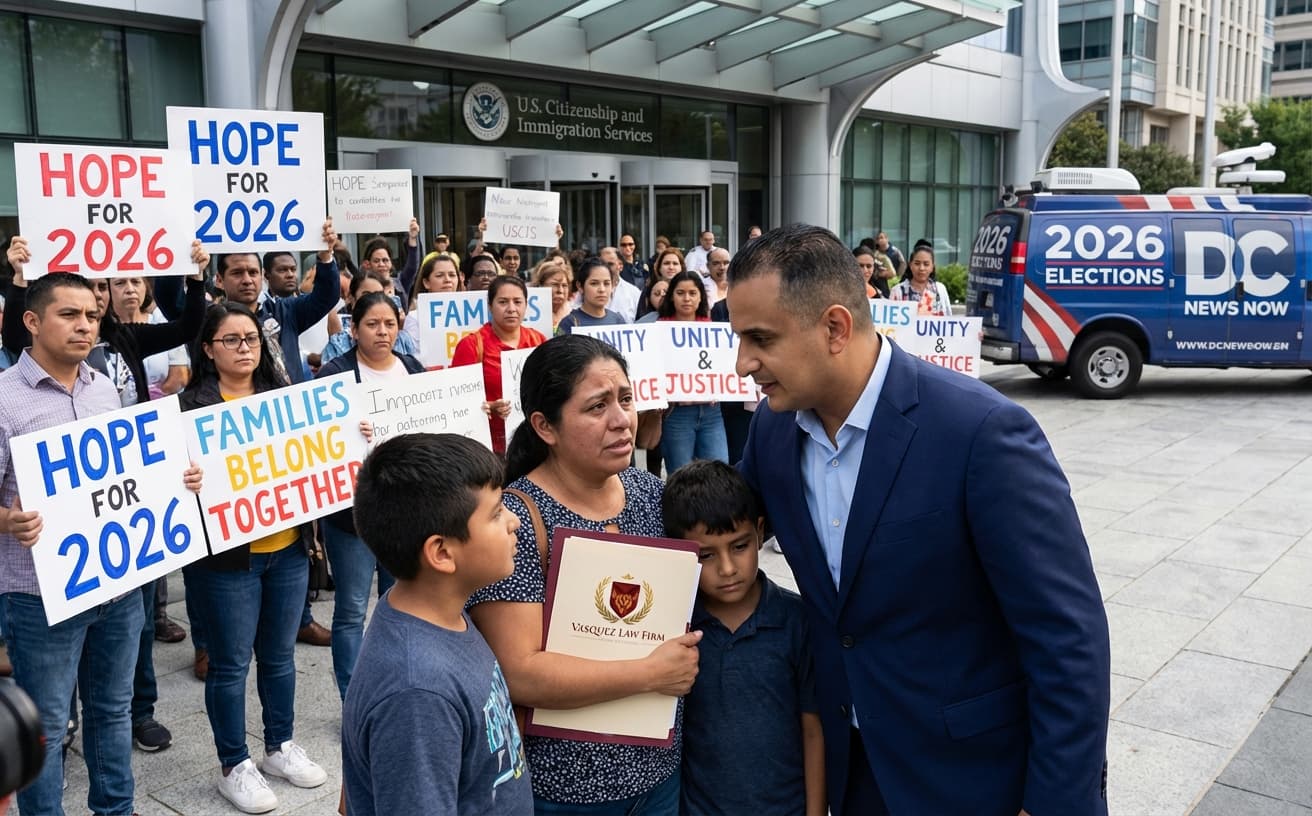
The movement for ICE abolition gained significant traction in recent years, fueled by concerns over certain immigration enforcement practices, family separations, and detention conditions. In 2026, this debate remains at the forefront of immigration policy discussions, influencing political platforms and community advocacy. The core argument for ICE abolition centers on the belief that the agency, established in 2003, has become overly militarized and operates with insufficient oversight, leading to human rights abuses and the erosion of trust within immigrant communities.
Advocates propose various alternatives to current ICE operations, ranging from complete defunding and dissolution to reassigning its functions to other government bodies with a greater emphasis on humanitarian concerns and due process. This push is not merely about removing an agency but reimagining how immigration laws are enforced. For instance, some suggest that investigations could be handled by the FBI, while border security could remain under Customs and Border Protection (CBP), with a new, more humane approach to interior enforcement.
The legal and political landscape surrounding ICE abolition is complex. Any significant change would require legislative action from Congress, which currently faces deep divisions on immigration reform. However, even without federal abolition, the movement has influenced local policies, leading to sanctuary city initiatives and limitations on local law enforcement cooperation with ICE. These local efforts, particularly in states like North Carolina and Florida, can significantly impact how immigrants interact with authorities and their vulnerability to detention and deportation. Understanding these nuances is vital for anyone navigating the immigration system in 2026.
What Would Happen if We Abolished ICE? Potential Scenarios
If ICE were to be abolished, the immediate impact would depend heavily on the legislative framework replacing it. One common misconception is that abolishing ICE would mean open borders or an end to immigration enforcement entirely. This is generally not the case. Instead, most proposals for ICE abolition involve reassigning its core functions to existing agencies or creating new ones with different mandates and operational guidelines. The primary goal is to shift from a punitive, enforcement-heavy approach to one that prioritizes human rights, due process, and community integration.
For example, border enforcement and customs duties could be fully integrated into Customs and Border Protection (CBP) or the Department of Homeland Security (DHS) with stricter oversight on civil liberties. Interior enforcement, such as identifying and apprehending individuals residing in the U.S. without authorization, might be handled by a reformed agency focused on investigations rather than raids, or even transferred to agencies like the U.S. Marshals Service or the FBI for criminal matters. The focus would likely shift towards targeting individuals with serious criminal convictions, rather than broad enforcement that impacts families and communities.
Detention facilities would also see significant changes. Many abolition advocates call for an end to private detention centers and a drastic reduction in the overall number of detainees, favoring alternatives to detention like community-based programs or electronic monitoring. The legal process for deportation would still exist, but it would likely be reformed to ensure more robust access to legal counsel and clearer pathways for asylum and other forms of relief. For immigrants in North Carolina and Florida, these changes could mean a less intimidating and more equitable enforcement environment, emphasizing legal rights and protections under 8 U.S.C. § 1229a, which governs removal proceedings.
Immigrant Rights and the Abolish ICE Movement in 2026
A central pillar of the ICE abolition movement is the protection and expansion of immigrant rights. Advocates argue that current ICE practices often infringe upon constitutional rights, including due process and protection against unreasonable searches and seizures. The movement seeks to ensure that any future immigration enforcement system upholds these fundamental rights for all individuals, regardless of their immigration status. This includes ensuring access to legal representation, safeguarding against racial profiling, and limiting warrantless arrests.
In 2026, understanding your rights when encountering immigration officials remains paramount, whether ICE exists in its current form or is reformed. You have the right to remain silent, the right to refuse a search without a warrant, and the right to speak with an attorney. Even in states like North Carolina and Florida, where state and local law enforcement may have varying levels of cooperation with federal immigration authorities, these fundamental protections apply. Knowing how to assert these rights can make a critical difference in an encounter with law enforcement.
The movement also emphasizes the importance of community support and rapid response networks to protect immigrants from enforcement actions. Organizations across the country, including those in Smithfield and surrounding areas, provide resources and legal aid to help immigrants understand their options and navigate the complex legal system. Vasquez Law Firm is committed to defending these rights and providing robust legal defense for individuals facing immigration challenges. For more information on your rights, consider resources from the ACLU Immigrants' Rights Project.
Don't face your legal challenges alone. Our team is here to help you every step of the way.
Call today: 1-844-967-3536 | Se Habla Español
Political Landscape and Legislative Efforts for ICE Reform
The political will for ICE abolition varies widely across the political spectrum. While some progressive politicians and advocacy groups explicitly call for ICE abolition, others propose significant reforms rather than outright elimination. In 2026, the debate continues to be a key issue in federal elections and policy discussions. For instance, the "Abolish ICE Act" has been introduced in Congress by some Democrats, aiming to dismantle the agency and transfer its functions. However, such legislation faces considerable opposition and has not gained sufficient bipartisan support to pass.
Instead of full abolition, more moderate proposals often focus on increasing accountability, improving oversight, and redirecting resources towards addressing the root causes of migration. These reforms might include restricting ICE's authority to conduct certain types of raids, improving conditions in detention facilities, and ensuring better access to legal counsel for detainees. The Executive Office for Immigration Review (EOIR), which oversees immigration courts, would also be a key area for reform to ensure fair and efficient adjudication of cases.
For immigrants and their advocates, understanding these legislative efforts is crucial. Even if complete ICE abolition is not immediately achievable, incremental reforms can still have a profound impact on the lives of those navigating the immigration system. It's important to stay informed about proposed bills and policy changes at both federal and state levels, particularly in states with large immigrant populations like North Carolina and Florida. These policy shifts can influence everything from visa processing to deportation defense strategies.
Impact on Immigrant Communities in NC and FL
The ongoing debate surrounding ICE abolition has a tangible impact on immigrant communities in North Carolina, Florida, and across the nation. In Smithfield and other areas, the presence and actions of ICE can create fear and distrust, discouraging immigrants from reporting crimes, seeking medical care, or engaging with local government services. This chilling effect can undermine public safety and community well-being. The call for ICE abolition seeks to alleviate this fear and foster stronger, more integrated communities.
In North Carolina, policies regarding local law enforcement cooperation with ICE, such as 287(g) agreements, are particularly contentious. These agreements deputize local officers to act as immigration agents, leading to increased immigration arrests and detentions. The abolition movement pushes to end such agreements, arguing they blur the lines between local policing and federal immigration enforcement, eroding trust between police and immigrant residents. Similarly, in Florida, legislative efforts related to immigration enforcement continue to shape the daily lives of many immigrant families.
For individuals and families in these states, the uncertainty surrounding ICE's future can be incredibly stressful. Vasquez Law Firm understands these concerns and provides comprehensive immigration legal services, helping clients understand their rights and navigate complex situations. Whether it's defending against deportation, assisting with visa applications, or addressing issues related to immigration enforcement, our team is here to provide dedicated support. We are committed to fighting for justice for our clients, reflecting our motto, "Yo Peleo."
About Vasquez Law Firm
At Vasquez Law Firm, we combine compassion with aggressive representation. Our motto "Yo Peleo" (I Fight) reflects our commitment to standing up for your rights. We understand the profound impact that immigration issues can have on individuals and families, and we are dedicated to providing personalized, effective legal solutions.
- Bilingual Support: Se Habla Español - our team is fully bilingual, ensuring clear communication and understanding.
- Service Areas: We proudly serve clients in North Carolina, Florida, and provide nationwide immigration services.
- Experience: With over 15 years of dedicated legal experience, we have a proven track record of helping clients navigate complex legal matters.
- Results: Our firm has successfully handled thousands of cases across multiple practice areas, always striving for the best possible outcomes.
Attorney Trust and Experience
Attorney Vasquez holds a Juris Doctor degree and is admitted to practice in both the North Carolina State Bar and Florida Bar. With over 15 years of dedicated legal experience, he has built a reputation for providing personalized attention and achieving favorable outcomes for his clients. His deep understanding of immigration law, coupled with a compassionate approach, makes him a trusted advocate for those facing challenging legal situations.
When to Call an Immigration Lawyer for Help
Navigating the complexities of immigration law, especially amidst discussions of ICE abolition and potential reforms, requires expert legal guidance. You should contact an immigration lawyer immediately if any of the following situations apply to you:
- You or a family member has been detained by ICE or other immigration authorities.
- You have received a Notice to Appear (NTA) in immigration court.
- You are facing deportation or removal proceedings.
- You are seeking asylum or refugee status.
- You are applying for a visa, Green Card, or citizenship and encounter unexpected delays or denials.
- You have concerns about your rights during an encounter with immigration officials.
- You are considering applying for DACA or other relief and need to understand eligibility.
- You need to understand the potential impact of current or proposed immigration policies on your status.
- You have questions about bond hearings or options for release from detention.
- You want to explore all available legal pathways to secure your immigration status in the U.S.
Don't hesitate to seek professional legal advice. Early intervention by an experienced immigration attorney can significantly improve the outcome of your case. Vasquez Law Firm is ready to provide the urgent, compassionate, and aggressive representation you deserve.
Frequently Asked Questions
Why are people saying "abolish ICE"?
The call to abolish ICE stems from widespread concerns over its enforcement tactics, which many critics argue are overly aggressive, inhumane, and infringe on civil liberties. Advocates point to family separations, detention conditions, and perceived lack of accountability as reasons for the agency's elimination or significant reform. They believe a new approach is needed for immigration enforcement in 2026.
What would happen if we abolished ICE?
If ICE were abolished, its functions would likely be reallocated to other government agencies or new entities designed with different mandates. Border security would remain with CBP, while interior enforcement might be handled by a reformed agency focusing on criminal investigations and human rights. It would not mean an end to immigration law enforcement, but a fundamental shift in its execution.
Who are the Democrats who support abolishing ICE?
A number of progressive Democrats in Congress and at state levels have voiced support for ICE abolition or significant restructuring. Prominent figures often include members of the "Squad" and other progressive leaders who advocate for comprehensive immigration reform focused on human rights and due process. Their legislative efforts, such as the "Abolish ICE Act," reflect these positions.
Can you legally refuse ICE entry to your home?
Yes, generally, you can legally refuse ICE agents entry to your home without a warrant signed by a judge. If agents do not have a warrant, or if the warrant is not signed by a judge (an administrative warrant from ICE is not sufficient), you are not required to open your door. You have the right to remain silent and should consult with an attorney immediately.
When did the abolish ICE movement start?
While criticisms of immigration enforcement have existed for decades, the modern "abolish ICE" movement gained significant momentum around 2018. This surge was primarily in response to the Trump administration's "zero tolerance" policy at the border, which led to widespread family separations and increased public scrutiny of ICE's operations. The movement has continued to evolve since then.
What is the "Abolish ICE Act"?
The "Abolish ICE Act" is proposed federal legislation introduced by some members of Congress. Its aim is to dismantle U.S. Immigration and Customs Enforcement and transfer its various functions to other government departments. The bill seeks to reform immigration enforcement by prioritizing human rights and due process, but it faces significant political hurdles for passage in 2026.
How does ICE abolition affect DACA recipients?
ICE abolition could significantly impact DACA recipients by potentially altering the enforcement landscape. If ICE's functions are reformed or reassigned, it could lead to a less punitive environment for undocumented immigrants, including Dreamers. However, DACA's legal standing remains its own complex issue, and any changes to ICE would be separate from a permanent legislative solution for DACA.
Are there alternatives to ICE detention?
Yes, advocates for ICE abolition and reform frequently propose alternatives to detention (ATD) programs. These include community-based supervision, electronic monitoring, and case management services, which allow individuals to remain in their communities while awaiting immigration court proceedings. These alternatives are seen as more humane and cost-effective than traditional detention facilities.
How does ICE abolition relate to border security?
The ICE abolition movement primarily targets interior enforcement, not border security itself. While ICE does have a role in border enforcement, its main functions involve identifying, apprehending, and deporting undocumented immigrants within the U.S. Abolition proposals typically suggest that border security responsibilities would remain with CBP or other agencies, potentially with increased oversight and accountability.
What is Vasquez Law Firm's stance on ICE abolition?
Vasquez Law Firm's primary focus is to protect the rights of immigrants and ensure they receive fair and just treatment under current laws. While we monitor the ongoing debate around ICE abolition and its potential impacts, our stance is to provide aggressive and compassionate legal defense, regardless of the enforcement structure. We advocate for humane and lawful processes for all our clients.
Sources and References
- U.S. Citizenship and Immigration Services (USCIS)
- U.S. Department of State
- Executive Office for Immigration Review (EOIR)
Need immigration help? Our immigration attorneys can review your case.
Ready to take the next step? Contact Vasquez Law Firm today for a free, confidential consultation. We're committed to fighting for your rights and achieving the best possible outcome for your case.
Start Your Free Case Evaluation Now
Call us: 1-844-967-3536
Se Habla Español - Estamos aquí para ayudarle.


William Vasquez
Founder & CEO, Vasquez Law Firm, PLLC
William Vasquez is the founder and CEO of Vasquez Law Firm, PLLC, a results-driven firm specializing in immigration, criminal defense, personal injury, and workers' compensation. A U.S. Air Force veteran and recipient of the Joint Service Achievement Medal, William is dedicated to fiercely fighting for his clients' rights.
Related Legal Services
Need legal help? Learn more about NC immigration legal team, or contact us for a free evaluation.
You can also visit immigration attorneys across North Carolina for more information.