DUI Patrols San Diego: What You Should Know in 2026
Learn about DUI patrols San Diego in 2026, how they work, and what to do if stopped. Contact Vasquez Law for a free consultation today.
Vasquez Law Firm
Published on March 17, 2026
Have questions? Talk to an attorney — free evaluation.
Call 1-844-967-3536DUI Patrols San Diego: What You Should Know in 2026
In 2026, DUI patrols in San Diego remain a key law enforcement tool to reduce impaired driving and save lives. These patrols set up checkpoints and conduct saturation patrols to catch drivers under the influence. If you're stopped at a San Diego DUI patrol, knowing your rights and next steps is critical. This guide covers how DUI patrols operate, what to expect, timelines, common mistakes to avoid, and when to call a lawyer. Whether you are in San Diego or facing charges in Charlotte or Florida, understanding DUI patrol protocols can protect your rights and help you navigate the legal system with confidence.
Need help with your case? Our experienced attorneys are ready to fight for you. Se Habla Español.
Got a Traffic Ticket?
Don't let points pile up. Our traffic attorneys can help protect your license.
Schedule Your Free Consultation
Or call us now: 1-844-967-3536
Quick Answer
DUI patrols in San Diego, including checkpoints and saturation patrols, increase enforcement during high-risk times to reduce drunk driving. Drivers stopped have rights, and understanding the process helps protect them.
- Checkpoints are often announced but can be unannounced for effectiveness
- Police look for signs of impairment through observation and testing
- Refusing testing can lead to automated penalties
- Knowing your rights can prevent unnecessary arrest or fines
- Contacting a DUI lawyer promptly is critical after a stop or arrest
Understanding DUI Patrols in San Diego
DUI patrols serve to reduce the number of impaired drivers on the road. San Diego Police and Sheriff’s Department increase patrols during holidays and weekends, especially around events like St. Patrick’s Day. In 2026, patrols include setting up checkpoints and saturation patrols that stop drivers exhibiting signs of intoxication. According to local news reports, these patrols have contributed to a measurable decline in alcohol-related crashes.
Types of DUI Patrols
- Checkpoints: Fixed locations where officers stop vehicles to evaluate drivers for intoxication.
- Saturation Patrols: Officers actively seek impaired drivers in targeted areas.
Legal Requirements for Checkpoints
DUI checkpoints must follow strict constitutional guidelines. Police must provide advance notice, set up visible signage, and follow predetermined rules about vehicle stops to avoid allegations of arbitrary enforcement. These measures balance public safety with driver rights.
How These Patrols Affect Public Safety
Data from the National Highway Traffic Safety Administration (NHTSA) shows that DUI patrols reduce fatalities and injuries. San Diego’s strategic timing of patrols during high-risk evenings maximizes their impact.
Step-by-Step: What Happens at a DUI Checkpoint
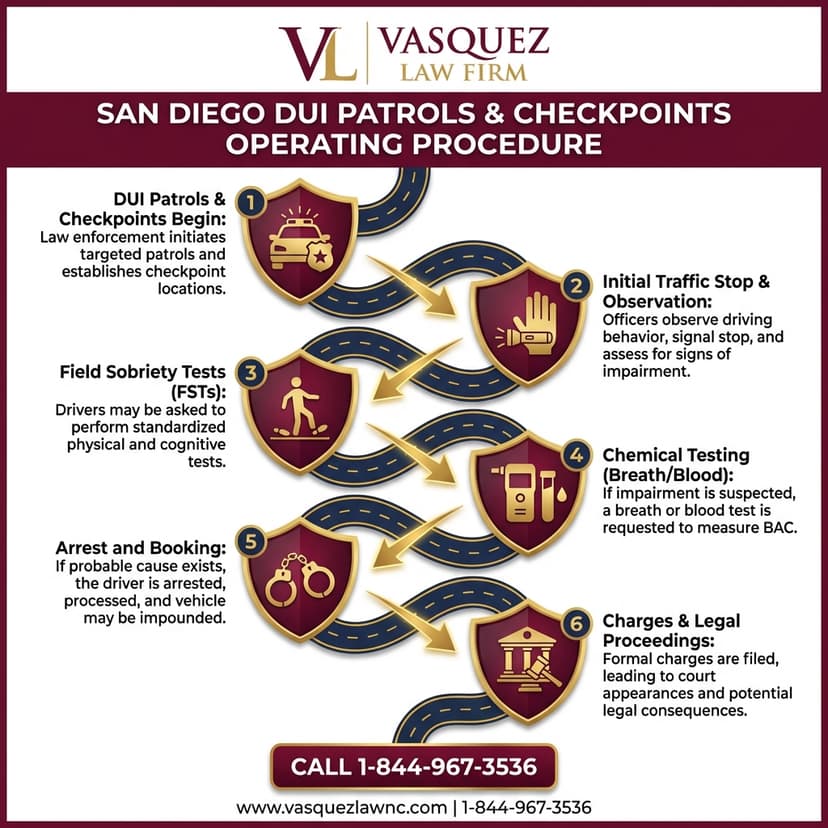
Imagine driving home in San Diego late at night and arriving at a DUI checkpoint. Here's what typically happens:
1. Approaching the Checkpoint
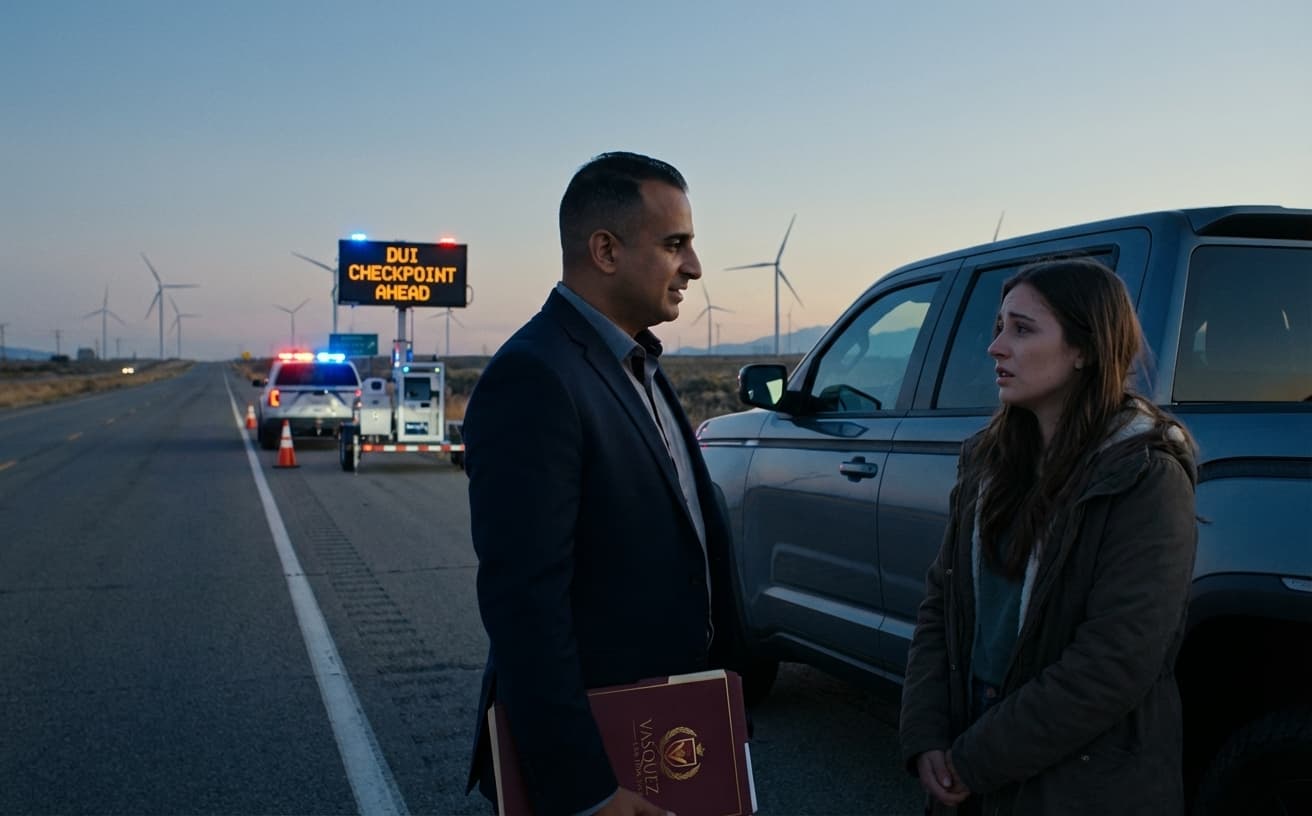
Warning signs notify drivers well before the checkpoint. An officer may motion you to stop for screening.
2. Initial Interaction
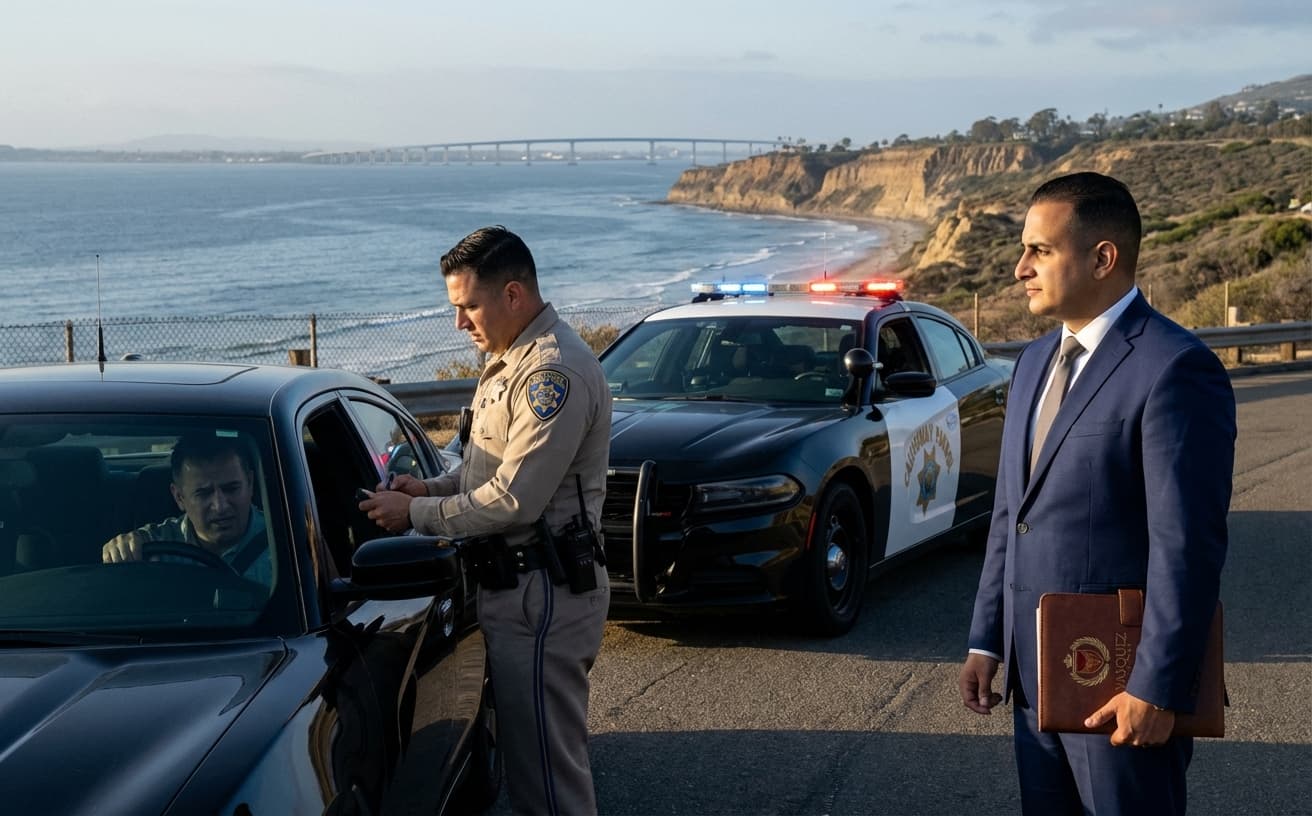
The officer asks for your license and registration and watches for signs of impairment—such as smell of alcohol, slurred speech, or red eyes.
3. Screening and Testing
If there is reasonable suspicion, you may be asked to step out for field sobriety tests or a breathalyzer. Refusing these tests results in automatic penalties.
4. Outcome
- If no signs of impairment are found, you are allowed to continue driving.
- If signs are evident or you fail tests, you may be arrested and taken to a police station for further testing.
Don't wait to get the help you deserve. Call us now for immediate assistance.
Se Habla Español
Common Mistakes to Avoid During DUI Patrol Stops
- Refusing field sobriety or chemical tests: Always know that refusals can lead to immediate license suspension and worse penalties. Consider legal advice before refusing.
- Being uncooperative or argumentative: Stay calm and polite as hostility can escalate the situation.
- Failing to provide requested documents: Always carry your license and registration to avoid violations.
- Not knowing your rights: You have the right to remain silent beyond required identification and to request a lawyer.
- Assuming a DUI means automatic jail: Many first offenses result in probation and classes, but legal counsel is key to minimizing damage.
If you only remember one thing: Respect officers while protecting your rights, and call an attorney immediately after a stop.
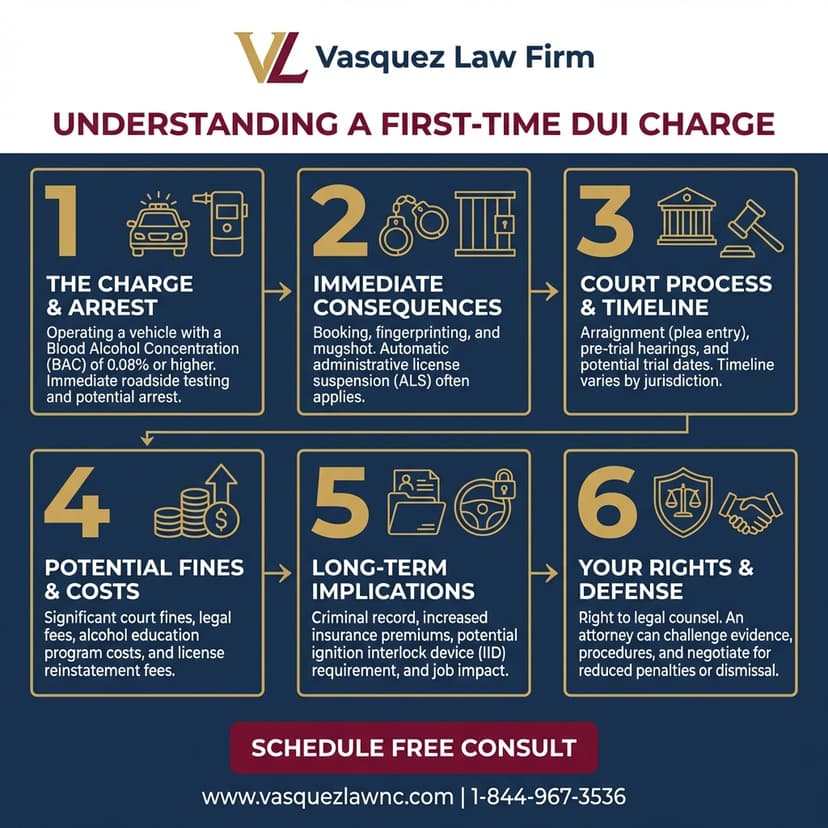
Timeline: What to Expect After a DUI Arrest
- Day 1-3: Arrest, booking, and chemical testing at the station.
- Week 1: DA review; bail or release conditions set.
- Week 2-4: Initial court appearance or arraignment.
- Month 1-3: Pre-trial motions, discovery, possible negotiation.
- Month 3-6: Trial or plea deal; sentencing if convicted.
This timeline may vary depending on caseloads and jurisdiction. Immediate legal representation helps navigate these stages effectively.
Costs and Factors Affecting DUI Cases
- Attorney fees: Vary based on case complexity and attorney experience.
- Court fines: Can range from hundreds to thousands of dollars.
- License reinstatement fees: Often required after suspensions.
- Insurance increases: DUI convictions usually raise insurance premiums significantly.
- Treatment or classes: Mandatory alcohol education or treatment programs add to costs.
Knowing these helps prepare financially and emphasizes the value of skilled legal help to reduce expenses where possible.
When to Call a Lawyer Immediately
- If you are arrested at a DUI checkpoint or by patrols
- If you refuse or fail chemical tests
- If your license is suspended or revoked
- If facing repeat DUI charges
- If you experienced an accident while intoxicated
- If criminal charges beyond DUI are involved (e.g., injury, felony)
- If police procedures at checkpoints were questionable
- If you’ve been asked to enter a plea
- If you need help negotiating with prosecutors
- If your insurance or employment is affected
About Vasquez Law Firm
At Vasquez Law Firm, we combine compassion with aggressive representation. Our motto "Yo Peleo" (I Fight) reflects our commitment to standing up for your rights.
- Bilingual Support: Se Habla Español - our team is fully bilingual
- Service Areas: North Carolina, Florida, and nationwide immigration services
- Experience: Over 15 years helping clients navigate complex legal matters
- Results: Thousands of successful cases across multiple practice areas
Attorney Trust and Experience
Attorney Vasquez holds a Juris Doctor degree and is admitted to practice in both the North Carolina State Bar and Florida Bar. With over 15 years of dedicated legal experience, he has built a reputation for providing personalized attention and achieving favorable outcomes for his clients.
Don't wait to get the help you deserve. Call us now for immediate assistance.
Se Habla Español
Frequently Asked Questions
Where are the DUI checkpoints in San Diego?
DUI checkpoints in San Diego are typically set up at strategic locations with high traffic volumes. The police announce some checkpoints in advance through press releases while others remain unannounced to increase effectiveness. Common locations include major highways, downtown areas, and near event venues. It is legal in California for these checkpoints to operate, but they must follow strict rules on signage and procedure to ensure drivers’ rights are protected.
What happens when you get a DUI in San Diego?
If you are arrested for DUI in San Diego, you will be required to submit to chemical testing like a breathalyzer or blood test. A failure or refusal can lead to automatic license suspension. You may be booked, fingerprinted, and required to appear in court. Potential penalties include fines, license suspension, DUI school, and possible jail time depending on prior offenses and blood alcohol content. Hiring a lawyer early can help protect your rights.
What time do DUI checkpoints usually end?
DUI checkpoints in areas like San Diego typically operate during nighttime and early morning hours, often from 9 p.m. to 3 a.m., when impaired driving incidents peak. The exact duration depends on staffing and operational plans. Law enforcement aims to maximize DUI detection hours while minimizing unnecessary traffic delays. Being aware of these times can help drivers plan routes safely but never drink and drive.
Can you legally turn around at a DUI checkpoint?
In California, drivers generally have the right to turn around before reaching a DUI checkpoint as long as they do not violate traffic laws or create unsafe conditions. However, officers may be alerted if many vehicles turn around suddenly, which could prompt further stops. Always follow posted signs and drive cautiously. Turning around to avoid a checkpoint is legal but should be done carefully.
Should I Fight My Traffic Ticket?
Find out if it's worth fighting
Question 1 / 3
What were you cited for?
Keep Reading
What are the penalties for a first-time DUI in North Carolina?
A first-time DUI in North Carolina can lead to fines ranging from $200 to $1,000, license suspension for up to 12 months, mandatory alcohol education classes, and possible jail time of up to 45 days. A conviction stays on your record for 10 years. Laws vary slightly in Florida and other states. Early legal advice can prevent costly mistakes and reduce penalties.
How do DUI patrols in San Diego affect local crime rates?
DUI patrols in San Diego have proven to reduce impaired driving crashes and related accidents significantly. Increased checkpoints and saturation patrols during holidays and special events deter drunk driving, contributing to safer roads. These patrols often work with other law enforcement efforts, such as manhunts and high-visibility campaigns, to maintain public safety and reduce alcohol-related incidents.
Are DUI checkpoints legal in North Carolina?
DUI checkpoints are legal in North Carolina but must comply with constitutional rules. Police need to follow guidelines to ensure checkpoints are not arbitrary or discriminatory. North Carolina courts require that checkpoints have a set plan, visible signage, and follow prescribed stopping patterns. Unlike some states, North Carolina tends to allow checkpoints to ensure safety while protecting drivers’ constitutional rights.
What evidence is needed to challenge a DUI arrest in Charlotte?
Challenging a DUI arrest in Charlotte often requires reviewing chemical test results, police reports, dashcam footage, and the legality of the traffic stop including whether there was probable cause. Errors in breathalyzer calibration or improper procedure can weaken the prosecution's case. Early consultation with a traffic violations attorney can help gather and examine evidence to build a strong defense.
Sources and References
- North Carolina DMV
- National Highway Traffic Safety Administration
- California Vehicle Code Section 281
Take the first step toward justice today. Our team is standing by to help.
Start Your Free Consultation Now
Call us: 1-844-967-3536
Se Habla Español - Estamos aquí para ayudarle.
Vasquez Law Firm
Legal Team
Our experienced attorneys at Vasquez Law Firm have been serving clients in North Carolina and Florida for over 30 years. We specialize in immigration, personal injury, criminal defense, workers compensation, and family law.
Related Legal Services
Need legal help? Learn more about our traffic violation law practice, or contact us for a free evaluation.
You can also visit our NC traffic attorneys for more information.