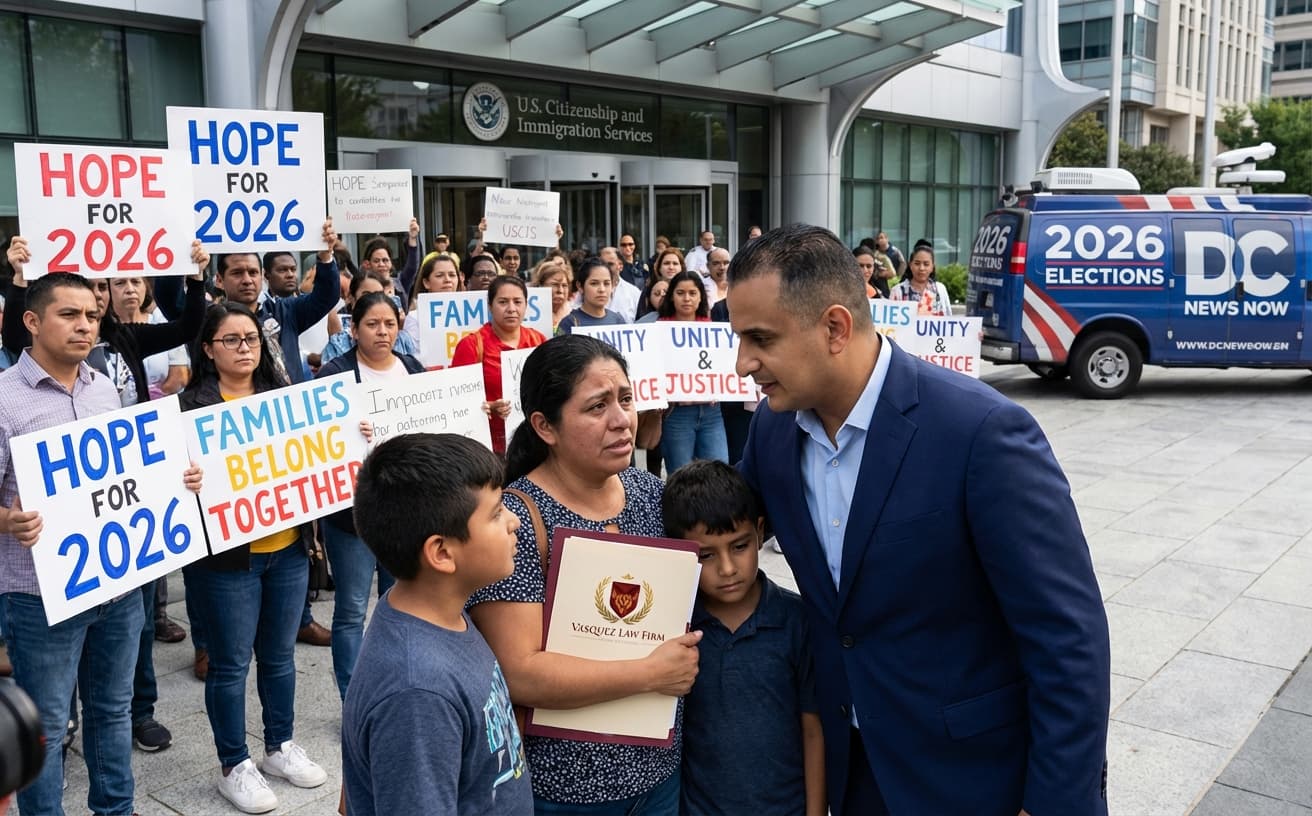
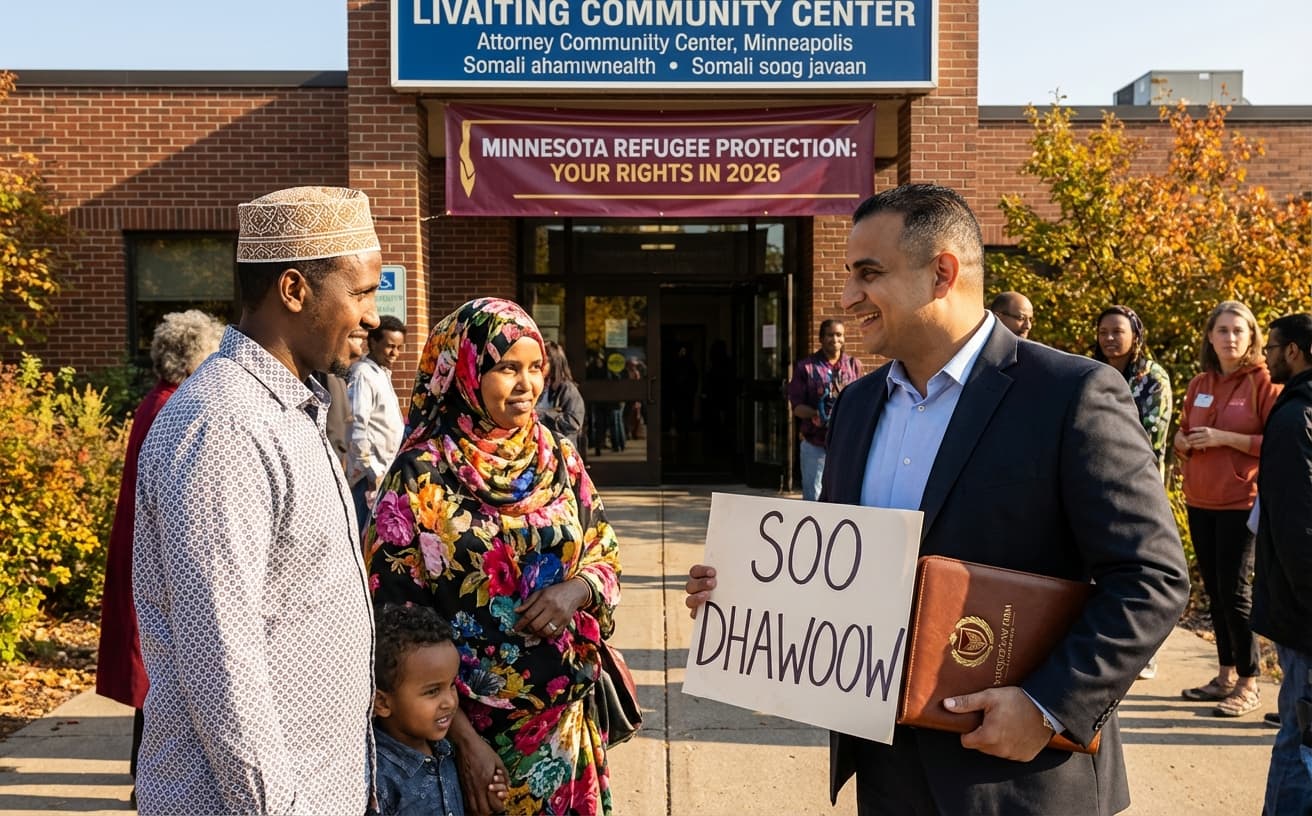
What the Birthright Citizenship Lawsuit Means for Your Rights in 2026
Understand your rights regarding birthright citizenship lawsuits in 2026. Get expert legal guidance from Vasquez Law Firm. Contact us for a free consultation.
Published on March 1, 2026
Talk to an immigration attorney
Free call. A clear plan for your case.
Free & confidential · Se habla espanol · 24/7
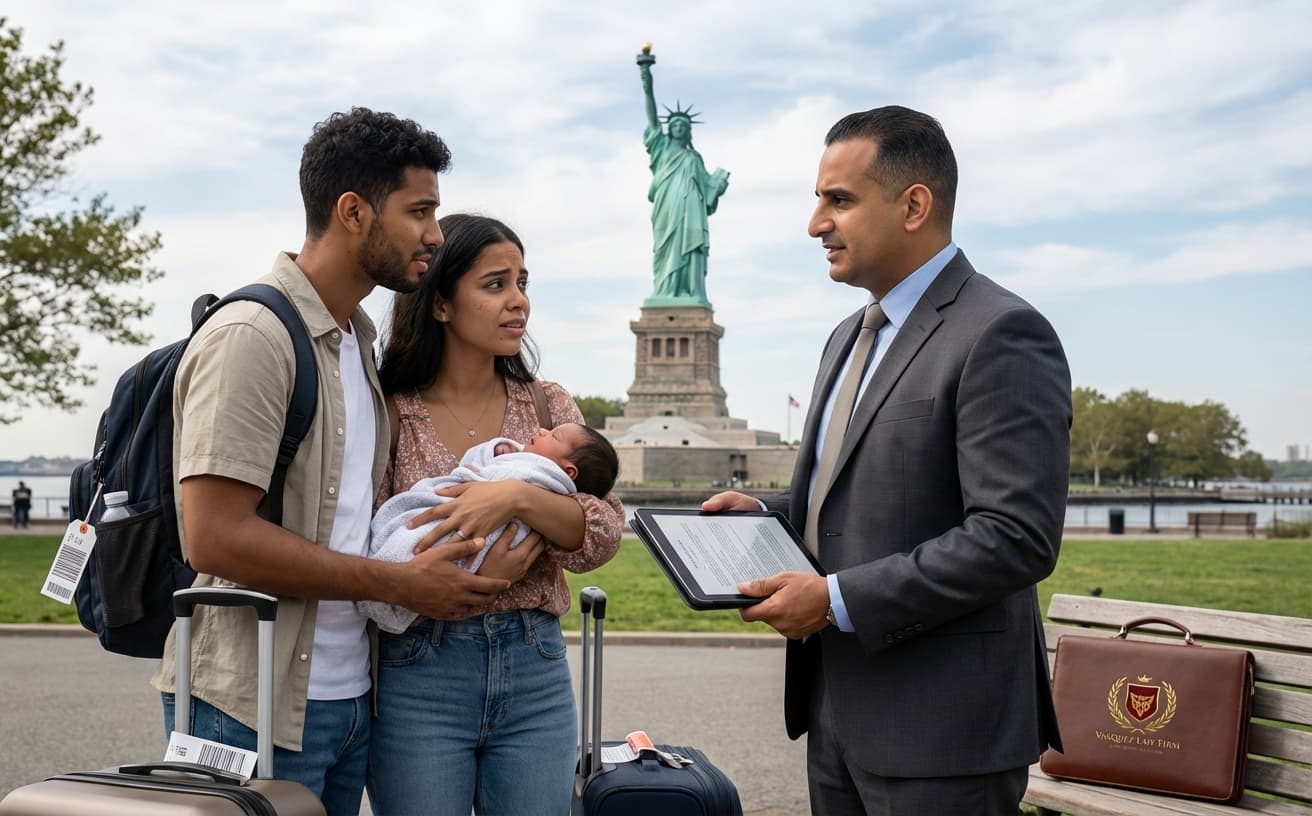
Have questions? Talk to an attorney - free evaluation.
Call 1-844-967-3536Talk to an Immigration Attorney Today
A clear plan for your case in one call - no obligation.
What the Birthright Citizenship Lawsuit Means for Your Rights in 2026
The concept of birthright citizenship in the United States, enshrined in the 14th Amendment, remains a cornerstone of American law. However, it has also been the subject of significant legal and political debate, leading to various challenges, including a notable birthright citizenship lawsuit. For individuals born in the U.S. to non-citizen parents, understanding the current legal landscape and any ongoing litigation is crucial to protecting their rights and future. As of 2026, these discussions continue to evolve, making it essential to stay informed about potential impacts on your family's immigration status and citizenship claims. Vasquez Law Firm is here to help you navigate these complex legal waters.
Need help with your immigration case? Our experienced attorneys are ready to fight for you. Se Habla Español.
Schedule Your Free Case Evaluation
Or call us now: 1-844-967-3536
Quick Answer
A birthright citizenship lawsuit typically challenges the interpretation or application of the 14th Amendment's Citizenship Clause. While the core principle remains strong, such lawsuits often focus on specific scenarios, like children born to undocumented immigrants or those of foreign diplomats. These legal battles aim to clarify or alter existing policies, but as of 2026, the fundamental right of birthright citizenship for those born on U.S. soil largely remains intact.
- The 14th Amendment's Citizenship Clause is the foundation.
- Lawsuits often target specific interpretations, not the core principle.
- Current legal challenges have not overturned birthright citizenship.
- Understanding your specific situation requires legal counsel.
- Stay informed on ongoing legal developments and rulings.
Understanding Birthright Citizenship in 2026
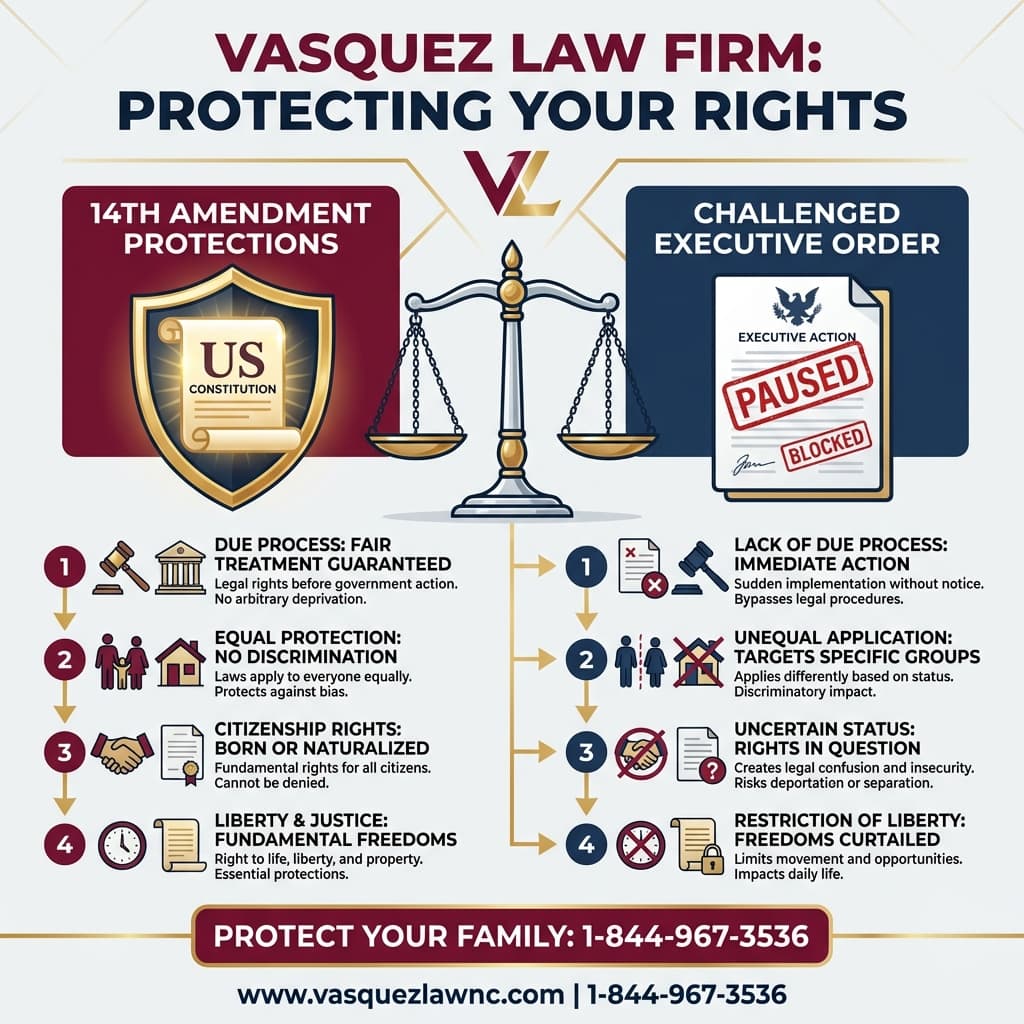
Birthright citizenship is a legal right to citizenship for all individuals born within a country's territory, regardless of their parents' citizenship or immigration status. In the United States, this right is primarily derived from the first sentence of the 14th Amendment to the Constitution, which states: "All persons born or naturalized in the United States, and subject to the jurisdiction thereof, are citizens of the United States and of the State wherein they reside." This clause has been interpreted by the Supreme Court to mean that nearly everyone born on U.S. soil is automatically a U.S. citizen.
The historical context of the 14th Amendment, ratified in 1868, was to grant citizenship to formerly enslaved people. Over time, its application has extended to all individuals born within U.S. borders, with very few exceptions, such as children of foreign diplomats. As of 2026, this principle remains a subject of ongoing debate and legal challenges, with various groups advocating for different interpretations or amendments to current law. These debates often fuel a birthright citizenship lawsuit.
Despite political rhetoric and calls for change, any alteration to birthright citizenship would likely require a constitutional amendment or a Supreme Court ruling that reinterprets decades of precedent. Both pathways are incredibly difficult to achieve. Therefore, for most individuals born in the U.S., their citizenship status is secure, regardless of their parents' immigration status. Vasquez Law Firm monitors these developments closely to provide accurate advice.
The 14th Amendment and its Interpretation
The phrase "subject to the jurisdiction thereof" is central to the debate surrounding birthright citizenship. Historically, this phrase has been understood to exclude only children of foreign diplomats and invading forces, as these individuals are not fully subject to U.S. law. However, opponents of birthright citizenship argue that this phrase should also exclude children born to undocumented immigrants, claiming they are not fully subject to U.S. jurisdiction.
The Supreme Court addressed this in United States v. Wong Kim Ark (1898), ruling that a child born in the U.S. to Chinese immigrants, who were not citizens but were permanent residents, was indeed a U.S. citizen. This ruling has largely set the precedent for birthright citizenship for over a century. Any new birthright citizenship lawsuit would need to present a compelling argument to challenge this long-standing interpretation and overcome the significant legal hurdle of established Supreme Court precedent.
Recent Birthright Citizenship Lawsuit Developments in 2026
In recent years, there have been several attempts to challenge birthright citizenship through legal means, often initiated by states or conservative groups. These challenges typically argue that the executive branch has the authority to define who is "subject to the jurisdiction" of the United States, or that the 14th Amendment was never intended to apply to children of undocumented immigrants. However, these lawsuits have faced significant uphill battles in federal courts, largely due to the strong precedent set by the Wong Kim Ark case.
As of 2026, no significant birthright citizenship lawsuit has successfully overturned or substantially altered the current understanding of the 14th Amendment. While some cases may proceed through lower courts, they often face dismissal or are overturned on appeal. For instance, a notable case supported by U.S. bishops challenged a past administration's executive order on birthright citizenship, highlighting the widespread support for the current interpretation from various organizations and legal scholars.
The legal landscape surrounding birthright citizenship is dynamic, with advocacy groups on both sides actively engaging in legal and political discourse. It is important for individuals concerned about their status or the status of their family members to consult with an immigration attorney who can provide up-to-date information and guidance. Vasquez Law Firm stays abreast of all rulings and legislative attempts that could impact birthright citizenship for residents of North Carolina, Florida, and nationwide.
States and the Supreme Court
Some states have attempted to pass legislation or join lawsuits aimed at limiting birthright citizenship, but these efforts have consistently been challenged on constitutional grounds. The authority to define citizenship rests primarily with the federal government, not individual states. Therefore, state-level actions often face preemption challenges and are unlikely to succeed without a significant shift in federal law or Supreme Court interpretation.
The ultimate arbiter of any major challenge to birthright citizenship would be the U.S. Supreme Court. While the Court's composition can change, its historical deference to precedent (stare decisis) makes it difficult to predict a radical departure from established law without extraordinary circumstances or a new constitutional amendment. The ongoing legal battles, including any birthright citizenship lawsuit, serve as a reminder of the fundamental importance of this constitutional right.
Impact on Immigrant Families and Dreamers
For immigrant families, especially those with mixed-status members, the stability of birthright citizenship is incredibly important. Children born in the U.S. are citizens regardless of their parents' immigration status, providing a degree of security and access to rights that their non-citizen parents may not have. This includes access to education, healthcare, and other social services, as well as the ability to sponsor family members for immigration later in life.
The existence of a birthright citizenship lawsuit can create anxiety and uncertainty for these families. Rumors and misinformation can spread quickly, leading to fear and confusion about their legal standing. It is essential for families in Smithfield, North Carolina, and across the country to rely on accurate legal information from trusted sources and to consult with an experienced immigration attorney if they have concerns. Vasquez Law Firm understands these anxieties and offers compassionate legal support.
For Dreamers, individuals brought to the U.S. as children without authorization, birthright citizenship is a distinct but related issue. While Dreamers are not U.S. citizens by birth, the principle of birthright citizenship underscores the idea that individuals who grow up in the U.S. and consider it their home deserve legal protections. Efforts to challenge birthright citizenship often go hand-in-hand with broader anti-immigrant sentiment, making it even more critical for immigrant communities to be aware of their rights and available legal resources.
Protecting Your Family's Rights
If you are part of a mixed-status family or have concerns about your child's citizenship, proactive steps can help protect your family's rights. Ensuring that your child's birth certificate is accurate and securing other identity documents, such as a Social Security card and U.S. passport, are fundamental. These documents serve as proof of U.S. citizenship and can be vital in any future legal or administrative interactions. It's important to remember that these documents affirm existing rights, not create them.
Additionally, staying informed about immigration law changes and consulting with an immigration attorney regularly can provide peace of mind. An attorney can help you understand the nuances of any ongoing birthright citizenship lawsuit and how it might impact your specific situation. They can also assist with other immigration matters, such as adjustment of status or immigration bonds, ensuring your family's legal standing is as strong as possible.
What to Expect if You Are Affected by a Birthright Citizenship Lawsuit
While the likelihood of a successful challenge to birthright citizenship remains low, it is natural to feel concerned. Should a significant legal development occur, the impact would likely be far-reaching and complex. Here’s what you might expect and how you can prepare:
- Increased Uncertainty: Even the initiation of a birthright citizenship lawsuit can create a period of uncertainty, leading to questions about the future for affected families.
- Legal Challenges: Any ruling that seeks to limit birthright citizenship would almost certainly face immediate and extensive legal challenges, likely extending over several years through various courts, including the Supreme Court.
- Public Debate: Expect intense public and political debate, with strong advocacy from both proponents and opponents of birthright citizenship.
- Need for Legal Counsel: The most crucial step for anyone potentially affected would be to seek immediate legal counsel from an experienced immigration attorney. They can provide accurate information and guide you through any new processes or requirements.
- Documentation: Ensure all birth and citizenship documents for U.S.-born children are up-to-date and securely stored. This includes birth certificates, passports, and Social Security cards.
It's important to differentiate between proposed legislation or political statements and actual changes in law. Until a court issues a final ruling or a constitutional amendment is passed, the fundamental right of birthright citizenship remains. Vasquez Law Firm is dedicated to keeping clients informed and prepared for any legal shifts.
Navigating Immigration Law with Expert Guidance
Immigration law is intricate and constantly evolving. For families in North Carolina and Florida, particularly those in Smithfield and surrounding areas, having reliable legal representation is not just beneficial, but often essential. Whether you are dealing with a birthright citizenship lawsuit, seeking to adjust your status, or facing other immigration challenges, the right legal team can make a significant difference.
At Vasquez Law Firm, we are committed to providing aggressive and compassionate advocacy for our clients. We understand the stakes involved in immigration cases and approach each situation with the dedication it deserves. Our "Yo Peleo" (I Fight) philosophy means we are relentless in protecting your rights and pursuing the best possible outcome. We offer comprehensive immigration services, from family-based petitions to deportation defense, ensuring you have a strong advocate by your side.
Don't face your legal challenges alone. Our team is here to help you every step of the way.
Call today: 1-844-967-3536 | Se Habla Español
About Vasquez Law Firm
At Vasquez Law Firm, we combine compassion with aggressive representation. Our motto "Yo Peleo" (I Fight) reflects our commitment to standing up for your rights. We understand the profound impact legal issues can have on individuals and families, which is why we approach every case with dedication and personalized attention. Our team is passionate about justice and provides robust legal defense in a variety of practice areas.
- Bilingual Support: Se Habla Español - our team is fully bilingual, ensuring clear communication and understanding for all our clients.
- Service Areas: We proudly serve clients across North Carolina and Florida, with comprehensive immigration services available nationwide.
- Experience: With over 15 years of dedicated legal experience, we have a proven track record of helping clients navigate complex legal matters successfully.
- Results: Our firm has achieved thousands of successful outcomes across multiple practice areas, demonstrating our commitment to client success.
Attorney Trust and Experience
Attorney Vasquez holds a Juris Doctor degree and is admitted to practice in both the North Carolina State Bar and Florida Bar. With over 15 years of dedicated legal experience, he has built a reputation for providing personalized attention and achieving favorable outcomes for his clients. His deep understanding of immigration law, coupled with a compassionate approach, makes Vasquez Law Firm a trusted advocate for immigrant communities. He is an attorney who truly fights for his clients.
Frequently Asked Questions
Is anyone born in the US automatically a citizen?
Yes, with very few exceptions, anyone born on U.S. soil is automatically a U.S. citizen under the 14th Amendment. This includes children born to undocumented immigrants, as established by the Supreme Court in United States v. Wong Kim Ark. The primary exceptions are children of foreign diplomats and invading forces, who are not considered subject to U.S. jurisdiction. This principle remains steadfast in 2026 despite ongoing debates.
What states are suing the birthright citizenship order?
As of 2026, there are no active, successful state-led lawsuits that have challenged the fundamental principle of birthright citizenship established by the 14th Amendment. While some states or state-affiliated groups have previously joined or supported lawsuits attempting to limit birthright citizenship, these efforts have generally failed in federal courts. The authority over citizenship primarily rests with the federal government, not individual states.
What's the argument against birthright citizenship?
Arguments against birthright citizenship often center on an alternative interpretation of the 14th Amendment's "subject to the jurisdiction thereof" clause. Opponents argue this clause was not intended to apply to children of undocumented immigrants, suggesting it should exclude those whose parents are not legally authorized to reside in the U.S. They also cite concerns about "anchor babies" and perceived burdens on public resources, advocating for changes to the current law.
Does birthright citizenship apply to illegal immigrants?
The U.S. Supreme Court's interpretation of the 14th Amendment has consistently held that birthright citizenship applies to children born in the U.S., regardless of their parents' immigration status, including those who may be undocumented. The legal term "illegal immigrants" is often considered derogatory; the more appropriate term is "undocumented immigrants." The legal principle is clear: place of birth, not parental status, determines citizenship for most.
What is the status of a birthright citizenship lawsuit?
As of 2026, no significant birthright citizenship lawsuit has successfully challenged or altered the long-standing interpretation of the 14th Amendment's Citizenship Clause. While legal and political efforts to change birthright citizenship continue, the fundamental principle remains intact. Any successful challenge would likely require a constitutional amendment or a landmark Supreme Court decision, both of which are extremely difficult to achieve.
How does a birthright citizenship lawsuit affect my child?
Currently, a birthright citizenship lawsuit does not directly affect the citizenship status of a child born in the U.S. As long as the child was born on U.S. soil and is not a child of a foreign diplomat or invading forces, they are a U.S. citizen. While lawsuits can create anxiety, they have not changed the law. Consulting an immigration attorney can provide clarity and peace of mind regarding your child's status.
Can birthright citizenship be repealed?
Repealing birthright citizenship would be an extremely difficult legal and political undertaking. It would likely require a constitutional amendment, which involves a complex process requiring approval by two-thirds of both the House and Senate, and then ratification by three-fourths of the states. Alternatively, a radical reinterpretation by the Supreme Court could potentially alter it, but this is also a high bar given existing precedent.
What role does the ACLU play in birthright citizenship?
The American Civil Liberties Union (ACLU) is a prominent advocate for birthright citizenship, often engaging in legal challenges and public education to defend the existing interpretation of the 14th Amendment. They typically oppose efforts to limit or repeal birthright citizenship, viewing it as a fundamental constitutional right that protects vulnerable populations. The ACLU frequently files amicus curiae briefs in relevant cases, supporting the current legal framework.
What documents prove birthright citizenship?
Proof of birthright citizenship primarily includes a U.S. birth certificate. Additional documents that can serve as proof or support a claim include a U.S. passport, a Consular Report of Birth Abroad (if born to U.S. citizens overseas), or a Certificate of Citizenship issued by USCIS. Maintaining these documents securely and ensuring their accuracy is crucial for confirming a U.S. citizen's status.
How can Vasquez Law Firm help with birthright citizenship concerns?
Vasquez Law Firm can provide expert legal guidance on all matters related to birthright citizenship and immigration law. We can help you understand the implications of any ongoing birthright citizenship lawsuit, assist with obtaining and verifying citizenship documents, and represent you in other immigration processes. Our team offers personalized, bilingual support to ensure your family's rights are protected in North Carolina, Florida, and nationwide.
Sources and References
- U.S. Citizenship and Immigration Services (USCIS)
- U.S. Department of State
- Executive Office for Immigration Review (EOIR)
- Cornell Law School - 14th Amendment
Need immigration help? Our immigration attorneys can review your case.
Ready to take the next step? Contact Vasquez Law Firm today for a free, confidential consultation. We're committed to fighting for your rights and achieving the best possible outcome for your case.
Start Your Free Case Evaluation Now
Call us: 1-844-967-3536
Se Habla Español - Estamos aquí para ayudarle.

William Vasquez
Founder & CEO, Vasquez Law Firm, PLLC
William Vasquez is the founder and CEO of Vasquez Law Firm, PLLC, a results-driven firm specializing in immigration, criminal defense, personal injury, and workers' compensation. A U.S. Air Force veteran and recipient of the Joint Service Achievement Medal, William is dedicated to fiercely fighting for his clients' rights.
Related Legal Services
Need legal help? Learn more about our immigration law practice, or contact us for a free evaluation.
You can also visit our NC immigration team for more information.