How the U.S. Immigration System Works in 2026
Learn how the U.S. immigration system works in 2026. Get clear info on requirements, timeline, and your rights. Contact Vasquez Law for a free consultation.
Published on April 25, 2026
Talk to an immigration attorney
Free call. A clear plan for your case.
Free & confidential · Se habla espanol · 24/7
Have questions? Talk to an attorney - free evaluation.
Call 1-844-967-3536Worried how the latest immigration news affects you?
Schedule a confidential case review with an immigration attorney - know exactly where you stand.
USCIS Case Status
Check your USCIS case status
Enter your receipt number and get the official status. Free, no registration.
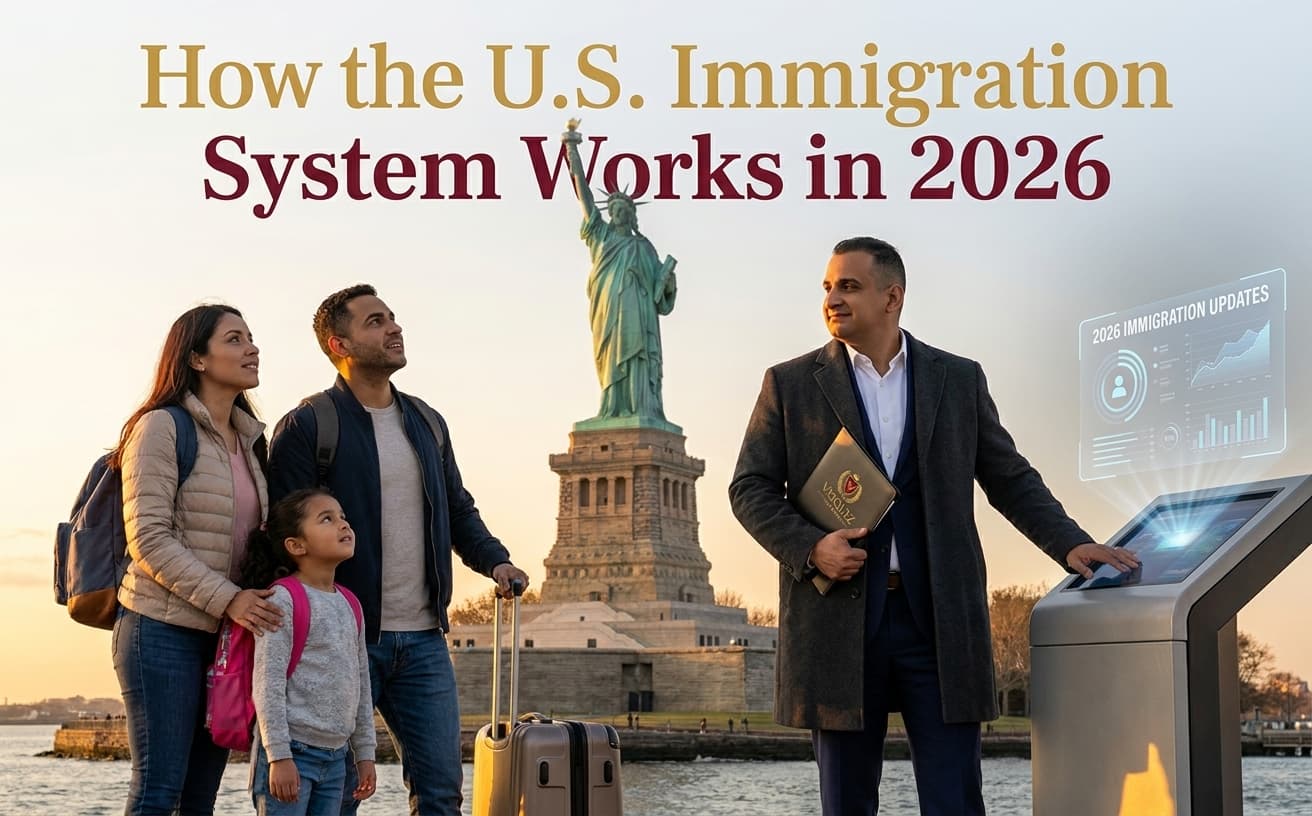
How the U.S. Immigration System Works in 2026
The U.S. immigration system is a complex framework that affects millions of people every year, including Dreamers in Smithfield, NC, and immigrants in Florida. Updated in 2026, this comprehensive guide explains how the immigration system works today, including key legal requirements, timelines, and what to expect during your case. If you're navigating immigration challenges, understanding the system will empower you to protect your rights and make informed decisions with support from our experienced immigration attorneys.
Need help with your case? Our experienced attorneys are ready to fight for you. Se Habla Español.
Or call us now: 1-844-967-3536
Quick Answer
The U.S. immigration system in 2026 regulates legal entry, residence, and citizenship through federal agencies and laws. It involves visas, green cards, and courts for removals. Knowing current requirements and your rights is essential for navigating this process.
- Managed federally by USCIS and EOIR
- Includes family, employment, humanitarian pathways
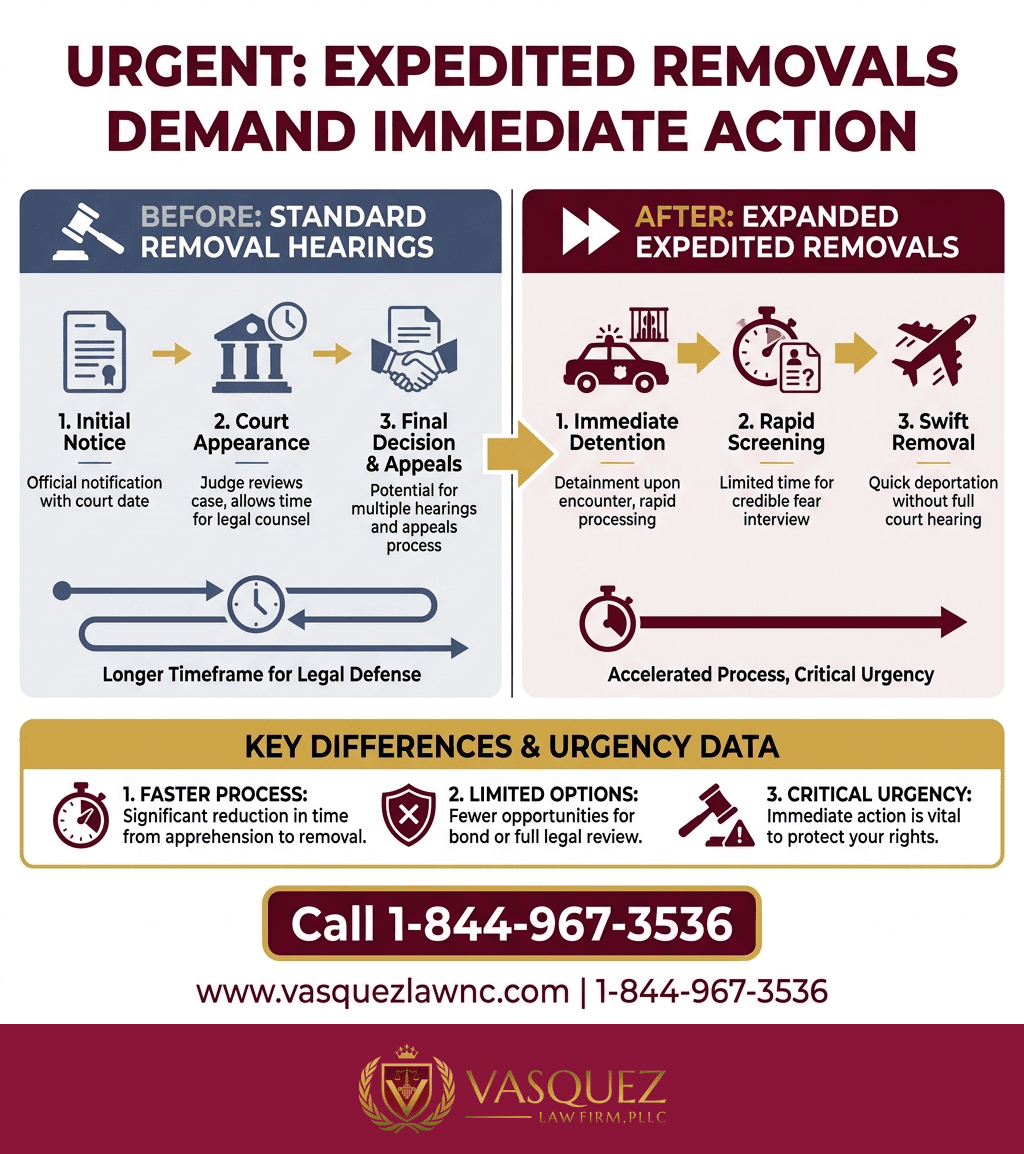
- Enforcement handled by ICE and immigration courts
- Green card holders can face deportation under some conditions
- Staying informed helps protect your legal status
Overview of the U.S. Immigration System
Imagine John, a Dreamer living in Smithfield, North Carolina. He wonders how the U.S. immigration system affects his ability to stay and work legally. The U.S. immigration system is federal, shaped by laws like the Immigration and Nationality Act (INA), and enforced by agencies including U.S. Citizenship and Immigration Services (USCIS), Immigration and Customs Enforcement (ICE), and the Executive Office for Immigration Review (EOIR).
The system manages many categories such as family-based visas, employment-based visas, asylum, and refugee status. It includes green card applications, naturalization for citizenship, and deportation proceedings.
For Smithfield or Florida residents, knowing the practical steps for filing applications and complying with current immigration laws is vital to avoid pitfalls.
Our immigration services focus on guiding clients through this system with personalized legal strategies.
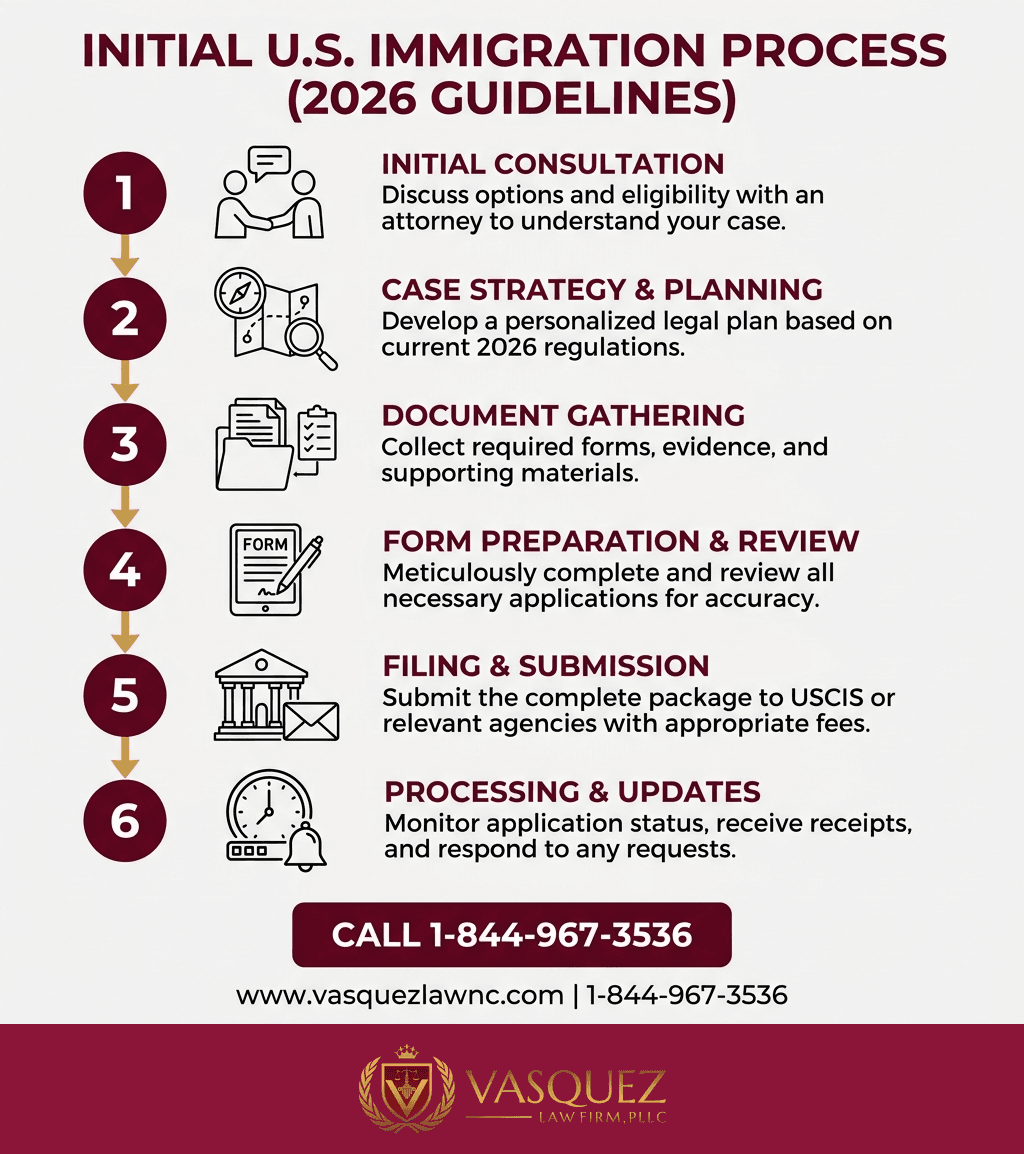
Step-by-Step Immigration Process
Take Maria's example, who applied for a family-based green card. Her process included documentation, biometrics, and an interview. Each step follows strict legal rules and deadlines.
Step 1: Determine Eligibility
The first step is figuring out which visa or immigration benefit you qualify for. This could be through family, employment, asylum, or DACA for Dreamers.
Step 2: Gather Documents
Compile proof such as birth certificates, marriage licenses, financial records, and identity documents. Having all paperwork ready speeds things up and avoids delays.
Step 3: File Your Application
Submit the correct forms to USCIS. For example, Form I-485 for adjustment of status. Keeping copies and receipts is important.
Step 4: Attend Biometrics Appointment
USCIS schedules fingerprinting and photographs to check identity and security clearances.
Step 5: Interview
Most green card and citizenship applicants meet with an immigration officer. Being prepared and truthful is critical.
Step 6: Receive Decision
USCIS or immigration courts decide to approve, deny, or request more evidence. Understanding your rights to appeal or respond is essential.
Documents and Evidence Required
- Government-issued IDs and passports
- Birth and marriage certificates
- Proof of lawful entry and immigration status
- Employment authorization or offers
- Financial statements or affidavits of support
- Medical exam results and vaccinations
- Police clearance or background checks
- Any prior immigration documents
Completing this U.S. immigration website checklist can reduce common errors.
Timeline: What to Expect
- Application filing and initial receipt notice: 1-2 weeks
- Biometrics appointment: 4-8 weeks
- Application processing: 6 months to several years depending on program
- Interview scheduling: varies by location and visa category
- Decision notification: weeks to months after interview
Backlogs fluctuate. For example, Smithfield applicants may see faster local processing for some benefits compared to Florida centers. Staying updated via USCIS status portals is helpful.
Costs and Fees Involved
- USCIS filing fees: range from $50 to over $1,000 depending on the form
- Medical examination charges: $200-$500 on average
- Attorney fees for legal assistance
- Costs associated with translations or document certification
- Biometric service fees ($85 typical)
Prices can change in 2026, so budgeting for these expenses and consulting an experienced immigration lawyer from Vasquez Law Firm to estimate costs is practical.
Common Mistakes to Avoid
- Incomplete or incorrect applications: Always double-check forms for accuracy.
- Missing deadlines: Keep track of deadlines to avoid loss of status.
- Failing to disclose full information: Never withhold relevant facts or documents.
- Ignoring requests for evidence: Respond promptly to USCIS or court notices.
- Not consulting an attorney: Self-representation can lead to errors or missed options.
- Improper work authorization: Working without authorization risks removal.
- Failure to update address: USCIS requires current contact information.
- Overlooking state differences: NC and FL have local offices and considerations.
- Assuming leniency in deportation cases: Legal help is critical.
- Paying scam fees or using fraudulent services: Use trusted professionals only.
If you only remember one thing: Accurate paperwork and legal guidance are the foundation of success in the U.S. immigration system.
Jurisdictional Notes for NC, FL, and Nationwide
North Carolina Notes
USCIS and immigration courts serve North Carolina residents with local field offices and courts in Charlotte and Raleigh. For Smithfield immigrants, accessing these local offices can streamline interviews and biometrics. Vasquez Law Firm offers strong local representation for immigration issues in North Carolina.
Florida Notes
Florida, particularly Miami and Orlando, has busy immigration hubs. Local policies may affect processing times. Our attorneys who are admitted in the Florida Bar understand nuances affecting Florida clients and provide bilingual services.
Nationwide Concepts
The immigration system is federally regulated. Laws and regulations such as 8 U.S.C. § 1255 and 8 C.F.R. § 245.1 apply regardless of state. However, practical differences exist in processing centers. Immigration enforcement by ICE affects all states, so nationwide awareness is essential.
When to Call an Immigration Lawyer
- If you receive a Notice to Appear (NTA) in immigration court
- Facing denial or Request for Evidence (RFE) on your application
- If ICE approaches you for questioning or detention
- Applying for asylum, DACA, or green card adjustment
- Experiencing complex family or employment immigration scenarios
- Needing representation for deportation defenses or appeals
- After being arrested or charged with a crime affecting immigration status
- If you want to explore citizenship eligibility and naturalization
About Vasquez Law Firm
At Vasquez Law Firm, we combine compassion with aggressive representation. Our motto "Yo Peleo®" (I Fight) reflects our commitment to standing up for your rights.
- Bilingual Support: Se Habla Español - our team is fully bilingual
- Service Areas: North Carolina, Florida, and nationwide immigration services
- Experience: Over 30 years helping clients navigate complex legal matters
- Results: Thousands of successful cases across multiple practice areas
Attorney Trust and Experience
Attorney Vasquez holds a Juris Doctor degree and is admitted to practice in both the North Carolina State Bar and Florida Bar. With over 30 years of dedicated legal experience, he has built a reputation for providing personalized attention and achieving favorable outcomes for his clients.
Don't wait to get the help you deserve. Call us now for immediate assistance. Se Habla Español.
Frequently Asked Questions
What is the current U.S. immigration system?
The current U.S. immigration system is a federal framework that manages legal entry, residence, and citizenship. It involves agencies like USCIS and EOIR and follows laws including 8 U.S.C. § 1255 for status adjustment. Each case depends on individual factors like visa category and country of origin. Updates in 2026 focus on streamlining application processes while enforcing security measures.
Can ICE legally ask for ID?
Yes, Immigration and Customs Enforcement (ICE) agents can ask for identification to verify immigration status during enforcement activities. However, you have rights in such encounters, including the right to remain silent and to request an attorney. Knowing your rights helps protect you during stops or investigations.
Can a green card holder still be deported?
Yes, green card holders can still face deportation if convicted of certain crimes or if found violating immigration laws. Deportation proceedings are handled in immigration court, and it's vital to seek legal counsel promptly to defend your status and explore relief options.
What are the U.S. immigration requirements in 2026?
Requirements depend on the visa or benefit sought but generally include proof of identity, eligibility based on family, employment, or humanitarian grounds, and passing background and medical checks. Updated policies in 2026 may require additional documentation or interviews, so stay current by consulting official sources or professionals.
How long does the immigration process take?
Processing times vary widely by visa category and applicant circumstances. Some visas may take months, others several years. Backlogs at USCIS and immigration courts also affect timelines. In 2026, certain programs have implemented faster processing, but delay risks remain. Consulting an immigration attorney can clarify your case timeline.
What happens after filing an immigration application?
After filing, applicants receive receipts and may be scheduled for biometrics appointments. USCIS may request additional evidence. Some cases require interviews. Monitoring the case status on the U.S. immigration website is important. Legal counsel can provide updates and advise on any requests or challenges.
What is DACA and how does it relate to the U.S. immigration system?
Deferred Action for Childhood Arrivals (DACA) protects eligible Dreamers from deportation and allows work authorization. It is an important part of the immigration system for young people who arrived as children. Changes or extensions to DACA policies continue to affect applicants, especially in states like North Carolina and Florida.
How do I find reliable information about the U.S. immigration system?
Reliable information comes from official sources like USCIS.gov, the Executive Office for Immigration Review, and the Department of State. Legal professionals like those at Vasquez Law Firm also provide personalized guidance. Be cautious of unofficial websites or scams and always verify information through trusted channels.
Sources and References
- U.S. Citizenship and Immigration Services
- Executive Office for Immigration Review
- Legal Information Institute
Take the first step toward justice today. Our team is standing by to help. Se Habla Español.
Start Your Free Evaluation Now
Call us: 1-844-967-3536
Se Habla Español - Estamos aquí para ayudarle.

William Vasquez
Founder & CEO, Vasquez Law Firm, PLLC
William Vasquez is the founder and CEO of Vasquez Law Firm, PLLC, a results-driven firm specializing in immigration, criminal defense, personal injury, and workers' compensation. A U.S. Air Force veteran and recipient of the Joint Service Achievement Medal, William is dedicated to fiercely fighting for his clients' rights.
Related Legal Services
Need legal help? Learn more about experienced immigration attorneys in Charlotte, or contact us for a free evaluation.
You can also visit immigration attorneys across North Carolina for more information.