Can THC Use Affect Your Workers Compensation Claim in 2026
Navigating THC workers' compensation claims in North Carolina can be complex. Learn your rights and how a positive drug test impacts benefits. Contact Vasquez Law Firm for a free consultation today.
Published on February 13, 2026
Hurt on the job?
Free review of your workers' comp claim.
Free & confidential · Se habla espanol · 24/7

Have questions? Talk to an attorney - free evaluation.
Call 1-844-967-3536Hurt on the Job? Claim What You Are Owed
A review of your workers' comp claim - we handle the fight.
Can THC Use Affect Your Workers Compensation Claim in 2026
A work injury can be devastating, but the situation becomes even more complicated if a drug test reveals the presence of THC. Understanding your rights and the nuances of THC workers' compensation claims in North Carolina is essential. As of 2026, state laws and employer policies regarding cannabis use are evolving, making it crucial to have accurate, up-to-date information. This guide will help you navigate the complexities, from post-accident drug testing to potential denial of benefits. If you've been injured on the job and are concerned about a positive THC test, Vasquez Law Firm is here to provide aggressive and compassionate representation.
Need help with your case? Our experienced attorneys are ready to fight for you. Se Habla Español.
Schedule Your Free Case Evaluation
Or call us now: 1-844-967-3536
Quick Answer
In North Carolina, a positive drug test for THC after a workplace injury can significantly impact your workers' compensation claim. While it doesn't automatically deny benefits, the employer or insurance company may argue that drug impairment contributed to the accident. Your ability to receive benefits often depends on proving the injury was work-related and not solely caused by drug use.
- A positive THC test can lead to claim denial if causation is proven.
- Employers must follow specific drug testing protocols.
- Legal representation is crucial to contest denials and protect your rights.
- Medical marijuana status may offer some protection, but state laws vary.
- Benefits can still be awarded if drug use was not the proximate cause of the injury.
Understanding THC Workers' Compensation in NC
Workers' compensation is a system designed to provide medical care and wage replacement benefits to employees injured on the job, regardless of fault. However, the presence of controlled substances like THC in an employee's system can complicate these claims. In North Carolina, the law permits employers to deny benefits if a claimant's intoxication or impairment from drugs or alcohol was the direct cause of the injury. This is where a positive THC test becomes a critical factor.
The North Carolina Workers' Compensation Act, specifically N.C. Gen. Stat. § 97-12, provides for a defense against claims if the injury resulted from the employee's intoxication or being under the influence of any controlled substance. It is not enough for an employer to simply show a positive drug test. They must also demonstrate a causal connection between the drug use and the injury. This means proving that the impairment from THC was the proximate cause of the accident, not just a coincidental finding.
For instance, if an employee tests positive for THC but was injured due to a faulty machine that would have caused the injury regardless of impairment, the claim might still be valid. The burden of proof typically falls on the employer or insurance company to establish this causal link. This is a complex legal area where the specifics of the accident, the nature of the job, and the drug test results are all scrutinized. Vasquez Law Firm has extensive experience in these types of cases, fighting to ensure our clients' rights are protected against unfair denials.
Post-Accident Drug Testing Laws and Protocols
Many North Carolina employers implement drug-free workplace policies, which often include post-accident drug testing. These policies are generally permissible, but there are rules governing how and when testing can occur. Employers typically require drug tests after an injury that meets certain criteria, such as requiring medical attention beyond first aid or involving significant property damage. The timing of the test is also important; it should be conducted as soon as practicable after the accident.
The type of drug test used, such as urine, blood, or hair follicle, can detect THC for different durations. Urine tests, the most common, can detect THC metabolites for several days to weeks, depending on frequency of use. Blood tests indicate more recent use. The legal battle often centers on whether the detected THC level indicates actual impairment at the time of the accident, rather than just past use. This distinction is crucial in a THC workers' compensation claim.
Employers must also ensure that the drug testing facility is certified and that proper chain-of-custody procedures are followed to ensure the integrity of the sample. Any deviation from these protocols could lead to the exclusion of the drug test results as evidence. If you believe your employer did not follow proper testing procedures, it is vital to discuss this with an attorney. For more detailed information on workers' compensation rights, consider reviewing our comprehensive guide to North Carolina workers' compensation.
Can a Workers' Compensation Claim Be Denied Due to THC?
Yes, a workers' compensation claim can be denied in North Carolina if an employer or their insurance carrier successfully proves that the employee's impairment from THC was the direct cause of the work injury. This is a crucial point for anyone dealing with a THC workers' compensation issue. Mere presence of THC in your system is not automatically grounds for denial. The employer must establish a causal link between the impairment and the accident.
For example, if a worker operating heavy machinery tests positive for THC and subsequently causes an accident, the employer might argue that the impairment led to reduced reaction time or judgment, directly causing the injury. However, if that same worker slipped on a wet floor that wasn't properly marked, and the wet floor was the sole cause of the injury, a positive THC test might not be enough to deny benefits.
The legal standard requires more than a positive test; it demands proof that the impairment was the 'proximate cause' of the injury. This means the injury would not have occurred 'but for' the employee's impairment. Challenging a denial based on a positive drug test requires a thorough investigation of the accident circumstances, employer policies, and drug testing procedures. Our team at Vasquez Law Firm is adept at scrutinizing these details to build a strong defense for your claim.
Navigating the Impact of Medical Marijuana in NC
As of 2026, North Carolina has not legalized recreational marijuana, and its medical marijuana laws are still developing. This means that even if you have a medical marijuana card from another state, or if the state eventually allows medical cannabis, the impact on your THC workers' compensation claim can be complex. Currently, under federal law, marijuana remains a Schedule I controlled substance, which adds another layer of complexity.
Even in states where medical marijuana is legal, workers' compensation laws vary significantly regarding how a positive drug test for THC affects benefits. Some states have specific statutes protecting medical marijuana users, while others do not. In North Carolina, employers are not currently obligated to accommodate medical marijuana use, and a positive test could still be used as a basis for denial if causation is proven.
It is important to understand that workers' compensation is a state-specific benefit. Therefore, while federal law and the evolving landscape of cannabis legalization nationwide are relevant, the specific statutes and interpretations by the North Carolina Industrial Commission will govern your case. Consulting with an attorney who understands the nuances of North Carolina workers' compensation law is essential to determine how any medical marijuana use might affect your claim. You can find more information about the North Carolina Industrial Commission's rules on their official website: NC Industrial Commission.
Steps to Take After a Work Injury with THC Concerns
If you've suffered a work injury and are worried about a positive THC test, taking the right steps immediately can significantly impact your THC workers' compensation claim. Your actions in the moments and days following an accident are critical.
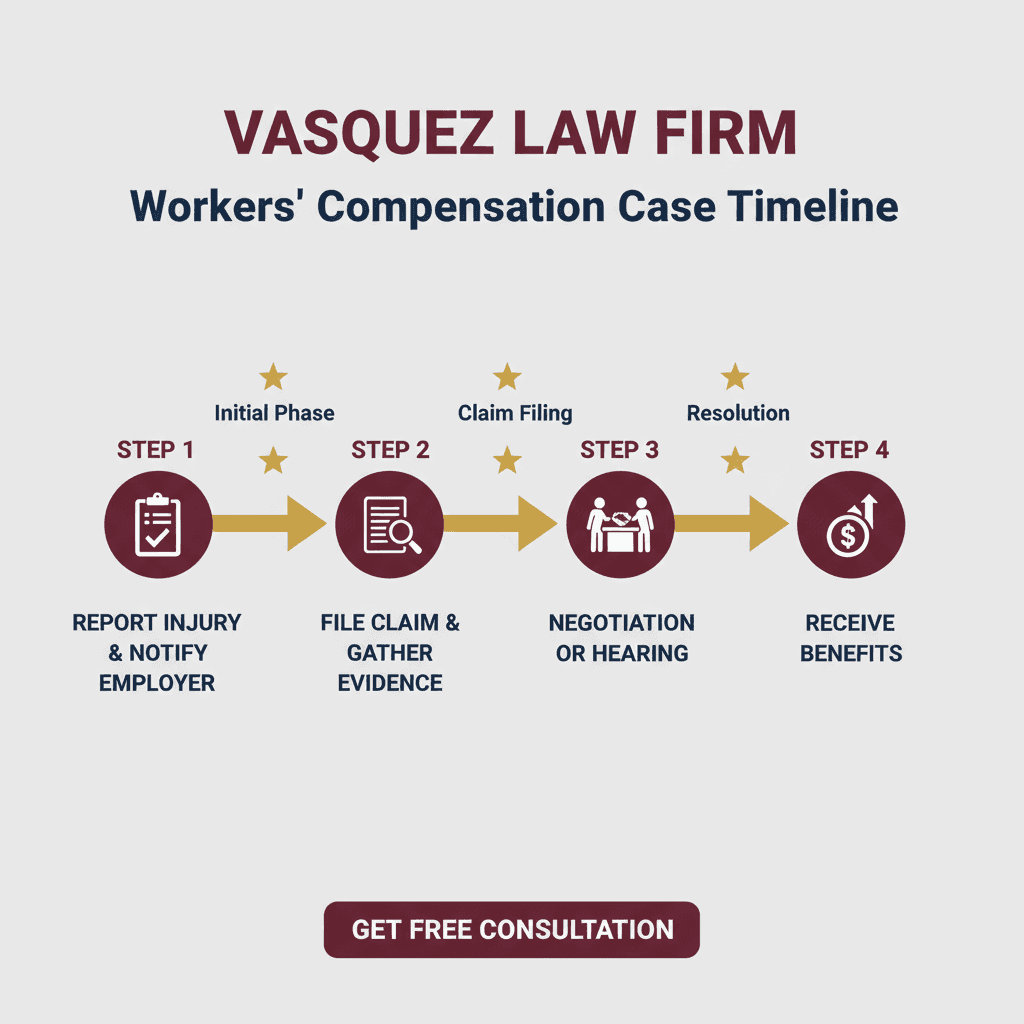
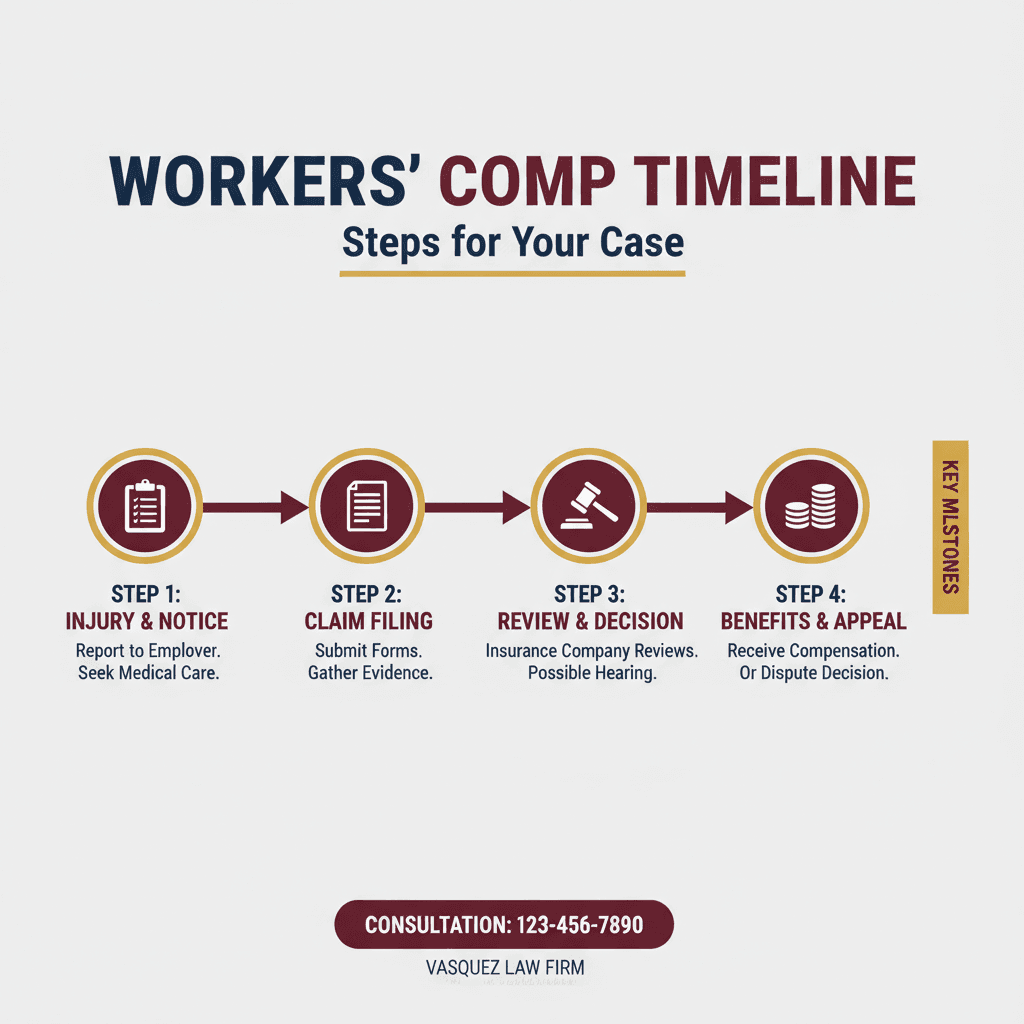
- Report the Injury Immediately: Notify your employer in writing as soon as possible. In North Carolina, you typically have 30 days to report the injury to your employer, but prompt reporting is always best. Delaying can jeopardize your claim.
- Seek Medical Attention: Get all necessary medical treatment for your injuries. Document everything. Follow all doctor's orders. This creates a record of your injuries and their severity.
- Cooperate with Drug Testing (if required): While you have rights, refusing a legally mandated drug test can lead to immediate denial of benefits. If you are tested, ensure proper chain-of-custody procedures are followed.
- Do Not Discuss Drug Use: Avoid discussing any personal drug use with your employer, co-workers, or the insurance company. Stick to the facts of the accident and your injuries.
- Gather Evidence: Collect witness statements, photos of the accident scene, and any other evidence that supports your account of how the injury occurred and that it was work-related.
- Contact an Attorney: This is perhaps the most crucial step. An experienced workers' compensation attorney can advise you on your rights, review the drug test results, challenge causation arguments, and represent you throughout the claims process.
Remember, the burden of proof is often on the employer to show that THC impairment caused the injury. An attorney can help you counter these arguments and protect your right to benefits. For assistance in Charlotte, NC, consider contacting Vasquez Law Firm. We also have a dedicated team serving clients in Raleigh, NC. Learn more about our services for workers' compensation in Raleigh, NC in 2026.
Don't face your legal challenges alone. Our team is here to help you every step of the way.
Call today: 1-844-967-3536 | Se Habla Español
Common Mistakes in THC Workers' Compensation Claims
Navigating a THC workers' compensation claim can be fraught with pitfalls. Avoiding common mistakes is key to protecting your rights and maximizing your chances of a successful outcome.
- Failing to Report the Injury Promptly: Delaying notification gives the employer grounds to question the legitimacy of your injury or its connection to work. Report it in writing as soon as possible, ideally within 24-48 hours.
- Refusing a Drug Test: While you have rights, refusing a legally mandated post-accident drug test can be interpreted as an admission of impairment and may lead to automatic denial of benefits in North Carolina.
- Discussing Drug Use with Employer/Insurer: Any admissions about drug use, even recreational, can be used against you. Limit conversations to the accident details and your injuries.
- Not Seeking Immediate Medical Attention: Gaps in medical treatment or delaying care can suggest your injuries are not serious or not work-related. Always seek prompt medical care.
- Lying About Drug Use: Honesty is crucial with your attorney. Lying can destroy credibility and harm your case. Your attorney needs all the facts to build a strong defense.
- Failing to Follow Doctor's Orders: Not adhering to prescribed treatment plans can be used by the insurance company to argue you are not serious about your recovery or that your injuries are not as severe as claimed.
- Accepting a Quick Settlement Without Legal Advice: Insurance companies may offer lowball settlements, especially if a positive drug test is involved. Never accept a settlement without consulting with an experienced attorney.
- Not Gathering Evidence: Without documentation like witness statements, accident reports, or photos, it's harder to prove the injury's cause was not related to THC impairment.
If you only remember one thing: Always consult with a qualified workers' compensation attorney as soon as possible after a work injury, especially if drug testing is involved. They can help you avoid these costly mistakes and advocate on your behalf.
About Vasquez Law Firm
At Vasquez Law Firm, we combine compassion with aggressive representation. Our motto "Yo Peleo" (I Fight) reflects our commitment to standing up for your rights. We understand the physical, emotional, and financial toll a work injury can take, especially when complicated by issues like THC workers' compensation claims. Our dedicated team is here to provide unwavering support and strategic legal counsel.
- Bilingual Support: Se Habla Español - our team is fully bilingual, ensuring clear communication and understanding for all our clients.
- Service Areas: We proudly serve clients throughout North Carolina, including Charlotte and Raleigh, with workers' compensation cases. We also offer nationwide immigration services.
- Experience: With over 15 years helping clients navigate complex legal matters, Attorney Vasquez has a proven track record of fighting for justice.
- Results: We are committed to achieving favorable outcomes, having successfully handled thousands of cases across multiple practice areas.
Attorney Trust and Experience
Attorney Vasquez holds a Juris Doctor degree and is admitted to practice in the North Carolina State Bar. With over 15 years of dedicated legal experience, he has built a reputation for providing personalized attention and achieving favorable outcomes for his clients. His deep understanding of North Carolina workers' compensation law, combined with a fierce dedication to client advocacy, makes him a trusted ally in your legal battle.
Frequently Asked Questions
What happens if I fail a workers' comp drug test in NC?
If you fail a workers' comp drug test in North Carolina, your employer or their insurance company may use it as a basis to deny your claim. However, a positive test alone is not sufficient. They must prove that your impairment from THC was the direct cause of your injury. An attorney can help challenge this causal link and protect your right to benefits.
Can my employer fire me for testing positive for THC after an injury?
North Carolina is an at-will employment state, meaning employers can generally terminate employment for any non-discriminatory reason. A positive drug test, especially following a workplace accident, can be grounds for termination. However, this is separate from your workers' compensation claim. Termination does not automatically mean you lose your right to benefits.
How long does an employer have to drug test me after a work injury?
Employers generally have a reasonable period to conduct a post-accident drug test, often as soon as practicable after the incident. While there isn't a strict statewide deadline, significant delays could weaken the argument that the drug test reflects impairment at the time of the injury. Specific company policies may also dictate timing.
Do insurance companies check for THC in workers' comp claims?
Yes, many workers' compensation insurance companies require drug testing after a workplace injury, particularly if the employer has a drug-free workplace policy or if the circumstances of the accident suggest potential impairment. They check for THC and other controlled substances as a potential defense against paying benefits.
Is medical marijuana protected under North Carolina workers' compensation law?
As of 2026, North Carolina does not have comprehensive medical marijuana laws that explicitly protect employees in workers' compensation claims. Therefore, even with a medical marijuana card from another state, a positive THC test could still be used against your claim if the employer can prove causation to the injury.
What is the burden of proof for THC impairment in NC workers' comp?
In North Carolina, the employer or insurance company bears the burden of proving that the employee's intoxication or impairment from THC was the direct and proximate cause of the work injury. They must show that the injury would not have occurred 'but for' the employee's impairment, not just that THC was present.
Should I hire a lawyer if I tested positive for THC after a work injury?
Yes, it is highly advisable to hire a lawyer if you tested positive for THC after a work injury. An experienced workers' compensation attorney can help challenge the drug test results, dispute the causal link between THC and your injury, negotiate with the insurance company, and protect your rights to receive rightful benefits.
What if my employer did not follow proper drug testing procedures?
If your employer failed to follow proper drug testing procedures, such as chain-of-custody protocols or timely testing, the results of the drug test might be challenged or even excluded as evidence. An attorney can investigate these procedures and argue for the invalidation of improper test results, strengthening your claim.
Can I appeal a denied workers' comp claim due to THC?
Yes, you have the right to appeal a denied workers' compensation claim in North Carolina. The appeals process typically involves filing a request for a hearing with the North Carolina Industrial Commission. An attorney can guide you through this complex process, present your case, and advocate for your benefits.
What kind of benefits can I lose due to a positive THC test?
If your THC workers' compensation claim is successfully denied due to proven impairment, you could lose all workers' compensation benefits. This includes medical treatment for your injuries, temporary disability payments (wage replacement), and permanent disability benefits. This underscores the importance of strong legal representation.
Sources and References
- North Carolina Industrial Commission
- Cornell Law School: Workers' Compensation
- North Carolina General Statutes Chapter 97: Workers' Compensation Act
Hurt at work? Our workers' compensation attorneys can review your claim.
Ready to take the next step? Contact Vasquez Law Firm today for a free, confidential consultation. We're committed to fighting for your rights and achieving the best possible outcome for your case.
Start Your Free Case Evaluation Now
Call us: 1-844-967-3536
Se Habla Español - Estamos aquí para ayudarle.


William Vasquez
Founder & CEO, Vasquez Law Firm, PLLC
William Vasquez is the founder and CEO of Vasquez Law Firm, PLLC, a results-driven firm specializing in immigration, criminal defense, personal injury, and workers' compensation. A U.S. Air Force veteran and recipient of the Joint Service Achievement Medal, William is dedicated to fiercely fighting for his clients' rights.
Related Legal Services
Need legal help? Learn more about NC workers compensation legal team, or contact us for a free evaluation.
You can also visit workers comp lawyers across North Carolina for more information.