A Complete Guide to Workers Compensation in North Carolina in 2026
Injured at work in North Carolina? Understand your workers' compensation rights and how to file a claim in 2026. Contact Vasquez Law Firm for a free consultation.
Published on February 13, 2026
Hurt on the job?
Free review of your workers' comp claim.
Free & confidential · Se habla espanol · 24/7

Have questions? Talk to an attorney - free evaluation.
Call 1-844-967-3536Hurt on the Job? Claim What You Are Owed
A review of your workers' comp claim - we handle the fight.
A Complete Guide to Workers Compensation in North Carolina in 2026
Navigating the complexities of workers' compensation in North Carolina can be daunting, especially after a workplace injury. This comprehensive guide, updated for 2026, provides essential information for employees seeking to understand their rights and the claims process. From reporting your injury to understanding benefits, we break down what you need to know to protect your future. Don't face this process alone; expert legal guidance can make all the difference in securing the compensation you deserve.
Need help with your workers' compensation case? Our experienced attorneys are ready to fight for you. Se Habla Español.
Schedule Your Free Case Evaluation
Or call us now: 1-844-967-3536
Quick Answer: North Carolina Workers' Compensation
In North Carolina, workers' compensation provides medical care, lost wages, and disability benefits for employees injured on the job. To claim benefits, you must report your injury promptly, typically within 30 days, and file a formal claim with the NC Industrial Commission. An attorney can help ensure you meet deadlines and receive fair compensation.
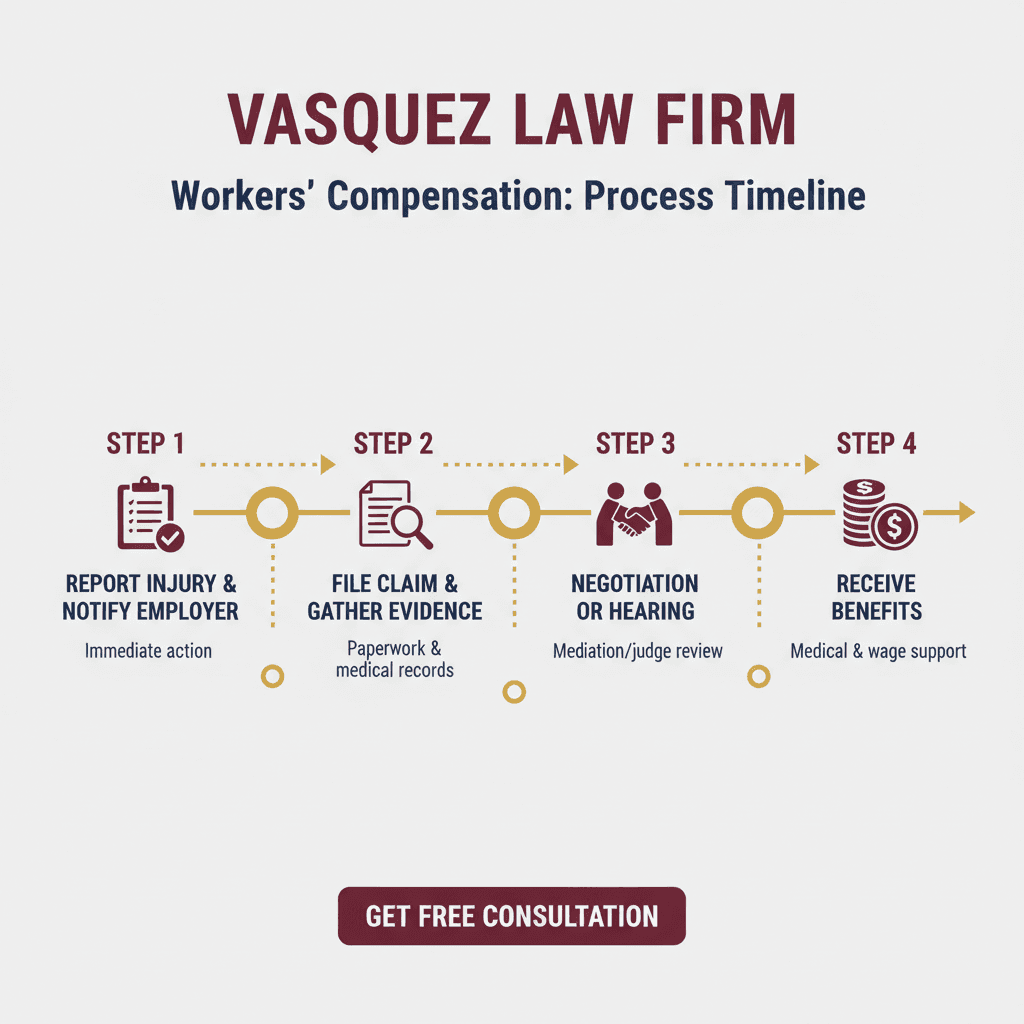
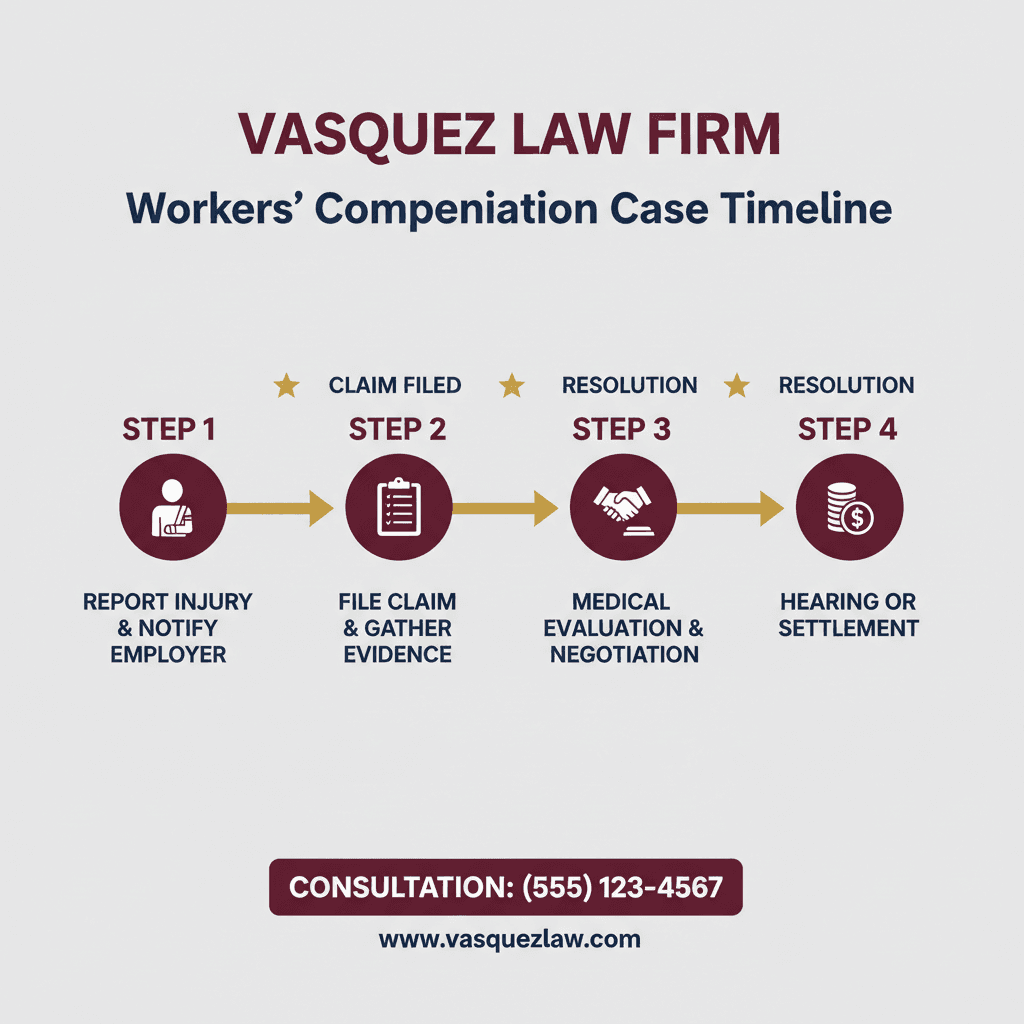
- Report your injury to your employer immediately.
- Seek medical attention and follow all treatment recommendations.
- File Form 18, Notice of Accident, with the NC Industrial Commission.
- Keep detailed records of all medical appointments and communications.
- Consult with a North Carolina workers' compensation lawyer.
Understanding North Carolina Workers' Compensation in 2026
Workers' compensation is a crucial system designed to provide financial and medical benefits to employees who suffer injuries or illnesses arising out of and in the course of their employment. In North Carolina, this system is governed by specific state laws and administered by the North Carolina Industrial Commission (NCIC). It's a no-fault system, meaning benefits are generally paid regardless of who was at fault for the injury, as long as it occurred during work-related activities.
As of 2026, the NC workers' compensation landscape continues to evolve, with ongoing efforts to ensure fair treatment for injured workers while balancing employer responsibilities. Understanding your rights within this framework is the first step toward securing the benefits you are entitled to. This includes knowing what types of injuries are covered, the deadlines for reporting, and the types of benefits available.
Many injured workers face challenges, from denied claims to disputes over medical treatment. That's why having a clear understanding of the process and your legal options is paramount. The Vasquez Law Firm specializes in helping individuals navigate these complex claims, ensuring their rights are protected throughout their recovery and beyond. We are dedicated to advocating for fair North Carolina workers' compensation.
Who is Covered by NC Workers' Comp?
Generally, most employers in North Carolina with three or more employees are required to carry workers' compensation insurance. There are some exceptions, such as certain agricultural workers and domestic employees. If you are an employee and suffer a work-related injury, you are likely covered by the system. Independent contractors, however, are typically not covered.
It is important to determine your employment status accurately. Sometimes, employers misclassify employees as independent contractors to avoid paying benefits. If you are unsure about your coverage, a North Carolina workers' compensation attorney can review your situation and clarify your rights. This initial assessment is critical to starting your claim correctly.
Key Steps to Take After a Work Injury in North Carolina
When you sustain a work-related injury in North Carolina, your actions in the immediate aftermath can significantly impact your workers' compensation claim. Following these critical steps will help protect your health and your legal rights. Timeliness and thorough documentation are key to a successful outcome.
Many injured workers hesitate, fearing employer retaliation or job loss. However, delaying these steps can jeopardize your eligibility for benefits. Remember, the North Carolina workers' compensation system is designed to protect you. Vasquez Law Firm is here to guide you through each stage, offering peace of mind and expert representation.
- Report Your Injury Immediately: Inform your employer or supervisor as soon as possible, ideally in writing. North Carolina law generally requires reporting within 30 days of the accident or diagnosis of an occupational disease. Missing this deadline can lead to a denial of your claim.
- Seek Medical Attention: Get immediate medical treatment for your injuries. Be sure to tell the medical provider that your injury is work-related. Follow all treatment recommendations and attend all appointments. Your employer or their insurance carrier may direct you to a specific doctor initially, but you have rights regarding your choice of physician.
- File a Formal Claim (Form 18): Within two years of the injury, you must file a Form 18, Notice of Accident, with the North Carolina Industrial Commission (NCIC). This is a crucial legal step that officially notifies the state of your claim.
- Document Everything: Keep detailed records of your injury, medical treatments, medications, lost wages, and any communication with your employer, doctors, or insurance adjusters. This includes dates, times, and names of people you spoke with.
- Consult a Workers' Compensation Attorney: Before speaking extensively with an insurance adjuster or signing any documents, it is highly advisable to consult with an experienced North Carolina workers' compensation lawyer. An attorney can explain your rights, help you navigate the complex legal process, and ensure you receive all entitled benefits.
Important Reporting Deadlines for NC Workers' Comp Claims
Understanding and adhering to deadlines is non-negotiable in North Carolina workers' compensation cases. Missing a deadline can result in the loss of your right to benefits. The 30-day notice to your employer and the two-year statute of limitations for filing Form 18 are critical. However, there can be exceptions and nuances, especially with occupational diseases that develop over time.
For example, if you develop carpal tunnel syndrome due to repetitive work, the 30-day period might start from when a medical professional diagnoses it as work-related. Prompt action is always the best course. If you are close to a deadline, contact Vasquez Law Firm immediately. We can help you file the necessary paperwork quickly and correctly.
Documents and Evidence Checklist for Your Claim
A well-documented North Carolina workers' compensation claim is a strong claim. Gathering and organizing the right evidence can significantly improve your chances of a successful outcome and streamline the process. The more information you can provide, the easier it will be to prove the validity and extent of your work-related injury. This checklist will help you compile the necessary items.
- Incident Report: A copy of the formal accident report filed with your employer.
- Medical Records: All records related to your work injury, including doctor's notes, diagnoses, test results (X-rays, MRIs), prescriptions, and physical therapy reports.
- Wage Statements: Pay stubs or wage statements from before and after your injury to calculate lost wages.
- Communication Logs: A detailed log of all conversations, emails, and letters with your employer, supervisors, HR, and the workers' compensation insurance company.
- Witness Statements: Contact information and statements from any co-workers or others who witnessed your accident or can attest to your work conditions.
- Photographs/Videos: Pictures of the accident scene, your injuries, or any defective equipment involved.
- Form 18: A copy of the Form 18, Notice of Accident, that you filed with the NC Industrial Commission.
- Prescription Receipts: Keep track of all medication costs related to your injury.
- Mileage Logs: Records of mileage driven for medical appointments, as these expenses may be reimbursable.
Timeline: What to Expect in a North Carolina Workers' Compensation Case
Understanding the general timeline of a North Carolina workers' compensation case can help manage expectations and reduce stress during what is often a challenging period. While every case is unique and complexities can extend the process, there are typical stages you can anticipate. Being prepared for these phases can aid in making informed decisions.
- Day 1-30: Injury & Reporting: The injury occurs. You must report it to your employer within 30 days. Seek immediate medical attention.
- Day 30-60: Initial Claim Filing: Your employer files a report with their insurer. You should file Form 18 with the NC Industrial Commission. The insurance company begins its investigation.
- Weeks 6-12: Decision & Benefits Start: The insurance company decides to accept or deny the claim. If accepted, temporary disability and medical benefits may begin. If denied, you will receive a Form 61, Notice of Denial.
- Months 3-6: Medical Treatment & Monitoring: You continue medical treatment. The insurer monitors your recovery and may require independent medical examinations (IMEs).
- Months 6-18: Maximum Medical Improvement (MMI) & Ratings: You reach MMI, meaning your condition is stable and unlikely to improve further. Your doctor assigns a permanent partial impairment (PPI) rating if applicable.
- Months 12-24+: Dispute Resolution & Settlement: If there are disputes (e.g., medical treatment, MMI, PPI rating, denied claim), the case may enter mediation, hearings with the NCIC, or settlement negotiations. This stage can vary widely in length.
- Final Resolution: The case is resolved through settlement, a NCIC decision, or a court ruling. Benefits are paid out, or the claim is closed.
Costs and Fees: What Impacts Your North Carolina Workers' Compensation Claim
One of the primary concerns for injured workers is the cost of legal representation. In North Carolina workers' compensation cases, attorneys typically work on a contingency fee basis. This means you do not pay any upfront legal fees. Instead, the attorney's fee is a percentage of the benefits they help you recover. This arrangement ensures that legal help is accessible to everyone, regardless of their current financial situation.
The North Carolina Industrial Commission must approve all attorney fees, which are generally capped at 25% of the compensation recovered. This percentage covers the attorney's time, expertise, and resources spent on your case. It is important to discuss the fee structure thoroughly with your attorney during your initial consultation so you understand how costs are handled. There may also be costs for medical records, expert witness fees, and other litigation expenses, which are usually reimbursed from the settlement or award.
Common Mistakes and How to Avoid Them in Your NC Claim
Navigating a North Carolina workers' compensation claim can be challenging, and it is easy to make mistakes that could jeopardize your benefits. Being aware of these common pitfalls can help you protect your rights and ensure a smoother process. Avoid these errors to strengthen your position.
- Delaying Injury Reporting: Failing to report your injury to your employer within the 30-day legal limit can lead to claim denial. Always report promptly and in writing.
- Not Seeking Prompt Medical Care: Delays in getting medical attention can make it harder to prove your injury is work-related. Seek care immediately after an accident.
- Failing to File Form 18: This official document is critical. Not filing it with the NC Industrial Commission within two years can result in your claim being barred.
- Giving Recorded Statements Without Legal Counsel: Insurance adjusters may try to get you to give a recorded statement that could be used against you. Consult an attorney before speaking with them.
- Not Following Medical Advice: Ignoring doctor's orders or missing appointments can be used by the insurance company to argue you are not serious about your recovery or that your condition is not as severe.
- Returning to Work Too Soon: Going back to work before your doctor clears you, or attempting tasks beyond your restrictions, can worsen your injury and impact your benefits.
- Posting About Your Injury on Social Media: Anything you post online, even personal thoughts, can be used as evidence against your claim. Exercise extreme caution.
- Settling Your Claim Too Early: Accepting a settlement before fully understanding the extent of your injuries and future medical needs can leave you without adequate compensation.
- Not Hiring an Attorney: Trying to handle a complex workers' compensation claim alone against experienced insurance adjusters can be a significant disadvantage.
If you only remember one thing: Always prioritize your health and seek legal advice from an experienced North Carolina workers' compensation attorney like those at Vasquez Law Firm as early as possible.
North Carolina Workers' Compensation Specifics
It is crucial to understand that workers' compensation laws are state-specific. While this guide provides general information, its focus is exclusively on North Carolina workers' compensation. Unlike federal laws that apply nationwide, workers' compensation statutes, regulations, and procedures vary significantly from state to state. Therefore, information applicable in states like Florida or California will not directly apply to a claim in North Carolina.
The North Carolina Industrial Commission (NCIC) is the state agency responsible for administering the Workers' Compensation Act. All claims are filed with and overseen by the NCIC, which provides forms, conducts hearings, and approves settlements. Understanding the NCIC's role and procedures is fundamental to navigating your claim effectively.
North Carolina Workers' Compensation Law
North Carolina's Workers' Compensation Act, specifically N.C. Gen. Stat. § 97, outlines the framework for benefits, employer responsibilities, and employee rights. Key aspects include the 30-day notice requirement for injuries, the two-year statute of limitations for filing a claim, and provisions for medical treatment, temporary and permanent disability benefits, and vocational rehabilitation. The NCIC plays a central role in resolving disputes and approving all settlements to ensure fairness. For instance, the NCIC provides specific forms like Form 18 for reporting injuries and Form 25 for medical reports.
When to Call a North Carolina Workers' Compensation Lawyer Now
While some minor workplace injuries might seem straightforward, many situations warrant immediate legal consultation. The workers' compensation system is designed to be complex, and insurance companies often prioritize their bottom line over your best interests. Don't hesitate to seek legal help if you encounter any of the following circumstances. Early intervention from a skilled attorney can prevent significant problems down the line.
- Your employer denies your claim or disputes the extent of your injury.
- The insurance company delays approving necessary medical treatment.
- You are offered a settlement that seems too low or doesn't cover all your losses.
- Your employer retaliates against you for filing a claim.
- You are unsure if your injury qualifies for workers' compensation.
- You have a pre-existing condition that the insurance company is blaming for your current injury.
- You are struggling to get your temporary disability payments approved or started.
- You need to appeal a decision made by the NC Industrial Commission.
- You are facing a permanent disability and need help understanding your long-term benefits.
- You believe your employer has misclassified you as an independent contractor to avoid providing benefits.
About Vasquez Law Firm
At Vasquez Law Firm, we combine compassion with aggressive representation. Our motto "Yo Peleo" (I Fight) reflects our commitment to standing up for your rights. We understand the physical, emotional, and financial toll a workplace injury can take, and we are dedicated to providing the relentless advocacy you need.
- Bilingual Support: Se Habla Español - our team is fully bilingual and ready to assist clients in both English and Spanish, ensuring clear communication and understanding.
- Service Areas: Workers compensation in North Carolina; immigration nationwide, including Florida
- Experience: With over 15 years of dedicated experience, Attorney Vasquez and his team have a proven track record of helping clients navigate complex legal matters across various practice areas.
- Results: We have successfully handled thousands of cases, securing favorable outcomes for our clients in workers' compensation, personal injury, criminal defense, family law, and immigration.
Attorney Trust and Experience
Attorney Vasquez holds a Juris Doctor degree and is admitted to practice in the North Carolina State Bar. With over 15 years of dedicated legal experience, he has built a reputation for providing personalized attention and achieving favorable outcomes for his clients. His commitment to justice and client well-being makes Vasquez Law Firm a trusted advocate for injured workers in North Carolina.
Don't face your legal challenges alone. Our team is here to help you every step of the way with your North Carolina workers' compensation claim.
Call today: 1-844-967-3536 | Se Habla Español
Frequently Asked Questions About NC Workers' Compensation
How long do I have to report a workplace injury in North Carolina?
In North Carolina, you generally have 30 days from the date of your accident to report your workplace injury to your employer. For occupational diseases, the 30-day period begins when you are diagnosed by a medical professional and become aware that the disease is work-related. Prompt reporting is crucial to protect your right to benefits.
What benefits can I receive from North Carolina workers' compensation?
North Carolina workers' compensation benefits typically include medical treatment related to your injury, temporary total disability payments for lost wages while you are out of work, and permanent partial disability benefits for any lasting impairment. In severe cases, vocational rehabilitation services and death benefits for dependents may also be available.
Can I choose my own doctor for a work injury in NC?
Initially, your employer or their insurance carrier may direct you to a specific medical provider. However, you have the right to request a change of physician or seek a second opinion. This request must be approved by the NC Industrial Commission or the insurance carrier. An attorney can assist you in navigating this process to ensure you receive appropriate care.
What if my North Carolina workers' compensation claim is denied?
If your claim is denied, you have the right to appeal the decision. This typically involves filing a Form 33 Request for Hearing with the North Carolina Industrial Commission. It is highly recommended to seek legal counsel immediately if your claim is denied, as the appeals process can be complex and time-sensitive.
How are attorney fees paid in NC workers' compensation cases?
In North Carolina workers' compensation cases, attorneys typically work on a contingency fee basis. This means their fees are a percentage of the benefits they help you recover, usually capped at 25% by the North Carolina Industrial Commission. You generally do not pay upfront legal fees, making legal representation accessible to injured workers.
Does North Carolina workers' compensation cover occupational diseases?
Yes, North Carolina workers' compensation covers occupational diseases, which are conditions that arise out of and in the course of employment and are characteristic of or peculiar to a particular trade, occupation, or employment. Examples include carpal tunnel syndrome, asbestosis, or hearing loss caused by workplace exposure. The reporting deadlines differ slightly for these cases.
What is Maximum Medical Improvement (MMI) in NC workers' comp?
Maximum Medical Improvement (MMI) is the point at which your treating physician determines that your work-related injury has stabilized and is not expected to improve further with additional medical treatment. Once you reach MMI, your doctor will assess any permanent impairment, which can impact your eligibility for permanent partial disability benefits.
Can I be fired for filing a workers' compensation claim in North Carolina?
North Carolina law prohibits employers from retaliating against employees for filing a workers' compensation claim in good faith. If you believe you have been wrongfully terminated or discriminated against because of your claim, you may have additional legal recourse. It's important to document any instances of suspected retaliation and consult with an attorney.
How long does a North Carolina workers' compensation case take?
The duration of a North Carolina workers' compensation case varies widely depending on the complexity of the injury, disputes over benefits, and whether the case goes to a hearing. Simple cases might resolve in a few months, while complex ones involving multiple appeals could take several years. An attorney can provide a more specific estimate based on your situation.
What is the role of the North Carolina Industrial Commission (NCIC)?
The North Carolina Industrial Commission (NCIC) is the state agency responsible for administering the Workers' Compensation Act. It oversees the claims process, provides forms, mediates disputes, conducts hearings when claims are contested, and approves all settlements to ensure they are fair and in the best interest of the injured worker.
Sources and References
- North Carolina Industrial Commission (NCIC)
- North Carolina General Statutes, Chapter 97 (Workers' Compensation Act)
Hurt at work? Our workers' compensation attorneys can review your claim.
Ready to take the next step? Contact Vasquez Law Firm today for a free, confidential consultation. We're committed to fighting for your rights and achieving the best possible outcome for your North Carolina workers' compensation case.
Start Your Free Case Evaluation Now
Call us: 1-844-967-3536
Se Habla Español - Estamos aquí para ayudarle.


William Vasquez
Founder & CEO, Vasquez Law Firm, PLLC
William Vasquez is the founder and CEO of Vasquez Law Firm, PLLC, a results-driven firm specializing in immigration, criminal defense, personal injury, and workers' compensation. A U.S. Air Force veteran and recipient of the Joint Service Achievement Medal, William is dedicated to fiercely fighting for his clients' rights.
Related Legal Services
Need legal help? Learn more about learn about workers compensation rights, or contact us for a free evaluation.
You can also visit statewide workers comp services for more information.