A Complete Guide to State Immigration Laws in 2026
Understand complex state immigration laws in 2026 and how they impact you. Get expert legal guidance from Vasquez Law Firm. Contact us for a free consultation.
Published on February 14, 2026
Talk to an immigration attorney
Free call. A clear plan for your case.
Free & confidential · Se habla espanol · 24/7
Have questions? Talk to an attorney - free evaluation.
Call 1-844-967-3536Worried how the latest immigration news affects you?
Schedule a confidential case review with an immigration attorney - know exactly where you stand.
USCIS Case Status
Check your USCIS case status
Enter your receipt number and get the official status. Free, no registration.
A Complete Guide to State Immigration Laws in 2026
Navigating the intricate landscape of immigration law in the United States requires a clear understanding of both federal and state immigration laws. While federal law primarily governs who can enter and remain in the U.S., states often implement their own policies that can significantly impact the daily lives of immigrants and their families. As of 2026, many states, including North Carolina and Florida, continue to refine their approaches, creating a complex web of regulations that can be challenging to decipher. This comprehensive guide will help you understand the current legal framework, distinguish between federal and state powers, and know your rights.
Need help with your case? Our experienced attorneys are ready to fight for you. Se Habla Español.
Schedule Your Free Case Evaluation
Or call us now: 1-844-967-3536
Quick Answer
While federal law dictates who can enter and reside in the U.S., state immigration laws can significantly affect immigrants' daily lives, covering areas like employment, public benefits, and local law enforcement cooperation. These laws vary widely, with states like Florida implementing stricter measures, while others may offer more protections. Understanding the interplay between federal and state regulations is crucial for anyone navigating the U.S. immigration system in 2026.
- Federal law governs entry, visas, and citizenship.
- State laws impact local enforcement, services, and identification.
- The balance of power between federal and state authority is often debated.
- Seek legal counsel to understand specific state regulations.
Table of Contents
- Quick Answer
- Federal vs. State Authority in Immigration
- Types of State Immigration Laws
- Florida Immigration Laws: What's New in 2026
- North Carolina Immigration Laws: Key Considerations
- Sanctuary States and Cities: Understanding the Concept
- Impact of State Immigration Laws on Daily Life
- When to Call a Lawyer Now
- About Vasquez Law Firm
- Frequently Asked Questions
- Sources and References
Federal vs. State Authority in Immigration
The U.S. Constitution grants the federal government primary authority over immigration matters. This means that laws concerning who can enter the country, visa classifications, naturalization, and deportation are generally set at the federal level by agencies like U.S. Citizenship and Immigration Services (USCIS) and Immigration and Customs Enforcement (ICE). The Immigration and Nationality Act (INA) serves as the cornerstone of this federal framework, establishing the core rules for immigration, as codified in 8 U.S.C. § 1101 et seq.
However, states are not entirely without power. While they cannot create their own immigration visa categories or directly deport individuals, they can pass laws that indirectly affect immigrants within their borders. These often involve public benefits, driver's licenses, and cooperation with federal immigration enforcement. The tension between federal supremacy and state autonomy frequently leads to legal challenges, defining the boundaries of state immigration laws.
Recent years have seen an increase in state-level legislative activity regarding immigration, with states seeking to address perceived gaps in federal policy or to manage the impact of immigration on local resources. This has led to a patchwork of regulations across the nation, making it essential for individuals to understand the specific laws in their state of residence. The Supreme Court has often been called upon to mediate these disputes, upholding federal authority in some instances while allowing states a degree of latitude in others.
The Preemption Doctrine
A key legal concept in this area is the doctrine of preemption. This doctrine, derived from the Supremacy Clause of the U.S. Constitution, dictates that federal laws can preempt, or override, state laws when there is a direct conflict or when Congress has clearly intended for federal law to occupy the entire field. In immigration, federal preemption is robust, meaning states typically cannot legislate in ways that contradict or undermine federal immigration policy. However, states can legislate in areas of traditional state concern, even if those laws have an incidental effect on immigrants, provided they do not conflict with federal law.
Types of State Immigration Laws
State immigration laws can manifest in several forms, each impacting different aspects of an immigrant's life. These laws generally fall into categories such as employment verification, access to public benefits, law enforcement cooperation, and identification requirements. The specific approach taken by a state often reflects its political climate, economic needs, and demographic makeup. It is critical to stay informed about these different types of regulations.
Employment Verification and Licensing
Many states have enacted laws requiring employers to use E-Verify, a federal online system, to confirm the eligibility of their employees to work in the U.S. While federal law mandates E-Verify for federal contractors, some states extend this requirement to all public and private employers within their jurisdiction. Additionally, states may regulate professional licensing for certain occupations, sometimes requiring proof of legal immigration status before issuing licenses. These measures aim to deter undocumented immigration by limiting employment opportunities.
Public Benefits and Services
States also have the authority to determine eligibility for state-funded public benefits, such as healthcare, housing assistance, and educational programs. While federal law sets minimum standards for certain benefits, states can impose additional restrictions based on immigration status. This can create significant challenges for immigrant families, particularly those with mixed-status members, where some individuals may be citizens while others are not. Understanding these varying eligibility rules is vital for accessing necessary support.
Law Enforcement Cooperation
A contentious area of state immigration laws involves cooperation between local law enforcement agencies and federal immigration authorities. Some states and localities have passed laws that limit how much local police can assist ICE, often referred to as 'sanctuary' policies. Conversely, other states have mandated cooperation, requiring local police to inquire about immigration status or to hold individuals for ICE. These policies directly influence how immigrants interact with law enforcement and their potential risk of deportation.
Florida Immigration Laws: What's New in 2026
Florida has been at the forefront of implementing some of the nation's strictest state immigration laws. As of 2026, the state continues to strengthen its enforcement measures, significantly impacting immigrants and businesses across the state, including in Orlando. These laws reflect a broader national trend in some regions towards increased state involvement in immigration enforcement. Staying updated on these changes is crucial for anyone living or working in Florida.
Senate Bill 1718 and its Aftermath
A landmark piece of legislation, Senate Bill 1718, enacted in 2023, has had far-reaching consequences. This law expanded E-Verify requirements to all employers with 25 or more employees, increased penalties for employers hiring undocumented workers, and criminalized transporting undocumented individuals into Florida. It also mandated that hospitals collect immigration status information, though it prohibits denying emergency care based on this status. The law's provisions have led to concerns about labor shortages in key industries and increased fear within immigrant communities. The economic impact on sectors like agriculture and construction has been notable, prompting ongoing discussions about its efficacy and fairness.
Recent Enforcement Initiatives
In 2026, Florida continues to pursue various enforcement initiatives, including enhanced inter-agency cooperation between state and local law enforcement and federal immigration authorities. There have been discussions about increasing resources for the state's efforts to deter illegal immigration, and the governor's office has been vocal about its commitment to these policies. These actions highlight Florida's aggressive stance on immigration and the potential risks for individuals without legal status. For more information on recent enforcement changes, you might review updates from the Florida Courts or the state legislature.
North Carolina Immigration Laws: Key Considerations
North Carolina, while not always as publicly vocal as Florida, also has significant state immigration laws that impact its immigrant population. The state operates within the federal framework, but its specific policies on local law enforcement cooperation and identification documents are crucial for understanding the environment for immigrants. For example, the state's approach to driver's licenses for non-citizens has been a point of ongoing discussion and legislative activity. It's important for residents across North Carolina to be aware of how these laws are applied.
HB 370 and Local Enforcement
House Bill 370, passed in North Carolina, generally requires sheriffs to cooperate with federal immigration authorities. This includes honoring ICE detainer requests, which ask local jails to hold individuals suspected of being deportable for up to 48 hours beyond their release date, allowing ICE to take custody. This law has been a point of contention, with some local sheriffs resisting full cooperation, leading to legal challenges and varying enforcement practices across different counties. The impact of such policies can be profound, increasing the likelihood of detention and deportation for undocumented individuals who come into contact with local law enforcement.
Access to Driver's Licenses and State IDs
North Carolina currently does not issue standard driver's licenses to undocumented immigrants. However, certain legal non-citizens, such as those with Temporary Protected Status (TPS) or DACA recipients, may be eligible for limited-duration driver's licenses or state identification cards. The requirements for these documents are stringent and necessitate proof of legal presence. Changes to these regulations can occur, so staying informed about the latest Department of Motor Vehicles (DMV) policies is essential for immigrants needing to drive or obtain official identification within the state.
Sanctuary States and Cities: Understanding the Concept
The term 'sanctuary' refers to jurisdictions that have policies limiting their cooperation with federal immigration enforcement. These policies, often found in 'sanctuary states' or cities, are a form of state immigration laws that aim to create a safer environment for immigrants by fostering trust between immigrant communities and local authorities. The goal is to encourage immigrants to report crimes or seek public services without fear of deportation. However, the exact definition and scope of 'sanctuary' policies can vary significantly.
Defining Sanctuary Policies
Sanctuary policies typically involve local law enforcement agencies refusing to honor voluntary ICE detainer requests or to use local resources to enforce federal immigration laws. They do not prevent federal immigration agents from operating within the jurisdiction, nor do they shield individuals from deportation if federal authorities independently apprehend them. Instead, they focus on limiting the involvement of local police in federal immigration matters. The legal basis for these policies often rests on the Tenth Amendment, which reserves powers not delegated to the federal government to the states or the people.
Notable Sanctuary Jurisdictions
While there is no official list, several states and hundreds of cities and counties across the U.S. have adopted some form of sanctuary policy. California, Illinois, and New York are often cited as prominent sanctuary states, with comprehensive policies limiting cooperation with ICE. These jurisdictions believe that such policies improve public safety by ensuring all residents, regardless of immigration status, feel comfortable interacting with police and accessing essential services. The debate over sanctuary policies remains highly politicized, with proponents citing community safety benefits and opponents arguing they undermine federal law.
Impact of State Immigration Laws on Daily Life
The varying landscape of state immigration laws has a profound and direct impact on the daily lives of immigrants and their families across the U.S. From employment opportunities to access to education and healthcare, these state-level policies shape the environment in which immigrants live, work, and raise their families. The differences between states can be stark, leading to significant disparities in rights and protections.
Employment and Economic Stability
Stricter state laws, such as expanded E-Verify mandates, can make it harder for undocumented individuals to find and maintain employment. This can push workers into the informal economy, where they are more vulnerable to exploitation and lower wages. Conversely, states with more lenient policies or those that issue driver's licenses to undocumented immigrants may see improved economic integration and safer roads. The economic impact extends beyond individual workers, affecting industries reliant on immigrant labor and potentially influencing overall state economies.
Access to Services and Community Integration
State policies regarding access to public benefits, healthcare, and higher education also play a crucial role. Some states may offer in-state tuition or financial aid to undocumented students, while others do not. Similarly, access to state-funded health programs can vary widely. These differences can determine an immigrant's ability to thrive, pursue education, or receive necessary medical care, directly impacting their quality of life and their integration into the community. The fear generated by stricter laws can also deter immigrants from accessing essential services they are legally entitled to, simply due to concerns about immigration enforcement.
Don't face your legal challenges alone. Our team is here to help you every step of the way.
Call today: 1-844-967-3536 | Se Habla Español
When to Call a Lawyer Now
Understanding state immigration laws is complex, and navigating them without legal guidance can lead to serious consequences. If you are an immigrant or have family members who are, there are specific situations where contacting an experienced immigration attorney immediately is crucial. Vasquez Law Firm is dedicated to providing aggressive and compassionate representation.
- Facing Detention or Deportation: If you or a loved one has been detained by ICE or is facing removal proceedings, immediate legal intervention is paramount.
- Questions about New State Laws: If a new state law has been passed that you believe impacts your status or rights, seek clarification from a legal expert.
- Employer Issues: If your employer is questioning your work authorization or you believe you are being discriminated against due to your immigration status.
- Applying for Benefits: If you are unsure about your eligibility for state or federal benefits based on your immigration status.
- Changes in Personal Circumstances: Marriage, divorce, birth of a child, or criminal charges can all impact your immigration status and require legal review.
- Travel Concerns: Before traveling domestically or internationally, especially if you have an unconventional immigration status.
- Conflicting Information: If you receive conflicting information from different sources regarding your immigration status or rights.
About Vasquez Law Firm
At Vasquez Law Firm, we combine compassion with aggressive representation. Our motto "Yo Peleo" (I Fight) reflects our commitment to standing up for your rights. We understand the unique challenges faced by immigrant communities in North Carolina, Florida, and nationwide, and we are dedicated to providing personalized legal solutions.
- Bilingual Support: Se Habla Español - our team is fully bilingual and ready to assist you in your preferred language.
- Service Areas: We proudly serve clients in North Carolina, Florida (including Orlando), and throughout the nation for all immigration matters.
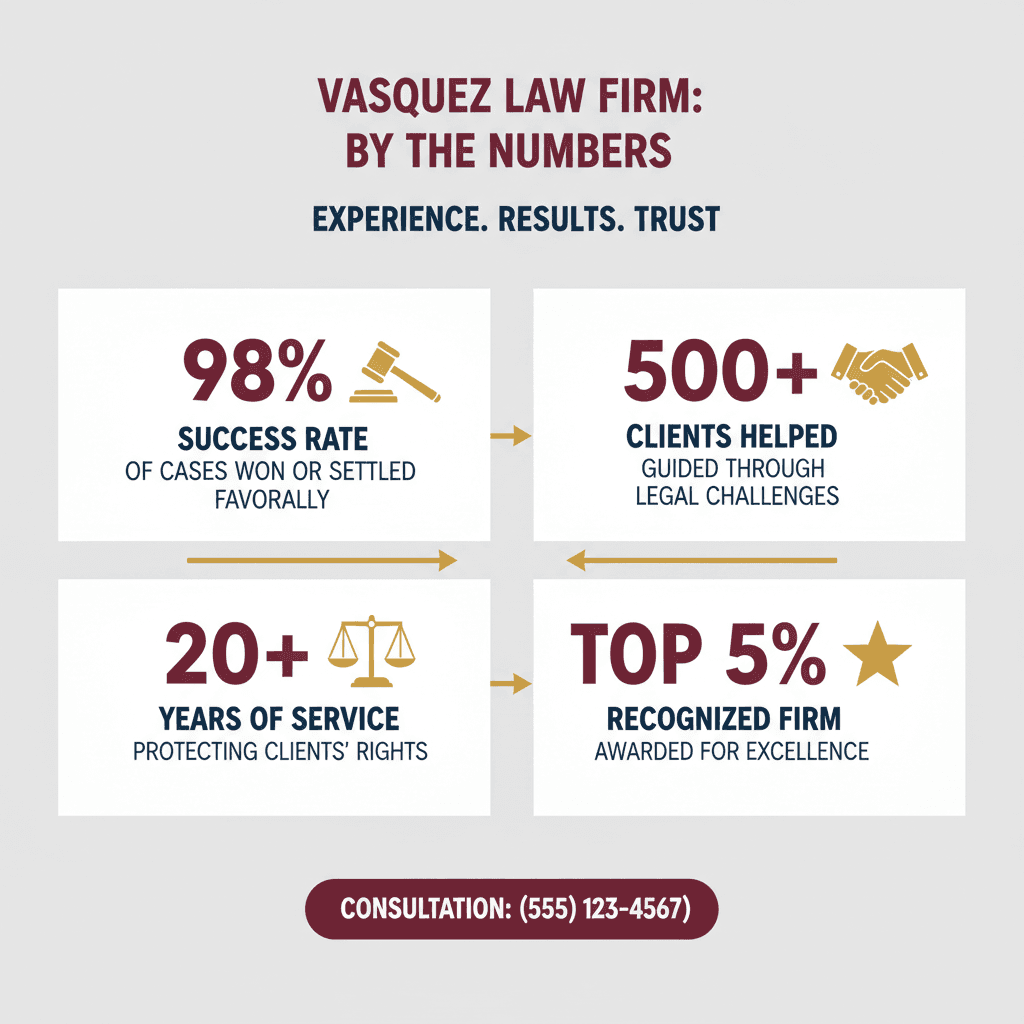
- Experience: With over 15 years of dedicated legal experience, Attorney Vasquez has a proven track record of helping clients navigate complex legal matters.
- Results: We are committed to achieving favorable outcomes and have successfully handled thousands of cases across multiple practice areas, with a focus on immigration.
Attorney Trust and Experience
Attorney Vasquez holds a Juris Doctor degree and is admitted to practice in the North Carolina State Bar. With over 15 years of dedicated legal experience, he has built a reputation for providing personalized attention and achieving favorable outcomes for his clients. He is passionate about fighting for the rights of immigrants and ensuring they receive fair treatment under the law. You can learn more about Attorney Vasquez's background and commitment to justice.
Frequently Asked Questions
Do states have different immigration laws?
Yes, states can enact their own state immigration laws, though these cannot contradict or undermine federal immigration law. These state laws often govern areas like employment verification, access to public benefits, and the extent of cooperation between local law enforcement and federal immigration authorities. The specific regulations vary significantly from one state to another, creating a complex legal landscape for immigrants across the nation in 2026.
Which states have the strictest immigration laws?
States like Florida, Texas, and Arizona are often cited for having some of the strictest state immigration laws. These states have implemented measures such as mandatory E-Verify for employers, increased penalties for transporting undocumented individuals, and requirements for local law enforcement to cooperate with federal immigration agencies. These policies aim to deter undocumented immigration and enhance enforcement within their borders, often leading to legal challenges and significant impacts on immigrant communities.
What are the current immigration laws?
As of 2026, current immigration laws are a combination of federal statutes, primarily the Immigration and Nationality Act (INA), and a patchwork of state immigration laws. Federal laws govern visas, green cards, naturalization, and deportation. State laws often impact daily life, covering areas like driver's licenses, public benefits, and local law enforcement's role in immigration enforcement. These laws are constantly evolving, making expert legal advice essential.
What is Florida's new immigration law?
Florida's significant new immigration law, Senate Bill 1718, enacted in 2023, has several key provisions. It expanded mandatory E-Verify requirements, imposed stricter penalties for hiring undocumented workers, and criminalized transporting undocumented individuals into the state. It also requires hospitals to collect immigration status data, though it prohibits denying emergency care. This law has significantly reshaped the landscape for immigrants and businesses in Florida as of 2026.
Which states are considered 'sanctuary states'?
Several states are considered 'sanctuary states' because they have policies that limit cooperation between local law enforcement and federal immigration authorities. Notable examples include California, Illinois, and New York. These state immigration laws typically prohibit local police from honoring voluntary ICE detainer requests or using local resources to enforce federal immigration laws, aiming to build trust with immigrant communities and improve public safety.
Can state immigration laws be challenged?
Yes, state immigration laws are frequently challenged in federal courts, often on grounds of federal preemption. The Supremacy Clause of the U.S. Constitution generally holds that federal law takes precedence over state law when there is a conflict or when Congress has intended to occupy the entire field of regulation. Many state immigration measures have been struck down or significantly modified through litigation, highlighting the complex interplay between state and federal powers.
How do state laws affect DACA recipients?
State immigration laws can significantly affect DACA recipients, particularly concerning access to driver's licenses, professional licenses, and in-state tuition. While DACA provides temporary protection from deportation and work authorization at the federal level, states determine additional benefits or restrictions. For example, some states grant DACA recipients in-state tuition, while others do not, showcasing the varied impact of state-level policies on this population.
Do all employers have to use E-Verify?
No, not all employers are federally mandated to use E-Verify. Federal law requires E-Verify for federal contractors and certain federal agencies. However, some state immigration laws, such as those in Florida and Arizona, extend this mandate to all or most public and private employers within their state. Employers should check their specific state's requirements to ensure compliance with employment verification laws in 2026.
Can states issue their own visas?
No, states cannot issue their own visas. The power to issue visas, grant legal permanent residency (Green Cards), and determine eligibility for U.S. citizenship rests exclusively with the federal government. State immigration laws operate within this federal framework and primarily affect how immigrants interact with state and local services or law enforcement, rather than directly controlling entry or legal status.
What is the difference between federal and state immigration enforcement?
Federal immigration enforcement is carried out by agencies like ICE and CBP, focusing on border security, deportations, and interior enforcement based on federal immigration laws. State immigration enforcement, where it exists, involves local law enforcement agencies cooperating with federal authorities under specific state immigration laws. States cannot independently deport individuals but can pass laws that facilitate or hinder federal enforcement efforts, influencing how immigrants are processed at the local level.
Sources and References
- U.S. Citizenship and Immigration Services (USCIS)
- U.S. Department of State - Bureau of Consular Affairs
- Executive Office for Immigration Review (EOIR)
- 8 U.S.C. § 1101 - Definitions
- Florida Courts
Need immigration help? Our immigration attorneys can review your case.
Ready to take the next step? Contact Vasquez Law Firm today for a free, confidential consultation. We're committed to fighting for your rights and achieving the best possible outcome for your case.
Start Your Free Case Evaluation Now
Call us: 1-844-967-3536
Se Habla Español - Estamos aquí para ayudarle.
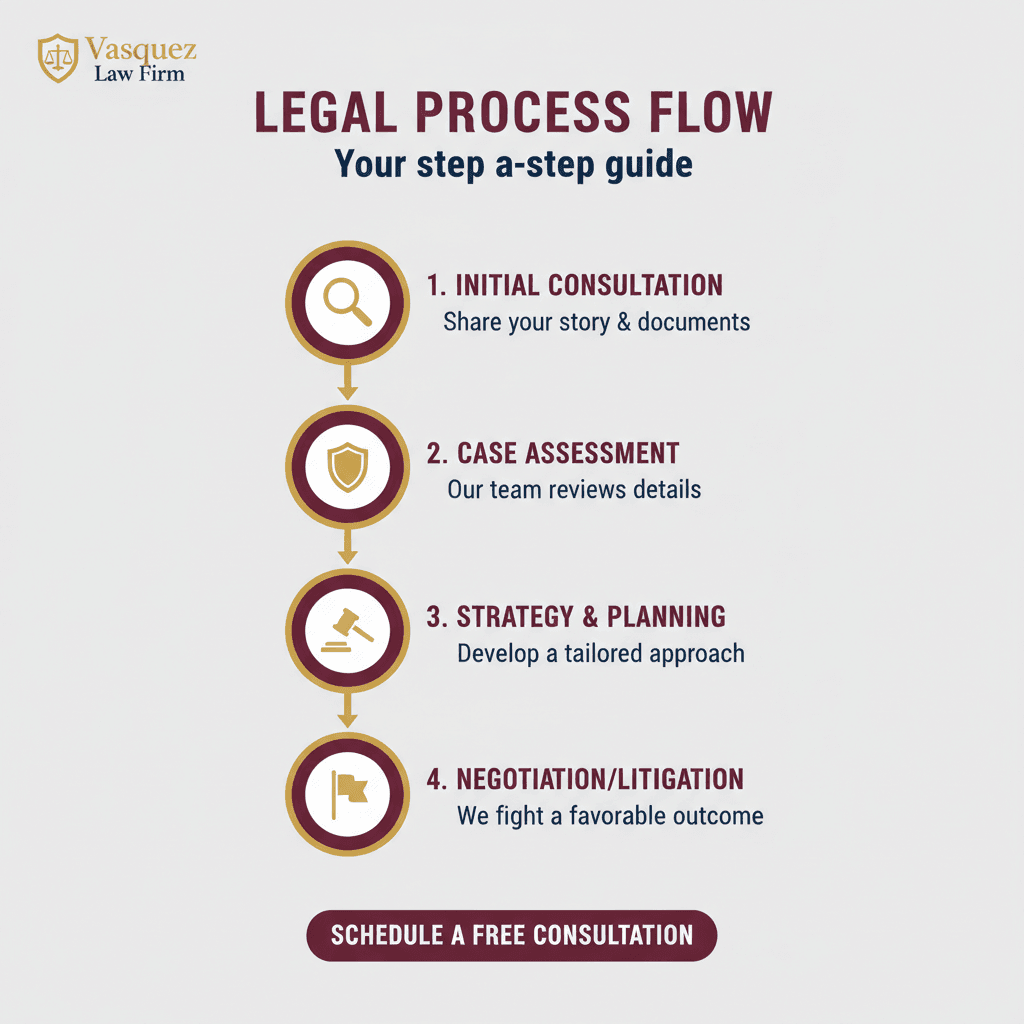


William Vasquez
Founder & CEO, Vasquez Law Firm, PLLC
William Vasquez is the founder and CEO of Vasquez Law Firm, PLLC, a results-driven firm specializing in immigration, criminal defense, personal injury, and workers' compensation. A U.S. Air Force veteran and recipient of the Joint Service Achievement Medal, William is dedicated to fiercely fighting for his clients' rights.
Related Legal Services
Need legal help? Learn more about speak with an immigration lawyer, or contact us for a free evaluation.
You can also visit immigration lawyers serving all of North Carolina for more information.