What Immigrants Need to Know About Maryland Immigration Law in 2026
Navigate Maryland immigration law in 2026 with our comprehensive guide. Understand your rights and options. Contact Vasquez Law Firm for a free consultation.
Published on February 18, 2026
Have questions? Talk to an attorney - free evaluation.
Call 1-844-967-3536Worried how the latest immigration news affects you?
Get a free, confidential case review with an immigration attorney - know exactly where you stand.
What Immigrants Need to Know About Maryland Immigration Law in 2026
Understanding Maryland immigration law is crucial for immigrants, asylum seekers, and their families living in or considering moving to the state. As of 2026, Maryland has seen notable shifts in its approach to immigration, impacting everything from local enforcement to access to state resources. This guide provides a comprehensive overview of the current legal landscape, focusing on key legislation, rights, and practical considerations for navigating the system. Whether you are seeking to adjust your status, understand the implications of recent state policies, or simply need clarity on your legal standing, Vasquez Law Firm is here to provide the expert guidance you need. We are committed to helping individuals and families understand the complexities of Maryland immigration law and protect their futures.
Need help with your case? Our experienced attorneys are ready to fight for you. Se Habla Español.
Schedule Your Free Consultation
Or call us now: 1-844-967-3536
Quick Answer: Maryland Immigration Law in 2026
Maryland immigration law in 2026 reflects a dynamic environment with both federal and state influences. Key state legislation includes measures impacting undocumented immigrants' access to driver's licenses and restrictions on local immigration enforcement agreements like 287(g). While federal law primarily governs immigration, state policies often determine the daily lives and opportunities for immigrants within Maryland. Staying informed and seeking legal counsel is vital.
- Maryland has enacted legislation affecting undocumented immigrants' access to state benefits.
- The state has moved to limit cooperation between local law enforcement and federal immigration agencies.
- Federal immigration law still dictates entry, residency, and deportation processes nationwide.
- Knowing your rights is paramount, especially regarding interactions with law enforcement.
- Legal assistance is crucial for navigating complex immigration procedures and state-specific policies.
Understanding Maryland's Immigration Landscape in 2026
Maryland has long been a state with a significant immigrant population, and its legal landscape regarding immigration is constantly evolving. As of 2026, the state has taken steps to create a more inclusive environment for its immigrant residents, though federal immigration law remains supreme in matters of entry, naturalization, and deportation. Recent legislative changes have aimed to address key concerns such as access to essential services and the role of local law enforcement in federal immigration matters. These changes reflect a broader national conversation about immigrant rights and integration.
One notable development is the state's stance on programs like 287(g), which allows local law enforcement to perform certain federal immigration functions. In 2026, Maryland has largely moved to prohibit these agreements, aiming to reduce the fear of deportation among immigrant communities and foster trust between residents and local police. This policy shift is critical for many families in Maryland, as it can significantly impact daily life and community safety. Understanding these nuances of Maryland immigration law is essential for anyone living in or considering moving to the state.
Key State Legislation Impacting Immigrants in Maryland
Maryland has passed several important pieces of legislation that directly affect immigrants residing within its borders. These state laws often fill gaps or provide protections where federal law does not explicitly prohibit such actions. For instance, the state has been at the forefront of expanding access to driver's licenses for undocumented immigrants, a policy that significantly improves daily life for many families by allowing them to commute to work, school, and medical appointments without fear. This measure, often referred to as a "Dreamer's Act" at the state level, recognizes the practical needs of residents regardless of their immigration status.
Furthermore, recent legislation signed by Governor Moore in 2025 (now effective in 2026) specifically targeted the 287(g) program. This law prohibits local entities from entering into or renewing agreements with U.S. Immigration and Customs Enforcement (ICE) that deputize local officers to enforce federal immigration law. This move positions Maryland as a "friendly" state for immigrants, reducing the likelihood of minor infractions leading to deportation proceedings. However, it's important to remember that these state-level protections do not override federal immigration authority, and individuals can still face federal enforcement actions. For comprehensive advice regarding Maryland immigration law, it is always best to consult with an experienced attorney.
Navigating Federal vs. State Immigration Laws in Maryland
The interplay between federal and state law is a complex aspect of Maryland immigration law. While states like Maryland can enact laws that affect immigrants' daily lives, such as access to driver's licenses or tuition rates, they cannot create their own immigration categories or grant permanent residency. That authority rests solely with the federal government, primarily through agencies like U.S. Citizenship and Immigration Services (USCIS) and the Executive Office for Immigration Review (EOIR). This means that while Maryland may offer certain protections or benefits, the path to a green card, citizenship, or defense against deportation is still governed by federal statutes like the Immigration and Nationality Act (INA).
For example, an undocumented immigrant in Maryland may be able to obtain a driver's license, but this does not grant them legal status under federal law. They could still be subject to federal immigration enforcement if encountered by ICE agents. Understanding this distinction is vital. Our legal team at Vasquez Law Firm, serving clients in Charlotte, North Carolina, Florida, and nationwide, helps individuals understand how both federal and Maryland immigration law apply to their unique circumstances. We provide clear guidance on federal processes, such as visa applications, asylum claims, and deportation defense, while also explaining how state policies might impact their day-to-day lives in Maryland.
Rights of Immigrants in Maryland: What You Should Know
All individuals in the United States, regardless of immigration status, possess certain constitutional rights. These rights are particularly important for immigrants, especially when interacting with law enforcement or immigration officials. In Maryland, these federal rights are often bolstered by state policies that aim to protect vulnerable populations. For instance, the Fourth Amendment protects against unreasonable searches and seizures, meaning that law enforcement, including ICE, generally needs a warrant to enter a home. The Fifth Amendment guarantees due process and the right to remain silent.
In the context of Maryland immigration law, knowing your rights can be critical during encounters with authorities. You have the right to remain silent, the right to refuse a search without a warrant, and the right to speak with an attorney. Maryland's policies limiting local cooperation with ICE can add another layer of protection, reducing the chances of immediate detention based on minor state infractions. However, these rights must be asserted. It is always advisable to carry an "I Am Silent" card and to contact an attorney immediately if you or a loved one is detained or questioned by immigration officials. For more information on protecting your rights, consider reaching out to our immigration services team.
Maryland Resources and Support for Immigrants
Maryland offers various resources and support systems for its immigrant communities, reflecting its commitment to integration and assistance. These resources range from legal aid organizations that provide low-cost or free immigration services to community centers offering language classes, job training, and cultural integration programs. Many non-profit organizations work tirelessly to help immigrants navigate the complexities of daily life, access healthcare, and understand their rights under both state and federal law. These support networks are invaluable for new arrivals and long-term residents alike.
The state's Department of Human Services, along with local county agencies, often provides assistance with housing, food, and other social services, some of which may be accessible regardless of immigration status. Educational institutions also play a crucial role, with many community colleges and universities offering in-state tuition benefits for eligible undocumented students, often referred to as "Dreamers." These initiatives demonstrate Maryland's efforts to be a "friendly" state for immigrants, fostering an environment where individuals can thrive. When seeking assistance, it is important to verify eligibility requirements and to seek guidance from reputable organizations or legal professionals to ensure accurate information and proper application.
How Vasquez Law Firm Can Help with Maryland Immigration Cases
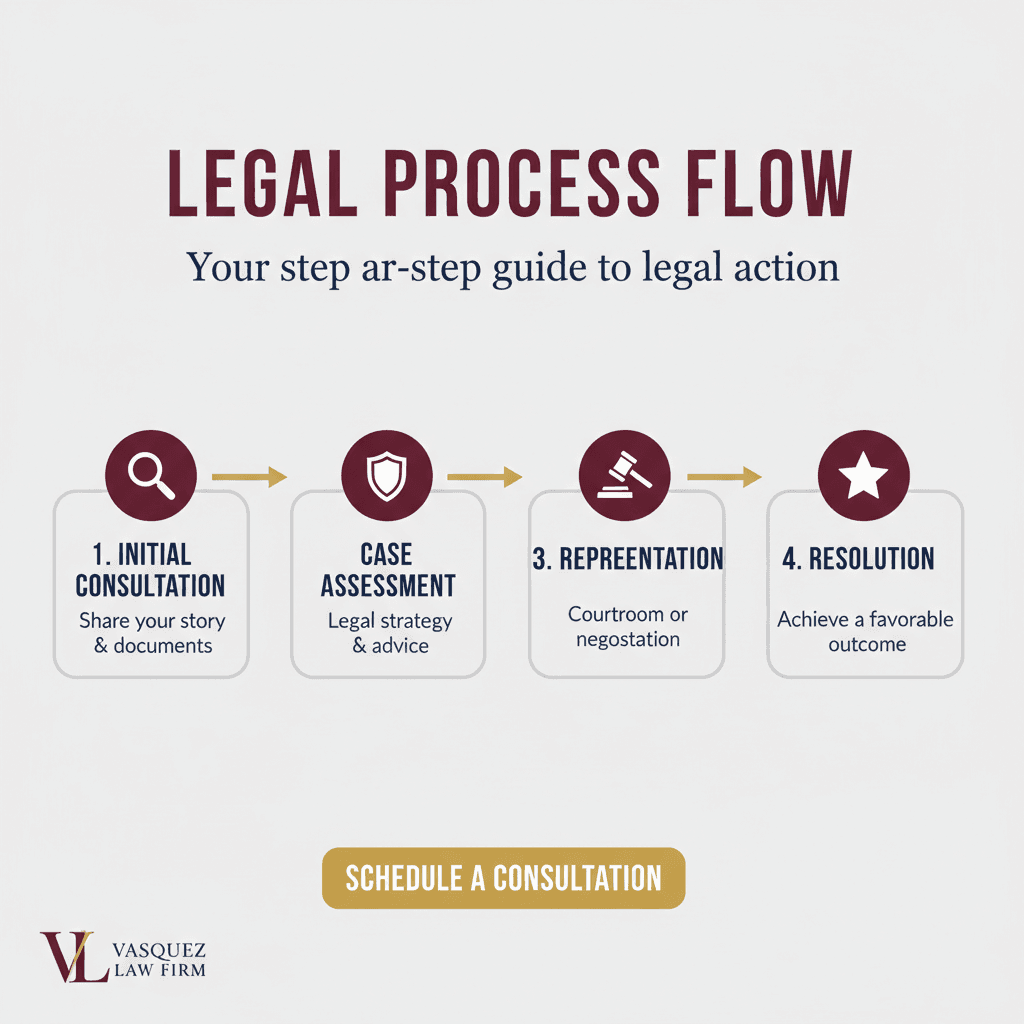
While Vasquez Law Firm is primarily based in North Carolina, we proudly serve clients across Florida and nationwide for federal immigration matters, including those impacting residents of Maryland. Our team understands the unique challenges immigrants face, especially with the complex interplay between state-specific policies and overarching federal immigration law. We offer comprehensive legal services tailored to your specific needs, whether you are seeking asylum, applying for a visa, defending against deportation, or pursuing family-based immigration. Our commitment is to provide compassionate yet aggressive representation, ensuring your voice is heard and your rights are protected throughout the legal process.
We can assist with understanding the implications of Maryland immigration law on your federal case, advising on eligibility for various immigration benefits, and representing you in immigration court or before USCIS. Our Attorney Vasquez and his team are dedicated to fighting for justice, embodying our motto "Yo Peleo" (I Fight). We offer personalized attention and strategic legal counsel, helping you navigate every step with confidence. If you are in Maryland and need expert immigration legal assistance, do not hesitate to contact our office for a consultation. We offer free consultations to discuss your situation and explore your best legal options.
Don't face your legal challenges alone. Our team is here to help you every step of the way.
Call today: 1-844-967-3536 | Se Habla Español
Common Mistakes to Avoid in Maryland Immigration Matters
Navigating Maryland immigration law and federal processes can be fraught with potential pitfalls. Avoiding common mistakes is crucial for a successful outcome. One significant error is providing false information on any immigration application or during an interview, which can lead to severe penalties, including deportation or bars to future immigration benefits. Another mistake is failing to disclose all past interactions with law enforcement, even minor ones, as these can impact eligibility for certain reliefs. Always be truthful and thorough, seeking legal advice if unsure.
Ignoring deadlines for applications, appeals, or court appearances is another frequent and often fatal error. The immigration system operates on strict timelines, and missing a deadline can result in automatic denials or deportation orders. Additionally, relying on advice from non-attorneys or "notarios" who are not qualified to practice law is incredibly dangerous; they can provide incorrect information that jeopardizes your case. Lastly, assuming that Maryland's "friendly" policies negate federal enforcement is a critical misconception. Federal immigration law still applies. Always consult with a qualified immigration attorney to ensure compliance with all laws and regulations.
When to Call a Lawyer Now for Maryland Immigration
- You have received a Notice to Appear (NTA) in immigration court.
- ICE agents have contacted you or a family member.
- Your visa application or green card petition has been denied.
- You are seeking asylum or refugee status in the U.S.
- You have been arrested, even for a minor offense, and are concerned about immigration consequences.
- You wish to adjust your status but have a criminal record or past immigration violations.
- You are unsure about your eligibility for any immigration benefit or relief.
- You need to understand how recent changes in Maryland immigration law affect your status.
- You are facing deportation or removal proceedings.
- You want to sponsor a family member for immigration to the U.S.
About Vasquez Law Firm
At Vasquez Law Firm, we combine compassion with aggressive representation. Our motto "Yo Peleo" (I Fight) reflects our commitment to standing up for your rights and providing dedicated legal advocacy. We understand that immigration matters are deeply personal and often life-changing, which is why we approach every case with the urgency and care it deserves. Our firm is proud to be veteran-founded, bringing a disciplined and determined approach to every legal challenge.
- Bilingual Support: Se Habla Español - our team is fully bilingual, ensuring clear communication and understanding for all our clients.
- Service Areas: We provide comprehensive federal immigration services to clients in North Carolina, Florida, and nationwide.
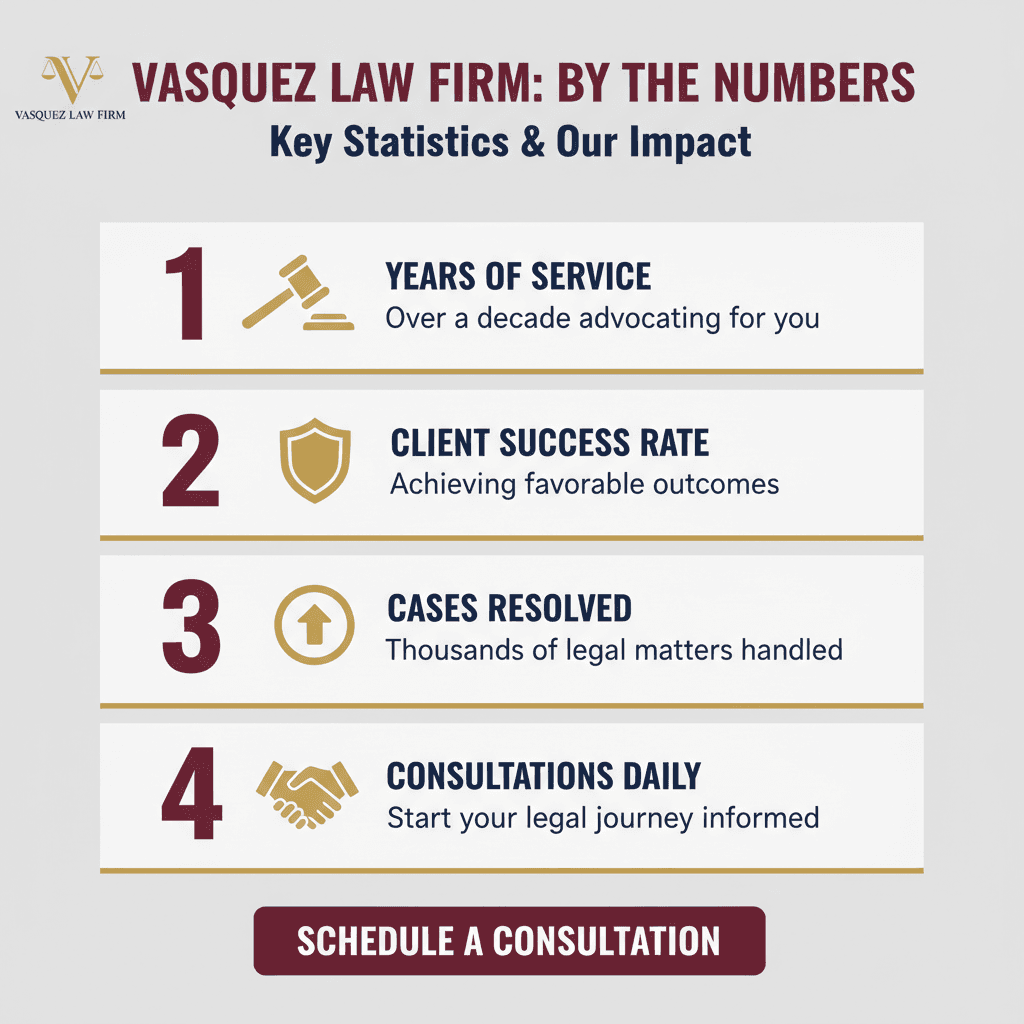
- Experience: With over 15 years of dedicated legal experience, Attorney Vasquez has a proven track record of helping clients navigate complex legal matters.
- Results: We are committed to achieving favorable outcomes, having successfully handled thousands of cases across multiple practice areas.
Attorney Trust and Experience
Attorney Vasquez, JD, is a highly respected legal professional admitted to practice in both the North Carolina State Bar and Florida Bar. With over 15 years of dedicated legal experience, he has built a reputation for providing personalized attention and achieving favorable outcomes for his clients. His deep understanding of federal immigration law, coupled with a compassionate approach, makes him a trusted advocate for individuals and families facing daunting legal challenges. Under his leadership, Vasquez Law Firm stands as a beacon of hope and strength for the immigrant community, including those navigating Maryland immigration law.
Frequently Asked Questions About Maryland Immigration Law
Can an undocumented immigrant get a driver's license in Maryland?
Yes, as of 2026, Maryland law allows undocumented immigrants to obtain a driver's license. This policy aims to improve road safety and provide greater mobility for all residents. Applicants must meet specific requirements, including proving Maryland residency and filing state taxes, but they are not required to provide proof of legal immigration status. This is a significant state-level benefit for many families.
Is Maryland considered friendly to immigrants?
Compared to many other states, Maryland is generally considered immigrant-friendly. Its policies, such as providing driver's licenses to undocumented residents and recent legislation limiting local cooperation with federal immigration enforcement (like 287(g) agreements), reflect a welcoming stance. However, federal immigration laws still apply, and "friendly" state policies do not grant federal legal status. It's a supportive, but not absolute, environment.
What state has the strictest immigration laws?
Determining the "strictest" state for immigration laws can vary based on specific criteria, but states like Arizona, Alabama, and Georgia have historically enacted some of the most restrictive state-level immigration policies. These often include laws requiring proof of legal status for public services or enhancing local law enforcement's role in federal immigration enforcement. Maryland's approach is generally the opposite of these more restrictive states.
Why are immigrants coming to live in Maryland?
Immigrants are drawn to Maryland for several reasons, including economic opportunities, a robust job market, and a diverse cultural environment. Additionally, Maryland's progressive state-level immigration policies, such as access to driver's licenses and higher education benefits, make it an attractive place. Family reunification and the presence of established immigrant communities also play a significant role in drawing new residents to the state.
What is the 287(g) program, and how does Maryland address it?
The 287(g) program is a federal initiative that deputizes local law enforcement officers to perform certain federal immigration functions, such as identifying and detaining individuals who violate immigration laws. As of 2026, Maryland has enacted legislation to largely prohibit local jurisdictions from entering into or renewing these agreements, aiming to reduce entanglement between local police and federal immigration enforcement, a significant aspect of Maryland immigration law.
Do Maryland state laws affect federal immigration processes?
Maryland state laws do not directly alter federal immigration processes for visas, green cards, or citizenship. Federal law governs these aspects. However, state laws can significantly impact the daily lives of immigrants in Maryland by providing access to state benefits, driver's licenses, or influencing local law enforcement's interaction with federal immigration agencies. These state policies can indirectly affect an individual's overall well-being and stability while their federal case proceeds.
Can I be deported if I have a Maryland driver's license but am undocumented?
Yes, obtaining a Maryland driver's license as an undocumented immigrant does not grant you federal legal status or protection from deportation. While the license allows you to drive legally in the state, federal immigration authorities (like ICE) can still initiate removal proceedings if they encounter you. State laws cannot override federal immigration enforcement powers. It is crucial to understand this distinction.
What should I do if ICE contacts me in Maryland?
If ICE contacts you in Maryland, it is crucial to remain calm and remember your rights. You have the right to remain silent and the right to speak with an attorney. Do not open your door if agents do not have a warrant signed by a judge. Do not sign anything without consulting an attorney. Immediately contact an experienced immigration lawyer, such as those at Vasquez Law Firm, for guidance. Your prompt action can significantly impact your case.
Are there any specific protections for DACA recipients in Maryland?
Maryland has a supportive stance towards DACA (Deferred Action for Childhood Arrivals) recipients. While DACA is a federal program, Maryland offers in-state tuition at public colleges and universities for eligible DACA students. The state's general immigrant-friendly policies also benefit DACA recipients by creating a more welcoming environment. However, the federal status of DACA remains subject to federal court decisions and legislative actions.
How does Maryland's anti-287(g) law impact communities?
Maryland's anti-287(g) law, which restricts local law enforcement's involvement in federal immigration enforcement, aims to build trust between immigrant communities and local police. This reduces fear of reporting crimes or seeking assistance, potentially leading to safer communities for everyone. It helps prevent local police from acting as de facto immigration agents, allowing them to focus on local public safety without concerns about immigration status. This is a key development in Maryland immigration law.
Sources and References
- U.S. Citizenship and Immigration Services (USCIS)
- Executive Office for Immigration Review (EOIR)
- U.S. Department of State - Bureau of Consular Affairs
- 8 U.S.C. § 1255 - Adjustment of Status
- 8 C.F.R. § 245.1 - Eligibility
Ready to take the next step? Contact Vasquez Law Firm today for a free, confidential consultation. We're committed to fighting for your rights and achieving the best possible outcome for your case.
Start Your Free Consultation Now
Call us: 1-844-967-3536
Se Habla Español - Estamos aquí para ayudarle.

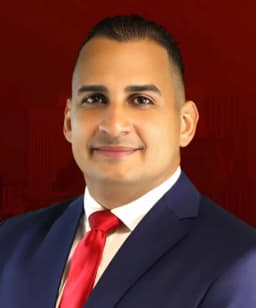
William Vasquez
Founder & CEO, Vasquez Law Firm, PLLC
William Vasquez is the founder and CEO of Vasquez Law Firm, PLLC, a results-driven firm specializing in immigration, criminal defense, personal injury, and workers' compensation. A U.S. Air Force veteran and recipient of the Joint Service Achievement Medal, William is dedicated to fiercely fighting for his clients' rights.
Related Legal Services
Need legal help? Learn more about NC immigration legal team, or contact us for a free evaluation.
You can also visit statewide immigration legal services for more information.