DOJ Expansion of Denaturalization Cases: Essential Guide [2026]
Learn about DOJ expansion of denaturalization cases in 2026. Understand risks, investigations, and who may be affected. Contact Vasquez Law Firm for help.
Published on May 7, 2026· Updated June 26, 2026
Talk to an immigration attorney
Free call. A clear plan for your case.
Free & confidential · Se habla espanol · 24/7
![DOJ Expansion of Denaturalization Cases: Essential Guide [2026]](/_next/image?url=https%3A%2F%2Fvuuyorlsmhunqektprqy.supabase.co%2Fstorage%2Fv1%2Fobject%2Fpublic%2Fblogs%2Fimmigration-header-1782501448219.png&w=1920&q=75)
Have questions? Talk to an attorney - free evaluation.
Call 1-844-967-3536Worried how the latest immigration news affects you?
Schedule a confidential case review with an immigration attorney - know exactly where you stand.
USCIS Case Status
Check your USCIS case status
Enter your receipt number and get the official status. Free, no registration.
DOJ Expansion of Denaturalization Cases: Essential Guide [2026]
In 2026, the Department of Justice (DOJ) is expanding its efforts to pursue denaturalization cases against naturalized U.S. citizens suspected of fraud or other violations. This guide explains the DOJ’s increased scrutiny, highlights warnings from legal experts like Todd Blanche, and clarifies that citizenship cannot be revoked automatically. If you are a naturalized citizen living in Charlotte or elsewhere in North Carolina or Florida, understanding these developments is critical. Vasquez Law Firm offers compassionate and aggressive legal support to help you navigate these complex issues.
Need help with your case? Our experienced attorneys are ready to fight for you. Se Habla Español.
Schedule Your Free Case Evaluation
Or call us now: 1-844-967-3536
Quick Answer
The DOJ is expanding denaturalization cases in 2026 targeting naturalized U.S. citizens suspected of fraud or violations. Citizenship cannot be revoked automatically; legal process is required. Those affected include individuals with alleged fraud, criminal conduct, or financial misrepresentation.
- DOJ increased denaturalization efforts in 2026
- Citizenship revocation requires court process
- Fraud and financial investigations are key focus
- Naturalized citizens in NC and FL may be affected
- Legal advice is critical if contacted
Understanding DOJ Expansion of Denaturalization Cases
In 2026, the Department of Justice has announced a significant expansion in its pursuit of denaturalization cases. This means that the DOJ is actively investigating naturalized U.S. citizens suspected of obtaining citizenship through fraudulent means or concealing important facts during the naturalization process. The expansion aims to uphold the integrity of U.S. nationality law, ensuring that citizenship is granted only to those who meet all legal requirements.
Denaturalization is a legal process where the government seeks to revoke citizenship if it was obtained illegally or fraudulently. This process is complex and requires strong evidence. The DOJ’s increased focus reflects concerns about past abuses and the need to deter future fraud. It is important to understand that not all naturalized citizens are at risk, but those who may have misrepresented information or committed crimes related to their immigration status could face scrutiny.
Naturalized citizens living in Charlotte, North Carolina, and Florida should be particularly aware of these developments. The DOJ’s expansion affects these regions due to their large immigrant populations and prior cases of immigration fraud uncovered in these areas.
Warning from Todd Blanche About Denaturalization Risks
Todd Blanche, a well-known immigration expert and former official, has publicly warned about the DOJ’s aggressive approach to denaturalization. He emphasizes that individuals must be vigilant and seek legal counsel if contacted by immigration authorities regarding their citizenship status.
Blanche notes that the DOJ’s strategy includes targeting cases with suspected fraud and financial irregularities, making it critical for naturalized citizens to maintain accurate records and be truthful in all dealings with authorities. His warning serves as a reminder that the process is serious and can have life-changing consequences, including possible loss of citizenship and deportation.
Legal experts like Blanche recommend that those who receive any notice from DOJ or immigration agencies immediately consult with an experienced immigration attorney. Early legal intervention can help protect your rights and prepare a strong defense against denaturalization claims.
Fraud and Financial Investigations in Denaturalization
One of the DOJ’s primary focuses in 2026 denaturalization cases is investigating fraud and financial-related misconduct. This includes false statements on naturalization forms, concealing criminal history, or involvement in financial crimes such as tax evasion or money laundering that could affect eligibility for citizenship.
The DOJ may also review financial records and transactions as part of its evidence gathering. Financial fraud can be a significant factor leading to denaturalization because it calls into question the applicant’s honesty and fitness for citizenship.
If you have concerns about possible investigations or irregularities in your application, it is essential to consult with an immigration attorney who can review your case and advise on the best course of action.
Citizenship Revocation: What You Need to Know
Citizenship revocation, or denaturalization, cannot happen automatically. The government must file a lawsuit and prove that citizenship was obtained illegally. This involves court hearings where the individual has the right to defend themselves.
Important points include:
- Denaturalization requires formal legal proceedings in federal court.
- The burden of proof is on the government to show fraud or illegality.
- The process includes opportunities for the individual to present evidence and challenge claims.
- Citizenship cannot be revoked solely based on allegations or administrative decisions.
Understanding this process helps naturalized citizens know their rights and the seriousness of any denaturalization claims.
Who Could Be Affected by Increased DOJ Scrutiny
The DOJ’s expanded efforts primarily target naturalized citizens who are suspected of:
- Fraud or misrepresentation during the naturalization application
- Criminal conduct that violates immigration laws
- Financial fraud impacting eligibility for citizenship
- Membership or affiliation with prohibited organizations
Residents of Charlotte, North Carolina, and Florida are among those who may face increased scrutiny due to the local immigrant populations and prior cases. However, the DOJ’s efforts are nationwide.
If you believe you could be affected or have received any communication from immigration authorities, it is important to act quickly and seek legal advice.
Step-by-Step: Responding to a Denaturalization Case
- Receive Notice: If you receive any communication from DOJ or immigration agencies, read it carefully.
- Consult an Attorney: Contact an experienced immigration lawyer immediately to discuss your case.
- Gather Documents: Collect all relevant documents related to your naturalization and any supporting evidence.
- Prepare Defense: Work with your attorney to prepare a response or defense against the allegations.
- Court Proceedings: Attend all scheduled hearings and present your case.
- Follow Legal Advice: Comply with all legal requirements and deadlines throughout the process.
Common Mistakes to Avoid During Denaturalization Proceedings
- Ignoring Notices: Always respond promptly to any government communications.
- Not Hiring a Lawyer: Self-representation can lead to unfavorable outcomes.
- Providing False Information: Honesty is critical throughout proceedings.
- Missing Deadlines: Timely filing and appearances are essential.
- Failing to Gather Evidence: Collect all documents that support your case early.
- Discussing Case Publicly: Avoid sharing details without legal advice.
- Assuming Automatic Revocation: Citizenship revocation requires court action, not automatic removal.
If you only remember one thing: seek skilled legal help immediately if faced with denaturalization.
Frequently Asked Questions
Can I be deported if I am a naturalized U.S. citizen?
Yes, naturalized citizens can be deported if their citizenship is revoked due to fraud or illegal conduct. This requires a formal legal process and court decision. Deportation is not automatic. Immediate legal help is crucial if you face such risks.
What can cause denaturalization of US citizenship?
Denaturalization can result from fraud, concealment of material facts, criminal acts, or membership in prohibited groups during naturalization. The government must prove these claims in court for citizenship to be revoked.
Can a naturalized citizen have their citizenship stripped?
Yes, but only through court proceedings proving illegal acquisition of citizenship. The individual has rights to defend themselves during the process.
Is denaturalization unconstitutional?
Denaturalization is constitutional when done following due process. The courts ensure citizenship is not revoked arbitrarily, protecting constitutional rights.
What is the DOJ's role in denaturalization cases?
The DOJ investigates and prosecutes denaturalization cases when there is evidence of fraud or illegal acts related to citizenship acquisition.
How can I protect myself from denaturalization risks?
Be truthful in all applications, keep thorough records, and seek legal counsel promptly if contacted by authorities.
What happens after a denaturalization case is filed?
Court hearings follow where evidence is presented. The judge decides on citizenship status. Deportation may follow if citizenship is revoked.
Who is most at risk from DOJ’s increased denaturalization efforts?
Naturalized citizens suspected of fraud, criminal activity, or financial misrepresentation, especially in high-immigration areas such as Charlotte, NC, and Florida.
About Vasquez Law Firm
At Vasquez Law Firm, we combine compassion with aggressive representation. Our motto "Yo Peleo" (I Fight) reflects our commitment to standing up for your rights.
- Bilingual Support: Se Habla Español - our team is fully bilingual
- Service Areas: North Carolina, Florida, and nationwide immigration services
- Experience: Over 15 years helping clients navigate complex legal matters
- Results: Thousands of successful cases across multiple practice areas
Attorney Trust and Experience
Attorney Vasquez holds a Juris Doctor degree and is admitted to practice in the North Carolina State Bar. With over 15 years of dedicated legal experience, he has built a reputation for providing personalized attention and achieving favorable outcomes for his clients.
Don't wait to get the help you deserve. Call us now for immediate assistance.
Se Habla Español
Sources and References
- USCIS official guidelines on denaturalization
- Department of Justice denaturalization information
- Executive Office for Immigration Review
Need immigration help? Our immigration attorneys can review your case.
Take the first step toward justice today. Our team is standing by to help.
Start Your Free Case Evaluation Now
Call us: 1-844-967-3536
Se Habla Español - Estamos aquí para ayudarle.
![Visual Guide 1 for DOJ Expansion of Denaturalization Cases: Essential Guide [2026]](/_next/image?url=https%3A%2F%2Fvuuyorlsmhunqektprqy.supabase.co%2Fstorage%2Fv1%2Fobject%2Fpublic%2Fblogs%2Fimmigration-infographic1-1778161044323.png&w=1920&q=75)
![Visual Guide 2 for DOJ Expansion of Denaturalization Cases: Essential Guide [2026]](/_next/image?url=https%3A%2F%2Fvuuyorlsmhunqektprqy.supabase.co%2Fstorage%2Fv1%2Fobject%2Fpublic%2Fblogs%2Fimmigration-infographic2-1778161054229.png&w=1920&q=75)
![Visual Guide 3 for DOJ Expansion of Denaturalization Cases: Essential Guide [2026]](/_next/image?url=https%3A%2F%2Fvuuyorlsmhunqektprqy.supabase.co%2Fstorage%2Fv1%2Fobject%2Fpublic%2Fblogs%2Fimmigration-concept-1778161063759.png&w=1920&q=75)
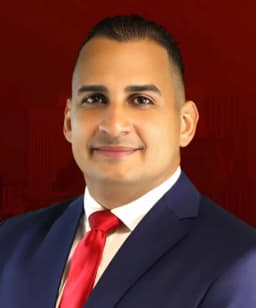
William Vasquez
Founder & CEO, Vasquez Law Firm, PLLC
William Vasquez is the founder and CEO of Vasquez Law Firm, PLLC, a results-driven firm specializing in immigration, criminal defense, personal injury, and workers' compensation. A U.S. Air Force veteran and recipient of the Joint Service Achievement Medal, William is dedicated to fiercely fighting for his clients' rights.
Related Legal Services
Need legal help? Learn more about our immigration law practice, or contact us for a free evaluation.
You can also visit North Carolina immigration lawyers for more information.