What Happens With Deportation of Pregnant People in 2026
Learn what deportation of pregnant people means in 2026. Protect your rights with Vasquez Law Firm. Contact us for a free consultation.
Published on March 20, 2026
Talk to an immigration attorney
Free call. A clear plan for your case.
Free & confidential · Se habla espanol · 24/7
Have questions? Talk to an attorney - free evaluation.
Call 1-844-967-3536Check your case status now
Look up your immigration case below, then talk to an attorney about what it means — free.
Questions about your result?
Talk to an attorney about your case — free, no obligation.
What Happens With Deportation of Pregnant People in 2026
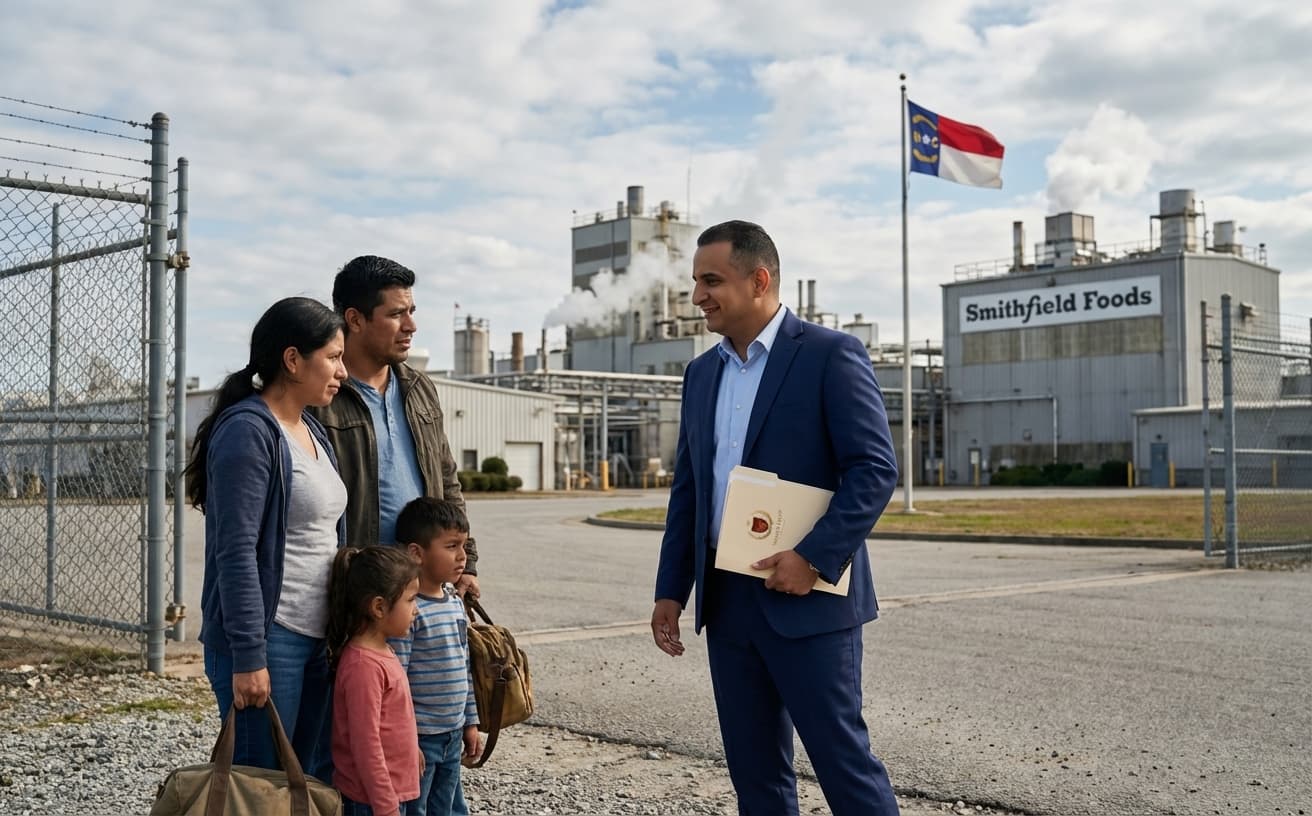
Deportation of pregnant people in 2026 remains a complex and sensitive issue. Pregnant individuals face unique challenges during immigration enforcement actions that can affect their health and that of their unborn child. This article covers key facts about deportation policies, protections under federal law, and practical steps for pregnant immigrants, especially in Smithfield, North Carolina and Florida. Knowing your rights and the legal options available can make a crucial difference during this difficult time.
Need help with your case? Our experienced attorneys are ready to fight for you. Se Habla Español.
Schedule Your Free Case Evaluation
Or call us now: 1-844-967-3536
Quick Answer
Pregnant individuals can be deported, but certain humanitarian and medical factors may delay or alter proceedings. Legal protections exist but are limited and require prompt action to secure. Contact an immigration attorney immediately if you face deportation while pregnant.
- Pregnancy alone does not guarantee protection from deportation.
- Deportation can pose serious health risks to mother and child.
- Courts may grant continuances or bond for pregnant detainees.
- Local policies in Smithfield and Florida may impact enforcement.
- Legal counsel is critical to navigate these complex situations.
Process of Deportation for Pregnant People
- Initial arrest and detention
- Medical evaluations and pregnancy verification
- Immigration court hearings and bond requests
- Deportation order and appeals
- Possible relief or humanitarian parole
Understanding Deportation of Pregnant People
Imagine being pregnant and suddenly detained by immigration officials. In 2026, deportation of pregnant people continues with enforcement policies that may not fully consider the medical risks involved. Pregnancy does not stop immigration agents from executing deportation orders. However, federal law and agency policies require that ICE provide medical care and consider pregnancy as a humanitarian factor.
Living in Smithfield, NC or Florida, pregnant immigrants face overlapping systems of federal immigration laws and local enforcement practices. Pregnancy increases vulnerabilities during detention and court processes. Health complications like premature labor, high blood pressure, or other pregnancy-related conditions make the stakes higher.
Federal policies, such as ICE’s 2015 Performance-Based National Detention Standards, call for special medical care for pregnant detainees. ICE’s local field offices have discretion to delay deportation close to delivery, but these decisions are not guaranteed. Pregnant individuals may also request bond or parole on humanitarian grounds.
Understanding how deportation works for pregnant people involves grasping legal standards and real-world applications. Immigration courts may temporarily halt removal proceedings to protect health. A judge can grant defenses or relief depending on case facts. But without legal support, outcomes can be harsh.
This complexity is why attorneys like those at Vasquez Law Firm help clients know their rights and fight deportation risks. If you or a loved one is pregnant and facing deportation in the Smithfield or Florida area, expert legal assistance is important.
Learn more about our immigration services.Step-by-step: What to Do If You Are Pregnant and Facing Deportation
- Confirm your pregnancy and medical needs: Get prenatal care and document your pregnancy with medical records.
- Inform immigration authorities immediately: Notify ICE officers and immigration court about your pregnancy.
- Request medical accommodations: Ask for necessary treatments and appointments during detention.
- Consult an immigration attorney: Contact a lawyer experienced in deportation and immigration relief.
- Gather evidence of hardship: Collect medical, family, and community support documents relevant to your case.
- Apply for bond or stay of removal: Your attorney may petition for bond or humanitarian parole based on health risks.
- Attend all hearings: Be present for immigration court dates and show evidence of your pregnancy and hardships.
- Plan for appeals or relief applications: Your attorney can advise if cancellation of removal or other relief options apply.
- Stay connected with support networks: Family, doctors, and community groups can provide crucial help throughout the process.
Don't wait to get the help you deserve. Call us now for immediate assistance.
Se Habla Español
Documents and Evidence Checklist
- Medical records confirming pregnancy and prenatal care
- Letters from doctors outlining pregnancy risks
- Birth certificates of any US citizen children you have
- Proof of community ties and family relationships
- Copies of prior immigration applications and notices
- Any documentation showing financial or medical hardship
- Identification documents like passports or IDs
- Evidence of arrests, court appearances, or immigration appointments
Rights and Protections for Pregnant Immigrants
- Right to medical care
- Limitations on detention duration
- Consideration of pregnancy in deportation hearings
- Access to counsel and translators
- Special humanitarian relief options
Timeline: What to Expect During Deportation Proceedings
- Week 1-2: Detention and medical intake including pregnancy check
- Weeks 3-6: First immigration court hearing (master calendar) where bond may be requested
- Weeks 7-12: Individual hearing scheduled; medical evidence submitted
- Weeks 13-20: Possible continuances for medical care; ICE may delay removal near delivery
- Weeks 21+: Deportation order issued or relief granted; appeals may follow
- After delivery: Additional considerations for mother's and child's health and safety
Costs and Fees: What Impacts the Price of Legal Help
- Complexity of the immigration case
- Need for specialist medical expert reports
- Number of court hearings and appeals required
- Urgency and immediate risk level
- Legal services for bond or parole applications
- Geographic location, such as Smithfield NC or Florida
Common Mistakes and How to Avoid Them
- Not informing authorities about pregnancy - always disclose immediately.
- Missing court dates - stay organized and attend every hearing.
- Failing to get proper medical documentation - keep detailed medical records.
- Not hiring an immigration attorney familiar with pregnancy-related cases.
- Assuming pregnancy stops deportation - it may delay but doesn’t guarantee protection.
- Ignoring bond or parole options - these can be critical relief routes.
- Delaying legal help until it’s too late - early consultation improves chances.
- Failing to gather strong evidence of hardships and family ties.
- Relying on misinformation from social media or non-lawyers.
- Not informing family or support network about case status.
If you only remember one thing: Always get legal help early to protect your health and rights as a pregnant immigrant facing deportation.
Jurisdiction Notes for Smithfield NC and Florida
North Carolina Notes
Smithfield, North Carolina follows federal immigration law but some local jurisdictions may limit ICE cooperation. Pregnant immigrants in NC can seek relief with immigration courts in regional centers. The Vasquez Law Firm has particular expertise serving clients in Smithfield on deportation and humanitarian cases involving pregnancy.
Florida Notes
Florida has a high level of ICE enforcement activity. Pregnant people detained by ICE in Florida may face more frequent detention but still have access to medical care and possible humanitarian parole requests. Local advocacy groups also provide support. Legal assistance in Florida is critical to obtaining relief quickly.
Nationwide Concepts
Federal immigration law governs deportation processes for pregnant individuals anywhere in the US. Detention standards require medical evaluations and special accommodations. Immigration judges nationwide consider pregnancy as a factor for bond or removal relief. However, enforcement priorities and resources vary by location and administration.
When to Call a Lawyer Now
- You are detained by ICE and pregnant
- You receive a Notice to Appear for immigration court
- If you have medical complications related to pregnancy
- If you have US citizen children and fear deportation
- You want help requesting bond or humanitarian parole
- Before attending any immigration hearings
- You are unsure about your legal options and relief possibilities
- If you receive a deportation order and want to appeal
- If you need help understanding detainment conditions or rights
- If your family needs guidance on how to support you legally
About Vasquez Law Firm
At Vasquez Law Firm, we combine compassion with aggressive representation. Our motto "Yo Peleo" (I Fight) reflects our commitment to standing up for your rights.
- Bilingual Support: Se Habla Español - our team is fully bilingual
- Service Areas: North Carolina, Florida, and nationwide immigration services
- Experience: Over 15 years helping clients navigate complex legal matters
- Results: Thousands of successful cases across multiple practice areas
Attorney Trust and Experience
Attorney Vasquez holds a Juris Doctor degree and is admitted to practice in the North Carolina State Bar. With over 15 years of dedicated legal experience, he has built a reputation for providing personalized attention and achieving favorable outcomes for his clients.
Don't face your legal challenges alone. Our team is here to help you every step of the way.
Call today: 1-844-967-3536 | Se Habla Español
Frequently Asked Questions
Can someone be deported if they are pregnant?
Yes, pregnancy does not guarantee protection against deportation. Federal immigration law does not specifically exempt pregnant individuals from removal. However, immigration officials and judges may consider pregnancy as a humanitarian factor and could delay deportation or allow relief depending on the health risks and circumstances. It is important to notify authorities of your pregnancy and get legal help quickly.
What happens to my baby if I get deported while pregnant?
If you are deported during pregnancy, the outcome for your baby depends on timing. If the baby is born in the US before deportation, the child is a US citizen. If deported early in pregnancy, the child will be born outside the US and may face immigration barriers. Deportation interrupts prenatal care, raising risks. Legal advice can help protect both mother and baby's health and legal status.
Can you be deported if you have US citizen children?
Having US citizen children does not automatically prevent a parent from being deported. Judges can consider family ties during hearings, but deportation can still occur. Pursuing legal relief such as cancellation of removal or deferred action may help, but these depend on individual factors and are not guaranteed. Get legal counsel to explore your options.
What legal protections exist for pregnant immigrants facing deportation?
Though limited, there are some protections. ICE policies suggest avoiding detention near delivery, providing medical care, and considering pregnancy in bond hearings. Immigration judges may grant relief due to medical or humanitarian reasons. Legal representation can strengthen these claims and prevent harm. Policies vary and are subject to change with shifting administrations.
How does Smithfield NC handle immigration cases for pregnant people?
Smithfield follows federal immigration laws but some local policies restrict ICE cooperation. Pregnant immigrants receive medical care during detention and courts consider health in decisions. Local attorneys are familiar with these nuanced approaches, improving defense outcomes. Knowing local conditions helps clients plan their cases effectively.
What should I do if ICE detains me while I am pregnant?
Inform ICE officers about your pregnancy immediately and request medical care. Contact an experienced immigration lawyer as soon as possible. Gather all your medical records and keep family informed so they can support you. Request bond or parole if medically necessary. Acting quickly can reduce health risks and improve your legal chances.
Are there special immigration court procedures for pregnant detainees?
Immigration courts often accommodate pregnant detainees by scheduling hearings around medical care needs and granting continuances when required. Courts may require ICE to provide medical updates. Pregnant individuals should present evidence about their health risks. Procedures depend on jurisdiction, so having legal counsel with local knowledge is essential.
How can an immigration attorney help with deportation of pregnant people?
An attorney provides crucial support by advising on relief options, preparing evidence of pregnancy-related hardships, requesting bond or parole, and presenting cases in court. They guide clients through complex legal settings in places like Smithfield NC and Florida. Their advocacy helps protect health and family interests during deportation proceedings.
Sources and References
- U.S. Citizenship and Immigration Services (USCIS)
- Executive Office for Immigration Review
- U.S. Department of State visa information
- North Carolina Courts
Take the first step toward justice today. Our team is standing by to help.
Start Your Free Case Evaluation Now
Call us: 1-844-967-3536
Se Habla Español - Estamos aquí para ayudarle.


William Vasquez
Founder & CEO, Vasquez Law Firm, PLLC
William Vasquez is the founder and CEO of Vasquez Law Firm, PLLC, a results-driven firm specializing in immigration, criminal defense, personal injury, and workers' compensation. A U.S. Air Force veteran and recipient of the Joint Service Achievement Medal, William is dedicated to fiercely fighting for his clients' rights.
Related Legal Services
Need legal help? Learn more about NC immigration legal team, or contact us for a free evaluation.
You can also visit NC immigration legal help for more information.