Workers Compensation5 min read

Can You Sue Your Employer for a Workplace Injury in NC?

Injured at work in North Carolina? Learn when you can sue your employer, when workers’ comp applies, and steps to protect your rights and recovery.

Vasquez Law Firm

Published on January 10, 2026

0 views
Can You Sue Your Employer for a Workplace Injury in NC?

Understanding Your Options After a Workplace Injury in North Carolina

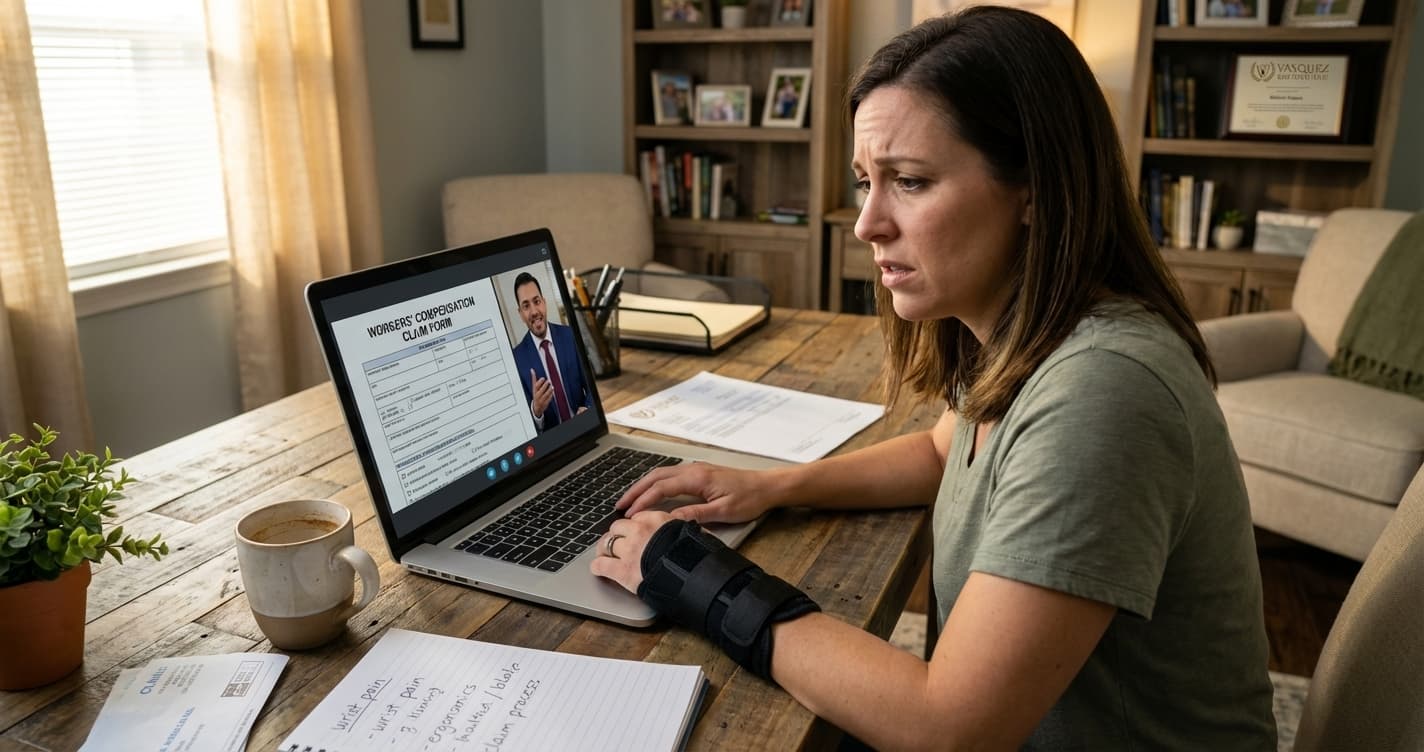
A serious workplace injury can turn your life upside down in an instant—medical bills pile up, paychecks stop or shrink, and you may feel pressure to “tough it out” or return before you’re ready. Many injured workers in Charlotte and across North Carolina ask the same question: Can I sue my employer for a workplace injury?

In most cases, North Carolina law directs workplace injury claims into the workers’ compensation system, which generally limits lawsuits against employers. But “most cases” is not “all cases.” There are important exceptions and related claims that may allow you to pursue compensation beyond workers’ comp.

This guide explains how the law works, when a lawsuit may be possible, and what practical steps you can take to protect yourself and your family.

The General Rule: Workers’ Compensation Is Usually the Exclusive Remedy

North Carolina’s Workers’ Compensation Act is designed to provide benefits to injured employees without requiring them to prove fault. In exchange for this no-fault system, employers who carry workers’ compensation insurance are usually protected from being sued by an employee for negligence.

This concept is often called the “exclusive remedy” rule. Practically speaking, if you were hurt on the job, your primary path to benefits is typically a workers’ comp claim—not a personal injury lawsuit against your employer.

What Workers’ Compensation Can Cover

Depending on your situation, workers’ compensation benefits may include:

  • Medical treatment related to the work injury (approved care)
  • Wage replacement (generally a portion of your average weekly wages)
  • Temporary total disability (TTD) or temporary partial disability (TPD) benefits
  • Permanent partial disability (PPD) benefits for lasting impairment
  • Vocational rehabilitation in some cases
  • Death benefits for eligible dependents in fatal workplace accidents

Workers’ compensation can be a lifeline—but it may not fully cover what you’ve lost. For example, it usually does not pay for pain and suffering, and disputes can arise over treatment, work restrictions, or whether your injury is work-related.

When You May Be Able to Sue Your Employer in North Carolina

Although the exclusive remedy rule is the default, there are limited situations where a lawsuit against an employer may be possible.

1) Intentional Misconduct and the “Woodson” Exception

North Carolina recognizes a narrow exception often referred to as a Woodson claim (from a key court decision). In general terms, this may apply when an employer intentionally engages in misconduct knowing it is substantially certain to cause serious injury or death.

These cases are difficult and fact-specific. They typically involve extreme safety violations—more than ordinary negligence. If you suspect your employer knowingly put you in a situation that was virtually guaranteed to cause serious harm, it’s important to speak with a lawyer quickly.

2) Your Employer Does Not Have Required Workers’ Compensation Coverage

In North Carolina, many employers with three or more employees are required to carry workers’ compensation insurance (with certain exceptions). If an employer that should have coverage does not, you may have additional legal options, including the possibility of a civil lawsuit.

If you’re unsure whether your employer is properly insured, an attorney can help investigate coverage and identify the best route to compensation.

3) Claims Not Based on the Injury Itself (Retaliation and Other Employment Claims)

Even when you can’t sue for the injury, you may have separate legal claims if your employer treated you unlawfully after you reported the injury or filed a claim.

For example, North Carolina law (including protections under the Retaliatory Employment Discrimination Act, often called REDA) may prohibit an employer from retaliating against an employee for exercising certain rights, such as filing a workers’ compensation claim.

Retaliation may look like:

  • Termination or demotion after reporting an injury
  • Reduced hours or pay as punishment
  • Harassment or threats to discourage medical treatment or a claim
  • Sudden “papering” of your file with disciplinary write-ups after the injury

These claims can be complex and time-sensitive, and they often require careful documentation.

The Most Common Lawsuit Path: Suing a Third Party (Not Your Employer)

Many injured workers can’t sue their employer—but they can sue someone else whose negligence caused or contributed to the injury. This is called a third-party claim, and it can sometimes provide significantly more compensation than workers’ comp alone.

Common Third-Party Workplace Injury Scenarios

You may have a third-party claim if your injury involved:

  • A negligent driver while you were driving for work (delivery, sales, service calls)
  • Defective machinery or tools (product liability claim against a manufacturer)
  • Unsafe jobsite conditions caused by another contractor (common in construction)
  • Negligent property maintenance by a third-party premises owner
  • Toxic exposure tied to a product or supplier

Why Third-Party Claims Matter

Workers’ compensation typically provides limited wage benefits and medical coverage. A successful third-party case may allow recovery for:

  • Full lost wages and loss of earning capacity
  • Pain and suffering
  • Emotional distress (where legally allowed)
  • Loss of enjoyment of life
  • Out-of-pocket costs not covered by workers’ comp

Importantly, you can often pursue workers’ comp benefits and a third-party claim at the same time, but the interaction between the two can affect settlement and reimbursement rights. Coordinating these claims correctly can make a major difference in what you ultimately take home.

Practical Steps to Take After a Workplace Injury

What you do in the first days and weeks after an injury can strongly impact your health and your legal rights. Here are actionable steps that help protect both.

1) Report the Injury Immediately (and in Writing)

Tell your supervisor as soon as possible. Even if the injury seems minor, report it. Delays can give the insurance company grounds to question whether the injury happened at work.

Whenever you can, follow up with a written report (email or incident form) and keep a copy.

2) Get Medical Care and Be Honest About Symptoms

If it’s an emergency, call 911 or go to the ER. For non-emergencies, follow your employer’s workers’ compensation procedures. In North Carolina, workers’ comp medical treatment is often directed through approved providers.

Be clear and accurate about:

  • How the injury happened
  • All symptoms (pain, numbness, headaches, dizziness, anxiety)
  • Any limitations at work and at home

If something feels “off,” say so. Gaps in medical documentation can be used to minimize your claim.

3) Document Everything

Start a simple file (paper or digital) with:

  • Incident report and any emails/texts about the injury
  • Names and contact info of witnesses
  • Photos of the scene, equipment, or injuries (when appropriate)
  • Medical records, work notes, and prescriptions
  • Mileage and out-of-pocket expenses
  • A daily pain/symptom journal

Good documentation helps when facts are disputed or when you need to show how the injury affects your daily life.

4) Follow Work Restrictions and Don’t “Push Through”

If a doctor gives restrictions (no lifting, limited standing, reduced hours), follow them. Returning too soon can worsen injuries and can also create arguments that you weren’t truly hurt.

If your employer offers “light duty,” make sure it actually matches your restrictions. If it doesn’t, you have the right to raise the issue.

5) Watch for Red Flags

Consider getting legal advice if you notice:

  • Your claim is denied or delayed without clear explanation
  • You’re pressured to use your personal health insurance instead of workers’ comp
  • You’re told not to report the injury or not to seek care
  • You’re asked to give a recorded statement without guidance
  • Your benefits stop suddenly
  • You’re retaliated against after reporting the injury

Insurance companies and employers often move quickly. Getting guidance early can prevent avoidable mistakes.

What If You Were Partly at Fault?

Workers’ compensation is generally no-fault, meaning you may still qualify even if you made a mistake—so long as you weren’t engaging in certain disqualifying conduct.

Third-party claims, however, can be different. North Carolina follows a strict contributory negligence rule in many personal injury cases, which can bar recovery if you are found even slightly at fault. That makes careful investigation and legal strategy especially important when a third-party lawsuit is on the table.

What Compensation Can You Pursue?

Your potential recovery depends on the type of claim:

  • Workers’ compensation: medical care + partial wage benefits + potential disability benefits
  • Third-party lawsuit: broader damages, including pain and suffering and full wage losses
  • Retaliation/employment claim: may include back pay, reinstatement, or other remedies depending on the facts and applicable law

A thorough case review can help identify all available sources of compensation, including multiple responsible parties and insurance policies.

How Long Do You Have to Take Action?

Deadlines can apply quickly in workplace injury matters. Workers’ compensation claims and employment retaliation claims have specific notice and filing requirements, and third-party personal injury claims are also subject to statutes of limitation.

Because the right deadline depends on the type of claim and the facts, it’s wise to speak with an attorney as soon as possible after the injury—especially if you’re facing a denial, surgery, permanent restrictions, or a dispute about returning to work.

How a Workplace Injury Lawyer Can Help

At Vasquez Law Firm in Charlotte, we understand how overwhelming this process can be—especially when you’re in pain and worried about your income. A workplace injury attorney can help by:

  • Evaluating whether you have only a workers’ comp claim or also a third-party case
  • Investigating the accident (witnesses, safety records, equipment, jobsite conditions)
  • Handling communications with insurers and opposing parties
  • Fighting denials and pushing back against improper delays
  • Coordinating workers’ comp and third-party claims to protect your recovery
  • Identifying potential retaliation issues and advising on next steps

You don’t have to figure this out alone, and you shouldn’t have to choose between your health and your job.

Call Vasquez Law Firm Today for Guidance on Your Next Steps

If you’ve been injured at work in Charlotte or anywhere in North Carolina, we can help you understand whether you can sue your employer, whether a third-party claim may apply, and how to pursue the benefits and compensation you deserve.

Contact Vasquez Law Firm today to schedule a confidential consultation. The sooner you reach out, the sooner we can help protect your rights, preserve evidence, and take the pressure off you while you focus on healing.

Free Legal Consultation

Discuss your case with our experienced attorneys. We're available 24/7.

VLF

Vasquez Law Firm

Legal Team

Our experienced attorneys at Vasquez Law Firm have been serving clients in North Carolina and Florida for over 20 years. We specialize in immigration, personal injury, criminal defense, workers compensation, and family law.

Need Legal Assistance?

Our experienced attorneys are here to help you with your legal needs

Can You Sue Your Employer for a Workplace Injury in N... | Vasquez Law