How to File a Wrongful Death Lawsuit in 2026
Understanding a wrongful death lawsuit can be complex. Learn who can file, the claims involved, and how to seek justice in 2026. Contact Vasquez Law Firm for a free consultation.
Published on February 13, 2026
Injured? Get what your case is worth
Free review.
Free & confidential · Se habla espanol · 24/7
Have questions? Talk to an attorney - free evaluation.
Call 1-844-967-3536Get What Your Injury Is Worth
Schedule your consultation.
How to File a Wrongful Death Lawsuit in 2026
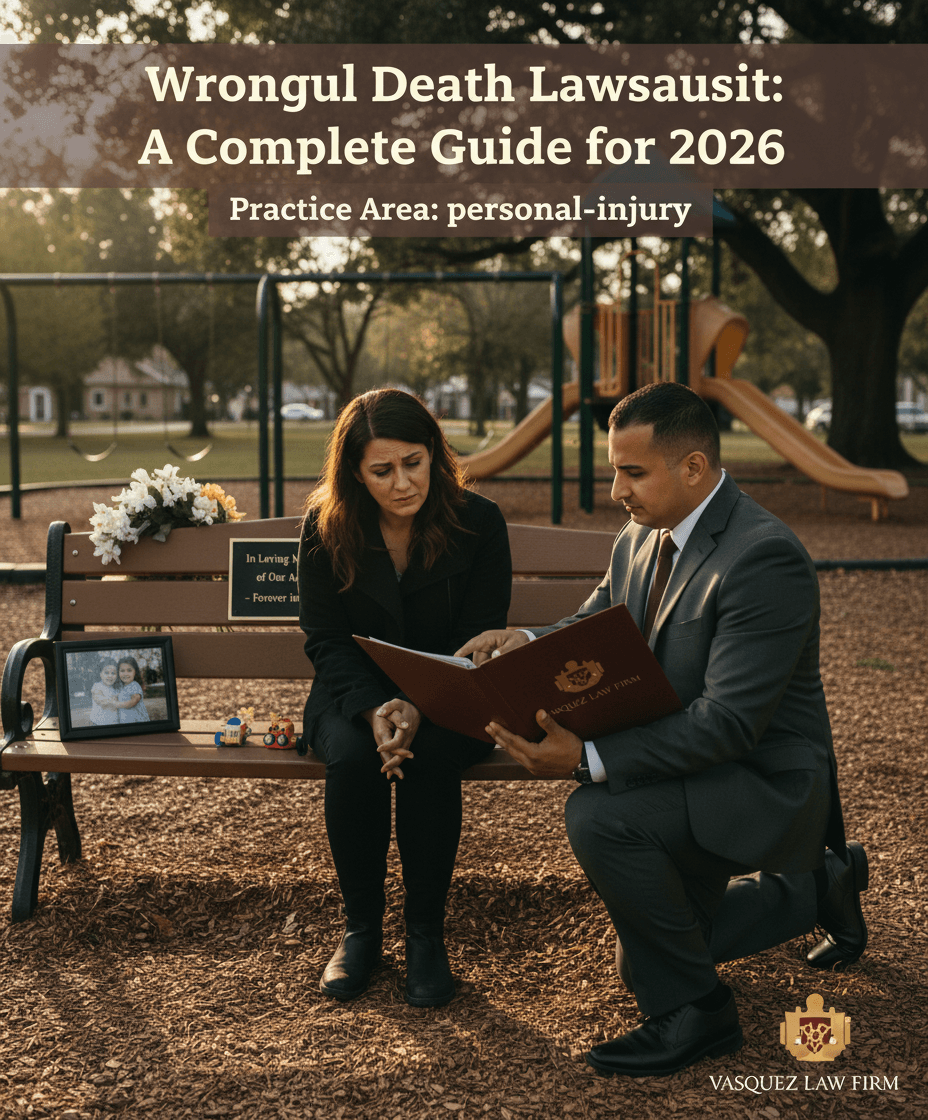
Losing a loved one is an unimaginable tragedy, and the pain is often compounded when their death results from someone else's negligence or wrongful act. In such heartbreaking situations, a wrongful death lawsuit allows surviving family members to seek justice and financial compensation for their profound loss. This guide, updated for 2026, provides a comprehensive overview of wrongful death claims, explaining who can file, what damages can be recovered, and the critical steps involved in pursuing such a case in North Carolina. Understanding your legal options can provide a path forward during a time of immense grief.
Need help with your case? Our experienced attorneys are ready to fight for you. Se Habla Español.
Schedule Your Free Case Evaluation
Or call us now: 1-844-967-3536
Quick Answer
A wrongful death lawsuit is a civil action brought by surviving family members or the estate of a person whose death was caused by the negligence or intentional act of another party. It aims to recover damages for both the deceased's losses and the survivors' suffering. Key aspects include:
- Establishing negligence or wrongful conduct.
- Identifying eligible beneficiaries (often spouses, children, parents).
- Calculating economic and non-economic damages.
- Navigating state-specific statutes of limitations.
- Seeking justice and financial relief for profound loss.
Understanding Wrongful Death Claims in 2026
A wrongful death lawsuit is distinct from criminal charges, focusing on civil liability rather than punishment. It allows families to seek monetary compensation when a loved one dies due to another's fault. This could stem from various incidents, including car accidents, medical malpractice, workplace incidents, or intentional acts.
The core principle behind a wrongful death claim is that the deceased person would have had a personal injury claim if they had survived. Since they cannot pursue it, specific beneficiaries or the estate can step into their shoes to recover damages. These claims are governed by state statutes, which define who can file and what types of damages are recoverable.
In North Carolina, these laws are designed to provide a legal avenue for families to cope with the financial and emotional aftermath of such a tragic event. The legal process can be complex, requiring a thorough investigation, expert testimony, and skilled negotiation or litigation. Understanding these foundational elements is crucial for anyone considering a wrongful death lawsuit.
Who Can File a Wrongful Death Lawsuit? Eligibility and Beneficiaries
The ability to file a wrongful death lawsuit is strictly defined by state law. Generally, it is the personal representative or executor of the deceased's estate who initiates the action. This representative acts on behalf of the eligible beneficiaries.
In North Carolina, the personal representative of the deceased's estate files the lawsuit. The damages recovered are then distributed to the beneficiaries as outlined by the North Carolina Wrongful Death Act (N.C. Gen. Stat. § 28A-18-2). Eligible beneficiaries typically include the surviving spouse, children, and parents. If there are no immediate family members, other next of kin may be eligible.
Types of Damages in Wrongful Death Cases: Seeking Compensation
When pursuing a wrongful death lawsuit, the goal is to recover various types of damages that compensate for the extensive losses incurred. These damages can be broadly categorized into economic and non-economic losses.
Economic Damages
Economic damages aim to cover quantifiable financial losses resulting from the death. These often include medical expenses incurred before death, funeral and burial costs, and the loss of the deceased's expected income and financial support. It also encompasses the loss of services, protection, care, and assistance the deceased would have provided to their family. Expert economists may be called upon to project future lost earnings and benefits.
Non-Economic Damages
Non-economic damages address the intangible losses that are often the most devastating. This includes the survivors' mental anguish, pain, and suffering. It also covers the loss of companionship, comfort, instruction, guidance, and consortium (for a spouse) that the deceased would have provided. While harder to quantify, these damages are a crucial component of a wrongful death claim, acknowledging the profound emotional toll on the family.
The Wrongful Death Lawsuit Process: What to Expect
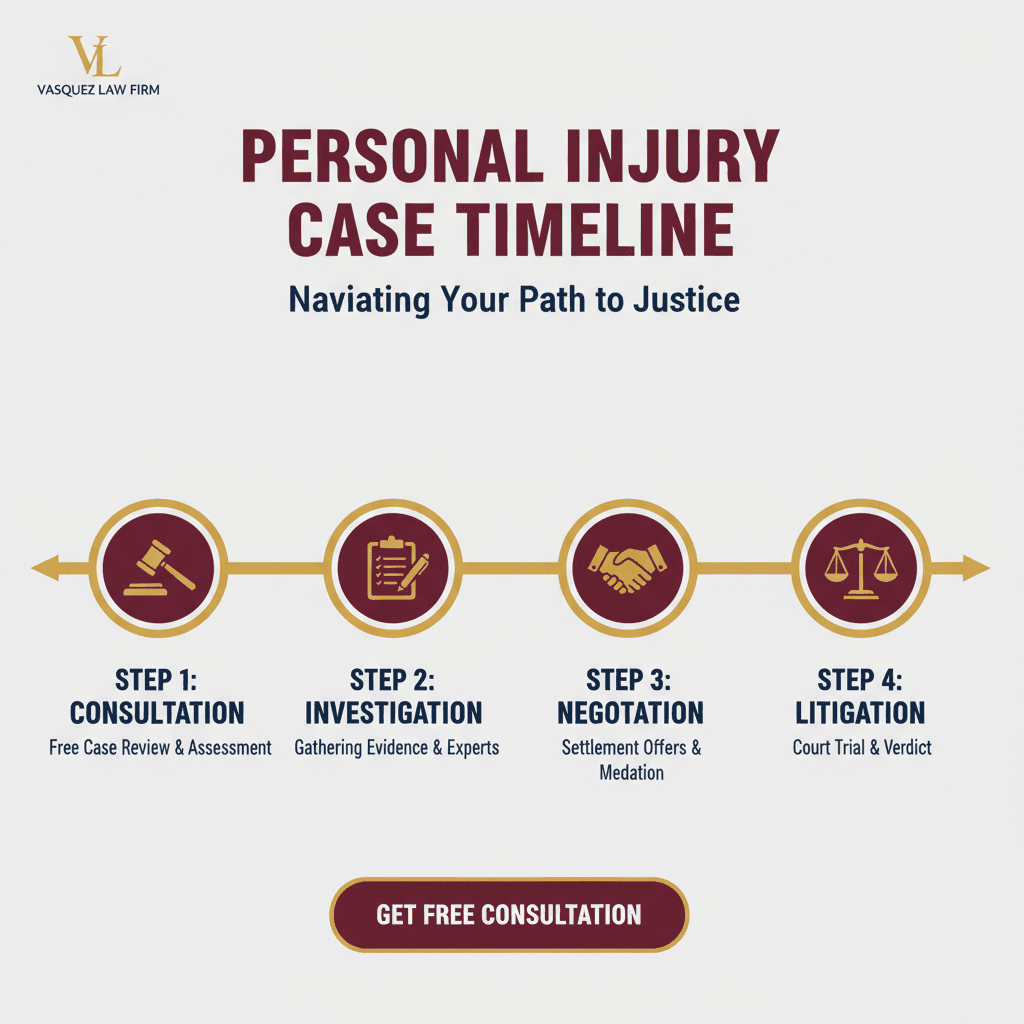
Navigating a wrongful death lawsuit involves several key stages, each requiring careful attention to detail and legal expertise. The process can be lengthy, but understanding the steps can help families prepare.
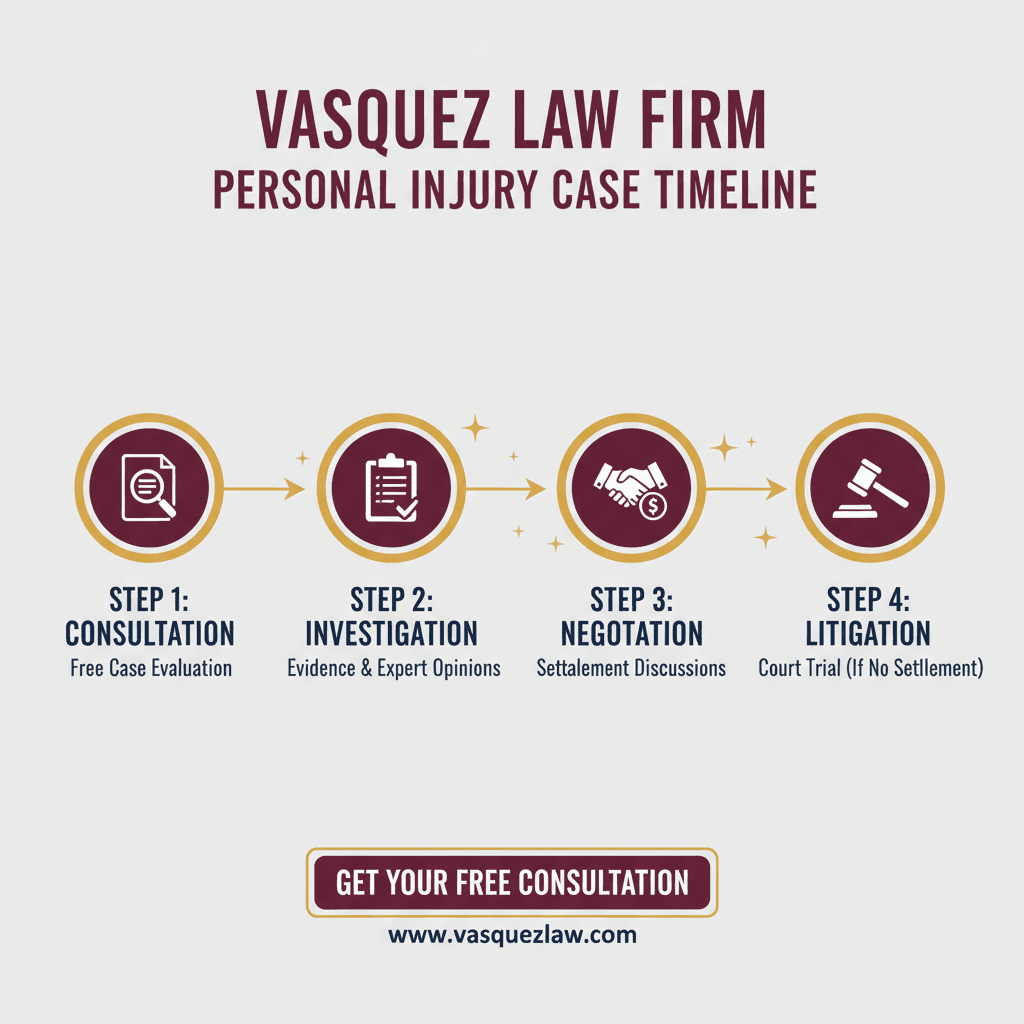
Investigation and Evidence Gathering
The first step involves a thorough investigation of the incident that led to the death. This includes collecting evidence such as police reports, medical records, witness statements, accident reconstruction reports, and expert opinions. Identifying the at-fault parties and establishing their negligence is paramount. This phase is critical for building a strong foundation for the case.
Filing the Lawsuit and Discovery
Once sufficient evidence is gathered, the personal representative files a complaint with the appropriate court. This formal document outlines the facts of the case, the legal basis for the claim, and the damages sought. The discovery phase then begins, where both sides exchange information through interrogatories, depositions, and requests for documents. This can be an extensive process, often lasting many months.
Negotiation and Settlement
Many wrongful death cases are resolved through negotiation and settlement outside of court. Attorneys for both sides will engage in discussions, often involving mediation, to reach a mutually agreeable resolution. A settlement can provide quicker compensation and avoid the uncertainties of a trial. However, if a fair settlement cannot be reached, the case may proceed to trial.
Trial and Verdict
If the case goes to trial, both sides present their arguments, evidence, and witness testimonies to a judge or jury. The jury will then deliberate and render a verdict, determining liability and the amount of damages. A trial can be emotionally taxing and time-consuming, but sometimes it is necessary to achieve justice. Vasquez Law Firm is prepared to take your case to court if necessary, fighting aggressively for your rights.
Statute of Limitations and Key Deadlines for a Wrongful Death Lawsuit
One of the most critical aspects of a wrongful death lawsuit is adhering to the statute of limitations. This is a strict legal deadline within which a lawsuit must be filed. Missing this deadline almost always results in the permanent loss of the right to pursue a claim, regardless of its merits.
North Carolina Statute of Limitations
In North Carolina, the general statute of limitations for a wrongful death lawsuit is two years from the date of death, as per N.C. Gen. Stat. § 1-53(4). There are very limited exceptions to this rule, which can sometimes extend the deadline, such as in cases involving minors or certain types of medical malpractice. It is crucial to consult with an attorney immediately to ensure compliance with this strict timeframe.
Common Mistakes in Wrongful Death Lawsuits and How to Avoid Them
Families grieving a loss are vulnerable, and it's easy to make missteps that can harm a wrongful death lawsuit. Avoiding these common errors is essential for a successful outcome.
- Delaying Legal Action: Waiting too long can mean missing the statute of limitations, permanently barring your claim.
- Not Consulting an Attorney Early: An attorney can guide you from the very beginning, preserving evidence and protecting your rights.
- Speaking with Insurance Companies Without Counsel: Insurers may try to minimize payouts or obtain statements that could hurt your case.
- Failing to Collect and Preserve Evidence: Crucial evidence can be lost or destroyed over time if not secured quickly.
- Underestimating Damages: Calculating future losses and non-economic damages is complex and requires expert analysis.
- Accepting a Low Settlement Offer: Initial offers are often far less than what your case is truly worth.
- Not Identifying All Responsible Parties: Multiple parties may be liable, and a thorough investigation is needed to find them all.
- Improperly Distributing Settlement Funds: Without legal guidance, funds may not be distributed correctly according to state law.
If you only remember one thing: Act quickly and consult with an experienced wrongful death attorney to protect your rights and ensure all legal deadlines are met. Vasquez Law Firm is ready to help.
When to Call a Lawyer Now: Urgent Triggers
The aftermath of a wrongful death is a time of immense grief, but certain situations demand immediate legal attention to protect your rights and potential claim. Do not hesitate to contact an attorney if:
- Your loved one's death was caused by an accident, medical error, or intentional act.
- You suspect negligence or wrongdoing played a role in their passing.
- An insurance company contacts you to discuss the incident or offer a settlement.
- You are unsure about the statute of limitations for your specific case.
- You need help identifying who is eligible to file a wrongful death lawsuit.
- You are struggling to gather necessary evidence or documentation.
- You want to understand the full scope of damages you can claim.
- You need compassionate guidance through the complex legal process.
About Vasquez Law Firm
At Vasquez Law Firm, we combine compassion with aggressive representation. Our motto "Yo Peleo" (I Fight) reflects our commitment to standing up for your rights during the most challenging times. We understand the profound impact a wrongful death can have on a family, and we are dedicated to pursuing justice on your behalf.
- Bilingual Support: Se Habla Español - our team is fully bilingual and ready to assist clients in English and Spanish.
- Service Areas: Personal injury in North Carolina; immigration nationwide, including Florida
- Experience: With over 15 years of dedicated legal experience, Attorney Vasquez has a proven track record of successfully handling complex legal matters.
- Results: Our firm has achieved thousands of successful outcomes for clients across various practice areas, fighting tirelessly to secure the compensation they deserve.
Attorney Trust and Experience
Attorney Vasquez holds a Juris Doctor degree and is admitted to practice in the North Carolina State Bar. With over 15 years of dedicated legal experience, he has built a reputation for providing personalized attention and achieving favorable outcomes for his clients. He leads a team committed to excellence and client advocacy, ensuring that every case receives the attention and expertise it deserves. Learn more about our legal team.
Don't face your legal challenges alone. Our team is here to help you every step of the way.
Call today: 1-844-967-3536 | Se Habla Español
Frequently Asked Questions
How hard is it to win a wrongful death lawsuit?
Winning a wrongful death lawsuit can be challenging, as it requires proving negligence, causation, and damages. Success often depends on the strength of evidence, expert testimony, and skilled legal representation. While complex, many cases are successfully resolved through settlement or trial with an experienced attorney. Your legal team will meticulously build your case.
Do most wrongful death cases settle?
Yes, a significant majority of wrongful death cases do settle out of court, often through negotiation or mediation. Settlements can be preferable as they offer a more predictable outcome and faster resolution, avoiding the time and expense of a trial. However, Vasquez Law Firm is fully prepared to go to court if a fair settlement cannot be reached.
What qualifies as wrongful death?
Wrongful death occurs when a person dies due to the negligence, recklessness, or intentional act of another individual or entity. This includes deaths from car accidents, medical malpractice, workplace incidents, criminal acts, or defective products. The key is that the death would not have occurred but for the at-fault party's actions.
How much compensation for death by negligence?
Compensation for death by negligence varies widely based on factors like the deceased's income, age, number of dependents, and the severity of the survivors' emotional distress. Damages can include medical expenses, funeral costs, lost future earnings, and compensation for pain and suffering and loss of companionship. An attorney can help estimate potential compensation.
What is the statute of limitations for a wrongful death lawsuit in North Carolina?
In North Carolina, the statute of limitations for filing a wrongful death lawsuit is generally two years from the date of the person's death. It is crucial to adhere to this strict deadline, as failing to file within this timeframe can result in the permanent forfeiture of your right to pursue a claim. Consult an attorney promptly.
Can I file a wrongful death lawsuit if the death was caused by a criminal act?
Yes, you can file a civil wrongful death lawsuit even if the death was caused by a criminal act. A civil case is separate from any criminal proceedings. The standards of proof are different, and a civil lawsuit focuses on compensating the victims for their losses, regardless of the criminal outcome. Our firm can help navigate both aspects.
What if the deceased contributed to their own death?
If the deceased person contributed to their own death, it could impact the wrongful death lawsuit. North Carolina follows a strict contributory negligence rule, meaning if the deceased was even 1% at fault, compensation might be barred. An attorney can assess this complex issue.
How long does a wrongful death lawsuit typically take?
The timeline for a wrongful death lawsuit varies significantly depending on the complexity of the case, the willingness of parties to settle, and court schedules. Simple cases might resolve in months, while complex ones involving extensive discovery and trial can take several years. Patience and persistent legal advocacy are often required for a favorable outcome.
What role does a personal representative play in a wrongful death claim?
The personal representative, often appointed by the court, is legally responsible for initiating and managing the wrongful death lawsuit on behalf of the deceased's estate and beneficiaries. They make crucial decisions, work closely with the attorney, and ensure any recovered damages are distributed according to state law and court orders. This role is vital for the case's progression.
Are punitive damages available in a wrongful death lawsuit?
Punitive damages may be available in wrongful death lawsuits in certain circumstances, particularly when the at-fault party's conduct was grossly negligent, reckless, or intentional. These damages are not meant to compensate for losses but to punish the wrongdoer and deter similar conduct in the future. Their availability and amount depend heavily on state law and specific case facts.
Sources and References
- North Carolina General Statutes Chapter 28A: Administration of Estates
- North Carolina General Statutes Chapter 1: Civil Procedure, Article 5: Limitations of Actions
- North Carolina Courts
Ready to take the next step? Contact Vasquez Law Firm today for a free, confidential consultation. We're committed to fighting for your rights and achieving the best possible outcome for your case.
Start Your Free Case Evaluation Now
Call us: 1-844-967-3536
Se Habla Español - Estamos aquí para ayudarle.


William Vasquez
Founder & CEO, Vasquez Law Firm, PLLC
William Vasquez is the founder and CEO of Vasquez Law Firm, PLLC, a results-driven firm specializing in immigration, criminal defense, personal injury, and workers' compensation. A U.S. Air Force veteran and recipient of the Joint Service Achievement Medal, William is dedicated to fiercely fighting for his clients' rights.
Related Legal Services
Need legal help? Learn more about speak with a personal injury lawyer, or contact us for a free evaluation.
You can also visit North Carolina personal injury lawyers for more information.