7 Ways to Fight Back and Block Your Deportation in 2026
Facing deportation? Learn how a deportation block can protect your future in 2026. Discover crucial strategies and contact Vasquez Law for a free consultation today.
Published on February 18, 2026
Talk to an immigration attorney
Free call. A clear plan for your case.
Free & confidential · Se habla espanol · 24/7
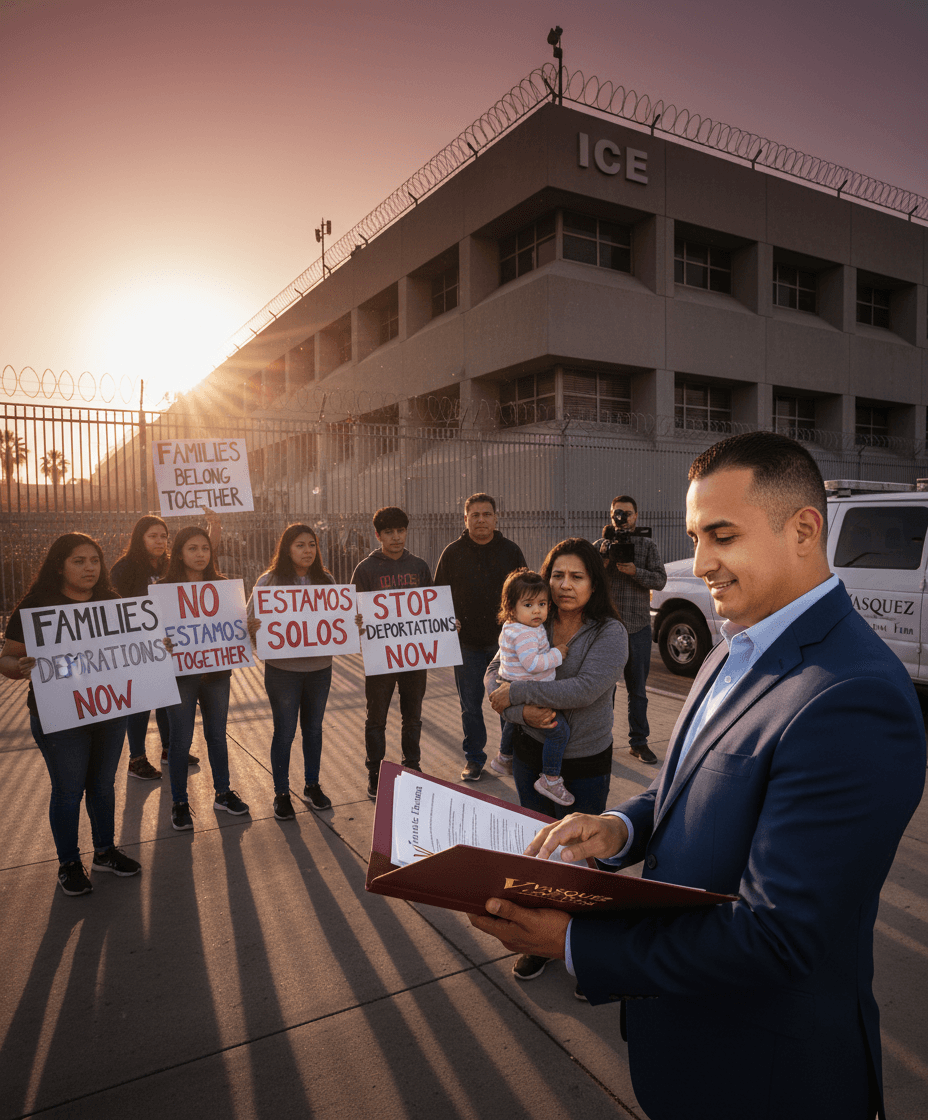
Have questions? Talk to an attorney - free evaluation.
Call 1-844-967-3536Check your case status now
Look up your immigration case below, then talk to an attorney about what it means — free.
Questions about your result?
Talk to an attorney about your case — free, no obligation.
7 Ways to Fight Back and Block Your Deportation in 2026
Facing the threat of deportation can be one of the most frightening experiences for non-citizens and their families in the United States. A deportation block, also known as a stay of removal or cancellation of removal, can be a lifeline, offering a chance to remain in the country and fight for your legal status. Understanding the various pathways to achieve a deportation block is crucial for anyone navigating the complex U.S. immigration system. As of 2026, immigration laws and enforcement policies continue to evolve, making expert legal guidance more vital than ever.
Need help with your case? Our experienced attorneys are ready to fight for you. Se Habla Español.
Schedule Your Free Case Evaluation
Or call us now: 1-844-967-3536
Quick Answer
A deportation block refers to a legal action or defense that temporarily or permanently stops an individual's removal from the U.S. This can involve various strategies, such as seeking a stay of removal, cancellation of removal, asylum, or challenging the deportation proceedings themselves. Success often depends on specific eligibility criteria and presenting a strong legal case.
- Stays of Removal: Temporary halts to deportation.
- Cancellation of Removal: A permanent solution for eligible non-LPRs.
- Asylum & Withholding of Removal: Protection for those fearing persecution.
- Adjustment of Status: Obtaining a green card while in the U.S.
- Challenging Proceedings: Identifying legal errors or due process violations.
- Family Petitions: Establishing a qualifying relationship with a U.S. citizen or LPR.
- Humanitarian Relief: Special protections for victims of crime or trafficking.
Understanding the Deportation Block in 2026
A deportation block is a broad term encompassing several legal mechanisms designed to prevent or delay an individual's removal from the United States. It is not a single, universal solution but rather a collection of defenses and remedies available under U.S. immigration law. The primary goal of any deportation block is to allow an individual to either remain in the U.S. permanently, gain more time to resolve their immigration status, or challenge the grounds for their removal. This can be critical for individuals and families in Charlotte, North Carolina, Florida, and across the nation.
In 2026, the landscape of immigration enforcement remains dynamic. Recent court rulings and policy changes can significantly impact who is prioritized for deportation and what defenses are most effective. For instance, a judge might block a deportation based on evolving interpretations of asylum law or due process rights. Understanding these nuances requires specialized knowledge, which is why consulting with an experienced immigration attorney is paramount. Without proper representation, individuals often miss crucial deadlines or fail to present compelling evidence in their favor.
Common scenarios where a deportation block might be sought include individuals facing removal proceedings due to visa overstays, certain criminal convictions, or unlawful entry. Each case presents unique challenges and requires a tailored legal strategy. The ability to secure a deportation block often hinges on proving eligibility for specific forms of relief, such as demonstrating extreme hardship to a qualifying relative or establishing a credible fear of persecution if returned to their home country. Vasquez Law Firm is dedicated to exploring every possible avenue to protect your right to stay.
Key Pathways to Achieve a Deportation Block
Navigating the complex immigration system to secure a deportation block involves understanding the various legal avenues available. These pathways are often complex and have strict eligibility requirements, making legal counsel essential. Our firm can help you explore options like a stay of removal, cancellation of removal, or asylum. Each strategy has its own set of challenges and opportunities, and choosing the right one for your specific situation is critical.
1. Stay of Removal
A stay of removal is a temporary order issued by an immigration judge, the Board of Immigration Appeals (BIA), or even ICE, that temporarily halts an individual's deportation. This is often sought when an appeal is pending, or when new evidence becomes available. It provides crucial time to prepare a stronger case or pursue other forms of relief. For example, if you have a pending application for a green card or asylum, a stay of removal can prevent you from being deported while your application is being processed. It's a critical tool for buying time in urgent situations. An attorney can help prepare the necessary motions and arguments to maximize the chances of approval.
2. Cancellation of Removal
Cancellation of removal is a powerful form of relief that can lead to lawful permanent residency (a green card) for certain non-legal permanent residents (non-LPRs). To be eligible, an individual must have been physically present in the U.S. for at least 10 years, demonstrate good moral character, and prove that their removal would result in “exceptional and extremely unusual hardship” to a qualifying U.S. citizen or LPR spouse, parent, or child. This is a highly discretionary form of relief, meaning the immigration judge has significant power in deciding. The standard for hardship is very high, requiring compelling evidence of severe impact on your family. 8 U.S.C. § 1229b outlines the specific requirements.
3. Asylum and Withholding of Removal
For individuals who fear persecution in their home country based on race, religion, nationality, political opinion, or membership in a particular social group, asylum or withholding of removal can serve as a strong deportation block. Asylum provides a path to permanent residency, while withholding of removal offers protection from deportation but does not lead to a green card. Both require proving a well-founded fear of persecution. The asylum process is often lengthy and requires extensive documentation and testimony. It is vital to file an asylum application within one year of arriving in the U.S., though exceptions exist. Learn more about asylum appeals and deadlines.
4. Adjustment of Status
If an individual is eligible for a green card through a family petition or employment, they might be able to adjust their status while in the U.S., thereby avoiding deportation. This is typically available to those who entered legally or are protected under certain provisions like 245(i) of the Immigration and Nationality Act. Adjustment of status essentially allows you to change your immigration status from nonimmigrant to immigrant without leaving the United States. This is a common and effective deportation block strategy when an underlying visa petition is approved and a visa number is available.
5. Challenging Deportation Proceedings
Sometimes, the best defense is to challenge the legal basis of the deportation proceedings itself. This can involve arguing that the Notice to Appear (NTA) was improperly issued, that due process rights were violated, or that the government has insufficient evidence to support the charges. An immigration judge may block a deportation if significant legal errors are found. For instance, if an individual was not properly advised of their rights, or if evidence was obtained unlawfully, the entire case could be dismissed. This requires a thorough review of all legal documents and proceedings by an experienced attorney.
6. Humanitarian Relief (U/T Visas, VAWA)
Certain humanitarian protections can also act as a deportation block. U Visas are available for victims of certain crimes who cooperate with law enforcement, while T Visas are for victims of human trafficking. The Violence Against Women Act (VAWA) allows victims of abuse by a U.S. citizen or LPR spouse, parent, or child to self-petition for a green card without the abuser's involvement. These forms of relief are designed to protect vulnerable individuals and provide a path to legal status, offering a critical defense against removal. These are complex applications that require sensitive handling and extensive documentation.
7. Prosecutorial Discretion
In certain cases, immigration authorities (ICE) may exercise prosecutorial discretion to close or delay removal proceedings, even if an individual is technically deportable. This is often granted based on factors like long-term U.S. residency, strong family ties, military service, humanitarian concerns, or low enforcement priority. While not a permanent solution, it can provide significant relief and time to pursue other options. This is a powerful tool that immigration attorneys often utilize, arguing for the compassionate exercise of discretion based on their client's unique circumstances. The ability to effectively advocate for prosecutorial discretion can be a crucial deportation block.
Common Mistakes to Avoid When Seeking a Deportation Block
When fighting a deportation order, even small errors can have significant consequences. Avoiding these common pitfalls is crucial for the success of your case. Being proactive and informed can make a substantial difference in the outcome of your immigration proceedings. Many of these mistakes stem from a lack of understanding of the legal process or attempting to navigate it without professional guidance.
- Missing Deadlines: Immigration cases are time-sensitive. Failing to file applications, appeals, or evidence by strict deadlines can lead to automatic denials or deportation orders.
- Providing Inconsistent Information: Any discrepancies in your statements or documents can damage your credibility and weaken your case. Always be truthful and consistent.
- Failing to Disclose Criminal History: Even minor offenses must be disclosed. Hiding information can lead to severe penalties, including permanent bars from immigration benefits.
- Not Gathering Sufficient Evidence: A strong case requires compelling evidence, whether it's proof of hardship, persecution, or good moral character. Lack of evidence is a common reason for denial.
- Attempting to Represent Yourself: U.S. immigration law is incredibly complex. Without legal training, you are at a significant disadvantage against trained government attorneys.
- Leaving the U.S. Without Permission: Departing the country while in removal proceedings can have serious repercussions, including automatic deportation or triggering re-entry bars.
- Ignoring Notices from Immigration Authorities: Always respond promptly to any communication from USCIS, ICE, or the immigration court. Ignoring these can lead to orders of removal in absentia.
- Failing to Update Contact Information: Moving without notifying immigration authorities can result in you missing critical hearing notices or decisions, leading to adverse outcomes.
If you only remember one thing: Never try to fight a deportation order alone. The stakes are too high, and the legal landscape is too complex. Seek qualified legal counsel immediately.
Immigration Law Across North Carolina, Florida, and Nationwide
Immigration law in the United States is primarily federal, meaning the laws and regulations governing a deportation block apply uniformly across all states, including North Carolina and Florida. However, the application and enforcement of these federal laws can have practical differences based on local court policies, ICE field office priorities, and the specific legal circuits involved.
Nationwide Concepts and Federal Law
The Immigration and Nationality Act (INA) is the bedrock of U.S. immigration law, codified in Title 8 of the U.S. Code. This federal framework defines who can be removed, the grounds for removal, and the forms of relief available, such as a deportation block. Agencies like U.S. Citizenship and Immigration Services (USCIS), U.S. Immigration and Customs Enforcement (ICE), and the Executive Office for Immigration Review (EOIR) operate under these federal statutes and regulations (8 C.F.R.). Therefore, the fundamental eligibility requirements for a stay of removal, cancellation of removal, or asylum remain consistent whether you are in California, New York, or any other state. The federal court system, including the U.S. Courts of Appeals, also plays a crucial role in interpreting and applying these laws nationwide.
North Carolina Specific Notes
In North Carolina, individuals facing deportation proceedings typically appear before immigration judges at the Charlotte Immigration Court. While federal law dictates the grounds for a deportation block, the local court's procedures, docket schedules, and the specific government attorneys assigned to cases can influence the process. The presence of 287(g) agreements in some North Carolina counties means local law enforcement may have increased authority to identify and detain non-citizens for immigration violations, potentially leading to more individuals being placed in removal proceedings. This highlights the importance of immediate legal intervention in North Carolina. Our firm in Charlotte is well-versed in the local practices and can provide tailored guidance.
Florida Specific Notes
Florida, with its large immigrant population, also sees a significant number of deportation cases. Immigration courts in Miami, Orlando, and other cities handle these proceedings. Similar to North Carolina, while federal law is supreme, the sheer volume of cases, the specific judges, and the operational priorities of local ICE field offices can affect case processing times and outcomes. Florida's proximity to the Caribbean and Central America often means a higher incidence of certain types of cases, such as asylum claims or those involving maritime interdictions. Having an attorney familiar with the Florida immigration courts and local enforcement landscape is a distinct advantage.
Don't face your legal challenges alone. Our team is here to help you every step of the way.
Call today: 1-844-967-3536 | Se Habla Español
When to Call an Immigration Lawyer for a Deportation Block
The moment you suspect you might be at risk of deportation, or if you have already received any notice from immigration authorities, it's time to contact an attorney. Delay can severely limit your options and jeopardize your ability to secure a deportation block. Early intervention by a knowledgeable lawyer can make all the difference in the outcome of your case. Attorney Vasquez has over 15 years of experience in these matters.
- You receive a Notice to Appear (NTA): This is the official document initiating removal proceedings against you. It's a clear signal that you need legal representation immediately.
- You are detained by ICE: If you or a family member is taken into custody by Immigration and Customs Enforcement, an attorney can work to secure release or prepare for bond hearings.
- You have a final order of removal: Even with a final order, there may still be options for a stay of removal or an appeal, but time is extremely limited.
- You have a criminal conviction: Certain criminal offenses can make you deportable, even if you are a green card holder. An attorney can assess the immigration consequences of your conviction.
- You fear persecution in your home country: If you believe returning to your country would put you at risk, an attorney can help you apply for asylum or withholding of removal.
- Your visa or legal status has expired: Overstaying a visa can lead to removal proceedings. An attorney can explore options for adjustment of status or other relief.
- You are a victim of domestic violence or crime: You may be eligible for humanitarian visas (VAWA, U, T visas) that protect you from deportation.
- Your circumstances have changed significantly: New family ties, health issues, or political changes in your home country could open new avenues for relief.
About Vasquez Law Firm
At Vasquez Law Firm, we combine compassion with aggressive representation. Our motto "Yo Peleo" (I Fight) reflects our commitment to standing up for your rights and protecting your future. We understand the profound impact that immigration challenges, especially the threat of a deportation block, can have on individuals and families. Our dedicated team is here to provide unwavering support and strategic legal counsel.
- Bilingual Support: Se Habla Español - our team is fully bilingual, ensuring clear communication and understanding throughout your legal journey.
- Service Areas: We proudly serve clients in North Carolina and Florida, and provide nationwide immigration services.
- Experience: With over 15 years of dedicated experience, Attorney Vasquez has a proven track record of helping clients navigate complex legal matters.
- Results: We are committed to achieving favorable outcomes, having successfully handled thousands of cases across multiple practice areas, with a strong focus on immigration defense.
Attorney Trust and Experience
Attorney Vasquez holds a Juris Doctor (JD) degree and is admitted to practice in the North Carolina State Bar. With over 15 years of dedicated legal experience, he has built a reputation for providing personalized attention, strategic defense, and achieving favorable outcomes for his clients. His deep understanding of immigration law, coupled with a compassionate approach, makes him a formidable advocate in the fight for a deportation block. He understands the local Charlotte courts and federal immigration system intricacies.
Frequently Asked Questions
Can a U.S. citizen get deported now in 2026?
No, a U.S. citizen cannot be deported. The U.S. Constitution guarantees that citizens have a right to remain in the country. If someone claims to be a U.S. citizen but is placed in removal proceedings, it usually means their citizenship is being challenged, or there's a mistaken identity. It's crucial to prove citizenship with documents like a birth certificate or passport immediately. An attorney can help verify and assert citizenship rights effectively.
Is ICE deporting people with green cards in 2026?
Yes, lawful permanent residents (green card holders) can be deported if they commit certain crimes or violate immigration laws. Common grounds for deportation include aggravated felonies, drug offenses, or specific national security threats. While green card holders have more protections than undocumented individuals, they are not immune to deportation. It's critical for LPRs to understand the immigration consequences of criminal convictions and seek legal advice if charged with any offense.
How many people got deported from the USA in 2025?
Official statistics for total deportations in 2025 are typically released by the Department of Homeland Security (DHS) and Immigration and Customs Enforcement (ICE) in late 2026 or early 2027. Historically, deportation numbers vary annually based on enforcement priorities, border policies, and political shifts. For the most accurate and up-to-date data, it is best to refer to the official reports published by ICE or DHS on their respective websites, usually available through their annual reports section.
Which judge tried to block a significant deportation recently?
Throughout 2025 and into 2026, various federal judges have issued injunctions or temporary restraining orders to block specific deportations or immigration policies. For instance, in late 2025, a U.S. judge blocked the deportation of Palestinian activist Mohsen Mahdawi, as reported by The Guardian, citing due process concerns. Such actions highlight the judiciary's role in overseeing immigration enforcement and ensuring legal protections are upheld. These cases often involve complex legal arguments regarding constitutional rights and administrative procedures.
What is a stay of removal and how does it help block deportation?
A stay of removal is a temporary order that prevents an individual from being deported for a specific period. It is often granted while an appeal is pending, an application for a new immigration benefit is being processed, or in cases of humanitarian concern. A stay provides crucial time to resolve legal issues, gather additional evidence, or pursue other forms of relief. It does not permanently resolve the case but offers a vital pause in the deportation process, allowing for continued legal action.
Can I get a deportation block if I have a U.S. citizen child?
Having a U.S. citizen child can be a significant factor in seeking a deportation block, particularly through cancellation of removal for non-LPRs. You would need to demonstrate that your removal would cause “exceptional and extremely unusual hardship” to your citizen child. This is a high legal standard, requiring detailed evidence of the profound negative impact on your child's well-being. An attorney can help gather the necessary documentation and present a compelling case to the immigration judge.
What is prosecutorial discretion in immigration cases?
Prosecutorial discretion is the authority of immigration agencies (like ICE) to decide whether or not to pursue enforcement actions against an individual. This can include deciding to close a deportation case, grant a stay of removal, or agree to deferred action. Factors considered often include an individual's ties to the U.S., humanitarian concerns, military service, and criminal history. It is not a legal right but a discretionary power, and an experienced attorney can advocate for its application in your case.
What documents are essential for fighting deportation?
Essential documents for fighting deportation vary by case but commonly include proof of identity and nationality (passport, birth certificate), proof of entry into the U.S., marriage certificates, birth certificates of U.S. citizen or LPR relatives, tax records, employment history, medical records, and any evidence supporting claims of hardship or fear of persecution. A criminal record check is also crucial. A comprehensive collection of documents is vital for building a strong defense, and your attorney will guide you on what is specifically needed.
How long does it take to get a deportation block decision?
The time it takes to get a deportation block decision varies widely depending on the type of relief sought, the complexity of the case, and the caseload of the specific immigration court or agency. A temporary stay of removal might be granted quickly, sometimes within days, while a decision on cancellation of removal or asylum can take months or even years, especially if appeals are involved. The process is lengthy, emphasizing the need for patience and continuous legal support.
Can a deportation block be appealed?
Yes, if an immigration judge denies a request for a deportation block, the decision can often be appealed to the Board of Immigration Appeals (BIA). Further appeals can potentially be made to a federal circuit court of appeals, and in rare instances, to the U.S. Supreme Court. Each level of appeal has strict deadlines and procedural requirements, making legal representation indispensable. An appeal seeks to demonstrate that the immigration judge made a legal error or abused their discretion in the initial ruling.
Sources and References
- U.S. Citizenship and Immigration Services (USCIS)
- Executive Office for Immigration Review (EOIR)
- 8 U.S.C. § 1229b - Cancellation of Removal
- Title 8 of the U.S. Code - Immigration and Nationality Act
- 8 C.F.R. - Code of Federal Regulations, Title 8 (Aliens and Nationality)
Need immigration help? Our immigration attorneys can review your case.
Ready to take the next step? Contact Vasquez Law Firm today for a free, confidential consultation. We're committed to fighting for your rights and achieving the best possible outcome for your case.
Start Your Free Case Evaluation Now
Call us: 1-844-967-3536
Se Habla Español - Estamos aquí para ayudarle.


William Vasquez
Founder & CEO, Vasquez Law Firm, PLLC
William Vasquez is the founder and CEO of Vasquez Law Firm, PLLC, a results-driven firm specializing in immigration, criminal defense, personal injury, and workers' compensation. A U.S. Air Force veteran and recipient of the Joint Service Achievement Medal, William is dedicated to fiercely fighting for his clients' rights.
Related Legal Services
Need legal help? Learn more about our immigration legal services, or contact us for a free evaluation.
You can also visit our North Carolina immigration practice for more information.