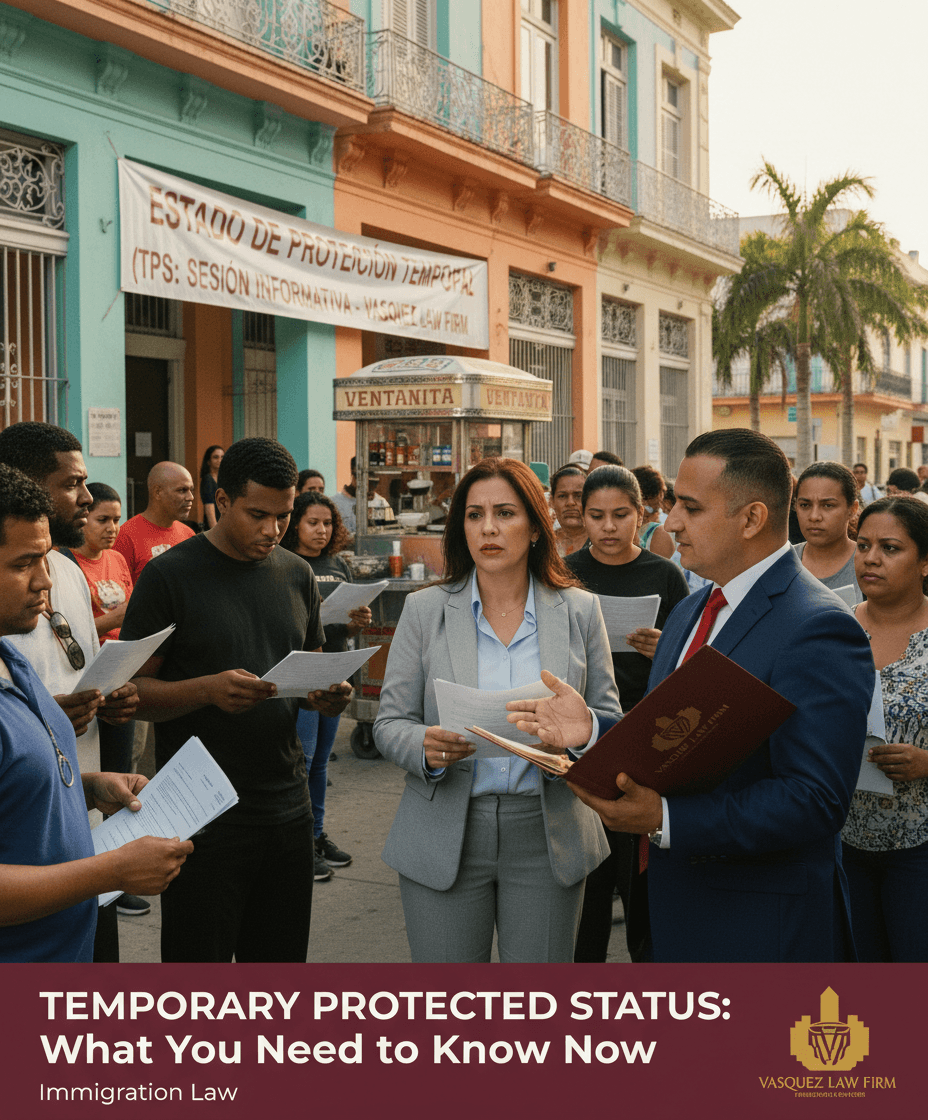
What You Need to Know About Temporary Protected Status in 2026
Learn about Temporary Protected Status, its benefits, and how it affects you. Call Vasquez Law Firm for a free consultation today.
Published on February 4, 2026· Updated February 5, 2026
Talk to an immigration attorney
Free call. A clear plan for your case.
Free & confidential · Se habla espanol · 24/7
Have questions? Talk to an attorney - free evaluation.
Call 1-844-967-3536Worried how the latest immigration news affects you?
Schedule a confidential case review with an immigration attorney - know exactly where you stand.
USCIS Case Status
Check your USCIS case status
Enter your receipt number and get the official status. Free, no registration.
What You Need to Know About Temporary Protected Status in 2026
Temporary Protected Status (TPS) offers vital protection for eligible immigrants facing unsafe conditions in their home countries. Whether you reside in Smithfield, North Carolina, or Florida, understanding TPS is critical to safeguarding your rights and future. This comprehensive guide covers eligibility, benefits, application steps, timelines, costs, and common mistakes to avoid. Contact Vasquez Law Firm with experience in immigration law to get the guidance you need. This resource aims to empower Dreamers and all TPS applicants with trustworthy, clear information about their options under U.S. immigration law.
Need help with your case? Our experienced attorneys are ready to fight for you. Se Habla Español.
Schedule Your Free Case Evaluation
Or call us now: 1-844-967-3536
Quick Answer
Temporary Protected Status allows eligible immigrants from designated countries experiencing unsafe conditions to live and work legally in the U.S. temporarily. It protects from deportation and permits employment authorization while the status remains valid.
- Available to nationals of certain countries declared unsafe
- Protects from removal and allows work authorization
- Granted for limited periods but can be renewed
- Does not automatically lead to permanent residency
Understanding Temporary Protected Status
Temporary Protected Status is a temporary immigration relief program authorized by the U.S. government under 8 U.S.C. § 1254a. It is designed to protect individuals who cannot safely return to their home countries due to ongoing armed conflict, environmental disasters, or other extraordinary and temporary conditions. TPS recipients are allowed to reside and work legally in the U.S. for designated periods, avoiding deportation during this time.
The Secretary of Homeland Security, in consultation with the Department of State, designates countries for TPS based on specific criteria and reports of unsafe conditions. Examples of countries that have received TPS designations include Haiti, El Salvador, Honduras, Nepal, Syria, Somalia, Sudan, and Yemen. The list is periodically updated, reflecting current global conditions.
Temporary Protected Status neither grants permanent residency nor provides a direct path to citizenship. After TPS expiration, recipients must either obtain a different legal status or make plans to leave the U.S. It is crucial to stay updated with USCIS announcements regarding TPS extensions or terminations for your country.
For those residing in Smithfield, North Carolina, and Florida, TPS offers a vital legal safeguard amid challenging circumstances. However, TPS rules are federal and apply uniformly nationwide, though local guidance and legal assistance availability may vary.
Benefits of TPS
- Protection from deportation during the status period
- Work authorization through Employment Authorization Document (EAD)
- Ability to travel outside the U.S. with advance parole when authorized
- Access to certain state benefits depending on local laws
Limitations of TPS
TPS does not provide permanent immigration status or citizenship. It is a temporary protection that depends on continued unsafe conditions in the home country. TPS holders cannot automatically bring relatives to the U.S. under TPS and must seek other immigration avenues for family petitions.
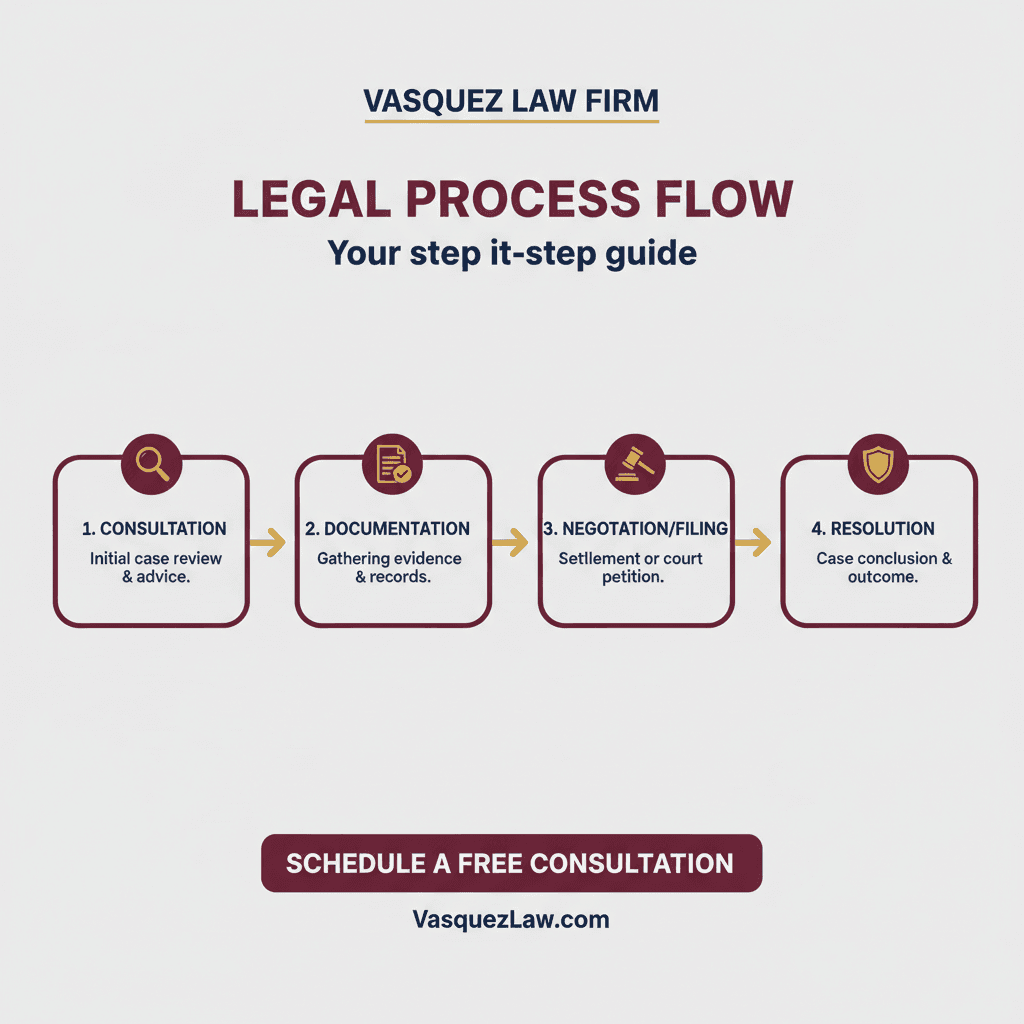
Step-by-step: How to Apply for TPS
- Check Eligibility: Confirm if your country is currently designated for TPS by visiting the USCIS TPS page.
- Gather Documents: Collect evidence proving nationality, date of entry, continuous physical presence, and identity. See the Documents Checklist below.
- Complete Form I-821: Download and accurately fill out Form I-821, Application for Temporary Protected Status.
- Apply for Work Authorization: Submit Form I-765 concurrently or after TPS approval to receive your EAD.
- Submit Biometrics: Attend your biometrics appointment as scheduled by USCIS.
- Receive TPS Confirmation: USCIS will notify you of approval, granting TPS and work authorization.
- Renew on Time: Apply for extensions within re-registration periods to maintain TPS status.
Infographic: TPS Application Process Step-by-Step
An infographic illustrating Form I-821 submission, biometrics appointments, and employment authorization document processes helps you visualize the steps.
Documents Checklist for TPS Application
- Proof of nationality such as passport, birth certificate, or national ID card
- Proof of continuous residence in the U.S. since the TPS designation date
- Proof of physical presence in the U.S. upon application
- Identification documents including government-issued photo ID
- Filing fees or approved fee waiver documentation
- Supporting evidence for any requested travel authorization (advance parole)
Timeline: What to Expect During TPS Processing
- Week 1-4: Gather documents and complete application forms.
- Week 5-8: Submit your application with payment or fee waiver requests.
- Week 9-12: USCIS schedules biometrics appointment.
- Week 13-16: Biometrics collection and review.
- Week 17-24 and beyond: Waiting period for case review and approval, which might extend if more evidence is requested.
- Following approval: Receive TPS approval and Employment Authorization Document (EAD).
- If needed, renew during announced re-registration windows before expiration.
Costs and Fees Associated with TPS
- Form I-821 filing fee: Approximately $50 (waivers may be available)
- Biometrics fee: Approximately $85
- Work authorization (Form I-765) fee: Approximately $410 (may vary)
- Possible legal fees if you use an attorney
- Fee waivers: Available to eligible low-income applicants, reducing or eliminating costs
Costs can vary depending on individual circumstances. Contact Vasquez Law Firm to discuss fee waivers and get help navigating the process affordably.
Common Mistakes to Avoid When Applying for TPS
- Missing deadlines: Failing to apply or renew on time may result in loss of TPS protection.
- Incomplete application: Skipping required fields or failing to provide evidence can delay approval.
- Incorrect fees: Submitting wrong or insufficient fees may cause rejection.
- Failure to attend biometrics: Ignoring biometrics appointments may lead to denial.
- Assuming TPS leads to a green card: TPS is temporary and applicants must explore other legal paths for permanent residency.
- Traveling without authorization: Leaving the U.S. without advance parole can cause loss of TPS.
- Not seeking legal help: Navigating TPS rules without attorney support can lead to costly mistakes.
If you only remember one thing: Stay compliant with USCIS rules, meet deadlines, and seek professional legal help for your TPS application.
NC, FL, and Nationwide Notes on TPS
Federal Framework: TPS is a federal program administered by USCIS and applies uniformly across all U.S. states, including North Carolina and Florida. Local USCIS offices process applications in line with federal guidelines.
North Carolina Notes
Residents of Smithfield, NC, and the state of North Carolina benefit from TPS protection equally with other states. Legal aid and immigration attorney resources are available regionally to help with TPS applications and related immigration issues.
Florida Notes
Florida also hosts a large population of TPS holders. The legal landscape is the same federally, but community organizations and immigration attorneys in Florida specialize in helping TPS recipients maintain status and apply for extensions.
Nationwide Concepts
TPS regulations are uniform nationwide. The key is maintaining status, renewing on time, and following federal instructions. Timing is especially important as TPS designations can end, so staying informed through the USCIS website is essential.
When to Call an Immigration Lawyer
- If you are unsure about your country's current TPS designation
- If you missed registration or re-registration deadlines
- If you received a Notice of Intent to Deny from USCIS
- If you have a criminal record potentially impacting TPS eligibility
- If you want guidance on applying for work authorization (EAD)
- If TPS for your country is ending and you need alternative options
- If you want to explore transitioning from TPS to permanent residency
- If you require help filing forms or gathering evidence
- For advice on travel with TPS status and advance parole
- If you face removal proceedings despite TPS
About Vasquez Law Firm
At Vasquez Law Firm, we combine compassion with aggressive representation. Our motto "Yo Peleo" (I Fight) reflects our commitment to standing up for your rights.
- Bilingual Support: Se Habla Español - our team is fully bilingual
- Service Areas: North Carolina, Florida, and nationwide immigration services
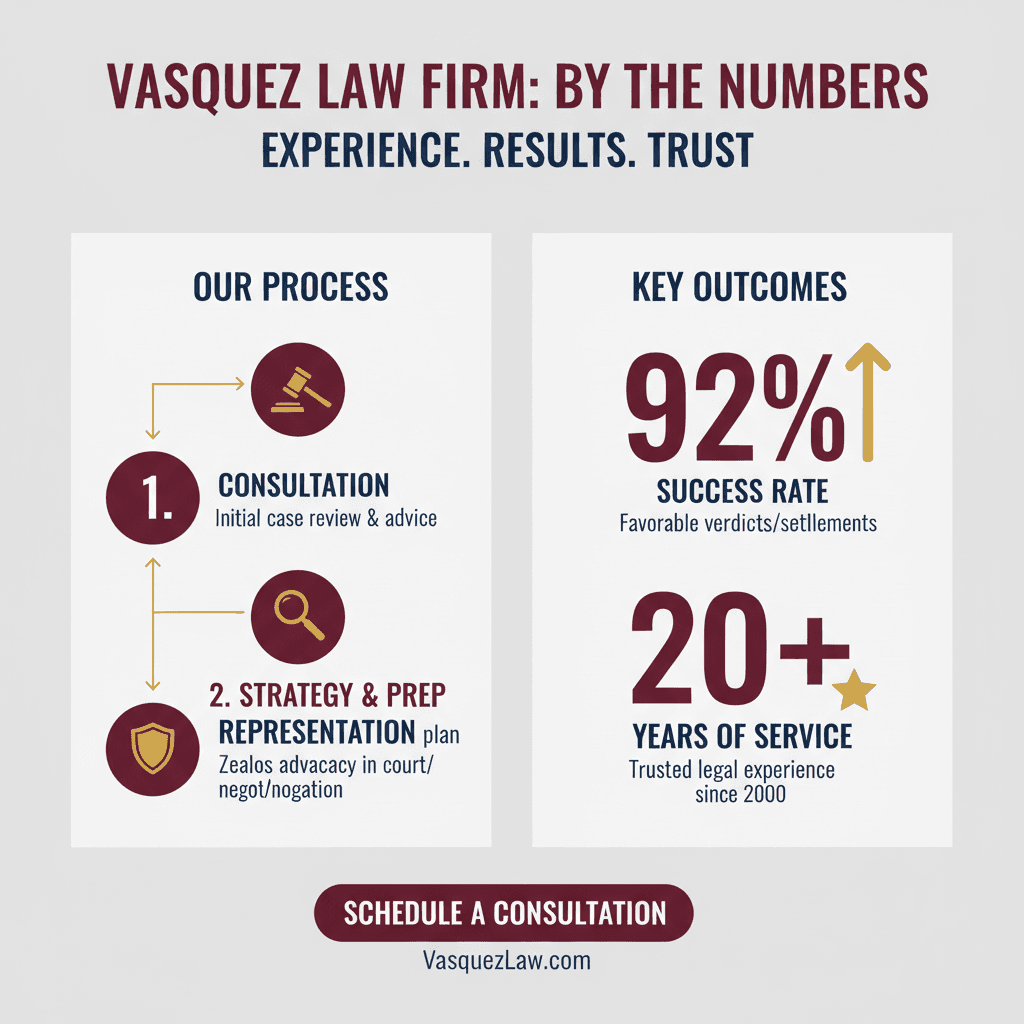
- Experience: Over 15 years helping clients navigate complex legal matters
- Results: Thousands of successful cases across multiple practice areas
Attorney Trust and Experience
Attorney Vasquez holds a Juris Doctor degree and is admitted to practice in the North Carolina State Bar. With over 15 years of dedicated legal experience, he has built a reputation for providing personalized attention and achieving favorable outcomes for his clients.
Don't wait to get the help you deserve. Call us now for immediate assistance.
Se Habla Español
Frequently Asked Questions
What is Temporary Protected Status?
Temporary Protected Status (TPS) is a humanitarian program allowing eligible nationals from designated countries to live and work legally in the U.S. temporarily due to unsafe conditions in their home countries. It protects from deportation and provides work authorization while active.
Which countries are eligible for TPS?
Countries currently designated for TPS vary but often include nations facing war, natural disasters, or other emergencies. Consult the USCIS website for the latest TPS country list updates.
How long does Temporary Protected Status last?
TPS is granted for several months to years depending on country conditions. It can be extended or terminated. Recipients must apply for re-registration during announced periods to maintain status.
Can people with TPS be deported?
TPS generally prevents deportation while the status is valid. However, serious criminal actions or immigration violations can lead to loss of TPS and removal proceedings.
Can I work legally in the U.S. with TPS?
Yes, TPS recipients can apply for work authorization which allows legal employment in the U.S. during the TPS validity period.
Can TPS lead to a green card?
TPS itself does not confer permanent residency, but recipients may become eligible through other immigration categories. Consulting an attorney helps navigate these options.
How do I apply or renew my TPS status?
Applicants use Form I-821 to apply or renew TPS. Filing fees, biometrics, and supporting evidence must be submitted within designated timeframes to maintain status.
What happens if TPS is revoked for my country?
If TPS ends for your country, you lose protections and must find other legal options or prepare for departure. Immediate legal consultation is critical to assess next steps.
Sources and References
- U.S. Citizenship and Immigration Services (USCIS)
- U.S. Department of State
- Executive Office for Immigration Review
Need immigration help? Our immigration attorneys can review your case.
Take the first step toward justice today. Our team is standing by to help.
Start Your Free Case Evaluation Now
Call us: 1-844-967-3536
Se Habla Español - We're here to help.


William Vasquez
Founder & CEO, Vasquez Law Firm, PLLC
William Vasquez is the founder and CEO of Vasquez Law Firm, PLLC, a results-driven firm specializing in immigration, criminal defense, personal injury, and workers' compensation. A U.S. Air Force veteran and recipient of the Joint Service Achievement Medal, William is dedicated to fiercely fighting for his clients' rights.
Related Legal Services
Need legal help? Learn more about NC immigration legal team, or contact us for a free evaluation.
You can also visit immigration attorneys across North Carolina for more information.