Supreme Court Reviews Birthright Citizenship Changes
The U.S. Supreme Court's decision to review Trump's order ending birthright citizenship could have profound implications for immigrants in North Carolina. Vasquez Law Firm outlines what this means for clients, offering legal context, actionable advice, and the importance of seeking expert guidance.
Published on December 8, 2025· Updated March 3, 2026
Talk to an immigration attorney
Free call. A clear plan for your case.
Free & confidential · Se habla espanol · 24/7
Have questions? Talk to an attorney - free evaluation.
Call 1-844-967-3536Free Tool
Check Your USCIS Case Status Now
Enter your receipt number - get the official USCIS status in English or Spanish. No registration.
Supreme Court Reviews Birthright Citizenship Changes
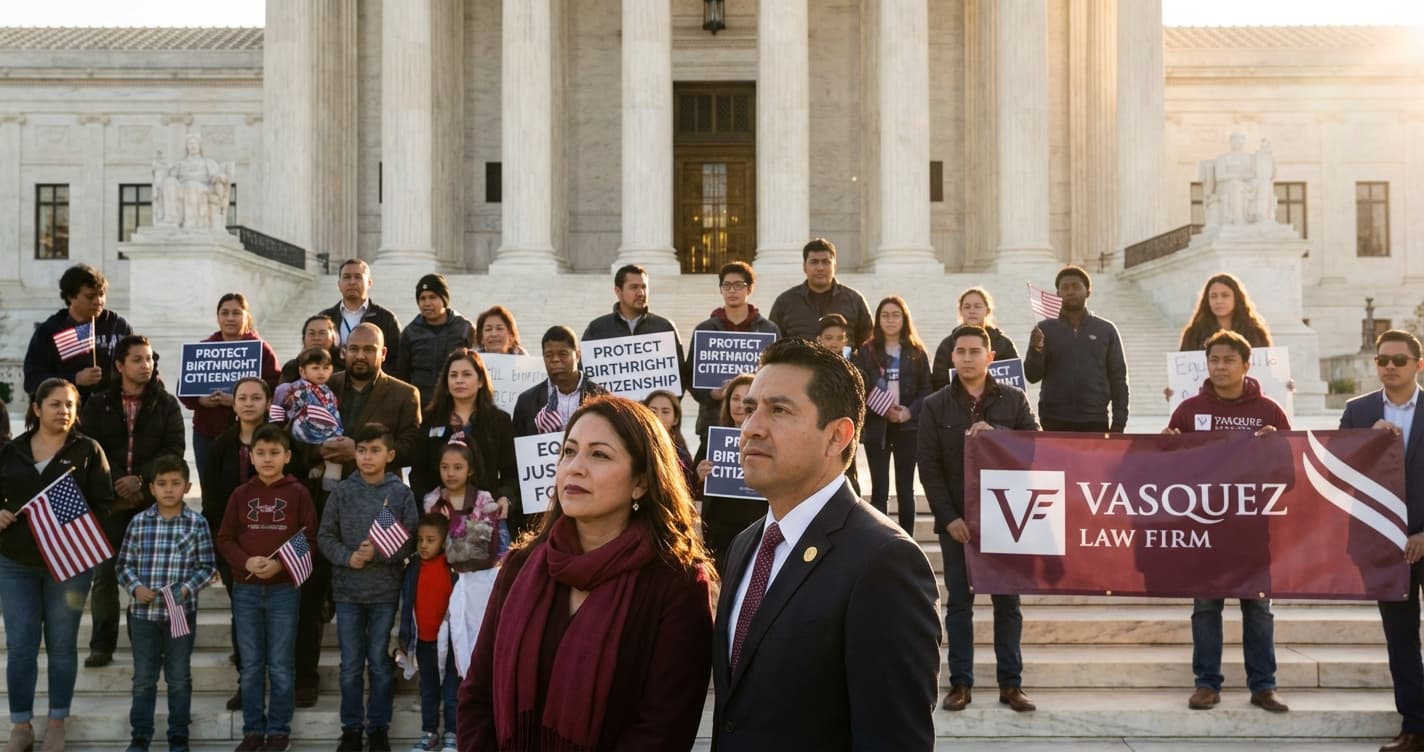
In a move that has significant implications for immigration law and policy, the United States Supreme Court has agreed to review a controversial order by the Trump administration aimed at ending birthright citizenship. This development has sparked a flurry of concern and questions among immigrants and prospective citizens, particularly here in North Carolina. At Vasquez Law Firm, we understand the complexities and anxieties surrounding this issue and are committed to providing our clients with clear, actionable advice and support.
Are you a DACA recipient?
Recent rulings change what renewal looks like. We can review your status in a 15-minute call before your next renewal window.
What This Means for Our Clients
The review of this order by the Supreme Court could lead to a landmark decision affecting millions of individuals living in the United States. Currently, the 14th Amendment of the U.S. Constitution grants citizenship to all persons born or naturalized in the United States, including children of foreign nationals, with very few exceptions. If the Supreme Court upholds the Trump administration's order, the criteria for acquiring citizenship at birth could change dramatically, affecting not only future births but also potentially questioning the citizenship status of those who were previously considered citizens by birthright.
Legal Context and Implications
The principle of jus soli, or right of the soil, has been a cornerstone of American immigration policy for over a century. Altering this principle would not only impact those seeking to immigrate to the U.S. but could also have profound implications for deportation, asylum, and DACA policies. For individuals in North Carolina, changes to birthright citizenship could affect eligibility for a green card, work permit, or naturalization, and increase the risk of deportation, especially for families with mixed immigration statuses.
How Vasquez Law Firm Can Help
At Vasquez Law Firm, we specialize in navigating the complex landscape of immigration law. Our team of experienced attorneys is equipped to offer guidance on how potential changes to birthright citizenship may impact your immigration status and what steps you can take to protect yourself and your family. We offer comprehensive services in English and Spanish (Se Habla Español), ensuring that our clients receive the support they need in the language they are most comfortable with.
Actionable Advice and Steps
If you are concerned about how changes to birthright citizenship may affect you, here are some steps you can take:
- Stay Informed: Keep up to date with the latest developments in immigration law and policy.
- Document Everything: Ensure all birth records, immigration documents, and any other pertinent legal paperwork are in order and easily accessible.
- Seek Legal Advice: Consult with an experienced immigration attorney to understand your rights and explore your options.
Common Mistakes to Avoid
During times of legal uncertainty, it's crucial to avoid making decisions based on fear or misinformation. Some common mistakes include:
- Assuming your or your children's citizenship status will automatically change without legal process.
- Delaying or avoiding legal consultations out of fear of deportation.
- Relying on unofficial sources for critical legal advice.
Contact Vasquez Law Firm today at (phone) for a free case evaluation. We are here to help you navigate these challenging times with confidence. Se Habla Español.
FAQ Section
What is birthright citizenship?
Birthright citizenship is the right for anyone born in the territory of a country to be granted citizenship of that country.
How could changes to birthright citizenship affect me?
Changes could affect your eligibility for citizenship, increase deportation risks, and impact your ability to obtain a green card or work permit.
What should I do if I'm concerned about my citizenship status?
Stay informed, ensure your documents are in order, and consult with an immigration attorney to explore your options.
Understanding Birthright Citizenship Under the 14th Amendment
The 14th Amendment to the United States Constitution, ratified in 1868, states: "All persons born or naturalized in the United States, and subject to the jurisdiction thereof, are citizens of the United States and of the State wherein they reside." This Citizenship Clause has been the constitutional foundation for birthright citizenship—the principle that any person born on U.S. soil is automatically a U.S. citizen, regardless of their parents' immigration status.
For more than 150 years, this provision has been understood to grant automatic citizenship to virtually all persons born in the United States, with narrow exceptions including children of foreign diplomats and children of enemy forces during a hostile occupation. The principle has been reinforced through federal statutes and has been relied upon by generations of American families.
Historical Context: The Wong Kim Ark Case
The leading Supreme Court precedent on birthright citizenship is United States v. Wong Kim Ark (1898). In that case, the Supreme Court held that a person born in the United States to Chinese immigrant parents—who were themselves ineligible for naturalization under the laws of the time—was a U.S. citizen by virtue of his birth on U.S. soil. The Court's extensive analysis of the 14th Amendment's text, history, and the English common law rule of jus soli (citizenship by birthplace) established the broad scope of birthright citizenship that has governed the law ever since.
Arguments For and Against Changing Birthright Citizenship
The debate over birthright citizenship involves deeply contested legal and policy questions:
- Arguments for maintaining birthright citizenship: The text of the 14th Amendment is clear; changing it would require a constitutional amendment (not merely an executive order or legislation); birthright citizenship promotes integration and discourages creation of a permanent underclass; the Wong Kim Ark precedent is well-established law.
- Arguments for restricting birthright citizenship: Some scholars argue that "subject to the jurisdiction thereof" should exclude children of those unlawfully present; birthright citizenship creates incentives for illegal immigration; modern immigration law context differs from the post-Civil War era when the 14th Amendment was ratified.
Most constitutional scholars across the political spectrum agree that birthright citizenship as currently understood is constitutionally mandated and cannot be changed without amending the Constitution.
What a Supreme Court Ruling Could Mean
If the Supreme Court were to rule on birthright citizenship challenges, the potential outcomes would be significant:
What's Your Immigration Situation?
Answer 3 questions - we'll tell you your options
Question 1 / 3
What best describes your situation?
Keep Reading
- Upholding birthright citizenship: The Court confirms that the 14th Amendment requires automatic citizenship for all persons born on U.S. soil (with the traditional exceptions). This would definitively settle the issue.
- Narrowing birthright citizenship: The Court holds that the "subject to the jurisdiction" clause excludes children of undocumented immigrants or those on temporary visas. This would be one of the most significant constitutional changes in modern U.S. history, potentially affecting hundreds of thousands of births annually.
How Changes to Birthright Citizenship Would Affect Families in North Carolina
North Carolina has a significant immigrant population, and many families include both U.S. citizen children (born in the U.S.) and non-citizen parents. If birthright citizenship were restricted:
- Children born to undocumented or temporary visa-holding parents would potentially not be U.S. citizens at birth
- Families with "mixed status" (some members with legal status, some without) would face even greater complexity
- U.S. citizen children who have reached adulthood and can petition for their parents would potentially not be born with that future pathway
- The change would not affect the citizenship status of those already born—constitutional changes do not operate retroactively—but would affect all future births
Steps North Carolina Families Should Take Now
Regardless of how the legal landscape evolves, immigrant families in North Carolina can take proactive steps to protect themselves:
- Document U.S.-born children's citizenship: Ensure you have birth certificates, U.S. passports, and other documentation of U.S. citizen children's status.
- Understand your immigration options: Consult with an immigration attorney to understand what immigration benefits, if any, you or your family members may be eligible for based on your current situation.
- Create a family preparedness plan: In the event of immigration enforcement action, ensure trusted adults know how to care for U.S. citizen children and have access to necessary documentation.
- Explore paths to lawful status: If you are undocumented or have temporary immigration status, speak with an attorney about whether any pathways to legal permanent residence or other stable status exist for you.
Frequently Asked Questions About Birthright Citizenship
Is my child born in the U.S. definitely a U.S. citizen right now?
Yes. Under current law, any child born on U.S. soil is a U.S. citizen at birth (with the narrow exceptions for children of diplomatic personnel and enemy combatants during hostile occupation). No executive order or legislation has changed this, and any attempt to do so would face immediate court challenges. Vasquez Law Firm will keep clients informed of any changes to the law.
Can an executive order change birthright citizenship?
Most constitutional scholars and courts have held that birthright citizenship is constitutionally guaranteed by the 14th Amendment and cannot be changed through executive order alone. A constitutional amendment—requiring two-thirds approval of both houses of Congress and ratification by three-quarters of the states—would be required to definitively change the constitutional rule.
What should I do if my child is a U.S. citizen but I am not?
This is a common "mixed status" family situation in North Carolina. Your U.S. citizen child cannot petition for your immigration status until they reach age 21. In the meantime, consult with an immigration attorney to explore any other paths to legal status that may be available to you. Do not delay—some options have time-sensitive eligibility requirements.
Vasquez Law Firm: Immigration Legal Help for North Carolina Families
Immigration law is rapidly changing, and staying informed is critical for immigrant families in North Carolina. At Vasquez Law Firm, we monitor developments in immigration law closely and advise our clients on what these changes mean for them. We serve clients throughout North Carolina, including Raleigh, Charlotte, Smithfield, and Durham, as well as in Florida. Contact us for a free case evaluation. Se Habla Español.
Need immigration help? Our immigration attorneys can review your case.
Related Topics
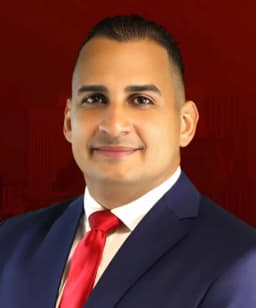
William Vasquez
Founder & CEO, Vasquez Law Firm, PLLC
William Vasquez is the founder and CEO of Vasquez Law Firm, PLLC, a results-driven firm specializing in immigration, criminal defense, personal injury, and workers' compensation. A U.S. Air Force veteran and recipient of the Joint Service Achievement Medal, William is dedicated to fiercely fighting for his clients' rights.
Related Legal Services
Need legal help? Learn more about our immigration law practice, or contact us for a free evaluation.
You can also visit North Carolina immigration law firm for more information.