What to Do After a Rainy Day Car Accident in 2026
Involved in a rainy day car accident in NC or FL? Learn critical steps to protect your rights. Contact Vasquez Law Firm for a free consultation today.
Published on February 19, 2026

Have questions? Talk to an attorney - free evaluation.
Call 1-844-967-3536Get What Your Injury Is Worth
Schedule your consultation - no fee unless we win.
What to Do After a Rainy Day Car Accident in 2026
A rainy day car accident can be a frightening and confusing experience, often leading to serious injuries and complex legal questions. Wet roads, reduced visibility, and hydroplaning significantly increase the risk of collisions, making it crucial to understand your rights and the steps to take immediately after an incident. This comprehensive guide, updated for 2026, will walk you through everything you need to know, from immediate actions at the scene to navigating insurance claims and seeking legal representation in North Carolina and Florida. Whether you're dealing with minor damage or severe injuries, preparing for a potential rainy day car accident claim is essential for protecting your future.
Need help with your case? Our experienced attorneys are ready to fight for you. Se Habla Español.
Schedule Your Free Consultation
Or call us now: 1-844-967-3536
Quick Answer
After a rainy day car accident, prioritize safety, seek medical attention, gather evidence, and report the incident to authorities and your insurance company. Wet conditions often complicate liability, making it vital to consult an attorney. An experienced personal injury lawyer can help you understand your rights, negotiate with insurers, and pursue fair compensation for damages and injuries.
- Ensure immediate safety and check for injuries.
- Call 911 to report the accident and request police/medical assistance.
- Document the scene with photos and videos, focusing on road conditions.
- Exchange information with other drivers involved.
- Avoid admitting fault or making recorded statements to insurance companies without legal advice.
- Seek prompt medical evaluation, even for seemingly minor symptoms.
- Contact a personal injury attorney as soon as possible.
Understanding Rainy Day Car Accidents
Driving in the rain significantly increases the risk of a car accident. Wet roads reduce tire traction, making it harder to brake effectively and increasing the likelihood of hydroplaning. Visibility also decreases, especially during heavy downpours, making it difficult to see other vehicles, pedestrians, or road hazards. These factors combine to create hazardous driving conditions that contribute to a large number of weather-related accidents each year.
Even a light drizzle can make roads slick, as oil and debris mix with water on the pavement. Heavy rain can lead to standing water, increasing the risk of hydroplaning, where tires lose contact with the road surface. Understanding these inherent risks is the first step in both preventing accidents and knowing how to respond if you are involved in a rainy day car accident in 2026.
Common Causes of Rain-Related Crashes
Beyond reduced traction and visibility, several other factors contribute to rainy day car accidents. Drivers may fail to adjust their speed to the conditions, follow too closely, or make sudden maneuvers. Poor vehicle maintenance, such as worn tires or faulty wipers, can also play a critical role. Distracted driving is always a risk, but it becomes even more dangerous when combined with adverse weather.
Hydroplaning is a particularly dangerous phenomenon where a layer of water builds up between the vehicle's tires and the road surface, causing the driver to lose control. This can happen even at moderate speeds if there's enough standing water. Recognizing these common causes is vital for determining fault and building a strong case after a rainy day car accident.
Step-by-step: What to Do After a Rainy Day Car Accident
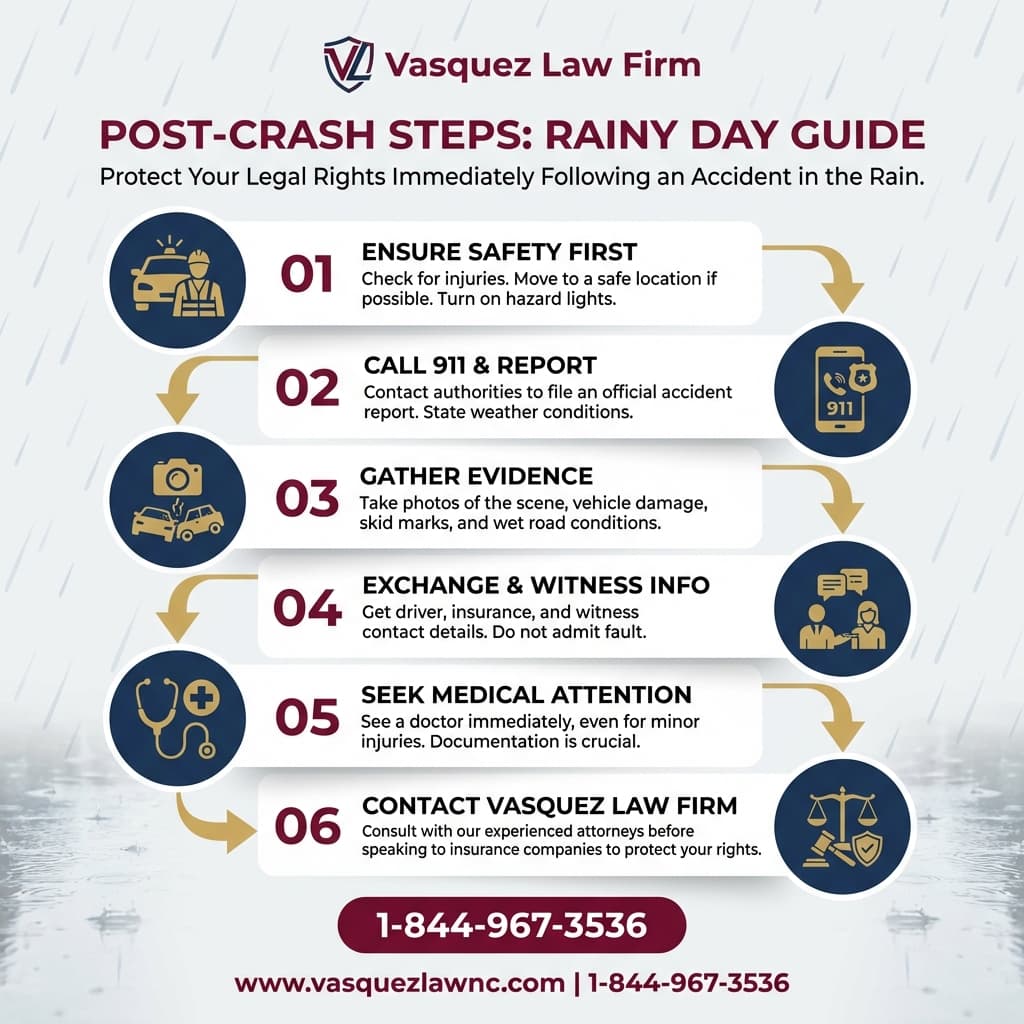
The actions you take immediately following a rainy day car accident can significantly impact your health, safety, and potential legal claim. Staying calm and following a structured approach will help protect your rights and ensure you gather necessary information. Here’s a step-by-step guide for what to do:
- Prioritize Safety: Move your vehicle to a safe location if possible, away from traffic. Turn on your hazard lights. If you cannot move your vehicle, remain inside with your seatbelt fastened until help arrives.
- Check for Injuries: Assess yourself and any passengers for injuries. Even if you feel fine, some injuries may not be immediately apparent. If anyone is seriously injured, do not move them unless absolutely necessary for safety.
- Call 911: Report the accident to the police, regardless of how minor it seems. A police report is crucial for insurance claims and legal proceedings. Request medical assistance if anyone is injured.
- Document the Scene: Use your phone to take extensive photos and videos of the accident scene. Capture vehicle damage, road conditions (puddles, standing water, slick surfaces), traffic signals, skid marks, and any relevant surroundings.
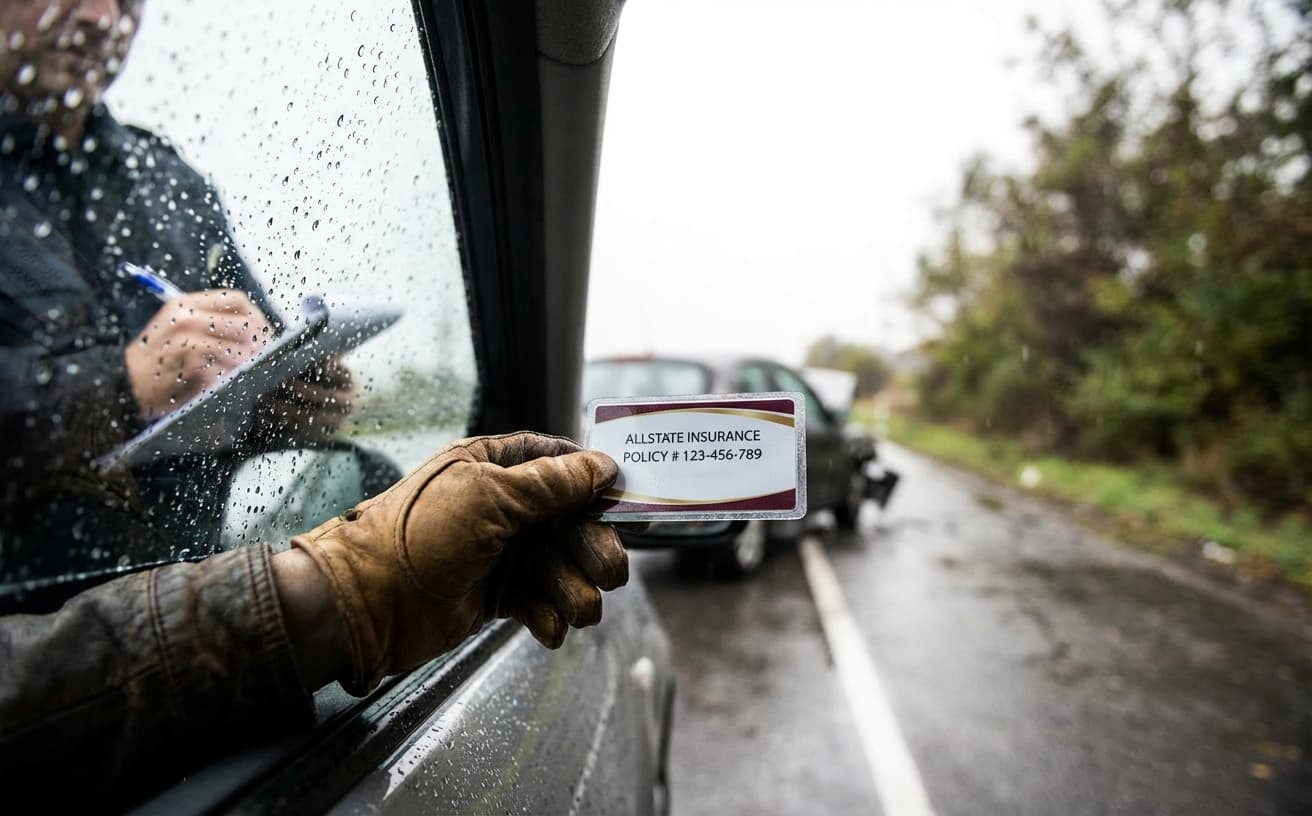
- Exchange Information: Get the names, contact information, insurance details, and driver's license numbers of all drivers involved. Also, gather contact information from any witnesses.
- Avoid Admitting Fault: Do not apologize or admit fault, even if you think you might be to blame. Stick to the facts when speaking with police and other drivers. Your statements can be used against you later.
- Seek Medical Attention: Get a medical evaluation as soon as possible, even if you don't feel immediate pain. Some injuries, like whiplash or concussions, can have delayed symptoms. A medical record creates a crucial link between the accident and your injuries.
- Notify Your Insurance Company: Report the accident to your own insurance company promptly. However, be cautious about providing detailed statements until you have consulted with an attorney.
- Consult an Attorney: Contact a personal injury lawyer specializing in car accidents. They can help you understand your rights, navigate the claims process, and protect you from common insurance company tactics.
Documents and Evidence Checklist for Your Claim
Building a strong personal injury claim after a rainy day car accident requires thorough documentation. The more evidence you have, the better your chances of receiving fair compensation. Keep all related documents organized and accessible. This checklist will help you gather the necessary information to support your case:
- Police Report: Obtain a copy of the official accident report from the law enforcement agency that responded. This document often contains key details about the accident, including contributing factors and initial findings.
- Photos and Videos: All visual evidence collected at the scene, including damage to vehicles, road conditions (wet pavement, puddles), traffic signs, and any visible injuries.
- Medical Records: All documentation from doctors, hospitals, and specialists related to your injuries, diagnosis, treatment, and prognosis. This includes bills, prescriptions, and therapy records.
- Witness Statements: Contact information and any written or recorded statements from eyewitnesses to the accident.
- Driver Information: Names, contact details, driver's license numbers, and insurance policy information for all parties involved.
- Insurance Correspondence: Keep records of all communications with your insurance company and the other driver's insurer, including claim numbers, dates, and summaries of conversations.
- Loss of Income Documentation: Pay stubs, employment records, or a letter from your employer verifying lost wages due to the accident and your injuries.
- Vehicle Repair Estimates: Quotes or invoices for repairs to your vehicle, or documentation of its total loss value.
- Receipts for Expenses: Any out-of-pocket expenses related to the accident, such as rental car fees, transportation to medical appointments, or over-the-counter medications.
Timeline: What to Expect After a Rainy Day Car Accident
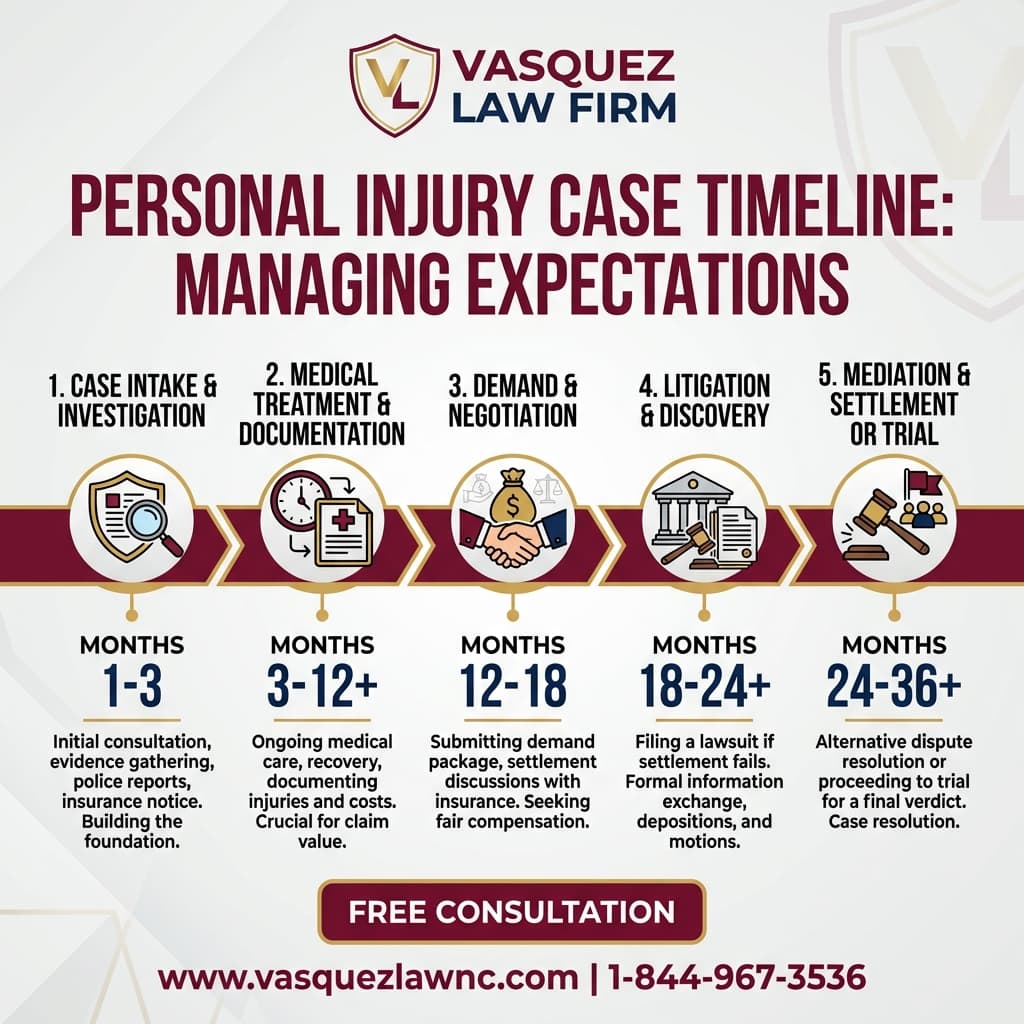
Understanding the typical timeline after a rainy day car accident can help manage your expectations and ensure you take timely action. The process can vary depending on the severity of the accident and the complexity of the claim, but generally follows these stages. It is important to note that every case is unique, and these are general guidelines for 2026.
- Immediately After the Accident (Day 0-3):
- Secure the scene, check for injuries, call 911, gather evidence (photos, witness info).
- Seek immediate medical attention, even if injuries seem minor.
- Notify your insurance company.
- Contact a personal injury attorney.
- Initial Investigation & Treatment (Week 1-4):
- Your attorney begins gathering evidence, reviewing police reports, and communicating with insurers.
- You continue medical treatment and follow doctor's orders. This period is crucial for diagnosing and documenting injuries.
- Attorney sends demand letters for records and information.
- Medical Treatment & Documentation (Month 1-6+):
- Ongoing medical treatment, physical therapy, and specialist visits.
- Your attorney monitors your recovery and collects all medical bills and records.
- This phase continues until you reach Maximum Medical Improvement (MMI), meaning your condition is stable.
- Settlement Negotiations (Month 3-9+):
- Once MMI is reached, your attorney compiles a demand package, outlining all damages (medical bills, lost wages, pain and suffering).
- Negotiations begin with the at-fault driver's insurance company.
- Most cases settle during this phase without going to court.
- Filing a Lawsuit (If Necessary) (Month 6-12+):
- If negotiations fail, your attorney may recommend filing a lawsuit before the statute of limitations expires.
- This initiates the litigation process, which can include discovery (exchanging information), depositions, and potentially mediation.
- Trial (If Case Doesn't Settle) (Year 1-2+):
- A small percentage of cases go to trial. This is a lengthy process involving jury selection, presentation of evidence, and arguments.
- A verdict is reached, or the case may settle before a verdict.
Costs and Fees: What Impacts the Price of a Claim
Understanding the potential costs and fees associated with a rainy day car accident claim is important for managing your financial expectations. Most personal injury attorneys, including Vasquez Law Firm, work on a contingency fee basis. This means you don't pay any upfront legal fees. Instead, the attorney's fees are a percentage of the final settlement or court award.
Several factors can influence the total cost of a personal injury claim. These include the severity of your injuries, the complexity of proving liability, the amount of medical treatment required, and whether the case goes to litigation. Generally, more complex cases that require extensive investigation, expert witnesses, or court proceedings will incur higher costs. These costs, such as filing fees, deposition expenses, and expert witness fees, are typically advanced by your attorney and reimbursed from the settlement.
Contingency Fee Basis Explained
Under a contingency fee agreement, your attorney only gets paid if they win your case. This arrangement allows individuals who might not have the financial resources to pay hourly rates to still access quality legal representation. The percentage typically ranges from 33% to 40% of the gross settlement, but it can vary. It is crucial to discuss the fee structure thoroughly with your attorney during your initial consultation so you understand how costs and fees will be handled.
Common Mistakes and How to Avoid Them
After a rainy day car accident, it's easy to make mistakes that could jeopardize your personal injury claim. Being aware of these common pitfalls can help you protect your rights and ensure a smoother legal process. Avoiding these errors is critical for securing the compensation you deserve.
- Failing to Call the Police: Even for minor accidents, a police report provides an official record and crucial evidence. Without it, proving the accident occurred can be challenging. Always call 911 to get an official report.
- Not Documenting the Scene: Relying solely on memory is a mistake. Take numerous photos and videos of vehicle damage, road conditions, skid marks, and any visible injuries. Visual evidence is powerful in court.
- Admitting Fault: Never say "I'm sorry" or admit responsibility at the scene. Even if you feel partially to blame, let investigators determine fault. Any admission can be used against you by insurance companies.
- Delaying Medical Attention: Adrenaline can mask pain. Delaying medical evaluation can lead to exacerbated injuries and make it harder to link your injuries directly to the accident. Seek medical care immediately.
- Providing Recorded Statements to Insurers: Insurance adjusters may try to get you to provide a recorded statement shortly after the accident. Do not do this without first consulting your attorney. They are often looking for information to minimize your claim.
- Failing to Gather Witness Information: Eyewitnesses can provide unbiased accounts of the accident. If you don't get their contact information at the scene, you may lose valuable support for your claim.
- Not Following Medical Advice: Skipping appointments or not adhering to prescribed treatment plans can signal to insurance companies that your injuries are not severe, potentially reducing your compensation.
- Posting on Social Media: Anything you post online can be used against you. Avoid discussing your accident, injuries, or legal case on social media. Even seemingly innocent posts can be misinterpreted.
- Accepting a Quick Settlement: Insurance companies may offer a low settlement early on, hoping you'll accept before understanding the full extent of your injuries and damages. Never accept an offer without discussing it with your lawyer.
- Not Hiring an Attorney: Navigating personal injury claims alone is complex. An experienced attorney can protect your rights, handle negotiations, and ensure you receive fair compensation.
If you only remember one thing: Always seek medical attention immediately after a rainy day car accident and consult with a personal injury attorney before speaking extensively with insurance companies.
North Carolina Notes
While the general principles of car accident claims are similar across states, specific laws and procedures vary significantly between North Carolina and Florida. Understanding these differences is crucial when pursuing a rainy day car accident claim in either state in 2026. Vasquez Law Firm is admitted to practice in both states and can guide you through the specific requirements of your jurisdiction.
North Carolina Notes
North Carolina operates under a strict contributory negligence rule. This means if you are found even 1% at fault for the accident, you are barred from recovering any damages. This rule makes it particularly challenging for plaintiffs and underscores the importance of having an experienced attorney who can aggressively defend against accusations of fault. Additionally, North Carolina has a three-year statute of limitations for personal injury claims, meaning you generally have three years from the date of the accident to file a lawsuit.
When to Call a Lawyer Now After a Rainy Day Car Accident
Knowing when to seek legal counsel is paramount, especially after a rainy day car accident where liability can be complex due to weather conditions. While it's always advisable to consult an attorney, certain situations make immediate legal intervention absolutely necessary. Do not delay in contacting Vasquez Law Firm if any of these triggers apply to your situation:
- Serious Injuries: If you or a loved one sustained significant injuries requiring extensive medical treatment, hospitalization, or surgery.
- Disputed Liability: When the other driver's insurance company or the police report assigns partial or full fault to you, especially in North Carolina's contributory negligence state.
- Insurance Company Tactics: If an insurance adjuster is pressuring you to accept a quick settlement, asking for recorded statements, or denying your claim.
- Complex Accident: Accidents involving multiple vehicles, commercial trucks, or those where fault is unclear due to hydroplaning or poor visibility.
- Uninsured/Underinsured Motorist: If the at-fault driver has no insurance or insufficient coverage to cover your damages.
- Loss of Income: If your injuries prevent you from working, resulting in significant lost wages and future earning capacity.
- Wrongful Death: In the tragic event that the accident resulted in a fatality.
- Long-Term Impact: If your injuries are expected to cause permanent disability, disfigurement, or long-term pain and suffering.
- Confusing Paperwork: If you are overwhelmed by legal documents, medical bills, or communications from insurance companies.
About Vasquez Law Firm
At Vasquez Law Firm, we combine compassion with aggressive representation. Our motto "Yo Peleo" (I Fight) reflects our commitment to standing up for your rights. We understand the physical, emotional, and financial toll a rainy day car accident can take on your life, and we are dedicated to providing personalized and zealous advocacy. Our team is fully bilingual, ensuring that language is never a barrier to justice.
- Bilingual Support: Se Habla Español - our team is fully bilingual and ready to assist you in English or Spanish.
- Service Areas: Personal injury in North Carolina; immigration nationwide, including Florida
- Experience: With over 15 years of dedicated legal experience, Attorney Vasquez has a proven track record of securing favorable outcomes for clients in complex personal injury cases.
- Results: We have successfully handled thousands of cases, helping individuals and families recover the compensation they deserve after devastating accidents.
Attorney Trust and Experience
Attorney Vasquez holds a Juris Doctor degree and is admitted to practice in both the North Carolina State Bar and Florida Bar. With over 15 years of dedicated legal experience, he has built a reputation for providing personalized attention and achieving favorable outcomes for his clients. His deep understanding of personal injury law, combined with a commitment to client well-being, makes Vasquez Law Firm a trusted advocate for those impacted by a rainy day car accident.
Don't face your legal challenges alone. Our team is here to help you every step of the way.
Call today: 1-844-967-3536 | Se Habla Español
Frequently Asked Questions
What is hydroplaning and how does it happen?
Hydroplaning occurs when a layer of water builds up between your vehicle's tires and the road surface, causing the tires to lose traction. This can happen at speeds as low as 35 mph, especially if tires are worn or there's significant standing water. The vehicle essentially skims on the water, making it impossible to steer, brake, or accelerate effectively, leading to loss of control and increased risk of a rainy day car accident.
Can weather be at fault for an accident?
While weather conditions like rain or ice contribute to accidents, they are rarely considered the sole legal cause. Drivers are expected to adjust their driving to prevailing conditions. Therefore, if a driver fails to slow down or drive safely in the rain, their negligence, not the weather itself, is typically deemed the cause. An attorney can help determine if another driver's actions were negligent despite the weather.
How do I prove fault in a rainy day car accident?
Proving fault in a rainy day car accident involves gathering evidence such as police reports, witness statements, photographs of the scene and vehicle damage, and potentially expert testimony. It focuses on demonstrating that the other driver failed to exercise reasonable care given the wet conditions, such as driving too fast, following too closely, or having worn tires. Your attorney will meticulously build this case.
What types of compensation can I receive after a rainy day car accident?
You may be eligible for various types of compensation, including economic and non-economic damages. Economic damages cover tangible losses like medical bills, lost wages, property damage, and future medical expenses. Non-economic damages compensate for intangible losses such as pain and suffering, emotional distress, and loss of enjoyment of life. The specific compensation depends on the accident's impact on your life.
Should I give a recorded statement to the insurance company?
It is strongly advised not to give a recorded statement to any insurance company, especially the other driver's insurer, without first consulting an attorney. Insurance adjusters are trained to ask questions that could elicit responses damaging to your claim. An attorney can protect your rights and ensure you do not inadvertently jeopardize your ability to recover full compensation after your rainy day car accident.
What is the statute of limitations for car accidents in NC and FL?
In North Carolina, the statute of limitations for personal injury claims arising from a car accident is generally three years from the date of the accident. In Florida, it is typically four years. It's crucial to be aware of these deadlines, as failing to file a lawsuit within the specified period usually means forfeiting your right to pursue compensation. Consult an attorney to confirm the exact deadline for your specific case.
What if the other driver was uninsured or underinsured?
If the at-fault driver is uninsured or underinsured, you may still have options for recovery. Your own insurance policy might include Uninsured/Underinsured Motorist (UM/UIM) coverage, which can compensate you for your injuries and damages. Navigating these claims can be complex, and an attorney can help you understand your policy and pursue the compensation you deserve from your own insurer.
How long does it take to settle a rainy day car accident claim?
The time it takes to settle a rainy day car accident claim varies widely. Simple cases with minor injuries and clear liability might settle in a few months. However, complex cases involving serious injuries, extensive medical treatment, or disputed fault can take a year or more, especially if litigation becomes necessary. An attorney can provide a more accurate estimate based on the specifics of your case.
What happened with Matthew Broderick's car accident?
The Matthew Broderick car accident occurred in Northern Ireland in 1987. Broderick, driving on the wrong side of the road, collided head-on with another car, killing the two occupants. While not a typical 'rainy day car accident,' it highlights the tragic consequences of driver error. Broderick was charged with careless driving and later paid a fine, illustrating the legal repercussions following severe collisions.
Can I still file a claim if I was partially at fault?
Whether you can file a claim if partially at fault depends on the state's laws. In North Carolina, due to strict contributory negligence, even 1% fault can bar recovery. In Florida, under pure comparative negligence, you can still recover damages, but your compensation will be reduced by your percentage of fault. An attorney can assess your case and explain your options based on your state's specific laws.
Sources and References
- North Carolina Courts
- North Carolina Department of Transportation (NCDOT)
- Florida Highway Safety and Motor Vehicles (FLHSMV)
Ready to take the next step? Contact Vasquez Law Firm today for a free, confidential consultation. We're committed to fighting for your rights and achieving the best possible outcome for your case.
Start Your Free Consultation Now
Call us: 1-844-967-3536
Se Habla Español - Estamos aquí para ayudarle.

William Vasquez
Founder & CEO, Vasquez Law Firm, PLLC
William Vasquez is the founder and CEO of Vasquez Law Firm, PLLC, a results-driven firm specializing in immigration, criminal defense, personal injury, and workers' compensation. A U.S. Air Force veteran and recipient of the Joint Service Achievement Medal, William is dedicated to fiercely fighting for his clients' rights.
Related Legal Services
Need legal help? Learn more about our personal injury legal services, or contact us for a free evaluation.
You can also visit injury attorneys serving all of North Carolina for more information.