How to Navigate US Immigration With an Expert Guide
Struggling with US immigration? Let Vasquez Law Firm, PLLC in Orlando guide you through the process. Contact us for a free consultation today.
Published on January 7, 2026· Updated March 3, 2026
Talk to an immigration attorney
Free call. A clear plan for your case.
Free & confidential · Se habla espanol · 24/7

Have questions? Talk to an attorney - free evaluation.
Call 1-844-967-3536Worried how the latest immigration news affects you?
Schedule a confidential case review with an immigration attorney - know exactly where you stand.
USCIS Case Status
Check your USCIS case status
Enter your receipt number and get the official status. Free, no registration.
How to Navigate US Immigration With an Expert Guide
Understanding the complexities of US immigration law can be daunting. With recent changes and challenges, including warnings against law violations for international students, navigating this landscape requires expert guidance. Vasquez Law Firm, PLLC, led by Attorney Vasquez with 15 years of experience, offers comprehensive immigration solutions in Orlando and beyond. This guide delves into key areas of immigration law, providing insights to demystify the process.
Need legal help?
Immigration in NC and FL. Personal injury and workers compensation across NC. Criminal defense in Johnston and Harnett counties, and traffic tickets in 10 NC counties. Tell us your county and we will tell you exactly what we can do.
For a detailed consultation on your immigration needs, contact Vasquez Law Firm, PLLC today. Se Habla Español.
Understanding Immigration Law and Recent Changes
The landscape of US immigration law is constantly evolving, making it crucial for immigrants and international students to stay informed. Recent warnings from the US embassy highlight the importance of adhering to legal guidelines while studying in the US. These changes can impact visa statuses, application processes, and eligibility for certain immigration benefits.
The Importance of Legal Compliance
Legal compliance is the cornerstone of successfully navigating US immigration law. Violations, even unintentional, can lead to severe consequences, including deportation or bans on re-entry. Understanding the specifics of your visa requirements and staying abreast of changes in immigration policy are essential steps in maintaining your legal status in the US.
Recent Policy Adjustments
Policy adjustments, such as those impacting H-1B visas and student visas, underscore the need for up-to-date legal advice. These changes can affect your ability to work, study, or remain in the US. An experienced immigration lawyer can provide guidance on how these adjustments may impact your situation.
Case Study: Navigating H-1B Visa Changes
One of the most significant areas of US immigration policy involves the H-1B visa, commonly used by tech professionals and other skilled workers. Recent changes have altered the application process and eligibility criteria, impacting many prospective immigrants.
Example: John Doe's H-1B Application
John Doe, a software engineer from India, faced challenges with his H-1B visa application due to recent policy changes. Despite having a job offer from a prominent tech company in Silicon Valley, his application was subjected to increased scrutiny and ultimately delayed. This case highlights the importance of having an adept immigration lawyer to navigate complex application processes and advocate on your behalf.
Proactive Legal Strategies
Proactive legal strategies, including early application submission and thorough documentation, can mitigate the impact of H-1B policy changes. An immigration lawyer can also advise on alternative visa options, should your H-1B application face obstacles.
Comprehensive Immigration Services Offered by Vasquez Law Firm, PLLC
At Vasquez Law Firm, PLLC, we offer a wide range of immigration services tailored to meet the unique needs of our clients in Orlando and beyond. Our experienced team, led by Attorney Vasquez, is well-versed in all aspects of immigration law, from visa applications to citizenship processes.
Visa Application Assistance
Our firm specializes in assisting clients with the application process for various types of visas, including student visas, H-1B visas, and family-based visas. We ensure that your application is complete, accurate, and submitted in a timely manner to maximize your chances of approval.
Legal Representation in Immigration Proceedings

Whether you're facing deportation proceedings or seeking an adjustment of status, having skilled legal representation is critical. Our team provides aggressive advocacy to protect your rights and achieve the best possible outcome in your case.
Frequently Asked Questions
Q: How can an immigration lawyer help me?
A: An immigration lawyer can provide expert guidance on visa applications, represent you in legal proceedings, and advise on the best pathways for immigration or citizenship.
Q: What should I do if my visa application is denied?
A: Contact an immigration lawyer immediately. They can review your application, determine the reasons for denial, and advise on the next steps, whether it's reapplying or appealing the decision.
For more personalized advice, schedule a free case evaluation with Vasquez Law Firm, PLLC today. Se Habla Español.
The U.S. Immigration System: A Complete Overview
The United States immigration system is one of the most complex legal frameworks in the world. It operates through multiple federal agencies—primarily U.S. Citizenship and Immigration Services (USCIS), U.S. Customs and Border Protection (CBP), and U.S. Immigration and Customs Enforcement (ICE)—and is governed by the Immigration and Nationality Act (INA) and numerous other federal statutes and regulations.
Major Immigration Pathways
There are several primary ways that foreign nationals can legally reside and work in the United States:
1. Family-Based Immigration
U.S. citizens and lawful permanent residents can sponsor certain family members for permanent residence. Immediate relatives of U.S. citizens (spouses, parents, and unmarried children under 21) have immediate visa availability with no annual limit. Other family relationships fall into preference categories with annual numerical limits, leading to waiting periods that vary by country of birth and relationship type.
2. Employment-Based Immigration
Employers can sponsor foreign workers for permanent residence through five employment-based preference categories (EB-1 through EB-5), ranging from priority workers with extraordinary abilities to investors who create U.S. jobs. Temporary work visas—including H-1B (specialty occupation), L-1 (intracompany transferee), O-1 (extraordinary ability), TN (USMCA professionals), and E-2 (investor)—allow temporary employment for specified purposes.
3. Humanitarian Protection
The United States offers multiple forms of humanitarian protection, including asylum for those fleeing persecution, refugee resettlement for those identified outside the U.S., Temporary Protected Status (TPS) for nationals of certain crisis-affected countries, and special visas for crime victims (U visa), trafficking victims (T visa), and others.
4. Diversity Visa Lottery
Each year, approximately 55,000 diversity immigrant visas are available to nationals of countries with historically low rates of immigration to the United States. Selection is random by lottery.
The Difference Between Visas, Status, and Authorization
Understanding these distinctions is crucial:
What's Your Immigration Situation?
Answer 3 questions - we'll tell you your options
Question 1 / 3
What best describes your situation?
Keep Reading

- Visa: A stamp or electronic authorization issued by a U.S. consulate that permits the holder to apply for admission to the United States at a port of entry. A visa can expire even if the holder's authorized stay has not yet expired.
- Authorized period of stay: The period during which a person is authorized to remain in the United States, documented by Form I-94 (Arrival/Departure Record). This is separate from and may be different from the visa expiration date.
- Work authorization: Separate from visa status or authorized stay—specifically authorizes employment in the United States. Some visa categories automatically authorize work; others require a separate Employment Authorization Document (EAD).
- Lawful permanent residence (green card): The right to live and work permanently in the United States. LPRs do not need nonimmigrant visas to enter the country—they use their green card (or a Reentry Permit for extended absences).
Common Immigration Challenges and How to Navigate Them
Visa Overstays and Unlawful Presence
Many people in the United States are out of status because they remained after their authorized period of stay expired. Unlawful presence triggers consequences including bars to future visa issuance and admission:
- Unlawful presence of 180 days to one year: 3-year bar to admission after departure
- Unlawful presence of one year or more: 10-year bar to admission after departure
- A waiver may be available to overcome these bars in certain circumstances if you have a qualifying U.S. citizen or LPR spouse or parent who would suffer extreme hardship
Prior Orders of Removal
A prior order of removal creates significant complications for any future immigration benefits. Entering the United States after a removal order is a federal felony. Waivers may be available in limited circumstances for those with prior removal orders, but they require strong equities and compelling evidence.
Criminal Record Issues
A criminal record—even for minor offenses—can have significant immigration consequences. Before any plea in a criminal case, non-citizens should consult with an immigration attorney to understand the immigration implications of the proposed disposition. Even a deferred adjudication or an expunged offense can constitute a "conviction" for immigration purposes.
Immigration Law Updates in 2025-2026
Immigration law and policy change rapidly. Key developments affecting immigrants in 2025-2026 include changes to enforcement priorities, DACA litigation, processing time fluctuations at USCIS, and evolving policies on asylum and humanitarian protections. Staying current requires working with an attorney who actively monitors these developments and can advise you on how policy changes affect your specific case.
Frequently Asked Questions
What is the difference between affirmative and defensive asylum?
Affirmative asylum is applied for proactively at a USCIS Asylum Office by a person not in removal proceedings. Defensive asylum is raised as a defense in removal proceedings before an immigration judge. Both paths can lead to asylum protection, but the procedures and forums differ.
How do I know if I qualify for a green card?
Green card eligibility depends on your relationship to U.S. citizens or LPRs, your employment situation, humanitarian circumstances, and other factors. An immigration attorney can evaluate your eligibility based on your specific circumstances.
Can I travel outside the United States while my immigration case is pending?
Travel during a pending immigration case requires careful consideration. For those with pending adjustment of status applications, traveling without advance parole can result in abandonment of the application. For those in removal proceedings, travel can result in a departure bar or trigger the removal order. Always consult with an immigration attorney before any international travel.
Vasquez Law Firm: Your Immigration Partner in North Carolina and Florida
Navigating the U.S. immigration system requires an experienced guide. Vasquez Law Firm has helped hundreds of individuals and families achieve their immigration goals throughout North Carolina and Florida. Our attorneys are fluent in English and Spanish and bring deep practical knowledge to every case. Contact us for a free case evaluation today. Se Habla Español.
Need immigration help? Our immigration attorneys can review your case.
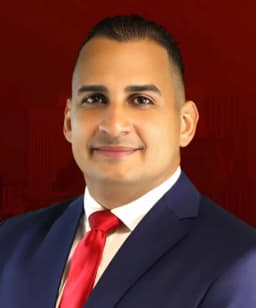
William Vasquez
Founder & CEO, Vasquez Law Firm, PLLC
William Vasquez is the founder and CEO of Vasquez Law Firm, PLLC, a results-driven firm specializing in immigration, criminal defense, personal injury, and workers' compensation. A U.S. Air Force veteran and recipient of the Joint Service Achievement Medal, William is dedicated to fiercely fighting for his clients' rights.
Related Legal Services
Need legal help? Learn more about our immigration legal services, or contact us for a free evaluation.
You can also visit our North Carolina immigration practice for more information.