Law Updates 2025: Complete Guide to Immigration, Criminal Defense, Family Law & State Changes
```html Law Updates 2025: Complete Guide to Immigration, Criminal Defense, Family Law & State Changes The legal landscape is undergoing transformative changes...
Vasquez Law Firm
Published on December 4, 2025

<!-- Article Header -->
<div class="article-header">
  <!-- Metadata Bar -->
  <div class="metadata-bar" style="display: flex; align-items: center; gap: 1rem; margin-bottom: 1rem; flex-wrap: wrap;">
    <span style="background: #800000; color: white; padding: 0.25rem 0.75rem; border-radius: 0.25rem; font-size: 0.875rem; font-weight: 600;">Educational</span>
    <span style="color: #cbd5e1; font-size: 0.875rem;">39 min read</span>
    <span style="color: #cbd5e1; font-size: 0.875rem;">0 views</span>
  </div>

  <h1 class="article-title">Law Updates 2025: Complete Guide to Immigration, Criminal Defense, Family Law & State Changes</h1>

  <div class="article-meta">
    <span class="author-company">Vasquez Law Firm, PLLC </span>
    <span>•</span>
    <time>December 4, 2025</time>
  </div>
</div>

<!-- Featured Image -->

<div class="featured-image" style="margin: 2rem 0;">
  <img src="https://qqrejcxtitkvwjuoiabl.supabase.co/storage/v1/object/public/images/blog-004fdf13-c4ce-4a6d-8b20-f14b49e59be6-0-1764858218972.png" alt="Law Updates 2025: Complete Guide to Immigration, Criminal Defense, Family Law & State Changes" style="width: 100%; height: auto; border-radius: 0.5rem; box-shadow: 0 4px 6px rgba(0, 0, 0, 0.1);" />
</div>


<!-- Blog Content -->
<article class="blog-content">
  ```html
Law Updates 2025: Complete Guide to Immigration, Criminal Defense, Family Law & State Changes
The legal landscape is undergoing transformative changes in 2025, with sweeping reforms affecting immigration, criminal justice, family law, and business compliance across the nation. Whether you're an individual navigating personal legal matters or a business managing employment obligations, understanding these law updates 2025 is essential to protecting your rights and ensuring compliance. This comprehensive guide breaks down the most significant legal changes and their practical implications for residents and businesses in North Carolina, Florida, and beyond.
Introduction: What's Changing in 2025
Why 2025 Legal Updates Matter
2025 marks a pivotal moment in American legal reform. Federal and state-level legislative changes are reshaping the legal landscape in ways that directly impact millions of individuals and thousands of businesses. From comprehensive immigration system overhauls to enhanced criminal penalties and expanded employment verification requirements, the legal changes 2025 represent some of the most significant modifications in recent years.
The implications are far-reaching. Immigration law updates 2025 introduce new pathways for legal status while simultaneously implementing stricter enforcement mechanisms. Criminal defense law changes 2025 enhance penalties for immigration-related offenses, fundamentally altering how these cases are prosecuted and defended. Family law modifications affect immigrant families navigating sponsorship and custody matters. Meanwhile, businesses face mandatory compliance deadlines for employment verification systems that will reshape hiring practices nationwide.
The implementation timeline matters significantly. Some provisions take effect immediately, while others include phase-in periods—particularly for agricultural employers who receive extended compliance windows. Understanding when each change becomes effective allows you to plan accordingly and avoid costly mistakes. Federal appropriations totaling $170 billion underscore the government's commitment to implementing these new legal frameworks, with $3.3 billion specifically allocated to the Department of Justice for immigration prosecutions.
These aren't abstract policy changes—they directly affect your rights, your family's future, and your business operations. Whether you're facing immigration proceedings, criminal charges, family law matters, or employment compliance questions, the 2025 legal updates create both challenges and opportunities that require careful navigation.
How This Guide Helps You Navigate New Laws
This comprehensive guide provides actionable information across four critical legal areas affected by 2025 changes. We examine immigration law updates 2025 in detail, including the Dignity Act framework, new enforcement procedures, and legal status pathways available to eligible individuals. You'll discover how expedited asylum determination timelines, DNA testing requirements, and family visa allocation changes affect your specific situation.
For those facing criminal matters, our criminal defense law updates 2025 section explains enhanced penalties, sentencing changes, and how new prosecutorial resources impact defense strategy in federal and state courts. We break down specific penalty increases and their implications for reentry cases and immigration-related offenses.
Family law professionals and individuals navigating custody, sponsorship, or domestic matters will find detailed coverage of how 2025 changes affect family proceedings, particularly when immigration status intersects with family law. We explain Documented Dreamers protections, family sponsorship modifications, and the practical implications for your case.
Finally, we provide state-specific analysis for North Carolina and Florida legal updates 2025, recognizing that implementation and local enforcement vary by jurisdiction. Businesses will find practical compliance guidance, implementation timelines, and sector-specific considerations. Whether you need information for personal decision-making or business planning, this guide equips you with the knowledge necessary to navigate 2025's transformed legal environment confidently.
Immigration Law Updates 2025
The Dignity Act of 2025: Major Immigration Reform
The Dignity Act (H.R. 4393), introduced by Representative Maria Elvira Salazar on July 15, 2025, represents the most comprehensive immigration reform in recent years. This bipartisan legislation fundamentally restructures the asylum system, border security procedures, and legal immigration pathways. Understanding this framework is essential for anyone affected by immigration law updates 2025.
The Act establishes a dual-track system balancing enforcement with humanitarian considerations. It strengthens border security mechanisms while creating the Dignity Program—a seven-year deferred action initiative offering legal status pathways for eligible undocumented residents. This represents a significant development in immigration law updates 2025, providing practical alternatives to deportation for millions of individuals.
The legislation reflects bipartisan compromise, incorporating provisions from both enforcement-focused and immigration-friendly factions. The 60-day asylum adjudication timeline represents a dramatic acceleration from current procedures, fundamentally altering how asylum cases progress. Simultaneously, the Dignity Program's eligibility requirements—continuous U.S. presence since December 31, 2020, criminal background clearance, and back tax payment—create achievable pathways for many long-term residents.
For legal professionals, the Dignity Act's passage signals a transformation in case strategy and client counseling. Immigration attorneys must now educate clients about both expanded enforcement risks and newly available legal status opportunities. The legislation's implementation requires careful attention to compliance timelines, eligibility determinations, and procedural requirements that will define immigration practice throughout 2025 and beyond.
New Immigration Laws in 2025: Key Provisions
Beyond the Dignity Program's affirmative provisions, 2025 immigration law updates 2025 include significant enforcement enhancements that substantially increase consequences for immigration violations. Understanding these provisions is critical for anyone facing immigration proceedings or advising others on immigration matters.
The expedited removal procedures represent perhaps the most consequential enforcement change. Migrants unable to establish credible fear of persecution now face immediate removal without extended review opportunities. The Two-Strike Policy mandates expedited removal for individuals with previous unauthorized border crossing attempts, eliminating case-by-case discretion that previously existed.
Criminal penalties have increased dramatically. Illegal reentry now carries maximum imprisonment of 10 years—a five-fold increase from the previous two-year maximum. Individuals with three or more reentries face up to 20 years imprisonment. These enhanced penalties fundamentally alter defense strategy and sentencing considerations in immigration crime cases. Non-citizen voting carries up to five years imprisonment, increased from the previous one-year maximum.
DNA testing authorization introduces new verification procedures affecting family-based immigration cases. This provision streamlines family relationship verification but also raises privacy and due process concerns that legal challenges will likely address. The legislation also authorizes expanded criminal penalties for immigration violations, including increased fines and enhanced sentences for individuals with prior criminal records.
Dignity Program: Legal Status Pathway for Undocumented Immigrants
The Dignity Program represents the most significant legal status opportunity created by 2025 immigration law updates. This seven-year deferred action initiative offers work authorization, travel permits, and legal protection to eligible undocumented residents, making it essential to understand eligibility requirements and application procedures.
To qualify for the Dignity Program, applicants must demonstrate continuous U.S. presence since December 31, 2020. This requirement excludes recent arrivals but encompasses millions of long-term residents. Applicants must successfully complete criminal background checks—a stringent requirement that disqualifies individuals with certain criminal convictions. Back tax payment and restitution obligations must be satisfied, requiring careful financial documentation and planning.
Approved participants receive employment authorization allowing work with any employer, eliminating previous restrictions that limited job mobility. Travel authorization permits departure and return to the United States, addressing a major concern for separated families and individuals with international obligations. The seven-year deferred action status provides temporary but substantial legal protection, though it does not create permanent legal status or a pathway to citizenship—an important distinction for long-term planning.
The Dignity Program application process requires gathering extensive documentation proving continuous presence, financial records demonstrating tax payment capacity, and criminal history disclosure. Working with qualified immigration attorneys ensures applications present the strongest possible case and address potential complications. For many undocumented residents, this program represents a genuine legal status opportunity worth pursuing immediately, as eligibility and availability may change through future legislative action.
Employment Verification and E-Verify Expansion
2025 legal changes 2025 introduce mandatory E-Verify implementation for all employers—a dramatic expansion from current voluntary systems. This represents perhaps the most significant business compliance requirement in the year's legal updates, affecting hiring practices across every industry and business size.
The mandate requires all employers to verify new hire eligibility through the E-Verify system, eliminating the previous voluntary framework. Agricultural employers receive a 30-month compliance window—extending the deadline to mid-2028—recognizing the industry's reliance on seasonal labor and the transition challenges implementation creates. Employers with 50 or fewer employees become eligible for one-time six-month extensions, providing limited flexibility for smaller businesses to implement systems and train personnel.
Penalties for non-compliance increase substantially. Civil penalties for knowing hire of unauthorized workers escalate significantly, while criminal penalties apply to employers demonstrating pattern-or-practice violations. False information submission to the E-Verify system carries new specific penalties, creating liability for both employers and employees providing fraudulent documentation.
For businesses, E-Verify implementation requires updated hiring procedures, employee training, documentation systems, and compliance monitoring. The transition represents significant operational change but offers legal protection through documented good-faith verification efforts. Employers should implement systems before compliance deadlines, establish clear internal procedures, and maintain detailed records demonstrating verification attempts. Working with employment law counsel ensures compliance strategies align with specific business needs and industry requirements.
Legal Immigration System Changes
Beyond enforcement provisions, the 2025 immigration law updates include substantial modifications to the legal immigration system, creating new opportunities for employment-based and family-sponsored immigration. These changes address long-standing visa backlogs while restructuring per-country allocation frameworks.
The per-country cap increases from 7 percent to 15 percent of employment-based and family-sponsored visa allocations. This modification addresses long visa backlogs affecting certain countries, particularly India and Philippines nationals facing multi-year waiting periods. By allowing more visas to be distributed based on merit rather than country-of-origin quotas, the change accelerates processing for qualified applicants while reducing backlogs the government projects to clear by 2035.
The America's Children Act provides protection for Documented Dreamers—individuals who arrived as children and have maintained lawful status through programs like DACA. These provisions allow aging-out beneficiaries to maintain legal status and establish pathways to permanent residency after 10 years of lawful presence. This represents significant recognition of long-term resident contributions and addresses concerns about individuals aging out of protective statuses.
For immigration practitioners, these legal immigration system changes create new case opportunities and require updated knowledge of visa categories, allocation procedures, and eligibility requirements. Clients with pending family sponsorship applications or employment-based visa petitions should review how per-country cap increases affect their cases. Individuals eligible for Documented Dreamers protection should explore available pathways to permanent status before circumstances change.
What Legal Updates Affect Immigration Cases in 2025?
The intersection of multiple 2025 law changes creates complex implications for pending and future immigration cases. Understanding how these updates interact helps individuals and attorneys develop effective case strategies addressing new legal requirements and opportunities.
Expedited asylum determination timelines fundamentally alter case strategy. The 60-day adjudication requirement compresses preparation time, requiring expedited evidence gathering, witness coordination, and legal argument development. Cases that previously proceeded over months now move to determination within weeks, demanding immediate action from applicants and their representatives. Attorneys must prioritize case development, focusing on strongest evidence and most persuasive legal arguments within compressed timelines.
New criminal penalties reshape reentry defense approaches. The enhanced sentences create incentives for plea negotiations and alternative resolution strategies. Attorneys representing clients facing reentry charges must immediately assess cases under new penalty frameworks, evaluate prosecution strength, and explore all available defenses before sentencing enhancements apply.
Family relationship verification through DNA testing introduces new procedural requirements affecting family-based immigration cases. While streamlining verification procedures, DNA testing raises privacy concerns and potential constitutional challenges. Applicants should understand testing procedures, privacy protections, and how results affect case outcomes.
The Dignity Program's availability creates case opportunities for eligible undocumented residents. However, application deadlines and eligibility changes require immediate action. Individuals should consult immigration attorneys promptly to assess eligibility, prepare applications, and secure legal status before circumstances change or program availability shifts through future legislative action.
Federal Enforcement Actions and 2025 Changes
The federal government has appropriated $170 billion for implementing 2025 immigration law updates, with $3.3 billion specifically directed to the Department of Justice for immigration prosecutions. This unprecedented funding level signals commitment to aggressive enforcement of new legal frameworks and expanded prosecutorial resources.
The DOJ funding specifically targets unauthorized entry and failure to register prosecutions—offenses that previously received limited prosecutorial attention. Expanded resources mean more cases will be prosecuted, with reduced prosecutorial discretion and fewer opportunities for case dismissals or reduced charges. Federal courts will experience substantially increased immigration crime dockets, affecting case processing timelines and judicial resources.
ICE receives expanded authority for expedited removal procedures extending beyond traditional border regions. Previously, expedited removal applied primarily at ports of entry and immediate border areas. The expanded authority allows ICE officers in interior locations to initiate expedited removal procedures, dramatically increasing enforcement reach and affecting individuals far from the border.
Immigration detention capacity expands substantially to accommodate increased apprehensions and extended custody periods. The 60-day asylum determination timeline means detained applicants remain in custody throughout adjudication—a significant change from previous practices allowing release during proceedings. This expansion creates substantial detention infrastructure needs and raises humanitarian concerns about extended custody periods.
For individuals and communities, these enforcement expansions mean heightened immigration enforcement visibility and increased prosecution likelihood. Legal professionals should counsel clients about enforcement risks, advise on rights during immigration encounters, and prepare for increased litigation as enforcement actions expand.
Criminal Defense Law Updates 2025

Latest Criminal Defense Laws in Florida 2025
Florida faces particular enforcement intensity under 2025 law changes, given its geographic significance, substantial immigrant population, and the Dignity Act's introduction by Florida Representative Maria Elvira Salazar. Understanding Florida criminal defense law updates 2025 is essential for anyone facing criminal charges or advising clients in the state's federal courts.
Immigration-related criminal prosecutions are increasing substantially in Florida's federal courts. The DOJ's $3.3 billion prosecution funding creates resources for aggressive prosecution of unauthorized entry, reentry, and immigration status offenses. Florida's federal courts—particularly those in Miami and Tampa—are experiencing dramatically increased immigration crime dockets.
Enhanced criminal penalties fundamentally alter prosecution dynamics. The tenfold increase in reentry penalties from two years to 10 years creates substantial sentencing exposure that shapes plea negotiations, trial strategy, and sentencing advocacy. Prosecutors have enhanced leverage to demand guilty pleas rather than proceed to trial, while defendants face substantially increased incentives to negotiate favorable resolutions.
DNA testing authority in criminal proceedings affects how family relationships are established in immigration cases. While potentially streamlining verification, this authority raises privacy concerns and potential Fourth Amendment implications that legal challenges are beginning to address. Florida practitioners should monitor emerging case law addressing DNA testing procedures and admissibility.
Increased prosecution resources specifically targeting immigration crimes means fewer cases are dismissed for prosecutorial resource constraints. The traditional defense strategy of overwhelming prosecutors with discovery requests and procedural motions faces reduced effectiveness when prosecutors have adequate staffing and resources. Effective Florida criminal defense under 2025 law changes requires strategic focus on substantive legal defenses, constitutional violations, and case-specific weaknesses rather than relying on prosecutorial resource limitations.
How 2025 Law Changes Impact Criminal Defense
The criminal defense law updates 2025 create systemic changes affecting case strategy, negotiation dynamics, and trial preparation across immigration-related offenses and beyond. Understanding these impacts helps defendants and their attorneys navigate the transformed criminal justice landscape effectively.
Mandatory minimum sentences for illegal reentry cases eliminate judicial discretion and constrain sentencing advocacy. Previously, judges could impose sentences below statutory maximums based on individual circumstances and mitigating factors. Mandatory minimums eliminate this flexibility, creating floor sentences that cannot be reduced regardless of circumstances. This dramatically increases average sentences for reentry cases and affects negotiation dynamics—prosecutors can demand guilty pleas by emphasizing mandatory minimum exposure.
Enhanced penalties for repeat immigration offenses create cumulative exposure. Individuals with multiple reentry attempts face dramatically escalated sentences, with 20-year maximums for three or more violations. This creates substantial incentive for individuals to avoid reentry attempts and for prosecutors to aggressively pursue charges against individuals with prior immigration violations.
Due process concerns with expedited removal procedures and expedited asylum determination timelines create potential constitutional challenges. The 60-day asylum determination requirement compresses opportunities for legal representation, evidence gathering, and meaningful review. Attorneys are raising Sixth Amendment right-to-counsel concerns, Due Process arguments about adequate time for case preparation, and other constitutional theories challenging expedited procedures' constitutionality.
Registry requirements create new criminal exposure. Individuals required to register with immigration authorities face enhanced criminal penalties for non-compliance or false information submission. These registry requirements create ongoing criminal liability extending beyond initial convictions, requiring careful compliance and legal counsel regarding registration obligations.
Criminal Penalties and Sentencing Changes
The specific criminal penalties and sentencing changes in 2025 law updates fundamentally reshape criminal defense strategy, particularly for immigration-related offenses. Understanding these changes allows defendants to assess exposure accurately and develop appropriate defense strategies.
Illegal reentry penalties increase dramatically from two years maximum imprisonment to 10 years. This five-fold increase represents the most significant penalty enhancement in 2025 immigration law updates. Individuals facing reentry charges should understand this enhanced exposure and immediately consult criminal defense attorneys to assess cases and explore available options.
Three or more reentries carry up to 20 years imprisonment—potentially doubling sentences for repeat offenders. This escalating penalty structure creates substantial disincentives for reentry attempts while dramatically increasing sentences for individuals with multiple violations. The enhancement reflects enforcement priorities emphasizing repeat offense deterrence.
Additional monetary fines accompany imprisonment sentences, creating financial consequences extending beyond incarceration. Individuals should plan for both custodial and financial penalties when assessing case exposure and negotiating resolutions.
Individuals with prior criminal records face enhanced penalties for immigration violations. Criminal history enhancements layer additional exposure on top of base sentences, creating compound penalties for individuals with both criminal convictions and immigration violations. This creates incentive for resolving criminal cases favorably before facing immigration prosecution.
Non-citizen voting penalties increase to five years imprisonment, reflecting heightened enforcement focus on electoral integrity. Individuals facing voting violation charges should understand this substantial penalty exposure and work with attorneys to develop effective defenses or negotiate favorable resolutions.
Family Law Changes 2025

Latest Family Law Updates for 2025
The intersection of immigration enforcement and family law creates complex challenges addressed partially through 2025 law changes. Family law professionals and individuals navigating custody, support, and sponsorship matters must understand how immigration law updates 2025 affect family proceedings.
Documented Dreamers protection provisions affect derivative beneficiaries and aging-out individuals. The America's Children Act allows individuals who arrived as children and maintained lawful status to transition to permanent residency pathways. This represents significant protection for individuals who have built lives in the United States and developed community ties.
Family unit verification through DNA testing procedures creates new procedural requirements in family-based immigration cases. While potentially streamlining verification, DNA testing raises privacy concerns and family relationship documentation implications. Families should understand testing procedures and how results affect immigration case outcomes.
Immigration-based family separation concerns stem from expanded enforcement authority. The extended ICE removal authority and increased detention capacity create risk of family separation through apprehension and detention of family members. Families should understand these risks and develop contingency plans addressing potential separation scenarios.
Legal status implications affect family sponsorship eligibility and visa allocation. The per-country cap increases and Documented Dreamers protections create new sponsorship opportunities. Families with pending sponsorship applications should review how 2025 changes affect their cases and timelines.
Custody and immigration intersection requires careful legal navigation. Custody determinations may affect immigration case outcomes, visa eligibility, and travel authorization. Family law practitioners should coordinate with immigration counsel to ensure custody arrangements support immigration objectives and protect children's interests.
What Family Law Changes Happened in 2025?
Specific family law modifications in 2025 legislation create direct impacts on family proceedings, custody arrangements, and immigration-based family law matters. Understanding these changes helps families navigate legal proceedings effectively.
America's Children Act provisions protect aging-out Documented Dreamers by allowing extended legal status and creating permanent residency pathways. Previously, individuals aging out of protective statuses faced deportation despite long-term U.S. residence and community ties. This legislation provides meaningful protection for individuals who have built lives in the United States.
Family-based immigration visa allocation increases through per-country cap modifications. The increase from 7 percent to 15 percent per-country allocation allows more visas for family sponsorship cases, reducing backlogs and accelerating processing. Families with pending sponsorship applications should review how these changes affect their timelines and eligibility.
Documented Dreamers pathways to lawful permanent resident status after 10 years lawful presence create long-term stability for protected individuals. This represents recognition of contributions and integration into American communities, allowing individuals to plan permanent futures rather than facing uncertain status.
DNA testing requirements for family relationship verification streamline verification procedures but introduce privacy and procedural considerations. Families should understand testing procedures and privacy protections before proceeding with family-based immigration cases.
Family reunification timelines improve through enforcement of per-country cap increases and visa allocation modifications. Families waiting for sponsorship approval should see accelerated processing as per-country cap increases reduce backlogs and allow more visa allocations for family-based immigration.
Immigration and Family Law Intersection
The intersection of immigration and family law creates complex legal challenges requiring coordinated legal strategy addressing both immigration status and family law objectives. Understanding how these practice areas intersect helps families navigate proceedings effectively and protect all family members' interests.
Family sponsorship under new per-country cap provisions requires updated understanding of visa categories, allocation procedures, and eligibility requirements. Immigration practitioners should educate clients about per-country cap changes, visa availability timelines, and how increased allocations affect pending cases. Families with applications pending should review how changes affect processing timelines and visa availability.
Derivative beneficiary protection mechanisms protect family members of primary visa applicants. Documented Dreamers protections extend to family members, creating protection for entire family units rather than individuals. Families should understand how derivative protections affect all family members and coordinate immigration planning accordingly.
Restitution requirements affect family finances and sponsorship capacity. The Dignity Program requires back tax payment and restitution satisfaction, creating financial obligations that affect family economic planning. Families should assess restitution obligations early and plan for satisfaction timelines.
Background check implications for family immigration cases require careful criminal history assessment. Family members with criminal records may face immigration eligibility challenges or visa category limitations. Families should assess criminal history implications early and explore available options with qualified immigration counsel.
Travel authorization affecting family visitation rights allows family members to maintain contact and support relationships. Previously, undocumented family members faced deportation risk for unauthorized travel. The Dignity Program's travel authorization provisions allow family visits and support provision, strengthening family bonds and support networks.
State-Specific Legal Updates 2025
Florida Legal Updates 2025
Florida experiences particular enforcement intensity under 2025 law changes, given geographic significance, substantial immigrant populations, and political leadership championing new legislation. Understanding Florida legal updates 2025 is essential for residents and business owners navigating state-specific implementation.
The Dignity Act's introduction by Florida Representative Maria Elvira Salazar reflects the state's central role in immigration policy development. Florida's status as a gateway state with substantial immigrant communities makes it a focal point for immigration law implementation and enforcement. The state faces particular scrutiny regarding how new procedures are implemented and enforced.
Border security enhancements affect South Florida's ports of entry and immigration processing infrastructure. Miami and other South Florida cities serve as primary entry points for maritime arrivals and international travel. Enhanced border security procedures directly affect these processing operations and community members navigating entry procedures.
Federal immigration prosecution expansion in Florida courts creates substantially increased dockets in Miami federal court and other South Florida federal facilities. The concentrated prosecution focus in Florida reflects the state's immigration enforcement priorities and resource allocation decisions.
State cooperation with ICE enforcement expansion increases immigration enforcement visibility in Florida communities. State and local law enforcement coordination with federal immigration authorities creates expanded enforcement reach and affects community members' interactions with law enforcement beyond traditional immigration agencies.
The impact on Florida's immigrant communities and businesses creates both challenges and opportunities. Immigrant communities face increased enforcement risk but also access new legal status pathways through the Dignity Program. Businesses face E-Verify compliance requirements but gain clarity regarding employment verification obligations. Florida residents should consult legal professionals regarding personal situations and compliance obligations.
North Carolina Legal Updates 2025
North Carolina's legal landscape changes through 2025 law updates affecting immigration enforcement, employment verification, and criminal defense. Understanding North Carolina legal updates 2025 helps residents and businesses navigate state-specific implementation and compliance requirements.
State-level cooperation with federal immigration enforcement expands through expanded ICE removal authority and federal resource allocation. North Carolina law enforcement agencies increasingly coordinate with federal immigration authorities, creating expanded enforcement reach affecting community members throughout the state.
Employment verification requirements affect North Carolina businesses across all industries. The mandatory E-Verify implementation creates compliance obligations for employers, from Charlotte-based corporations to small family businesses. Agricultural employers receive extended compliance windows recognizing the industry's particular needs and transition challenges.
Criminal defense implications in North Carolina courts stem from enhanced penalties and expanded prosecutions. Federal courts in North Carolina experience increased immigration crime dockets, affecting criminal defendants and defense counsel. State courts may also see increased immigration-related charges as state and federal authorities coordinate enforcement efforts.
Personal injury law updates specific to North Carolina affect civil litigation procedures and damage calculations. While 2025 changes focus primarily on immigration and criminal law, procedural modifications and statute of limitations changes may affect personal injury practice. Practitioners should monitor North Carolina Bar Association updates and judicial announcements regarding procedural changes affecting civil litigation.
State law changes affecting business compliance extend beyond immigration to employment practices, tax obligations, and regulatory compliance. North Carolina businesses should review compliance obligations across multiple legal areas and consult counsel regarding specific compliance requirements.
How Did Personal Injury Law Change in North Carolina 2025?
While 2025 law changes emphasize immigration and criminal justice reform, personal injury law also experiences modifications affecting civil litigation procedures and damage calculations. Understanding these changes helps personal injury practitioners and injured parties navigate claims effectively.
Updates to personal injury statute of limitations may affect filing deadlines for injury claims. Practitioners should review specific limitation period changes and ensure clients understand filing deadlines applicable to their claims. Statute of limitations modifications may create new planning considerations for pending claims.
Comparative negligence rules modifications affect damage calculations and liability determinations. Changes to how comparative fault affects recoverable damages may increase or decrease available compensation depending on specific rule modifications. Practitioners should understand updated comparative negligence frameworks and how they affect case valuations.
Damage caps and calculation modifications create new considerations for case valuation and settlement negotiation. Changes to maximum recoverable damages or how damages are calculated affect case economics and negotiation dynamics. Practitioners should assess how modifications affect their clients' cases and adjust valuation accordingly.
Insurance requirement updates may affect coverage availability and claim procedures. Modifications to insurance requirements or coverage standards affect how claims are processed and what coverage is available. Practitioners should understand updated insurance requirements and coordinate with insurance carriers regarding coverage availability.
Court procedural changes affecting injury claims may modify discovery procedures, motion practice, or trial procedures. Practitioners should monitor North Carolina court announcements regarding procedural modifications and adjust practice procedures accordingly. Changes to discovery timelines, motion deadlines, or trial procedures affect case management and trial preparation strategies.
Local Immigration Enforcement Changes
Local immigration enforcement expands substantially through 2025 law changes, affecting community members throughout North Carolina and Florida. Understanding local enforcement changes helps community members understand enforcement risks and available protections.
Expanded state and local police involvement in immigration enforcement increases immigration enforcement visibility in daily community interactions. Previously, immigration enforcement was primarily federal agency responsibility. Expanded state and local involvement creates immigration enforcement presence in routine traffic stops, local crime investigations, and community policing activities.
Penalties for non-cooperation with federal immigration authorities create incentives for state and local agencies to coordinate with ICE. While some states maintain sanctuary policies limiting immigration enforcement cooperation, other jurisdictions actively participate in federal immigration enforcement. Community members should understand local enforcement policies and available protections.
Impact on sanctuary city policies varies by jurisdiction. Some cities maintain sanctuary policies limiting cooperation with federal immigration authorities, while others actively participate in enforcement. Community members should research local policies and understand what protections their jurisdictions offer.
Local business compliance requirements extend enforcement beyond immigration to employment verification and hiring practices. Local businesses must implement E-Verify systems and comply with employment verification requirements. Non-compliance creates both civil and criminal liability affecting business operations and ownership.
Community safety implications of enforcement expansion create concerns about community members' willingness to report crimes and cooperate with law enforcement. Expanded immigration enforcement visibility may discourage immigrant communities from contacting police regarding crimes, creating community safety implications affecting all residents. Community leaders and law enforcement agencies should address these concerns through transparent communication and protective policies.
Legal Changes Affecting Businesses in 2025
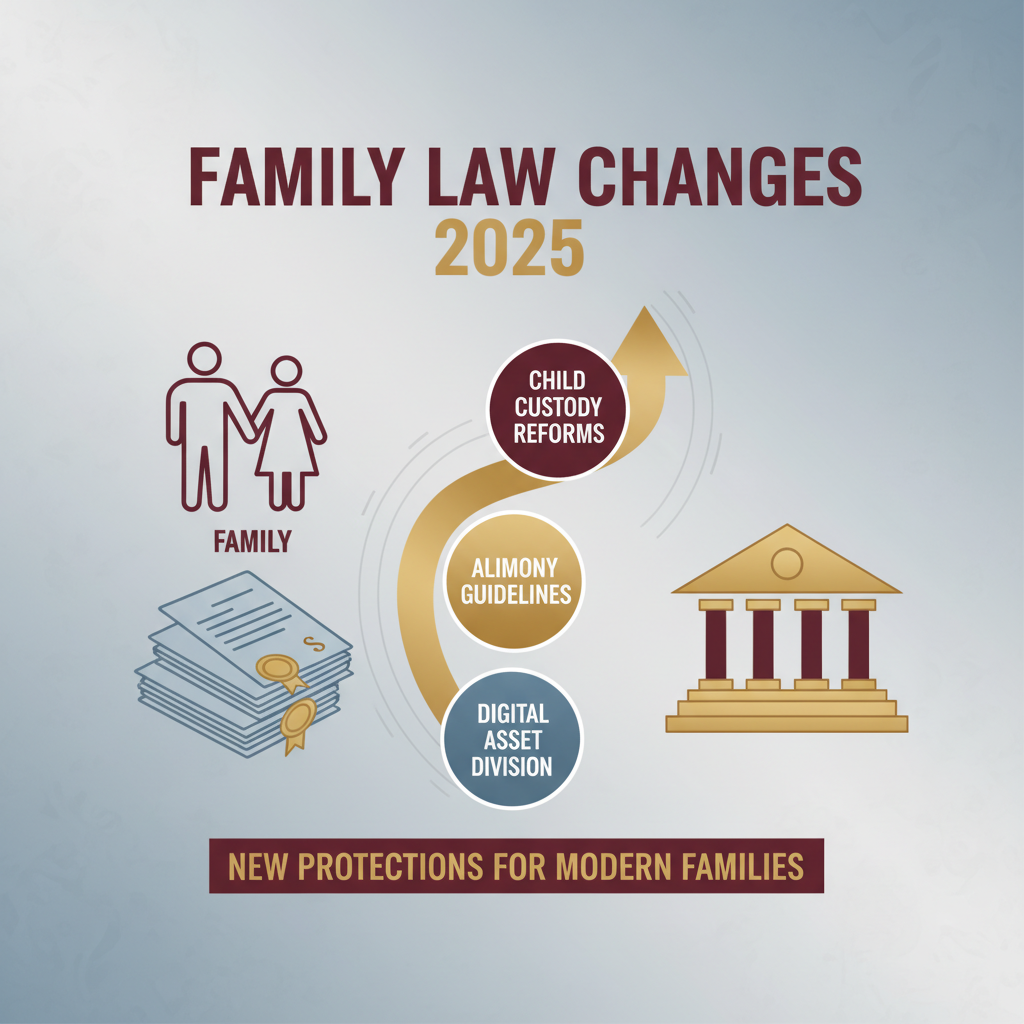
What Legal Regulations Apply in 2025?
2025 legal changes create substantial new regulatory obligations for businesses across all industries and sizes. Understanding applicable regulations helps businesses achieve compliance and avoid costly violations. Business owners and managers should assess their specific situations and implement required changes before compliance deadlines.
Mandatory E-Verify compliance for all employers represents the most significant business compliance requirement in 2025 legal changes. All employers, regardless of size or industry, must verify new hire eligibility through the E-Verify system. This mandatory requirement eliminates previous voluntary frameworks and creates uniform verification obligations nationwide.
Increased employment verification penalties create substantial liability for non-compliance. Civil penalties for knowing hire of unauthorized workers increase significantly, while criminal penalties apply to employers demonstrating pattern-or-practice violations. These enhanced penalties create strong incentive for compliance and careful hiring practice documentation.
Hiring practice documentation requirements mandate record-keeping demonstrating good-faith verification efforts. Employers must maintain documentation showing E-Verify verification attempts, employee eligibility confirmation, and compliance with verification procedures. Detailed documentation provides evidence of good-faith compliance efforts and protects against liability allegations.
False information submission consequences create liability for employees providing fraudulent documentation and employers accepting false information. Both employers and employees face penalties for false information submission to E-Verify systems. Employers should implement procedures to detect false information and report violations appropriately.
Industry-specific compliance timelines require particular attention from agricultural employers. Agricultural employers receive 30-month compliance windows extending deadlines to mid-2028, recognizing industry transition challenges. Other employers face immediate compliance requirements, requiring expedited system implementation and staff training.
New Laws 2025: Business Compliance Requirements
Specific compliance requirements established through 2025 law changes require systematic implementation across hiring practices, employee verification, and documentation procedures. Understanding detailed requirements helps businesses implement compliant systems and avoid violations.
E-Verify system implementation for new hire verification requires employers to establish accounts, train personnel, and integrate verification into hiring procedures. The system requires completion within three business days of hire, creating procedural requirements affecting hiring timelines. Employers should implement procedures ensuring verification completion within required timelines.
Employee eligibility documentation procedures must comply with E-Verify requirements and federal I-9 form standards. Employers must collect required documentation, verify identity and work authorization, and maintain records demonstrating verification completion. Proper documentation protects employers and ensures compliance with verification requirements.
Employer liability for unauthorized worker employment creates substantial motivation for careful hiring practices. Employers demonstrating pattern-or-practice knowing employment of unauthorized workers face criminal liability. Employers should implement verification procedures demonstrating good-faith compliance efforts and document all verification activities.
Record-keeping and verification documentation requirements mandate retention of all verification records for specified periods. Employers must maintain documentation showing verification attempts, completion dates, and employee eligibility confirmation. Detailed records provide evidence of compliance and protect against liability allegations.
Penalty structures for compliance violations include civil penalties ranging from substantial amounts per unauthorized worker, with criminal penalties applying to knowing violations. Employers should calculate potential violation exposure and implement compliance measures to avoid costly penalties. Compliance costs are substantially lower than potential penalty exposure.
Employment Law Updates Affecting Businesses
Employment law modifications in 2025 extend beyond immigration verification to broader employment practice requirements. Understanding employment law updates helps businesses maintain compliant practices across all employment areas.
Mandatory employment verification system rollout requires all employers to implement E-Verify verification regardless of current practices or previous voluntary participation. The mandatory requirement creates uniform obligations affecting all employers, eliminating previous voluntary frameworks and creating clear compliance expectations.
Compliance deadlines by business size create different timelines for implementation. Most employers face immediate compliance requirements, while agricultural employers and smaller employers receive limited extensions. Employers should assess their specific situations and implement compliance measures according to applicable deadlines.
Extension request procedures for smaller employers provide limited flexibility for businesses with 50 or fewer employees. These employers may request one-time six-month extensions allowing additional time for system implementation and staff training. Employers should understand extension request procedures and timelines for requesting extensions before compliance deadlines expire.
Civil penalty increases for violations create substantial motivation for compliance. Penalties per unauthorized worker and per violation create cumulative exposure for non-compliant employers. Businesses should calculate potential exposure and implement compliance measures to avoid costly penalties.
Criminal penalties for knowing violations affect business owners and managers personally. Criminal liability for pattern-or-practice violations creates personal exposure for business decision-makers. Businesses should implement compliant systems and document good-faith compliance efforts to minimize criminal liability exposure.
Sector-Specific Changes: Agricultural and Other Industries
Different industries experience particular impacts from 2025 legal changes, requiring sector-specific compliance strategies. Understanding industry-specific implications helps businesses in particular sectors develop effective compliance approaches.
Agricultural employers receive 30-month compliance windows extending E-Verify implementation deadlines to mid-2028. This extended timeline recognizes agricultural industry dependence on seasonal labor and the substantial operational changes E-Verify implementation requires. Agricultural employers should use extended timelines to develop compliant hiring systems and train personnel.
Extended timelines for business transition provide agricultural employers opportunity to adjust hiring practices and develop compliant procedures. The extended deadline allows gradual system implementation and workforce transition planning. Agricultural employers should develop transition plans addressing seasonal labor needs and E-Verify compliance requirements.
Workforce planning implications require agricultural employers to assess how E-Verify compliance affects labor sourcing and hiring practices. Mandatory verification may reduce available labor pools or increase hiring costs. Agricultural employers should assess labor market implications and plan accordingly.
Visa category changes affect industry hiring practices and labor availability. Per-country cap increases and visa allocation modifications affect visa availability for employment-based immigration. Industries relying on employment-based immigration should assess how visa changes affect labor sourcing and hiring timelines.
Per-country cap increases impacting labor sourcing create opportunities for industries previously facing visa backlogs. The increase from 7 percent to 15 percent per-country allocation accelerates processing for employment-based immigration from countries previously experiencing significant backlogs. Industries should assess how increased allocations affect labor sourcing and hiring timelines.
Understanding 2025 Law Changes: Key Takeaways
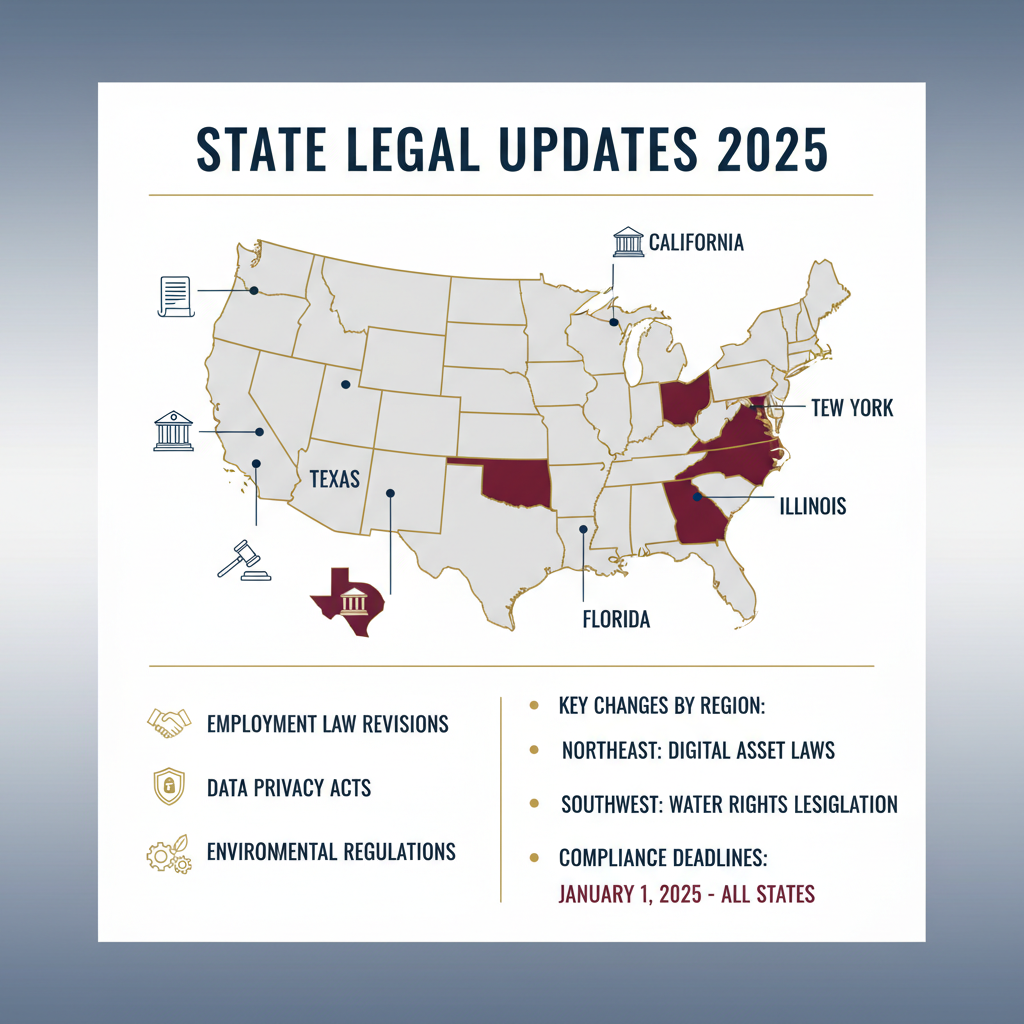
What New Legal Regulations Apply in 2025?
The comprehensive legal changes implemented in 2025 represent transformative modifications across immigration, criminal justice, family law, and employment practice. Understanding which regulations apply to your specific situation helps ensure compliance and protects your rights and interests.
Comprehensive immigration system overhaul through Dignity Act provisions creates both new legal status opportunities and enhanced enforcement mechanisms. The dual-track approach simultaneously offers the Dignity Program pathway for eligible undocumented residents while implementing expedited removal procedures and enhanced criminal penalties. Individuals affected by immigration law should assess whether they qualify for new legal status pathways and understand enhanced enforcement risks.
Enhanced criminal penalties for immigration violations fundamentally alter criminal defense strategy and sentencing exposure. Reentry and other immigration crimes carry dramatically increased penalties requiring immediate legal consultation for individuals facing charges. Criminal defense counsel should assess cases under new penalty frameworks and develop effective defense strategies addressing enhanced exposure.
Mandatory employment verification expansion affects all employers regardless of size. E-Verify implementation represents the most significant employment law change, requiring system implementation before compliance deadlines. Businesses should assess compliance obligations and implement required systems and procedures.
Family law modifications for immigrant families create new protections and considerations for family proceedings. Family law practitioners should understand how immigration law updates affect family cases and coordinate legal strategy with immigration counsel. Families should assess how changes affect their situations and consult qualified legal counsel.
State and local cooperation requirements with federal enforcement increase immigration enforcement visibility in daily community interactions. . Families should assess enforcement risks and develop contingency plans addressing potential enforcement scenarios.
Actionable Steps for Individuals
Individuals affected by 2025 law changes should take specific steps to understand how changes affect their situations and protect their rights and interests. Understanding available options and compliance obligations helps individuals navigate the transformed legal landscape confidently.
Review immigration status and eligibility for Dignity Program immediately. If you're undocumented and have maintained continuous U.S. presence since December 31, 2020, you may qualify for legal status and work authorization. Consulting immigration counsel immediately ensures you understand eligibility requirements and can begin application preparation. The Dignity Program represents a genuine legal status opportunity worth pursuing quickly, as availability and eligibility may change through future legislative action.
Gather documentation for legal status applications. Immigration applications require extensive documentation proving continuous presence, financial capacity, and criminal history. Beginning documentation gathering immediately positions you to submit applications quickly once you've consulted counsel and received guidance. Organized documentation expedites application preparation and strengthens your case.
Understand new criminal penalties and legal rights. If you've previously entered the U.S. without authorization or face reentry charges, understand that penalties have increased dramatically. Consult criminal defense counsel immediately to assess your situation under new penalty frameworks. Prompt legal consultation helps you understand exposure and explore available defense options.
Consult immigration attorney for case-specific guidance. Immigration law changes create complex implications requiring professional guidance. Immigration attorneys can assess your specific situation, explain how changes affect your case, and recommend appropriate actions. Prompt consultation ensures you understand available options and can make informed decisions about your situation.
Stay informed about implementation timelines. 2025 law changes implement over extended periods, with different provisions becoming effective at different times. Staying informed about implementation timelines helps you understand when changes affect your situation and plan accordingly.
Actionable Steps for Businesses
Businesses must take specific steps to achieve E-Verify compliance and implement required employment verification procedures. Understanding compliance obligations and implementation timelines helps businesses avoid costly violations and maintain compliant operations.
Implement E-Verify system before compliance deadlines. Most employers face immediate compliance requirements, while agricultural employers receive 30-month extensions. Regardless of your timeline, begin E-Verify implementation planning immediately. Establishing accounts, training personnel, and integrating verification into hiring procedures requires time and planning. Prompt implementation avoids last-minute compliance scrambles and rushed procedures.
Review current hiring practices for compliance. Assess whether your current hiring and verification procedures comply with new E-Verify requirements. Identify gaps between current practices and required procedures, then develop plans to address gaps before compliance deadlines. Comprehensive review ensures you understand compliance obligations and can implement effective compliance systems.
Update employee verification documentation procedures. Implement procedures ensuring E-Verify completion within three business days of hire and proper documentation of verification activities. Clear procedures, staff training, and documented processes ensure consistent compliance and demonstrate good-faith verification efforts.
Request extensions if eligible. If your business employs 50 or fewer people, you may request one-time six-month extensions. Eligible businesses should understand extension request procedures and timelines. Extensions provide additional implementation time if needed, though prompt implementation remains preferable.
Establish penalties and compliance monitoring systems. Implement internal procedures monitoring compliance, identifying violations, and correcting deficiencies. Regular compliance monitoring demonstrates good-faith compliance efforts and helps identify and correct problems before they create liability.
Review visa and employment-based immigration options. If your business relies on employment-based immigration, assess how 2025 changes affect visa availability and hiring timelines. The per-country cap increases may accelerate processing for previously backlogged countries. Consulting immigration counsel regarding visa options and timelines helps you leverage new opportunities for employment-based hiring.
Actionable Steps for Legal Professionals
Legal professionals must update their practice approaches to address 2025 law changes effectively. Understanding how changes affect practice areas helps attorneys provide competent client representation and maintain professional competence.
Update practice areas for new criminal sentencing guidelines. Criminal defense practitioners must understand enhanced penalties for immigration crimes and develop appropriate defense strategies. Prompt case assessment under new penalty frameworks ensures clients understand exposure and can make informed decisions about case resolution.
Develop strategies for expedited asylum proceedings. Immigration practitioners must adapt to 60-day asylum determination timelines, developing strategies for expedited evidence gathering, witness coordination, and legal argument development. Compressed timelines require different case management approaches than traditional asylum cases.
Advise clients on Dignity Program eligibility. Immigration counsel should assess clients for Dignity Program eligibility and explain available pathways. Many clients may qualify for legal status, making it essential that counsel understands program requirements and can guide clients through application procedures.
Monitor implementation and enforcement patterns. As 2025 law changes implement, enforcement patterns and judicial interpretations develop. Attorneys should monitor emerging case law, agency guidance, and enforcement trends to understand how changes affect clients and practice areas. Staying informed about implementation developments helps attorneys provide current, accurate counsel.
Prepare for increased litigation and constitutional challenges. As enforcement expands and penalties increase, constitutional challenges to new procedures and penalties will emerge. Attorneys should monitor developing litigation, understand constitutional theories being advanced, and prepare to raise relevant constitutional arguments in client cases. Litigation addressing due process concerns, Sixth Amendment rights, and other constitutional issues will shape how 2025 changes ultimately affect clients.
Navigating Legal Challenges in 2025
Due Process Concerns with New Immigration Procedures
2025 immigration law changes raise substantial due process concerns that legal challenges are beginning to address. Understanding these concerns helps individuals understand potential constitutional protections and helps attorneys develop effective arguments challenging new procedures.
Expedited removal and limited review opportunities create due process concerns about adequate opportunity for legal representation and case presentation. The expedited removal procedures eliminate or substantially compress opportunities for individuals to present evidence, obtain legal counsel, and challenge removal determinations. Due process challenges argue that compressed timelines deny adequate opportunity to present defense and violate fundamental fairness requirements.
60-day asylum determination timeline implications affect opportunities for case development and legal representation. The compressed timeline creates challenges for attorneys to gather evidence, locate witnesses, and develop legal arguments. Sixth Amendment right-to-counsel concerns argue that compressed timelines deny adequate time for counsel to prepare cases effectively. Due process arguments challenge whether the compressed timeline provides adequate opportunity for meaningful case presentation.
DNA testing and privacy considerations raise Fourth Amendment concerns about privacy expectations and government authority for invasive physical procedures. Privacy advocates argue that DNA collection violates privacy expectations and should require individualized warrants rather than categorical authorization. Emerging litigation will address whether DNA testing procedures comply with constitutional privacy protections.
Criminal prosecution expansion and constitutional questions raise concerns about Sixth Amendment rights, Due Process protections, and other constitutional limitations on government prosecution authority. As prosecutions expand, constitutional challenges addressing right-to-counsel, adequate time for case preparation, and other Sixth Amendment protections will emerge. Attorneys should monitor developing constitutional litigation addressing these issues.
Potential legal challenges and litigation trends will shape how 2025 changes ultimately affect individuals and enforcement. Constitutional litigation addressing due process, privacy, and criminal procedure issues will develop over coming months and years. Attorneys and individuals should monitor emerging case law and understand potential constitutional protections available through litigation.
Common Questions About 2025 Legal Updates
As 2025 law changes implement, individuals ask common questions about how changes affect their situations and what actions they should take. Understanding answers to common questions helps individuals navigate the changed legal landscape.
What new immigration laws in 2025 affect me directly? The answer depends on your specific situation. If you're undocumented with continuous U.S. presence since December 31, 2020, the Dignity Program may offer legal status opportunities. If you're facing immigration proceedings, expedited asylum determination timelines and other procedural changes affect your case. If you employ workers, E-Verify compliance requirements affect your hiring practices. Consulting legal counsel regarding your specific situation helps you understand which changes directly affect you.
How do criminal defense changes impact reentry cases? Criminal defense practitioners must understand that reentry penalties have increased from two years maximum to 10 years maximum. This five-fold increase dramatically affects sentencing exposure and plea negotiation dynamics. Individuals facing reentry charges should consult criminal defense counsel immediately to assess their cases under new penalty frameworks and explore available defense options.
What family law changes apply to my situation? Family law changes primarily affect immigrant families and individuals with immigration-related family matters. If you're navigating family sponsorship, custody matters involving immigration status, or family separation concerns, family law changes may directly affect your situation. Family law practitioners should coordinate with immigration counsel to ensure family law strategy supports immigration objectives.
When do businesses need E-Verify compliance? Most employers face immediate E-Verify compliance requirements. Agricultural employers receive 30-month extensions to mid-2028. Employers with 50 or fewer employees may request one-time six-month extensions. Regardless of your specific timeline, begin E-Verify implementation planning immediately to ensure compliance before your deadline.
What are my rights under new immigration procedures? Individuals facing immigration proceedings have constitutional rights including due process protections, right to legal counsel, and privacy protections. While 2025 changes compress timelines and expedite procedures, constitutional protections remain applicable. Consulting immigration counsel ensures you understand your rights and can assert available protections in your case.
Resources for Staying Updated
As 2025 law changes implement and enforcement patterns develop, staying informed helps individuals and professionals understand emerging developments and adjust strategies accordingly. Multiple resources provide updates about law changes and enforcement patterns.
Government agency announcements and policy memoranda provide official guidance about law implementation. The Department of Justice, Department of Homeland Security, Department of Labor, and other agencies issue guidance explaining how new laws implement and what compliance requirements apply. Monitoring agency websites and subscribing to agency updates keeps you informed about implementation developments.
Immigration legal aid organizations provide free or low-cost legal assistance and maintain current information about immigration law changes. Organizations like [link: American Immigration Lawyers Association] and local legal aid societies provide client assistance and professional resources about immigration law updates.
Business compliance guidance resources help employers understand E-Verify requirements and employment verification obligations. The E-Verify website provides comprehensive guidance, training materials, and compliance resources. Employment law attorneys and business associations provide compliance guidance addressing business-specific obligations.
State bar associations and legal updates provide professional resources about law changes affecting specific practice areas. State bars often issue guidance about significant law changes affecting practitioners in particular practice areas. Subscribing to bar association updates keeps practitioners informed about developments affecting their practices.
Community organizations tracking law changes provide information about how changes affect specific communities. Immigration advocacy organizations, civil rights groups, and community organizations often track law implementation and provide community-specific information about how changes affect community members.
Conclusion: Preparing for 2025 Legal Changes
Summary of Major 2025 Law Updates
The comprehensive legal changes implemented in 2025 represent transformative modifications across immigration, criminal justice, family law, and employment practice. Understanding these major changes positions you to navigate the transformed legal landscape confidently and protect your rights and interests.
Comprehensive immigration reform through Dignity Act framework creates both opportunities and enhanced enforcement mechanisms. The dual-track approach simultaneously offers the Dignity Program pathway for eligible undocumented residents while implementing expedited procedures and enhanced penalties. This represents the most significant immigration law modification in recent years, fundamentally reshaping how immigration cases proceed and what legal status options are available.
Criminal penalty enhancements and enforcement expansion dramatically increase consequences for immigration-related offenses while expanding prosecutorial resources. Reentry penalties increase five-fold, creating substantial sentencing exposure that fundamentally affects criminal defense strategy. Federal prosecutorial resources expand substantially, enabling aggressive prosecution of immigration crimes.
Family law modifications for immigrant families address concerns about family separation and create new protections for Documented Dreamers and family-based immigration. America's Children Act provisions protect aging-out beneficiaries, while per-country cap increases accelerate family-based immigration processing.
Business compliance requirements through E-Verify expansion create mandatory verification obligations for all employers. This represents the most significant employment law change, requiring system implementation across all industries and business sizes. Agricultural employers receive extended timelines recognizing industry transition challenges.
State and local enforcement coordination increases immigration enforcement visibility in daily community interactions. Expanded state and local police involvement in immigration enforcement creates increased enforcement presence affecting community members throughout North Carolina, Florida, and nationwide.
Next Steps for Compliance and Protection
Understanding 2025 law changes is essential, but taking action protects your rights and interests. Specific next steps help you navigate legal changes effectively and position yourself for favorable outcomes.
Consult legal professionals for case-specific guidance. Immigration attorneys, criminal defense counsel, family law practitioners, and employment law attorneys can assess your specific situation and recommend appropriate actions. Professional guidance ensures you understand available options and can make informed decisions about your situation.
Review personal or business situation against new requirements. Assess whether 2025 changes directly affect your situation. Individuals should evaluate immigration status, potential criminal exposure, and family law implications. Businesses should assess E-Verify compliance obligations and employment verification requirements. Comprehensive review helps you understand which changes require action.
Gather necessary documentation and information. Begin collecting documentation supporting your legal position. Immigration applicants should gather evidence of continuous presence. Businesses should organize employee records and verification documentation. Criminal defendants should gather evidence supporting defense theories. Organized documentation positions you to present the strongest possible case.
Monitor implementation timelines and regulatory updates. . . Subscribe to agency updates, monitor legal resources, and consult counsel about emerging developments.
Plan for compliance deadlines and procedural changes. Businesses must implement E-Verify before compliance deadlines. Individuals should understand new procedures affecting their cases. Families should assess how changes affect their situations. Proactive planning ensures you meet compliance obligations and adapt to procedural changes effectively.
Final Thoughts on Navigating Legal Changes
2025 represents significant transformation in the legal landscape affecting immigration, criminal justice, family law, and employment practice. While these changes create challenges and uncertainties, they also create opportunities for individuals, families, and businesses willing to navigate them strategically.
The Dignity Program offers genuine legal status opportunities for eligible undocumented residents. Individuals meeting eligibility requirements should consult immigration counsel immediately to assess qualifications and begin application preparation. This represents a meaningful opportunity worth pursuing promptly.
Enhanced criminal penalties create substantial exposure for individuals facing immigration-related charges. Criminal defense counsel should assess cases under new penalty frameworks immediately, developing effective defense strategies addressing enhanced exposure. Prompt legal consultation helps individuals understand their situations and explore available options.
Family law modifications create new protections for Documented Dreamers and immigrant families. Families should assess how changes affect their situations and consult qualified counsel regarding family law and immigration strategy. Coordinated legal strategy addressing both family law and immigration objectives produces optimal outcomes.
Employment verification requirements create compliance obligations for all businesses. Employers should implement E-Verify systems promptly, develop compliant hiring procedures, and monitor compliance consistently. Proactive compliance avoids costly violations and protects business operations.
Ongoing monitoring remains essential as regulations implement and enforcement patterns develop. Constitutional litigation addressing due process concerns, privacy protections, and criminal procedure issues will shape how 2025 changes ultimately affect individuals and enforcement. Staying informed about developments helps you adjust strategies as the legal landscape continues evolving.
The transformed legal landscape creates both challenges and opportunities. Individuals, families, and businesses that understand 2025 law changes and take proactive steps to address them will navigate the changed environment successfully. Consulting qualified legal professionals, staying informed about developments, and taking deliberate action protects your rights and positions you for favorable outcomes in this transformed legal environment.
At Vasquez Law Firm, PLLC, we understand how 2025 law changes affect our clients' situations. Our team of experienced immigration, criminal defense, family law, and personal injury attorneys provides comprehensive legal guidance addressing your specific needs. Whether you're evaluating Dignity Program eligibility, facing criminal charges under enhanced penalties, navigating family law matters with immigration implications, or managing business compliance obligations, our team provides the expertise and dedication you need. [link: Contact Vasquez Law Firm today] to schedule a consultation and discuss how we can help you navigate 2025's transformed legal landscape. With military discipline and legal expertise, we fight for your personal injury claims and protect your rights—24/7. Your future is our priority.
<!-- Brand Footer -->
<footer class="brand-footer">
  <p>Published by <strong class="author-company">Vasquez Law Firm, PLLC </strong></p>
  <img src="https://qqrejcxtitkvwjuoiabl.supabase.co/storage/v1/object/public/images/brand-logos/10869749-5bca-401c-9924-0e4fe879f407/1764077996497-logo.jpeg" alt="Vasquez Law Firm, PLLC  Logo" style="max-height: 40px; margin-top: 1rem; opacity: 0.7;" />
</footer>
Free Legal Consultation
Discuss your case with our experienced attorneys. We're available 24/7.
Vasquez Law Firm
Legal Team
Our experienced attorneys at Vasquez Law Firm have been serving clients in North Carolina and Florida for over 20 years. We specialize in immigration, personal injury, criminal defense, workers compensation, and family law.