General5 min read

Latest Trends in U.S. Immigration Law in 2025: Key Changes, Risks, and Opportunities for Families, Workers, and Asylum Seekers

Introduction: Why 2025 Is a Pivotal Year for U.S. Immigration Law The year 2025 is shaping up to be one of the most consequential in recent U.S.

Vasquez Law Firm

Published on December 6, 2025

0 views
Latest Trends in U.S. Immigration Law (2025): Key Changes Families, Workers, and Immigrants Must Know

Imigrar Logo
<!-- Article Header -->
<div class="article-header">
  <!-- Metadata Bar -->
  <div class="metadata-bar" style="display: flex; align-items: center; gap: 1rem; margin-bottom: 1rem; flex-wrap: wrap;">
    <span style="background: #1a3a52; color: white; padding: 0.25rem 0.75rem; border-radius: 0.25rem; font-size: 0.875rem; font-weight: 600;">Educational</span>
    <span style="color: #cbd5e1; font-size: 0.875rem;">21 min read</span>
    <span style="color: #cbd5e1; font-size: 0.875rem;">0 views</span>
  </div>

  <h1 class="article-title">Latest Trends in U.S. Immigration Law (2025): Key Changes Families, Workers, and Immigrants Must Know</h1>

  <div class="article-meta">
    <span class="author-company">Imigrar</span>
    <span>•</span>
    <time>December 6, 2025</time>
  </div>
</div>

<!-- Featured Image -->

<div class="featured-image" style="margin: 2rem 0;">
  <img src="https://qqrejcxtitkvwjuoiabl.supabase.co/storage/v1/object/public/images/blog-c230496e-c580-4deb-9c2a-2200e4866267-0-1764950587910.png" alt="Latest Trends in U.S. Immigration Law (2025): Key Changes Families, Workers, and Immigrants Must Know" style="width: 100%; height: auto; border-radius: 0.5rem; box-shadow: 0 4px 6px rgba(0, 0, 0, 0.1);" />
</div>


<!-- Blog Content -->
<article class="blog-content">
  <h2>Introduction: Why 2025 Is a Pivotal Year for U.S. Immigration Law</h2>

The year 2025 is shaping up to be one of the most consequential in recent U.S. immigration history. With fast-moving shifts in policy, enforcement priorities, and processing capacity, the landscape is changing rapidly for millions of immigrants, families, and employers across the country. Whether you are pursuing a green card, applying for a work visa, seeking asylum, or simply trying to understand your rights, the latest trends in law are directly affecting your options, timelines, and risks.

When we speak of the latest trends in law in the context of U.S. immigration, we mean more than just new statutes or court rulings. We are referring to a broader set of developments: changes in agency policy, shifts in adjudication standards, evolving enforcement practices, and real-world impacts on processing times, eligibility, and access to relief. These trends are not theoretical—they are already influencing who gets approved, who faces delays, and who is at greater risk of removal.

The evolving 2025 immigration landscape

2025 is marked by heightened enforcement, increased scrutiny of applications, and ongoing uncertainty around humanitarian programs like DACA, TPS, and various parole initiatives. At the same time, demand for legal immigration pathways—family-based petitions, employment visas, and asylum—remains high, creating a system under immense strain. Processing backlogs continue to grow, interviews are more common, and biometrics and security checks are more extensive than in previous years.

For applicants, this means longer waits, more requests for evidence (RFEs), and a higher burden of proof. For families, it means prolonged separations and greater anxiety about status and enforcement. For workers, it means tighter rules on H-1B, L-1, and other work visas, as well as uncertainty around green card timelines and dependent work authorization. And for asylum seekers and refugees, it means reduced access to protection, stricter eligibility criteria, and longer waits in limbo.

Big-picture themes shaping immigration law trends in 2025

Several major themes are driving the current legal trends in the United States in 2025. First, there is a clear emphasis on increased enforcement—both at the border and in the interior—through more raids, detentions, deportations, and expanded information sharing between agencies. Second, humanitarian relief programs are under pressure, with some being restricted, terminated, or left in legal limbo due to ongoing litigation.

Third, legal pathways are facing greater scrutiny. Adjudicators are applying stricter standards across visas, green cards, and humanitarian benefits, often with less deference to prior approvals. Fourth, processing times and backlogs remain a major challenge across USCIS, the Department of Labor, consulates, and immigration courts, prolonging uncertainty for families, workers, and asylum seekers.

This guide will walk you through the recent developments in immigration law that matter most in 2025, including changes to family-based immigration, asylum and refugee law, employment-based visas, green cards, enforcement, and processing delays. We will also cover the latest immigration reform updates and practical steps you can take to protect yourself and your family. Remember: this is an informational resource, not legal advice. For case-specific questions, always consult a qualified immigration attorney.

Section 1: Latest Trends in U.S. Immigration Law for 2025 – At a Glance

Understanding the latest trends in law for 2025 is essential for anyone navigating the U.S. immigration system. The changes are not isolated; they form a broader pattern that affects every category of immigration—from family reunification and work visas to asylum and permanent residence. Below is a concise overview of the most important trends shaping U.S. immigration in 2025.

Top 2025 immigration law trends everyone should know

  • Increased border and interior enforcement: ICE and CBP have expanded operations, including more workplace raids, home visits, and traffic stop referrals. Local law enforcement is playing a larger role in immigration enforcement, and information sharing between agencies has increased, raising concerns for mixed-status families.
  • Stricter adjudication standards: Across visas, green cards, and humanitarian programs, USCIS and consular officers are applying tighter scrutiny. This means more RFEs, higher evidentiary burdens, and a greater risk of denials, especially for borderline cases.
  • Possible elimination or restriction of humanitarian benefits: Programs like DACA, TPS, and various parole initiatives (e.g., CHNV, family reunification parole) are under threat. Some have been terminated or restricted, while others remain in legal limbo, creating uncertainty for hundreds of thousands of beneficiaries.
  • Longer processing times and backlogs: USCIS, DOL, and immigration courts continue to face significant backlogs. Adjustment of status, family petitions, employment-based green cards, and asylum cases are all experiencing longer waits, often stretching into years.
  • Shifts in country-of-origin patterns: The demographics of recent arrivals are changing, with increasing numbers from Latin America, Asia, and Africa. This is influencing visa availability, wait times, and enforcement priorities.
  • Ongoing push for broader immigration law reform: Congress and the administration are debating comprehensive reform, but outcomes remain uncertain. Proposals include changes to legal immigration levels, enforcement measures, and the future of DACA and TPS.

How these trends impact different immigrant groups

These trends do not affect everyone equally. Family-based immigrants face longer waits and stricter public-charge scrutiny. Employment-based applicants deal with more RFEs, audits, and uncertainty around dependent work authorization. Asylum seekers and refugees encounter reduced access to protection, higher barriers to eligibility, and longer waits in court.

Undocumented immigrants and mixed-status families are particularly vulnerable. Increased enforcement, new registration rules, and expanded information sharing mean that even routine interactions with government agencies can carry immigration consequences. Green card holders are not immune; those with certain criminal records or prior violations face heightened risks of detention and deportation.

The key takeaway is this: in 2025, immigration is not just about eligibility—it is about risk management. That means documenting your status, staying informed about the latest immigration reform updates, and seeking legal guidance proactively. In the sections that follow, we will break down how these latest trends in law are playing out in specific areas of immigration.

Section 2: Family-Based Immigration Law Changes and Mixed-Status Families

Family-based immigration remains a cornerstone of U.S. policy, but 2025 has brought significant changes that affect how quickly families can reunite and what risks they face in the process. For sponsors and beneficiaries, understanding the family-based immigration law updates is critical to planning and protecting your family.

Recent trends in family-based petitions and reunification

Family-based petitions, especially I-130s for spouses and children, are facing longer processing times and more rigorous documentation requirements. USCIS is scrutinizing evidence of bona fide marriages, financial support, and continuous presence more closely than in previous years. This has led to more RFEs and, in some cases, denials based on perceived inconsistencies or insufficient proof.

The Visa Bulletin remains a key tool for tracking wait times in family-based categories. In 2025, many categories—particularly for adult children and siblings of U.S. citizens from high-demand countries—are experiencing significant retrogression, meaning that even approved petitions may not result in visa availability for years. This prolongs family separations and creates uncertainty for those planning to adjust status or apply for immigrant visas.

Public-charge rules and financial support requirements have also tightened. Sponsors must now demonstrate stronger financial capacity, and applicants are being asked to provide more detailed documentation of income, assets, and public benefits usage. This affects not only the applicant’s eligibility but also the sponsor’s willingness and ability to file.

How 2025 policy shifts affect family-based cases

Recent immigration law changes have made family-based cases more complex and risky. Processing delays mean that even straightforward petitions can take many months or years. RFEs are more common, and denials are more likely when documentation is incomplete or inconsistent.

Enforcement and information-sharing policies also indirectly affect family-based cases. For example, fear of contact with government agencies may deter some family members from applying for benefits or updating their address, which can lead to missed notices and unintended denials. Interviews at USCIS offices or consulates may involve more probing questions about household composition, employment, and prior immigration history.

Families relying on parole or humanitarian pathways—such as family reunification parole—are facing additional hurdles as some of these programs are restricted or terminated. This leaves many families in limbo, unable to regularize their status through traditional family-based channels.

New rules and risks for mixed-status families

Mixed-status families—where some members are U.S. citizens or lawful permanent residents and others are undocumented—face unique challenges in 2025. New enforcement trends mean that ICE is more active in homes, workplaces, and traffic stops, and that information shared with one agency (e.g., Social Security, DMV, or local government) may be accessible to immigration authorities.

For undocumented family members, this creates a difficult choice: whether to engage with government services, schools, or healthcare providers, knowing that doing so could increase exposure to enforcement. Public-charge concerns may also deter eligible family members from using Medicaid, SNAP, or other benefits, even when they are legally entitled to them.

Practical steps for mixed-status families include: creating a family emergency plan (including power of attorney for children), keeping copies of all immigration documents, knowing your rights during encounters with ICE, and consulting an attorney before traveling abroad or attending agency appointments. For more guidance, see our resource on [link: protecting mixed-status families in 2025].

Section 3: Asylum and Refugee Law Trends in 2025

Section 1: Latest Trends in U.S. Immigration Law for 2025 – At a Glance

Asylum and refugee law in 2025 is defined by reduced access, stricter eligibility standards, and longer waits for relief. For those fleeing persecution, understanding the U.S. asylum law changes 2025 is essential to navigating the system safely and effectively.

Shifts in asylum eligibility, procedures, and grant rates

Both affirmative and defensive asylum processes are experiencing longer backlogs and heightened evidentiary standards. Affirmative asylum applicants (those applying from within the U.S.) face longer waits for interviews and decisions, while defensive asylum cases in immigration court are delayed by years due to court backlogs.

Eligibility criteria have become more restrictive. Concepts like “safe third country” and transit rules are being used more aggressively to bar applicants who passed through other countries before reaching the U.S. Border processing of asylum claims is more limited, and expedited removals are being applied more broadly, often resulting in detention and rapid deportation.

Grant rates have declined in many jurisdictions, and adjudicators are applying stricter interpretations of what constitutes persecution and a well-founded fear of future harm. This means that applicants must provide more detailed, consistent, and credible evidence of their claims, often supported by country conditions reports and expert testimony.

Refugee resettlement and humanitarian parole changes

Refugee admissions in 2025 are being shaped by global crises and U.S. policy priorities. While some regions receive higher priority, others face longer waits and more limited quotas. This affects when and how refugees can be resettled and what support they receive upon arrival.

Humanitarian parole programs, such as those for Cubans, Haitians, Nicaraguans, and Venezuelans (CHNV), have been curtailed or terminated in some cases, leaving many families without clear pathways to protection. Family reunification parole initiatives have also been scaled back, making it harder for U.S. citizens and lawful permanent residents to bring relatives to safety.

Some policies that once helped stateless persons or those with complex nationality issues have been canceled, leaving vulnerable populations without viable options. This underscores the importance of exploring all available legal avenues and seeking representation from experienced asylum attorneys.

Answering key questions on asylum and refugee law

How have asylum and refugee laws changed recently in the United States? In short: access has been reduced, criteria have been tightened, fees and processing times have increased, and enforcement at the border and in the interior has intensified. Asylum seekers now face more barriers to entry, longer waits in court, and a higher burden of proof.

Practical tips for asylum seekers and refugees include: documenting all incidents of persecution, keeping copies of all applications and notices, tracking case status through official channels, preparing thoroughly for interviews and hearings, and seeking reputable legal representation. Be especially cautious of scams targeting vulnerable populations during times of rapid policy change.

If you are considering an asylum or refugee application, consult an attorney early to assess your eligibility, prepare a strong case, and understand the risks and timelines involved. For more information, see our guide on [link: navigating asylum in 2025].

Section 4: Employment-Based Immigration and Work Visa Updates

For skilled workers, entrepreneurs, and employers, 2025 has brought increased scrutiny, longer timelines, and greater uncertainty in employment-based immigration. Understanding the employment-based immigration law trends is crucial for maintaining status, advancing careers, and planning long-term.

New trends in employment-based immigration in 2025

Business immigration petitions—especially H-1B, L-1, and other work visas—are facing more RFEs, denials, and audits. USCIS is applying stricter standards for specialty occupation, wage levels, and employer-employee relationships, often with less deference to prior approvals.

There are signs that “Buy American and Hire American” policies may be reinstated or reinforced, which could raise the bar for proving that a position qualifies as a specialty occupation and that the offered wage meets or exceeds the prevailing wage. This affects not only initial petitions but also extensions and changes of employer.

PERM labor certification is also under greater scrutiny, with more audits and longer prevailing wage determinations. This directly impacts employment-based green card timelines, as delays at the PERM stage push back the entire process, sometimes by many months or even years.

How recent changes affect work visas and employment-based green cards

Recent immigration law changes are making work visas harder to obtain and maintain. RFEs are more frequent and more detailed, often requiring extensive documentation of job duties, qualifications, and wage compliance. Denials are more common, especially for borderline cases or when documentation is incomplete.

For green card applicants, the latest U.S. immigration law updates for green card applicants include more interviews, more biometrics, and more extensive security checks. Processing times remain long, and visa number availability (as reflected in the Visa Bulletin) continues to be a major constraint, particularly for applicants from high-demand countries.

Dependent work authorization is also under pressure. There are ongoing discussions about eliminating or curtailing H-4 EADs, and EAD auto-extension policies may be changed or narrowed. This affects families of skilled workers who rely on H-4 EADs for employment and financial stability.

Practical strategies for employers and workers

Given these trends, early planning is essential. Employers and workers should start preparing for H-1B cap season well in advance, ensuring that all documentation is complete and that wage levels meet or exceed the prevailing wage. For green card sponsorship, begin the process as early as possible and be prepared for longer timelines and more rigorous scrutiny.

Robust documentation is key: maintain detailed records of job duties, qualifications, performance reviews, and wage history. This helps withstand RFEs, audits, and site visits. Employers should also prepare for more FDNS site visits and I-9 audits as part of increased worksite enforcement.

Workers should consult an attorney before changing employers, traveling abroad, or accepting new job offers, especially if they are in the middle of a green card process. For more guidance, see our resource on [link: employment-based immigration in 2025].

Section 5: Enforcement Trends and Risks for Undocumented Immigrants in 2025

Section 2: Family-Based Immigration Law Changes and Mixed-Status Families

For undocumented immigrants, 2025 is defined by heightened enforcement, new registration rules, and greater risks in everyday life. Understanding the immigration executive orders 2025 and enforcement trends is critical to staying safe and informed.

What immigrants need to know about 2025 enforcement trends

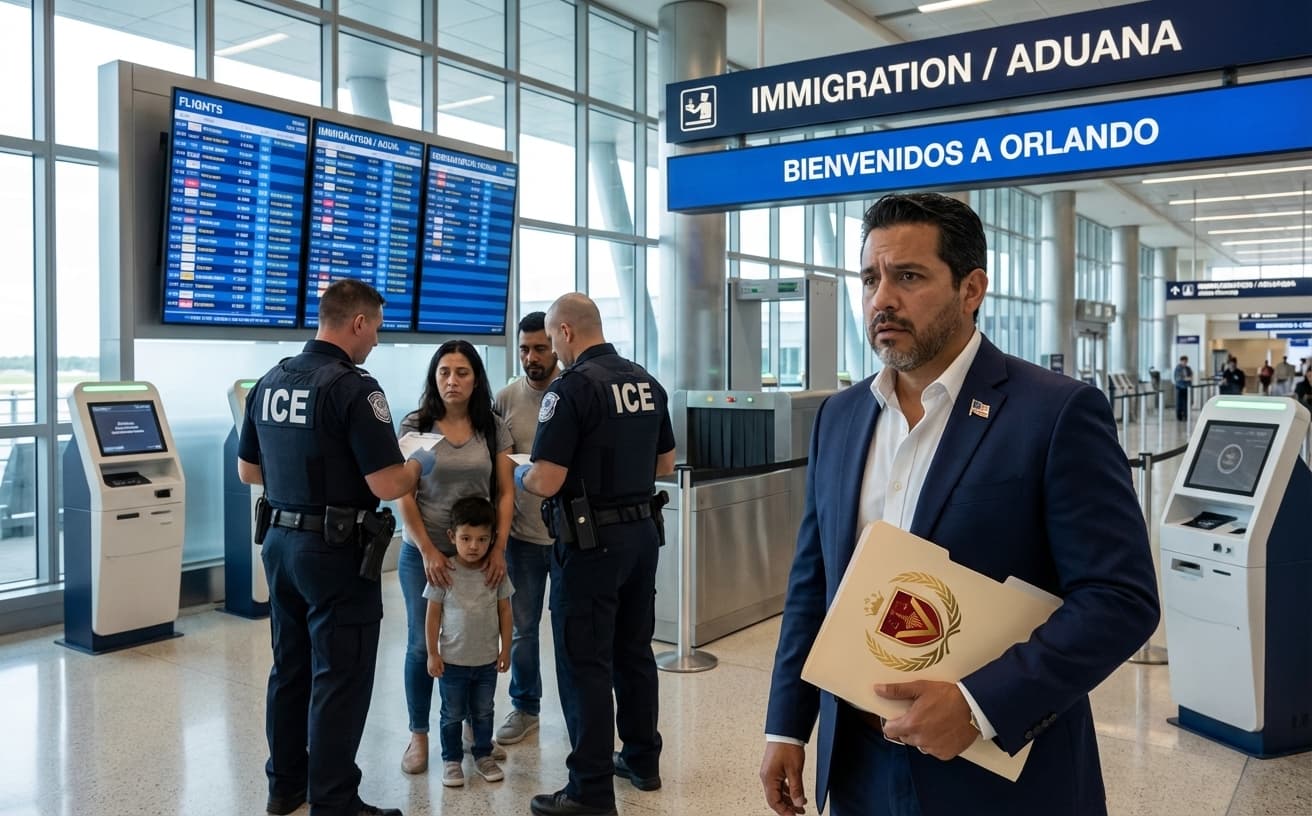
Immigration enforcement in 2025 is more aggressive, with more raids, detentions, and deportations at homes, workplaces, and traffic stops. ICE is expanding its operations, and local law enforcement is playing a larger role in identifying and referring undocumented individuals.

There is also greater involvement of federal agencies beyond ICE and CBP, including USCIS officers in enforcement roles and, in some cases, National Guard or military support at the border. Information sharing between agencies—such as ORR, SSA, and ICE—has increased, making it easier to identify undocumented individuals through routine government interactions.

While IRS data sharing remains partially limited, other databases (DMV, Social Security, local government records) are being used more extensively for enforcement purposes. This means that even routine activities like getting a driver’s license, applying for benefits, or enrolling children in school can carry immigration risks.

New registration rules and their impact on undocumented immigrants

One of the most significant changes in 2025 is the introduction of new immigration registration requirements, effective April 11, 2025, for certain categories of immigrants. These rules are designed to identify and deport undocumented immigrants who register with the government, creating a difficult dilemma for many.

Those already in the system—green card holders, individuals with EADs, parolees, or those in immigration court—are generally considered “registered.” The new rules target those who are undocumented and may be required to register under certain conditions, potentially exposing them to enforcement action.

For undocumented individuals in mixed-status households, this creates additional fear and uncertainty. Family members may hesitate to engage with government services or update their address, which can lead to missed notices and unintended consequences for the entire household.

Rights, safety planning, and harm reduction

It is essential to know your rights during encounters with ICE or CBP. You have the right to remain silent, the right to speak with a lawyer, and the right not to open your door without a warrant. You are not required to carry immigration documents at all times, but it is wise to keep them in a safe place.

Safety planning is crucial: create a family emergency plan that includes power of attorney for children, a list of backup contacts, and a folder of all immigration documents. Keep digital copies in a secure location. Know where to find local nonprofits, hotlines, and know-your-rights workshops that can provide support during enforcement actions.

If you are undocumented, consult an attorney before traveling abroad, applying for benefits, or engaging with government agencies. For more information, see our guide on [link: rights and safety for undocumented immigrants in 2025].

Section 6: Green Card Applicants, Public Benefits, and Public Charge Concerns

Section 3: Asylum and Refugee Law Trends in 2025

For green card applicants, 2025 is a year of longer waits, stricter scrutiny, and evolving rules on public benefits and public charge. Understanding the new immigration regulations for green cards is essential to avoiding denials and protecting your status.

Current trends for permanent residence and adjustment of status

Adjustment of status and consular immigrant visas are experiencing longer processing times due to reduced staffing, more interviews, and stricter biometrics and security checks. This affects both family-based and employment-based applicants, often extending waits by many months or even years.

Visa number availability, as reflected in the Visa Bulletin, remains a major constraint, particularly for applicants from high-demand countries. Retrogression in family-based and employment-based categories means that even approved petitions may not result in immediate visa availability.

Green card holders are not immune to enforcement. Those with certain criminal records or prior immigration violations face heightened risks of detention and deportation, especially if they travel abroad or encounter law enforcement.

Public benefits, taxes, and the evolving public charge landscape

New or proposed restrictions are limiting access to public benefits like Medicaid, SNAP, ACA plans, and Head Start for many lawful immigrants, including refugees and TPS holders. This affects family finances and access to healthcare and nutrition programs.

A potential new public charge rule could make it harder to obtain a green card for some who received specific public benefits, though it has not yet fully taken effect. This creates uncertainty for applicants and sponsors, who must carefully weigh the risks of using benefits against the need for support.

Tax changes are also increasing costs and removing key credits for immigrants without Social Security numbers, affecting family budgets and long-term planning. It is important to consult a tax professional familiar with immigration issues to understand your obligations and options.

Answering key questions for green card applicants

What are the latest U.S. immigration law updates for green card applicants? In short: stricter scrutiny, longer waits, changing public benefits rules, and heightened enforcement risks at interviews or ports of entry. Applicants must be prepared for more RFEs, more interviews, and more extensive documentation.

Practical tips include: tracking your case status through official channels, responding carefully to RFEs, preparing thoroughly for interviews, and documenting continuous presence and good moral character when relevant. Consult an attorney before using public benefits, traveling abroad, or changing employment in employment-based cases.

For more guidance, see our resource on [link: green card applications in 2025].

Section 7: Processing Times, Backlogs, and Court Delays

One of the most consistent current legal trends in the United States in 2025 is the widespread increase in processing times and backlogs across the immigration system. Understanding these trends is essential for realistic planning and managing expectations.

Current trends in immigration processing and backlogs

USCIS, the Department of Labor, U.S. consulates, and immigration courts are all experiencing longer waits. Family petitions, employment-based green cards, asylum claims, and removal proceedings are all affected, often with delays stretching into years.

Key drivers include reduced staffing, more interview and biometrics requirements, extensive security vetting, and policy shifts that slow adjudications. These factors combine to create a system under immense strain, where even straightforward cases can take much longer than in previous years.

Backlogs affect every category of immigration: family-based petitions, employment-based cases, asylum claims, and humanitarian programs. This prolongs uncertainty for families, workers, and asylum seekers, often with serious personal and financial consequences.

Impacts of backlogs on families, workers, and humanitarian cases

Delays keep families separated for years, stall career plans, and leave asylum seekers or TPS holders in limbo. For workers, long waits can mean missed job opportunities, expired work authorization, and difficulty changing employers.

Expanding backlogs also increase the risk of missing deadlines or notices, especially if addresses or contact information are not kept up to date. This can lead to unintended denials or removal proceedings.

Delayed court dates can both postpone relief and extend vulnerability to enforcement for people in proceedings. This creates a difficult balance between waiting for a hearing and managing daily life under the threat of deportation.

Actionable steps to manage long waits

To manage long waits, apply as early as eligibility allows and monitor published processing-time tools and the Visa Bulletin. Keep your address and contact information up to date with all relevant agencies to avoid missed notices.

Consider options like case inquiries, congressional assistance, or litigation strategies (such as mandamus) in extreme delay cases, but always with the guidance of an experienced immigration attorney. For more information, see our guide on [link: managing immigration backlogs in 2025].

Section 8: Immigration Reform Efforts and the Outlook for 2025 and Beyond

Section 4: Employment-Based Immigration and Work Visa Updates

Immigration reform remains a central issue in 2025, with major proposals on the table that could reshape the system for years to come. Understanding the latest immigration reform updates is essential for anticipating future changes.

Immigration law reform in 2025: What’s on the table

Key proposals in 2025 include comprehensive “big bill” approaches that aim to address legal immigration levels, enforcement measures, and the future of DACA, TPS, and parole programs. These proposals often include controversial elements, such as increased taxes on immigrants, stricter eligibility rules, and reductions in humanitarian programs.

It is important to distinguish between executive actions, agency rules, and statutes passed by Congress. Executive actions and agency rules can be implemented quickly but are also more vulnerable to legal challenges and reversal by future administrations. Statutes passed by Congress are more durable but harder to achieve in a polarized political environment.

How possible reforms could reshape future trends

Reform proposals could either tighten or, in some cases, expand legal pathways for family-based and employment-based immigration. The outcome will depend on political negotiations, court rulings, and public pressure.

For DACA, TPS, and parole programs, the future remains uncertain. Some proposals would codify protections, while others would phase them out or replace them with more restrictive alternatives. This underscores the importance of staying informed and engaged in the reform debate.

2025 is likely to be a transitional year that sets the framework for immigration policy in the coming decade. Whether you are a family member, worker, or advocate, your voice and actions can help shape the future of U.S. immigration.

Section 9: How Immigrants Can Stay Informed and Protect Themselves

In a rapidly changing environment, staying informed and taking proactive steps are the best ways to protect yourself and your family. The latest trends in law are not static—they evolve daily, and your ability to respond effectively depends on reliable information and sound planning.

Trusted ways to track the latest trends in U.S. immigration law

To stay informed, follow reputable legal organizations, bar associations, and official government updates from USCIS, the Department of State, and the Executive Office for Immigration Review. These sources provide accurate, up-to-date information on policy changes, processing times, and legal developments.

Immigration news aggregators and policy trackers from advocacy groups and legal networks can also help you monitor recent developments in immigration law across different categories. However, be cautious of rumors or social media posts that lack legal backing, as they can lead to poor decisions and increased vulnerability to scams.

Working effectively with immigration attorneys and accredited reps

When preparing for a legal consultation, gather all relevant documents, timelines, and prior decisions. This helps your attorney or accredited representative analyze how the latest trends in law affect your specific case and develop a tailored strategy.

For complex matters—such as removal defense, asylum, or contested employment-based cases—consider seeking a second opinion. Low-cost or nonprofit legal services can also be valuable resources for those who cannot afford private counsel.

Actionable takeaways and planning checklist

  • Verify your current immigration status and understand all deadlines and requirements.
  • Track policy changes relevant to your category (family-based, employment-based, asylum, etc.).
  • Keep digital and physical copies of all immigration documents in a secure location.
  • Reassess travel, job changes, and school moves in light of enforcement risks and processing delays.
  • Create a family emergency plan, including power of attorney for children and a list of backup contacts.
  • Consult a qualified immigration attorney before making major decisions that could affect your status.

Proactive, not reactive, planning is essential in 2025. For personalized guidance, explore how Imigrar’s licensed attorneys can help you navigate the latest trends in law with a 100% online process, federal practice authority, and 24/7 support. [link: Learn more about our services].

Conclusion: Navigating the Latest Trends in U.S. Immigration Law in 2025

The latest trends in law for 2025 reflect a U.S. immigration system under significant pressure: tighter enforcement, longer processing times, evolving rules for families and workers, and ongoing uncertainty around humanitarian relief. Whether you are pursuing a green card, applying for a work visa, seeking asylum, or simply trying to understand your rights, these trends are shaping your options and risks in real time.

Key takeaways for families, workers, and immigrants

Major 2025 trends include increased border and interior enforcement, stricter adjudication standards, longer backlogs, and reduced access to humanitarian programs. Family-based immigration faces longer waits and greater scrutiny, employment-based cases deal with more RFEs and audits, and asylum seekers encounter higher barriers to protection.

For mixed-status families and undocumented immigrants, the risks are particularly high. New enforcement practices, registration rules, and information-sharing policies mean that even routine interactions with government agencies can have immigration consequences. Green card applicants must navigate longer waits, changing public benefits rules, and heightened scrutiny at every stage.

The most important takeaway is this: in 2025, informed, proactive steps are essential. Document your status, stay updated on the current legal trends in the United States, and seek reliable legal help early. Whether you are adjusting status, applying for a visa, or defending against removal, having a clear plan and professional support can make all the difference.

To stay ahead of the latest immigration reform updates and receive practical guidance tailored to your situation, subscribe to our updates and explore how Imigrar’s licensed attorneys can support you with a 100% online process, transparent flat-fee pricing, and 24/7 availability. [link: Get started with Imigrar today].

<!-- Brand Footer -->
<footer class="brand-footer">
  <p>Published by <strong class="author-company">Imigrar</strong></p>
  <img src="https://qqrejcxtitkvwjuoiabl.supabase.co/storage/v1/object/public/images/brand-logos/10869749-5bca-401c-9924-0e4fe879f407/1764956719072-logo.png" alt="Imigrar Logo" style="max-height: 40px; margin-top: 1rem; opacity: 0.7;" />
</footer>

Free Legal Consultation

Discuss your case with our experienced attorneys. We're available 24/7.

Call Now: 1-844-967-3536Schedule Online
VLF

Vasquez Law Firm

Legal Team

Our experienced attorneys at Vasquez Law Firm have been serving clients in North Carolina and Florida for over 20 years. We specialize in immigration, personal injury, criminal defense, workers compensation, and family law.

Related Links

Related Articles

Need Legal Assistance?

Our experienced attorneys are here to help you with your legal needs