What You Need to Know About Immigration Law in Minneapolis in 2026
Need an immigration lawyer minneapolis? Learn options, risks, and next steps—call 1-844-967-3536. Se Habla Español. Free consult.
Published on January 8, 2026· Updated August 6, 2026
Talk to an immigration attorney
Free call. A clear plan for your case.
Free & confidential · Se habla espanol · 24/7
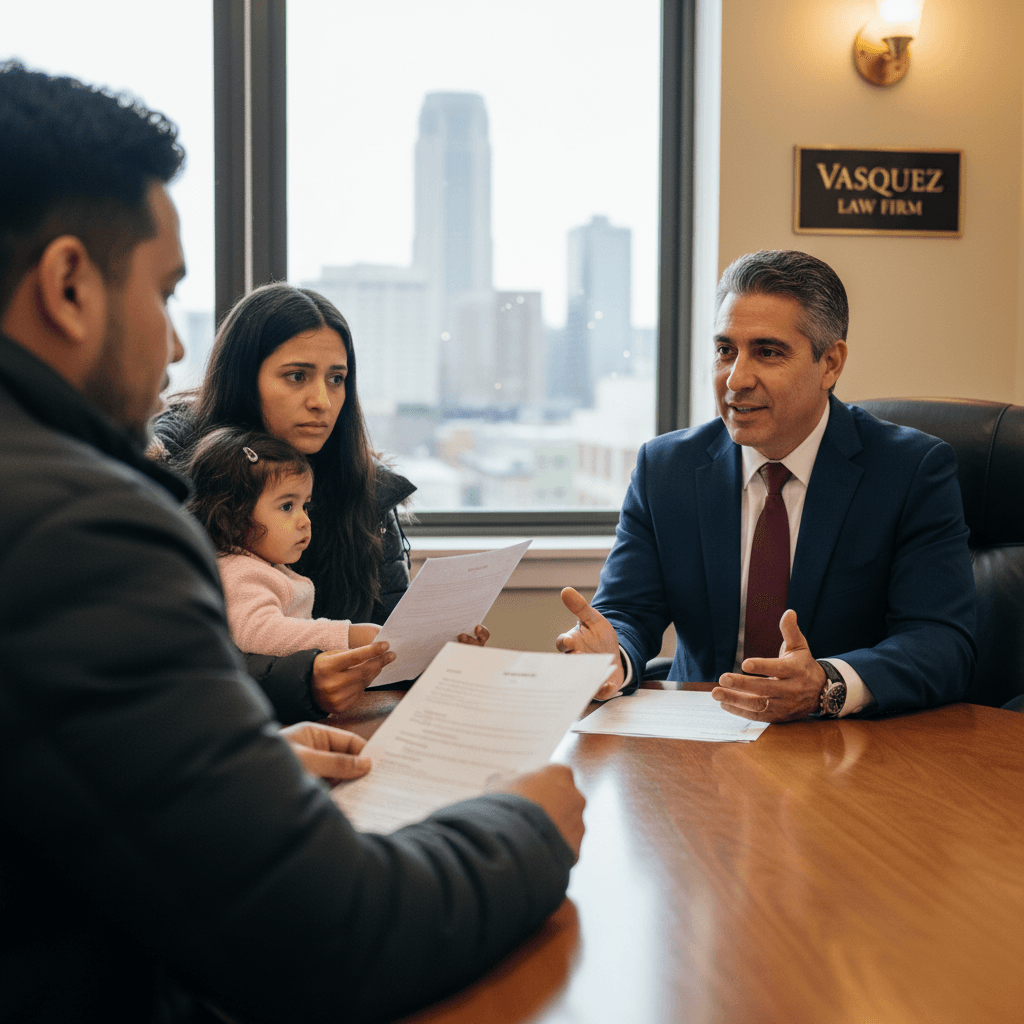
Have questions? Talk to an attorney - free evaluation.
Call 1-844-967-3536Worried how the latest immigration news affects you?
Schedule a confidential case review with an immigration attorney - know exactly where you stand.
USCIS Case Status
Check your USCIS case status
Enter your receipt number and get the official status. Free, no registration.
What You Need to Know About Immigration Law in Minneapolis in 2026
If you are searching for an immigration lawyer minneapolis, you may be reacting to rising enforcement headlines, workplace checks, or fear after a traffic stop. This guide explains what “crackdowns” can mean in real life, which immigration benefits may still be available, and how to protect your rights. Immigration law is federal, so the rules apply in Minnesota, North Carolina, and every state—yet local patterns of enforcement can change quickly.
Need legal help?
Immigration in NC and FL. Personal injury and workers compensation across NC. Criminal defense in Johnston and Harnett counties, and traffic tickets in 10 NC counties. Tell us your county and we will tell you exactly what we can do.
Soft next step: If you want a clear plan for your family or your case, call 1-844-967-3536 or request a free case evaluation. Se Habla Español.
1) Why Minneapolis Immigration News Matters Right Now
A quick note on the recent headline
Recent reporting has focused on federal immigration enforcement activity in major U.S. cities, including questions about priorities, coordination, and how quickly operations can shift. You can read the referenced coverage here: New York Times reporting on immigration enforcement in U.S. cities.
What this can mean for Minneapolis families
Minneapolis has a large immigrant community and a strong network of employers, schools, and family-based households. When enforcement increases, people often worry about:
- ICE encounters after arrests or in public places
- Worksite audits and I-9 issues
- Delays at USCIS interviews and requests for evidence (RFEs)
- Whether a prior record will trigger removal proceedings
If you are looking for an immigration lawyer minneapolis, you are not alone—many people seek help before a problem becomes a crisis.
Remember: immigration law is federal
Even though local practices differ, immigration benefits and removal rules come from federal statutes and regulations. The main agencies include U.S. Citizenship and Immigration Services (USCIS) for benefits, EOIR (Immigration Court) for removal cases, and the Department of State for consular processing and visas abroad.
2) What an “Immigration Crackdown” Can Look Like (and What It Doesn’t)
Common triggers that put people on ICE’s radar
In practice, many enforcement cases begin with everyday events. A “crackdown” may increase the speed or volume of actions tied to:
- Arrests and bookings that lead to immigration screening
- Old removal orders, missed hearings, or prior deportations
- Fraud allegations tied to marriage, documents, or employment
- Gang database accusations or mistaken identity
Not every non-citizen is a target. But if you have prior contact with immigration authorities, the risk can rise quickly.
Basic rights during an ICE encounter
Knowing your rights can reduce harm. In general:
- You can remain silent and ask to speak with a lawyer.
- You do not have to sign documents you do not understand.
- You can ask to see a warrant; many ICE documents are not signed by a judge.
Important: This is general education, not legal advice for your specific facts. A qualified attorney can help you make safe choices.
Immigration Court and detention: the real pressure point
For many people, the most serious risk is being placed into removal proceedings before EOIR. If that happens, deadlines come fast, and missing a hearing can lead to an in-absentia removal order. Minneapolis-area residents may encounter proceedings connected to the local immigration court system and nearby detention and transport patterns.
3) Legal Background: The Rules That Control Your Case
Benefits cases vs. removal defense
Immigration law has two big tracks:
- Benefits: green cards, naturalization, work permits, family petitions, humanitarian relief.
- Removal defense: fighting deportation, bond, cancellation of removal, asylum, motions to reopen.
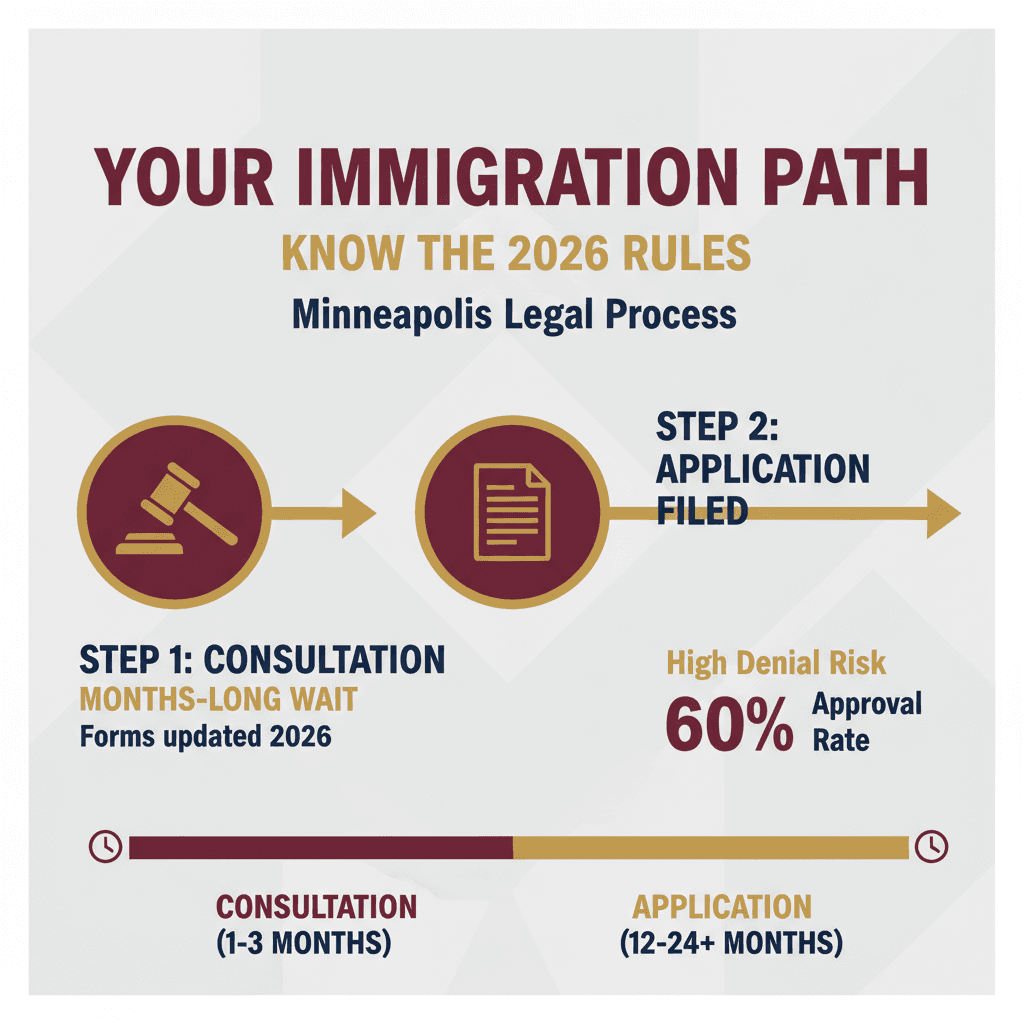
USCIS decides many benefits, but a single denial can sometimes lead to referral to Immigration Court depending on the situation.
Key statutes and regulations that often matter
Several core laws shape common family and defense strategies:
- Adjustment of status rules under INA § 245, codified at 8 U.S.C. § 1255.
- Removal proceedings procedures under INA § 240, codified at 8 U.S.C. § 1229a.
- Immigration Court rules and appeals governed by EOIR regulations in Title 8 of the Code of Federal Regulations (C.F.R.).
For visa processing abroad and travel requirements, the U.S. Department of State visa information is a reliable starting point.
Case law that may affect strategy
Some Supreme Court decisions shape how immigration consequences are handled. For example, Padilla v. Kentucky, 559 U.S. 356 (2010), recognized that criminal defense counsel must advise certain clients about immigration consequences of guilty pleas. If you have prior criminal history, a careful review of the record is often critical before filing anything new.
Reminder: If you need help building a plan—whether you live in Minnesota or are working with family in another state—call 1-844-967-3536 or use our contact form. Se Habla Español.
4) When to Hire an Immigration Lawyer in Minneapolis (and What to Ask)
Red flags that should trigger legal review
Many people wait too long, especially when they are afraid. Consider speaking with an attorney if you have any of the following:
- A prior removal order, voluntary departure, or missed court date
- Any arrest, charges, or convictions (even old or expunged)
- Entries without inspection (EWI) or multiple entries
- Prior visa overstays or misrepresentation concerns
- A family petition plus a complicated record (unlawful presence, prior denials)
In these situations, a skilled immigration lawyer minneapolis can help you avoid filings that accidentally increase enforcement risk.
Questions to ask before you hire any lawyer
Use these questions to protect yourself from bad advice:
- Will you screen my case for immigration “triggers” before filing?
- What is the best- and worst-case timeline?
- What documents do you need to review (I-94, court records, prior filings)?
- Who will handle my case day-to-day: attorney or staff?
- How do you communicate updates (email, portal, phone)?
Avoid “notario” fraud and quick fixes
Across the country, unauthorized practitioners target immigrants during periods of fear. A “notario” is not a lawyer in the U.S. Bad filings can cause denials, bans, or removal proceedings. If you are unsure who you are working with, verify bar licensing and get a written agreement.
5) How Vasquez Law Firm, PLLC Helps Minneapolis Clients From Raleigh
Immigration is federal—representation can be nationwide
Vasquez Law Firm, PLLC focuses on immigration law. Because immigration is federal, many services can be handled remotely, with careful document review, secure communication, and step-by-step preparation. Our team is led by Attorney Vasquez (JD), with 15 years of experience and bar admissions in the North Carolina State Bar.
We are based in Raleigh and regularly serve families who need help across state lines, including clients connected to Minnesota through work, school, or family.
Immigration matters we handle
When you are weighing options with an immigration lawyer minneapolis, here are common pathways we evaluate, depending on eligibility:
- Family-based immigration (I-130 petitions, adjustment of status)
- Consular processing and waivers
- Naturalization and citizenship
- Removal defense support (strategy, filings, evidence preparation)
- Humanitarian options (asylum-related screening, certain protections)
You can learn more about our Immigration Law services and how we approach case strategy and documentation.
Local roots and practical support
What's Your Immigration Situation?
Answer 3 questions - we'll tell you your options
Question 1 / 3
What best describes your situation?
Keep Reading

Although we are not located in Minnesota, our office in Raleigh is built to support immigration clients efficiently. For example, we routinely help clients prepare for USCIS interviews, Requests for Evidence, and consular processing steps that require organized records and consistent timelines.
If you are in North Carolina, we can also connect the process to the realities of the region—like appointments and federal proceedings tied to the Triangle area, including the Terry Sanford Federal Building and Courthouse in downtown Raleigh when federal documentation or related matters come into play.
6) Practical Steps to Take If You’re Worried About Enforcement
Build a document plan now (before a crisis)
Whether you are in Minnesota or Raleigh, preparation lowers risk. Consider gathering:
- Passports, birth certificates, marriage certificates
- All prior USCIS notices and receipts
- Certified criminal court dispositions (not just docket printouts)
- Proof of residence, taxes, pay stubs, school records
Keep copies in a safe place and share a plan with a trusted family member.
Know what not to do
During heightened enforcement, people sometimes make choices that create new problems. Avoid:
- Traveling internationally without a legal review if you have unlawful presence, prior orders, or pending cases
- Submitting applications with missing facts, inconsistent dates, or unverifiable claims
- Relying on social media “templates” for legal declarations
Ask for a real legal screening, not a sales pitch
A good screening identifies risks as well as opportunities. That may include assessing unlawful presence bars, admissibility issues, prior misrepresentation, or whether an old order can be reopened. If you are seeking an immigration lawyer minneapolis, choose someone who explains both the upside and the danger of each step.
Mid-page CTA: Want a careful screening of your options? Call 1-844-967-3536 to speak with our team or message us through /contact. Se Habla Español.
7) Frequently Asked Questions (FAQ)
Do I need a local immigration lawyer in Minneapolis, or can I hire out of state?
Because immigration is federal, many people hire counsel outside Minnesota, especially for USCIS filings and case preparation. For Immigration Court, remote support may still be possible depending on the attorney’s practice setup and the forum, but you should confirm how hearings, filings, and communication will be handled.
Can ICE arrest me at my USCIS interview?
Most USCIS interviews are routine, but there are situations where an interview can lead to enforcement concerns, especially if there is an outstanding removal order, certain criminal history, or fraud allegations. This is why pre-interview screening and document consistency are important.
What if I have a prior deportation or a missed court date?
A prior order of removal (including in-absentia orders) can change everything. You may need to explore a motion to reopen, rescind, or other relief depending on notice issues, eligibility, and timing. Consult an attorney before filing any new application with USCIS.
How long do green card cases take right now?
Timelines vary based on the category, the agency workload, and your history. Some cases move in months; others take much longer due to background checks, RFEs, or consular scheduling. USCIS publishes general processing times, but a case-specific review is more reliable.
What documents should I bring to a consultation?
Bring immigration documents (I-94, visa pages, prior receipts/denials), your passport, any criminal paperwork, and key family documents (marriage, birth certificates). If you have an Immigration Court case, bring the Notice to Appear and any prior hearing notices.
Do you offer Spanish-language help?
Yes. Se Habla Español. Clear communication prevents mistakes and helps families feel confident about next steps.
Final CTA: If you need an experienced team to guide you through a family petition, waiver, or removal defense strategy, contact Vasquez Law Firm, PLLC today. Call 1-844-967-3536 or request your consultation. Se Habla Español.
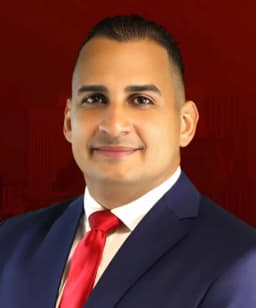
William Vasquez
Founder & CEO, Vasquez Law Firm, PLLC
William Vasquez is the founder and CEO of Vasquez Law Firm, PLLC, a results-driven firm specializing in immigration, criminal defense, personal injury, and workers' compensation. A U.S. Air Force veteran and recipient of the Joint Service Achievement Medal, William is dedicated to fiercely fighting for his clients' rights.
Related Legal Services
Need legal help? Learn more about learn about our immigration practice, or contact us for a free evaluation.
You can also visit NC immigration legal help for more information.