How the Trump Public Charge Rule Affects Immigrants in 2026
Trump public charge rule news may affect immigrants. Learn risks, benefits, and next steps—call 1-844-967-3536 for a consult. Se Habla Español.
Published on January 30, 2026· Updated August 6, 2026
Talk to an immigration attorney
Free call. A clear plan for your case.
Free & confidential · Se habla espanol · 24/7

Have questions? Talk to an attorney - free evaluation.
Call 1-844-967-3536Worried how the latest immigration news affects you?
Schedule a confidential case review with an immigration attorney - know exactly where you stand.
USCIS Case Status
Check your USCIS case status
Enter your receipt number and get the official status. Free, no registration.
How the Trump Public Charge Rule Affects Immigrants in 2026
News reports about a possible return of the trump-era “public charge” approach have many immigrant families worried. If you are applying for a green card, visa, or certain immigration benefits, the public-charge rules can affect whether the government believes you may rely on public benefits in the future. This article explains what public charge is, what could change, and how to protect your case with clear documentation and smart planning.
Worried About Immigration Policy Changes?
New policies can affect your case. Get current legal advice from an experienced immigration attorney.
Serving raleigh residents and families across North Carolina, our team sees how fast policy shifts can create fear and confusion. The good news is that many people remain eligible for immigration benefits, and there are legal ways to strengthen an application.
Worried about public charge or a new policy shift? Talk with an immigration lawyer before you file. Call 1-844-967-3536 or request a consultation. Se Habla Español.
What This News Means for raleigh Families
Why the headline matters
A recent policy analysis warned that reviving a stricter public-charge policy would amplify harms to immigrant families, including “chilling effects” where people avoid benefits they are allowed to use. You can read the coverage in this report on potential public-charge changes.
Even before any formal rule change, families may panic and stop using services like health coverage for children or nutrition support. That fear can spread quickly in communities and workplaces.
Local impact in raleigh and nearby cities
In Raleigh, many households are mixed-status families. One family member may be a U.S. citizen while another is applying for permanent residence. Public-charge anxiety can also affect people in nearby areas like Cary, Garner, Durham, and Chapel Hill.
Immigration filings often involve federal agencies, but your life is local. People gather records from schools, doctors, and employers, and some attend proceedings connected to the U.S. District Court for the Eastern District of North Carolina in downtown Raleigh or prepare for immigration court matters administered by the Department of Justice.
What you can do today (before filing)
Policies can change, but strong case preparation is always helpful. If you are planning to apply for a green card or a visa, focus on:
- Accurate forms and consistent answers
- Clear proof of income, work history, and household support
- Organized evidence for any past benefit use (if relevant)
- Legal advice before you stop or start benefits
Public Charge 101: The Legal Basics
What “public charge” means in immigration law
“Public charge” is a term used in U.S. immigration law to describe a person the government believes is likely to become primarily dependent on the government for support. It can be a ground of inadmissibility for certain applicants.
The main statute is the Immigration and Nationality Act (INA) public-charge provision, found at 8 U.S.C. § 1182(a)(4). This rule has existed for many years, but how it is interpreted can change depending on regulations and policy guidance.
Who it can apply to (and who is often exempt)
Public charge is most often discussed in these contexts:
- Family-based green cards (adjustment of status or consular processing)
- Certain employment-based green cards
- Some nonimmigrant visas where the officer evaluates financial support
Many categories may be exempt or treated differently, such as refugees, asylees, certain survivors (including some VAWA self-petitioners and U visa applicants), and other humanitarian applicants. The exact rule depends on the benefit you seek.
How the government evaluates “totality of circumstances”
Public charge is not usually a single-factor test. Officers may look at the “totality of the circumstances,” including:
- Age
- Health
- Family status
- Assets, resources, and financial status
- Education and skills
- Affidavit of Support (when required)
For many family-based cases, the Affidavit of Support (Form I-864) plays a major role, because it shows a sponsor is legally promising financial support.
A Look Back: What Changed Under trump (and Why People Still Fear It)
The 2019 public-charge rule and its ripple effects
During the trump administration, a much broader public-charge framework was implemented through regulations. Many people believed that using certain public benefits—or even applying for them—could harm their immigration case. That period created widespread fear, even among people who were not subject to the rule.
Although later policy changes reversed that approach, the memory remains. If a similar approach returns, families may again feel pressure to avoid programs that help with stability and health.
What the current framework generally focuses on
Public-charge policy is complex and fact-specific. In general, today’s approach is narrower than the strictest trump-era version. Still, officers can review financial and household facts, and they can ask questions if documentation is incomplete.
For the most up-to-date agency guidance and forms, you can review official resources from USCIS.
Why it can change again
Public-charge standards can shift through:
- New regulations (rulemaking)
- Agency guidance or field instructions
- Litigation in federal courts
- Congressional action (less common)
This is why it is risky to rely on rumors or social media summaries. It is safer to talk to counsel about your specific facts and timelines.
Public Benefits, “Chilling Effects,” and Real-Life Risks
Benefits people often misunderstand
One of the biggest harms described by researchers is the “chilling effect”: families avoid benefits even when they are eligible and even when those benefits may not count against them. If a stricter standard returns like the one associated with trump, confusion can increase.
Common areas of concern include:
- Healthcare support for children or pregnant family members
- Food and nutrition programs
- Housing instability and emergency assistance
Important: Never stop benefits solely based on fear. Stopping medical care or nutrition support can create serious harm. Get legal advice first.
Why documentation matters more than panic
In many cases, the strongest step is not “doing nothing,” but preparing better evidence. Strong evidence can help show:
What's Your Immigration Situation?
Answer 3 questions - we'll tell you your options
Question 1 / 3
What best describes your situation?
- Stable household income
- Reliable employment
- A capable joint sponsor (if needed)
- Health insurance planning (when relevant)
Good documentation reduces the chance of delays, Requests for Evidence (RFEs), or denials.
Common scenarios we see in raleigh
Serving Raleigh families, we often see:
- A U.S. citizen petitioning for a spouse who is adjusting status
- Households with changing income due to seasonal work
- Applicants who previously received benefits during a crisis and worry it will ruin their case
These issues are manageable, but they need a plan and careful filing.
Not sure if public charge applies to your case? Call 1-844-967-3536 to discuss options, or use our contact form. Se Habla Español.
How to Protect Your Green Card or Visa Case If Rules Tighten
Step-by-step: build a “public charge ready” file
Keep Reading
If the government applies a stricter standard, preparation can make a major difference. Consider building a packet that includes:
- Proof of income: paystubs, W-2s, tax transcripts, employer letters
- Proof of assets: bank statements, property records (if relevant)
- Proof of skills: diplomas, certifications, job training
- Household plan: who pays what, and how bills are covered
- Sponsor evidence: I-864 and supporting documents when required
For many family-based cases, the sponsor’s evidence is just as important as the applicant’s evidence.
Avoid common filing mistakes
Small mistakes can become big delays. Watch for:
- Inconsistent household size between forms
- Missing signatures or outdated form editions
- Wrong income calculations for the sponsor
- Sending copies that are unreadable or incomplete
Always verify official forms and instructions through USCIS.
If your case is at a U.S. embassy or consulate
If you are processing a visa abroad, consular officers review financial support and ties to the U.S. For official visa information, see the U.S. Department of State visa page.
Consular processing can move fast. It helps to prepare sponsorship documents early and keep everything consistent with what was filed with immigration.
How Vasquez Law Firm, PLLC Helps Immigrant Families Navigate Policy Shifts
Experience, credentials, and practical strategy
At Vasquez Law Firm, PLLC, cases are guided by Attorney Vasquez, a JD with 15 years of experience in immigration law. Attorney Vasquez is admitted to the North Carolina State Bar.
Policy changes can feel personal and urgent. We focus on practical steps that strengthen your application, reduce delays, and help you understand risk in plain English (and Spanish).
Our immigration services for raleigh-area clients
We support clients in Raleigh and across the region with:
- Family-based green cards (adjustment of status and consular processing)
- Affidavits of Support and joint sponsor planning
- Responding to RFEs and Notices of Intent to Deny
- Removal defense strategy and court preparation (when applicable)
Learn more about our Immigration Law services and how we build evidence that fits your facts.
Staying aligned with agencies and immigration court realities
Some cases overlap with removal proceedings or require careful timing with court actions. For official immigration court information, the Executive Office for Immigration Review (EOIR) provides updates and resources.
When families are under stress, clear planning matters. Our goal is to prevent last-minute surprises and protect your ability to stay with your family.
Frequently Asked Questions (FAQ)
1) What is the public-charge rule in simple terms?
It is a rule that can allow the government to deny certain immigration benefits if it believes a person is likely to rely on government support as their main source of income. The legal basis is INA § 212(a)(4), codified at 8 U.S.C. § 1182(a)(4), and related regulations and agency guidance.
2) Will a new trump public-charge policy apply to everyone?
Not always. Public charge generally applies to certain green card and visa applicants, but many humanitarian categories are exempt or treated differently. Even if it applies, eligibility is often based on the totality of your circumstances, not one detail.
3) If I used public benefits, will I be denied a green card?
It depends on the benefit, the time period, and your case type. Do not assume you are disqualified. A lawyer can review your history and help you present strong financial evidence, including an Affidavit of Support where required.
4) Should I stop using benefits now because of the news?
Do not make changes based only on fear. Stopping healthcare or nutrition support can harm your family and may not be necessary. Talk to an immigration attorney first to understand what rules apply to your specific filing and timeline.
5) Where can I check official updates?
Use official government sources like USCIS for forms and policy updates, the U.S. Department of State for consular processing and visas, and EOIR for immigration court resources.
6) How can an immigration lawyer in raleigh help with public charge issues?
A local lawyer can evaluate whether public charge applies, build a strong sponsorship and evidence plan, prepare you for questions, and help avoid delays or denials. If your situation is urgent, working with counsel can also help you choose the safest filing strategy and timing.
If you are concerned about public charge or future policy changes tied to trump-era rules, get a personalized plan. Call 1-844-967-3536 or schedule a free case evaluation with Vasquez Law Firm, PLLC. Se Habla Español.
Disclaimer: This article is for general information only and is not legal advice. Immigration law changes frequently, and outcomes depend on specific facts.
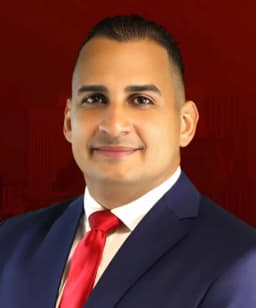
William Vasquez
Founder & CEO, Vasquez Law Firm, PLLC
William Vasquez is the founder and CEO of Vasquez Law Firm, PLLC, a results-driven firm specializing in immigration, criminal defense, personal injury, and workers' compensation. A U.S. Air Force veteran and recipient of the Joint Service Achievement Medal, William is dedicated to fiercely fighting for his clients' rights.
Related Legal Services
Need legal help? Learn more about immigration lawyers in North Carolina, or contact us for a free evaluation.
You can also visit NC immigration legal help for more information.